
Most riders struggle to control the clutch because they don’t understand the friction zone—a small part of clutch lever movement where power begins to transfer. By feeling slight resistance or watching slack decrease in the cable, you can locate this critical zone. Mastering it allows smooth starts and better low-speed control. With consistent practice, you’ll develop the feel needed for smooth, confident riding—keep exploring, and you’ll discover how to perfect this essential skill.

Get business pricing on garage and car supplies
- Business-only prices and quantity discounts
- Tax-exempt purchasing
- Multiple users, one account, clear invoices
Key Takeaways
- The friction zone is the small range of clutch lever movement where power begins to transfer from engine to wheel.
- Proper clutch control involves feeling slight resistance and observing slack in the cable to identify the friction zone.
- Mastering the friction zone helps riders achieve smooth starts, prevent stalls, and improve low-speed handling.
- Practicing slow clutch slips and steady throttle enhances sensitivity and muscle memory for better clutch control.
- Avoid common mistakes like overusing the clutch or ignoring the friction zone, which can lead to jerky movements and stalls.
Why Clutch Control Is Essential for Dirt Bike Beginners
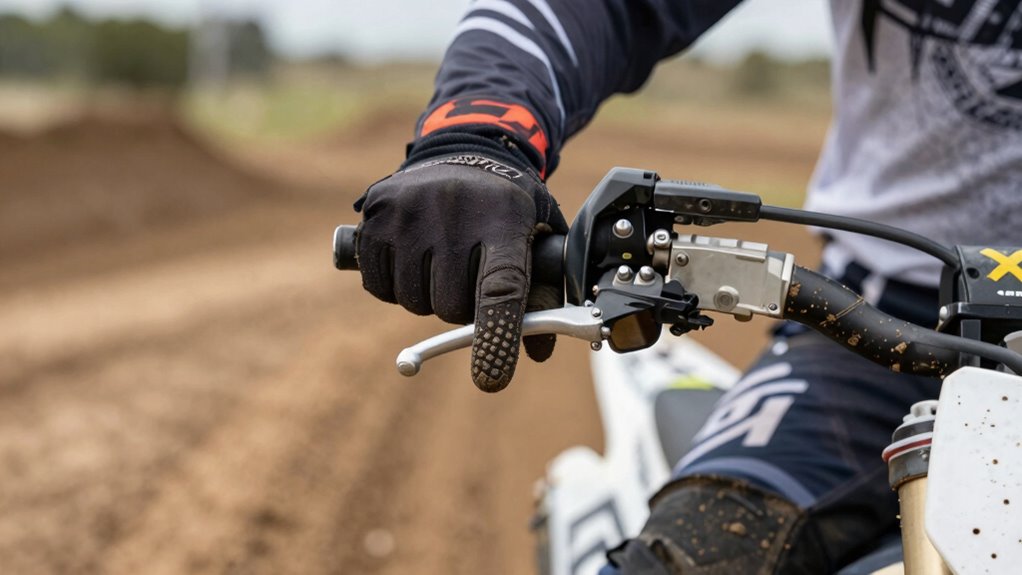
Why is clutch control so vital for dirt bike beginners? Mastering the clutch is fundamental because it allows you to smoothly start, stop, and navigate challenging terrain. With proper clutch control, you can precisely manage power delivery, preventing stalls and loss of control. It gives you the ability to smoothly engage the engine with the transmission, especially at low speeds, which is essential on uneven or tricky surfaces. Without good clutch skills, you risk jerky movements, tire spin, or falling. Developing this control early helps you build confidence and lays the foundation for more advanced riding techniques. Additionally, understanding the friction zone helps riders feel the clutch’s engagement point, making control more intuitive. Knowing how to find and modulate this engagement point allows for smoother transitions between different riding situations. Essentially, clutch control helps you ride more smoothly, safely, and efficiently, turning difficult situations into manageable ones. It’s a critical skill every dirt bike beginner must learn.
What Is the Friction Zone and How Does It Work?
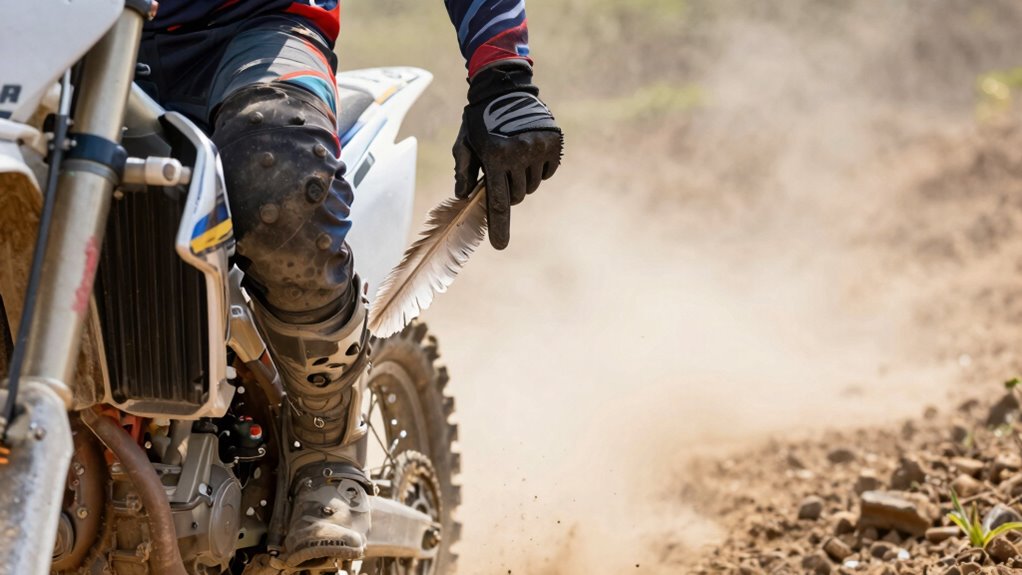
Understanding the friction zone is key to mastering clutch control. It’s the small range of clutch lever movement where the engine’s power begins to transfer to the wheel smoothly. When you find this zone, you can control your bike’s speed and balance effortlessly. To better grasp it, consider this table:
| Clutch Lever Position | Bike Response | Rider Action |
|---|---|---|
| Fully Released | No power transfer | Idle or coasting |
| Slightly Engaged | Gentle acceleration | Begin moving forward |
| Fully Engaged | Maximum power transfer | Accelerate smoothly |
Focusing on this zone helps prevent stalls and jerky starts. Practice controlling the clutch within these ranges, and you’ll develop a feel that allows precise, confident riding. Developing a sensitivity to the clutch lever is essential for mastering the friction zone, as it enables you to respond more intuitively to the bike’s movements. Mastering the friction zone enhances your overall riding skills and safety.
How to Recognize the Friction Zone by Feel and Sight
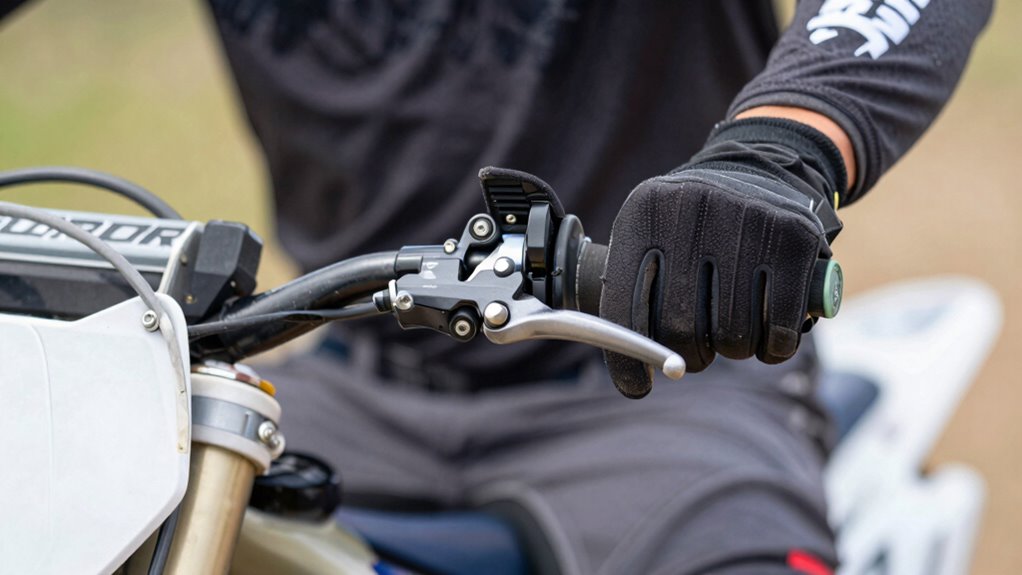
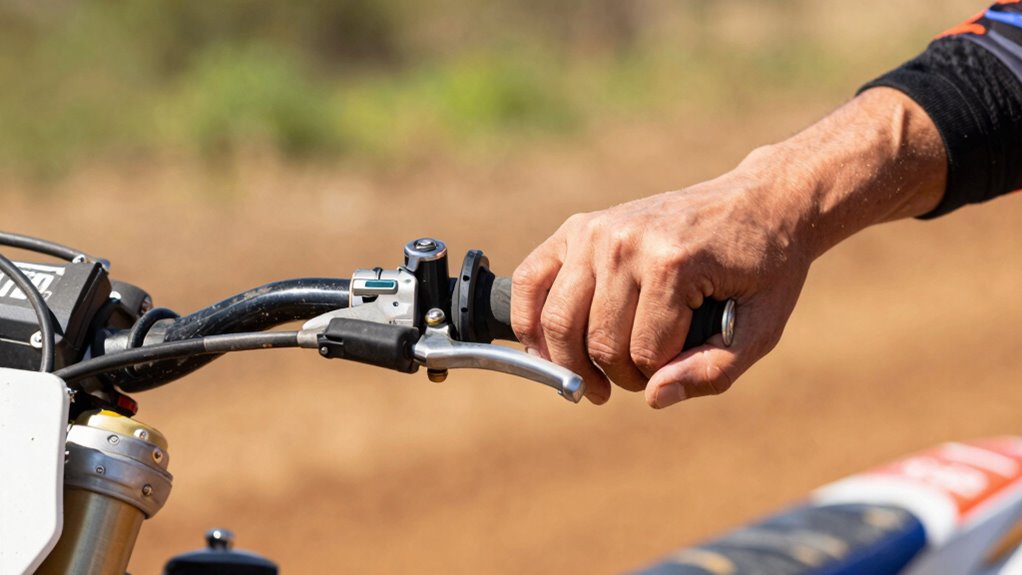
To recognize the friction zone by feel and sight, you need to pay close attention to subtle cues from your bike and your hands. As you gently release the clutch lever, notice the slight resistance you feel—this is the beginning of engagement. Your throttle control influences how smoothly this *shift* occurs, so keep it steady. Visually, watch the slack in your clutch cable; as you approach the friction zone, the slack diminishes. Feel for a slight tug or resistance in your hand, indicating the clutch plates are starting to engage. Your bike may begin to move slightly or the engine may respond with a slight change in sound. Developing a smooth clutch release requires consistent practice, and recognizing these cues takes practice, but with focused observation, you’ll develop an intuitive sense of where the friction zone lies. Additionally, understanding the clutch engagement point can help you refine your control and make smoother shifts. Becoming familiar with the feel of the clutch through repetition will further enhance your riding finesse and confidence. Paying attention to the engine response can also provide valuable feedback to help you master clutch control more effectively. Incorporating visual cues such as watching the clutch cable slack, alongside tactile feedback, will improve your overall clutch control.
Step-by-Step: How to Find Your Friction Zone
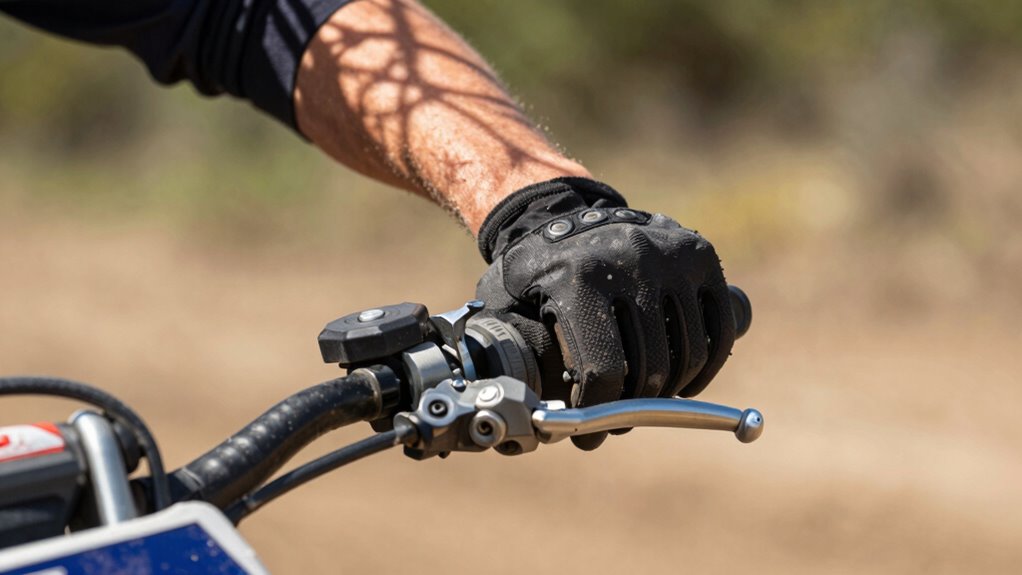
Finding the friction zone begins with a gentle, deliberate approach. To locate it, follow these steps:
Begin gently, feel the clutch bite, and practice smooth releases to master the friction zone.
- Start with the clutch fully pulled in, engine idling.
- Gradually release the clutch lever until you feel the bike’s engine begin to engage.
- As the bike starts to move slightly, note the point where the clutch begins to bite—this is your friction zone.
- Keep the throttle steady and practice small, smooth releases of the clutch to refine your feel.
- Remember that clutch control is a skill that improves with consistent practice and awareness of the engagement point.
Focus on the sensation of the bike’s engagement, not just the lever movement. Consistent practice helps you recognize the precise point where clutch and engine work together smoothly. Mastering this step is essential for controlled riding.
Common Clutch Control Mistakes and How to Fix Them
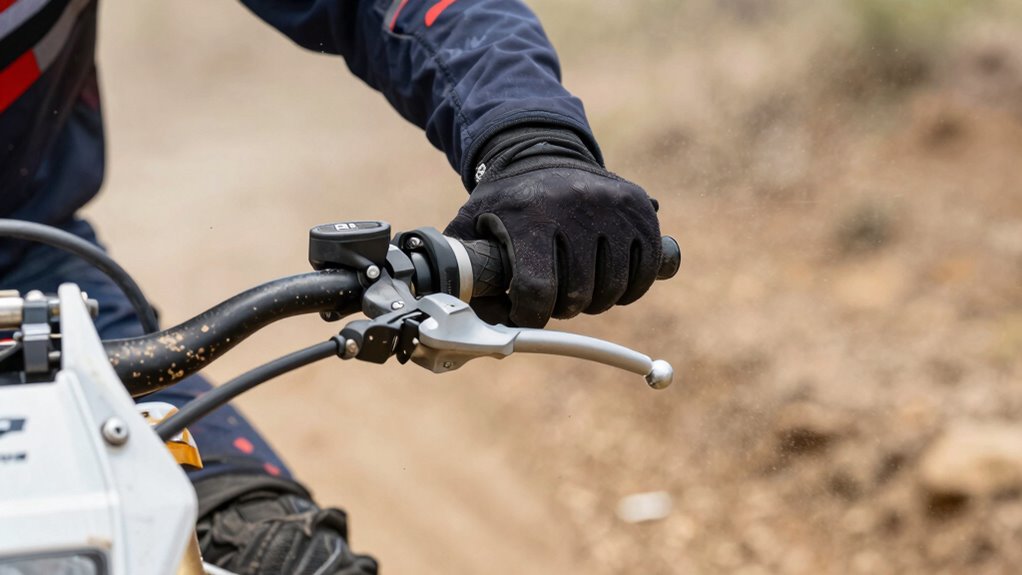
Many riders overuse clutch engagement, which can cause stalling and uneven starts. Ignoring the friction zone leads to jerky movements and difficulty controlling the bike smoothly. To improve, focus on mastering your friction zone and use the clutch gradually and intentionally. Developing an understanding of how to leverage Free Floating techniques can greatly enhance your control and riding experience. Recognizing the importance of Tools and DIY insights can also help riders appreciate the nuances of rider development and skill mastery.
Overusing Clutch Engagement
Have you noticed that overusing the clutch during riding can lead to unnecessary wear and poor control? When you clutch excessively, you risk damaging components and losing smoothness. To avoid this, focus on proper clutch engagement. Imagine these scenarios:
- You constantly squeeze the clutch to shift gears, even when unnecessary, wearing out the friction plate.
- You keep the clutch partially engaged, causing slipping and overheating.
- You rely on clutch to control speed instead of throttle, reducing finesse.
- You clutch at every stop, instead of smoothly rolling to a halt.
Proper clutch use involves understanding the friction zone, which helps you develop a feel for clutch engagement and prevents overuse. To fix this, use clutch engagement only when needed, such as during shifting or starting. Develop a feel for the friction zone, and trust your throttle to manage speed whenever possible. Proper clutch use enhances control and prolongs your bike’s lifespan.
Ignoring Friction Zone
Ignoring the friction zone is a common mistake that hampers smooth clutch control and can lead to unnecessary wear. When you neglect to feel and use this critical area, your clutch engagements become jerky and unpredictable, especially on rough terrain. To fix this, focus on gradually releasing the clutch lever while listening and feeling for the engagement point. Practice small, controlled releases to develop a sense of when the clutch begins to bite. Avoid rushing the process or relying solely on engine sound. Developing awareness of the friction zone ensures smoother starts, better power transfer, and longer clutch lifespan. Remember, mastering this zone takes patience and consistent practice. Once you feel confident, you’ll control your bike more precisely and ride with greater confidence.
Practice Drills to Master Your Clutch Control and Friction Zone
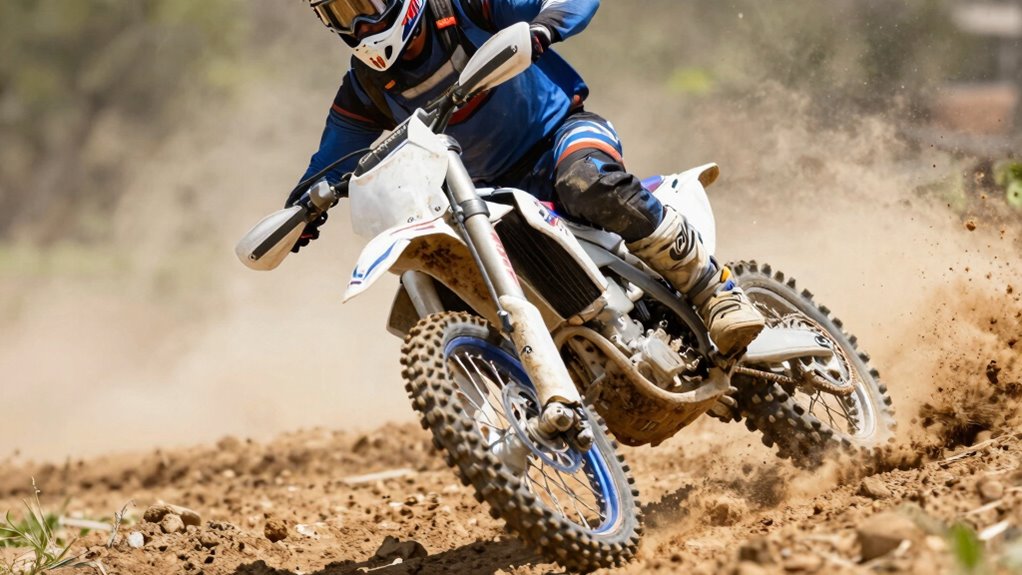
To master clutch control and the friction zone, consistent practice of specific drills is essential. These drills build muscle memory and improve your feel for the clutch. First, perform a slow clutch lever release while keeping the throttle steady, focusing on the point where the bike begins to move. Second, practice holding the clutch just at the friction zone for several seconds, maintaining a steady throttle. Third, do a series of controlled starts on flat terrain, gradually increasing speed without stalling. Fourth, perform slow, deliberate clutch slips while balancing on a stand or low-speed terrain. Additionally, understanding the best soil for string of hearts plants can help maintain a healthy environment for your bike’s maintenance area, ensuring tools and parts are properly stored and preserved. Recognizing the clutch control techniques is vital for developing smooth and consistent rides, especially for beginners. These exercises sharpen your control, helping you recognize the friction zone instinctively and execute smooth starts and low-speed maneuvers with confidence.
How Mastering the Friction Zone Improves Balance and Smooth Starts
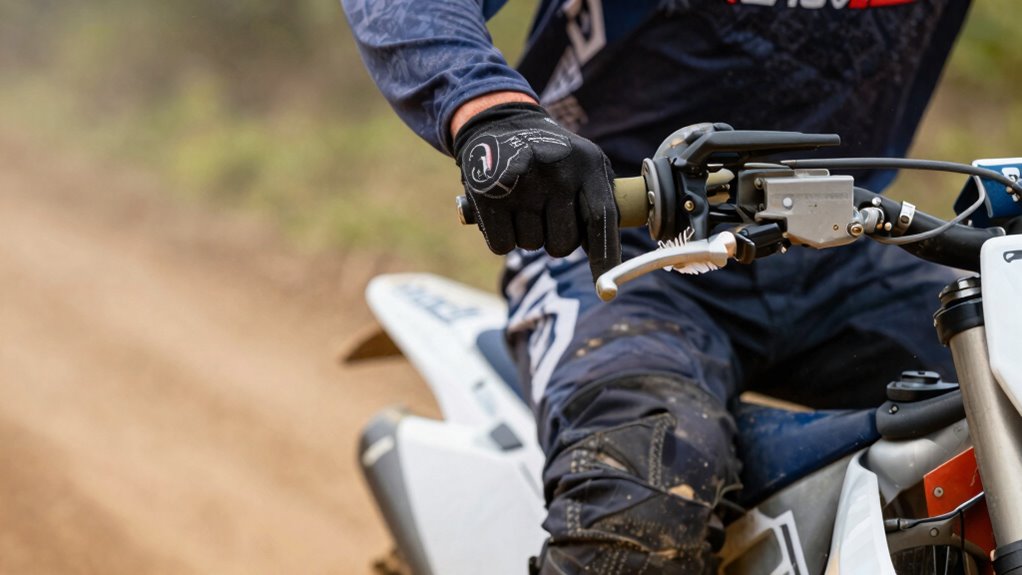
Mastering the friction zone enhances your balance by allowing precise control during starts and low-speed maneuvers. As you improve your clutch technique, you’ll achieve smoother acceleration and better stability. This skill also helps you prevent stalls, making every ride safer and more confident. Developing a good understanding of safe riding practices ensures a more enjoyable and secure experience. Additionally, understanding the vetted electric bike conversion kits can provide insights into optimizing your bike’s performance for different riding conditions. Recognizing how clutch control impacts overall riding efficiency can further refine your skills and safety. Incorporating knowledge about support breakfast options can also boost your energy levels for more focused riding sessions. Knowing about familiar riding terrain can help you adapt your clutch use for different environments and improve overall handling.
Balance Through Friction Control
Have you ever wondered how riders start smoothly and maintain perfect balance at low speeds? It all comes down to controlling the friction zone. By mastering this area, you develop better balance and more consistent starts. Focus on:
- Feeling the slight tug of the clutch as you engage it gently.
- Gradually increasing pressure until the bike just begins to move.
- Keeping your body centered, eyes forward, and elbows relaxed.
- Applying steady throttle as the clutch slips, preventing sudden jerks. Proper technique in this zone regularly helps reinforce muscle memory and improves overall control.
Understanding digital asset management can further enhance your control over your riding skills by emphasizing discipline and consistency. This precise control lets you balance the bike effortlessly, even on uneven terrain. When you use friction control intentionally, your starts become smoother, and your overall balance improves. Consistent practice in this zone builds confidence and keeps you stable at low speeds.
Smooth Acceleration Techniques
By controlling the friction zone precisely, you can achieve smooth acceleration that keeps the bike stable and responsive. Gradually release the clutch until you feel the bike begin to move forward, then gently add throttle. This coordinated movement guarantees a seamless transition from idle to acceleration, preventing jerks or stalls. Keep your hands steady and your body centered to maintain balance. Focus on small, controlled releases of the clutch, matching your throttle input to avoid sudden surges. With practice, you’ll develop a feel for the friction zone, allowing you to accelerate smoothly out of turns, over rough terrain, or from a stop. Mastering this technique improves your overall control, making riding more fluid, confident, and less fatiguing.
Preventing Stalls Effectively
To prevent stalls effectively, focusing on precise control of the friction zone is essential because it directly influences your bike’s smoothness and balance at low speeds. Mastering this zone allows you to manage power delivery smoothly, reducing the risk of stalling. Visualize this control as:
- Gently feathering the clutch lever, like easing a delicate brushstroke.
- Finding that perfect point where the engine just begins to move the bike forward.
- Maintaining steady throttle to support clutch engagement without jerking.
- Adjusting your body position to stay centered and balanced through the progression.
Focus on these steps consistently, and your ability to start smoothly and prevent stalls will improve dramatically. Precise friction zone control is your key to confident, stall-free riding.
Troubleshooting Clutch Control Issues and When to Seek Help
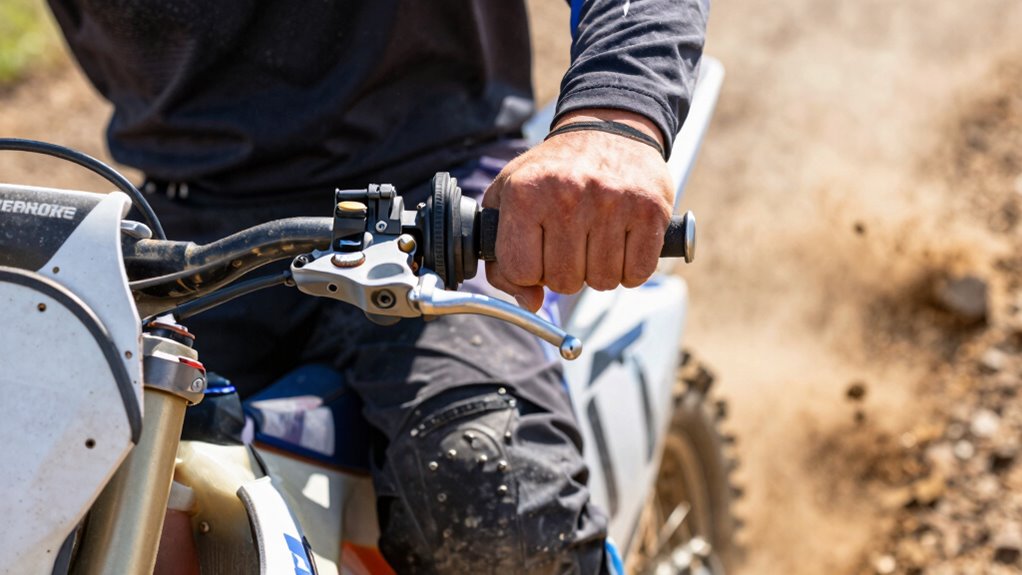
Clutch control issues can considerably impact your riding experience and safety, so recognizing common problems and knowing when to seek help is essential. If you find yourself stalling frequently, struggling to find the friction zone, or experiencing sudden clutch slips, these are signs something’s off. Check your clutch lever for proper adjustment—if it feels too loose or too tight, it can cause control problems. Persistent difficulty in engaging or disengaging the clutch indicates a mechanical issue, such as worn clutch plates or cable problems. Don’t ignore these signs; attempting repairs without proper knowledge can worsen the problem. When issues persist despite adjustments, it’s best to consult a professional mechanic or experienced instructor. Proper troubleshooting ensures safe riding and preserves your motorcycle’s longevity.
Frequently Asked Questions
How Does Clutch Control Vary Between Different Dirt Bike Models?
Clutch control varies between dirt bike models mainly due to differences in clutch lever feel, spring tension, and engine power. You’ll find that some bikes require a gentler touch, while others demand more precise control. To master this, spend time practicing on your specific model to understand its friction zone. Focus on smooth, gradual releases and adjustments, which will improve your balance, control, and confidence on any dirt bike.
Can Advanced Riders Benefit From Refining Their Friction Zone Technique?
Yes, advanced riders can substantially benefit from refining their friction zone technique. Imagine your clutch as a delicate balance wheel, smoothly engaging and disengaging to control your bike’s movement. By mastering this skill, you gain precise control over throttle response, enabling you to navigate tricky terrain, launch with power, and maintain speed effortlessly. Consistent friction zone practice sharpens your reflexes, making your riding smoother, more confident, and ultimately more effective.
What Are Signs of Poor Clutch Control During Riding?
You’ll notice poor clutch control if your bike stalls frequently, jerks unexpectedly, or struggles to start moving smoothly. You might also feel a sudden jerk when engaging the clutch, or notice inconsistent acceleration. These signs indicate you’re not maintaining a steady grip in the friction zone. Practice gradually and focus on smooth, controlled engagement; this improves your clutch finesse and overall riding stability.
How Does Clutch Control Affect Rider Safety on Challenging Terrains?
Think of clutch control as the steering wheel of your safety. When you master the friction zone, you can navigate tricky terrains with finesse, preventing wheel slips or stalls. Precise clutch work keeps your bike steady and responsive, reducing the risk of falls. Without it, you risk losing control and facing dangerous situations. Developing clutch finesse guarantees you stay confident and safe, even on the most challenging terrains.
Are There Recommended Accessories or Tools to Improve Clutch Handling?
Yes, using a clutch lever with adjustable tension can greatly improve your handling. Consider installing a lightweight, ergonomic clutch lever for better grip and control. Additionally, clutch friction point markers help you develop consistent clutch engagement, especially on tricky terrains. Investing in high-quality, durable cables and lubricants ensures smooth operation. These accessories enhance your response, reduce fatigue, and increase safety, making clutch handling more precise and confident during challenging rides.
Conclusion
Mastering the friction zone is your key to smoother starts and better balance on your dirt bike. Think of it as your secret sword in the quest for control—like a knight honing their skill before facing the dragon. Keep practicing with patience, avoid common pitfalls, and soon you’ll feel more confident and in command behind the handlebars. Remember, every ride gets easier with understanding and control—so don’t let this skill be lost to the ages.
Fall Picks
fall essentials
As an affiliate, we earn on qualifying purchases.