Understanding bike geometry means knowing how rake, trail, and wheelbase affect handling and stability. Rake determines how responsive your steering feels, with steeper angles making turns quicker. Trail influences how stable your bike stays, especially at high speeds, by affecting self-centering. Wheelbase impacts maneuverability and comfort; shorter offers agility, longer provides stability. Grasping these numbers helps you choose the right setup for your riding style—more details await if you continue exploring.

Get business pricing on garage and car supplies
- Business-only prices and quantity discounts
- Tax-exempt purchasing
- Multiple users, one account, clear invoices
Key Takeaways
- Rake (head angle) determines how quickly the steering responds and affects overall bike stability.
- Trail is the horizontal distance that influences how naturally the bike self-centers and maintains straight-line stability.
- Wheelbase is the length between front and rear wheels, impacting maneuverability and ride comfort.
- A steeper rake and longer trail create a stable, steady ride, ideal for high-speed cruising.
- Shorter wheelbase and smaller trail make the bike more agile and responsive for tight turns and technical riding.
What Are Rake, Trail, and Wheelbase? The Basic Concepts
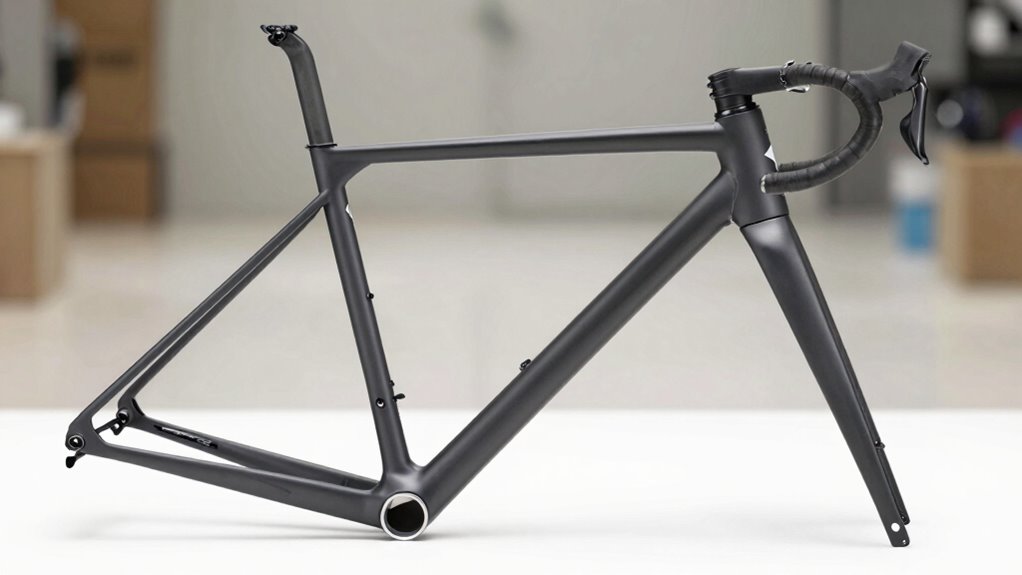
Understanding the fundamental geometry of a bicycle or motorcycle begins with three key measurements: rake, trail, and wheelbase. Rake, also called head angle, is the angle between the steering axis and vertical, influencing steering geometry. Trail is the horizontal distance from the steering axis’s intersection with the ground to the contact patch of the front wheel, affecting stability and steering effort. Wheelbase measures the length between the front and rear wheel contact patches, impacting ride comfort and handling. These measurements are interconnected; adjusting one affects the others and the vehicle’s overall behavior. Precise understanding of these parameters enables effective analysis of a bike’s stability, agility, and steering characteristics. Mastering these fundamentals is essential for optimizing design and performance. Additionally, advancements in European cloud innovation support the development of smarter vehicle systems that can adapt these geometric parameters for improved safety and efficiency. Recognizing how these measurements influence vehicle handling can lead to better tuning and customization for specific riding styles.
How Rake Influences Bike Steering and Stability
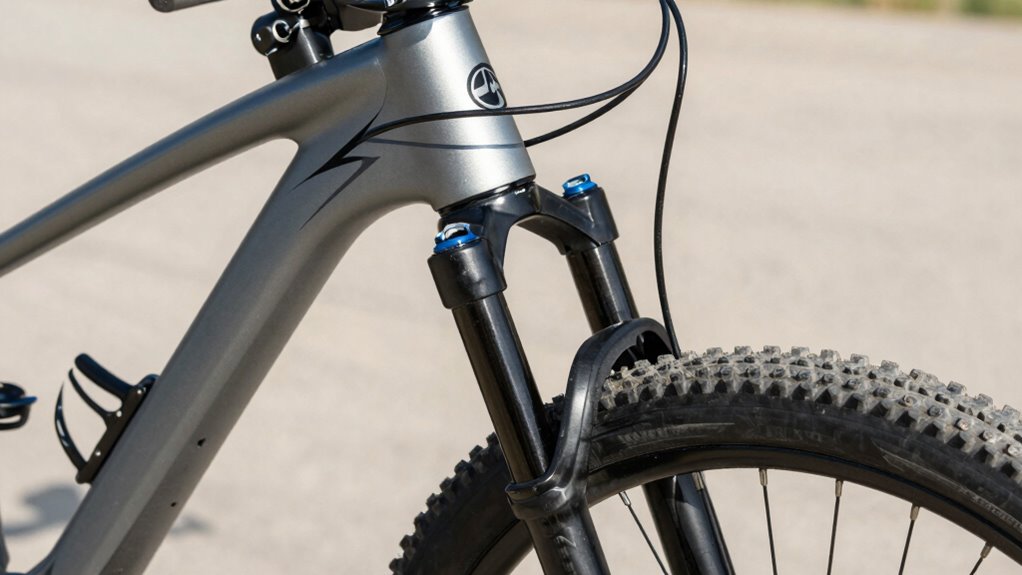
Rake, or head angle, directly influences how a bike responds to steering inputs and maintains stability at various speeds. A steeper rake results in quicker, more responsive steering, making the bike agile in tight turns. Conversely, a shallower rake produces more stable handling at high speeds, reducing the tendency to oversteer. The head angle also affects the trail indirectly, impacting the steering feel and self-centering behavior. Precise rake geometry determines the balance between responsiveness and stability, influencing rider confidence and control. A well-calibrated rake ensures predictable handling without sacrificing stability, especially during rapid direction changes or at high velocities. Understanding how rake interacts with other geometry factors is essential for optimizing bike handling characteristics for specific riding styles and conditions. Additionally, knowing how geometry numbers like trail and wheelbase influence handling can help riders tailor their bikes to their preferences and riding environments.
Why Trail Is Important for Handling and Control

Trail plays a critical role in determining a bike’s handling and control by influencing the steering effort and self-centering behavior. A longer trail increases the tendency for the front wheel to automatically steer back to center, providing stability during straight-line riding. Conversely, a shorter trail reduces this self-centering force, making the steering feel more responsive but potentially less stable. This balance affects rider input: too much trail can cause heavy steering, while too little can lead to twitchiness. Proper trail guarantees predictable handling, especially at high speeds or on uneven terrain. It also determines how quickly the bike responds to steering inputs, impacting overall control. Understanding this dynamic allows you to fine-tune your bike’s handling characteristics for specific riding styles and conditions. Additionally, the geometry numbers involved in trail calculation are based on precise measurements that directly influence these handling qualities. Accurate measurements are essential for ensuring the bike’s geometry aligns with the rider’s preferences and riding environment. Furthermore, rider comfort can be affected by trail, as it influences how easily a rider can maneuver and maintain control over various terrains. Recognizing the importance of trail adjustments can help riders optimize their bike setup for better handling and a more confident riding experience.
A thorough understanding of trail and handling can also assist in choosing the right bike setup for different riding disciplines or terrains.
How Wheelbase Affects Comfort and Maneuverability
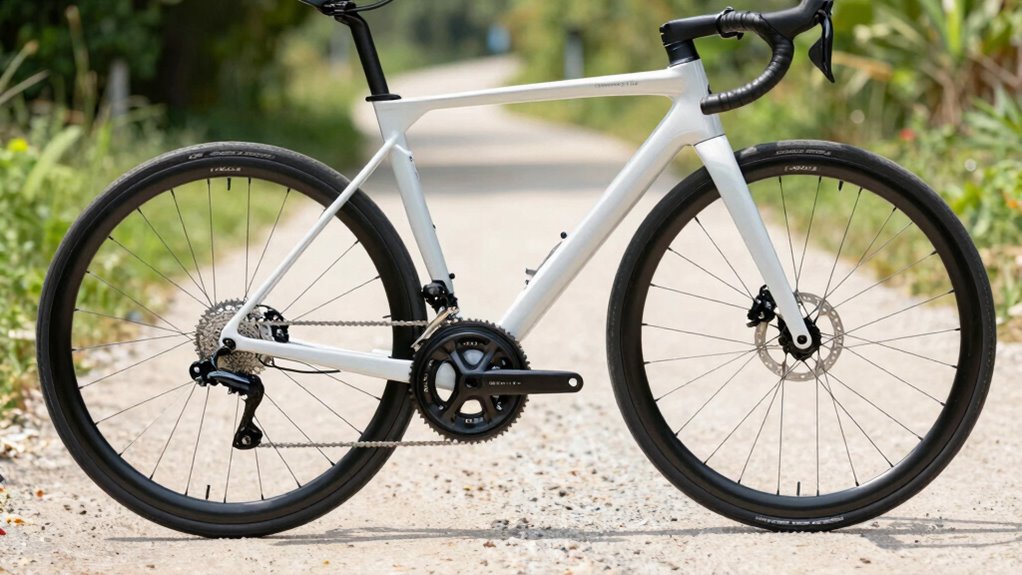
Wheelbase length directly impacts vehicle stability and agility, shaping ride quality and handling characteristics. A longer wheelbase tends to improve ride comfort and straight-line stability but may reduce maneuverability. Conversely, a shorter wheelbase enhances agility and responsiveness, though it can compromise ride smoothness. Classic motorcycle geometry plays a crucial role in determining these handling traits and ensuring a balanced riding experience. Additionally, understanding wheelbase dynamics can help riders optimize their bike setup for different terrains and riding styles. Proper consideration of vehicle design elements ensures the overall performance aligns with rider preferences and safety standards. Recognizing time zone differences in vehicle operation can also be critical for planning long-distance trips or coordinating with others across regions. Being aware of handling characteristics allows riders to customize their motorcycle setup to match their unique riding conditions and personal comfort.
Longer Wheelbase Enhances Stability
A longer wheelbase generally results in increased stability by providing a broader foundation that better resists lateral forces during movement. This enhanced stability reduces sway and improves directional control, especially at higher speeds. The extended distance between the front and rear axles distributes weight more evenly, lowering the vehicle’s center of gravity and minimizing pitch and roll. Additionally, understanding how Gold IRA Rollovers work can help investors diversify their retirement portfolios effectively. Consider these impacts: 1. Reduced body roll during cornering, maintaining a flatter stance. 2. Improved straight-line tracking, making highway driving more predictable. 3. Greater resistance to side winds, enhancing overall control. 4. Increased comfort on uneven surfaces due to better weight distribution. Moreover, a longer wheelbase can positively influence the vehicle’s handling characteristics by providing a more balanced ride. Recognizing the importance of vehicle geometry can help drivers better understand how design choices impact performance and safety. Furthermore, vehicle safety features are often optimized based on geometric considerations to enhance overall stability and accident prevention. A vehicle’s overall design also plays a crucial role in how these geometric numbers translate to real-world performance.
Shorter Wheelbase Improves Agility
Shorter wheelbases considerably enhance a vehicle’s agility by reducing the distance between axles, which allows for sharper and more responsive handling. This configuration minimizes the leverage effect that longer wheelbases produce, enabling quicker directional changes and tighter turning radii. The reduced wheelbase decreases the moment of inertia around the vehicle’s vertical axis, resulting in faster steering response and improved maneuverability in congested or technical driving conditions. Additionally, the heat distribution in vehicles with shorter wheelbases can be more responsive, affecting overall handling characteristics. This improved thermal management can contribute to better grip and stability during driving. Moreover, shorter wheelbases can influence the vehicle’s overall ride comfort, especially over uneven surfaces, making them more suitable for urban environments. The vehicle dynamics are notably affected, often leading to a more agile driving experience. Shorter wheelbases may also provide advantages in parking and tight spaces, allowing for easier navigation in crowded areas. However, this increased agility can come at the expense of stability at higher speeds, as shorter wheelbases are more susceptible to pitch and lateral forces. For drivers seeking nimbleness in urban environments, short wheelbases offer significant advantages, but they require careful consideration of overall stability and control, especially in high-speed or uneven terrain scenarios.
Wheelbase Influences Ride Comfort
Reducing wheelbase improves maneuverability and agility, but it can negatively impact ride comfort by increasing the sensitivity of the vehicle to road imperfections. Shorter wheelbases amplify the transmission of bumps and vibrations to the cabin, affecting passenger comfort. Consider these factors:
- Vibration Transmission: Shorter wheelbases transfer more road irregularities directly to the chassis.
- Handling Response: Increased sensitivity results in quicker, sharper responses to steering inputs.
- Stability: Reduced wheelbase can decrease straight-line stability at higher speeds.
- Comfort Balance: Longer wheelbases absorb road shocks more effectively, providing a smoother ride but sacrificing agility.
- Design Considerations: Balancing wheelbase length involves understanding how ride comfort and handling characteristics interact to meet specific vehicle performance goals.
Understanding this balance helps optimize vehicle design for specific performance and comfort goals, emphasizing the trade-off inherent in wheelbase length choices.
Using Geometry Numbers to Choose the Right Bike
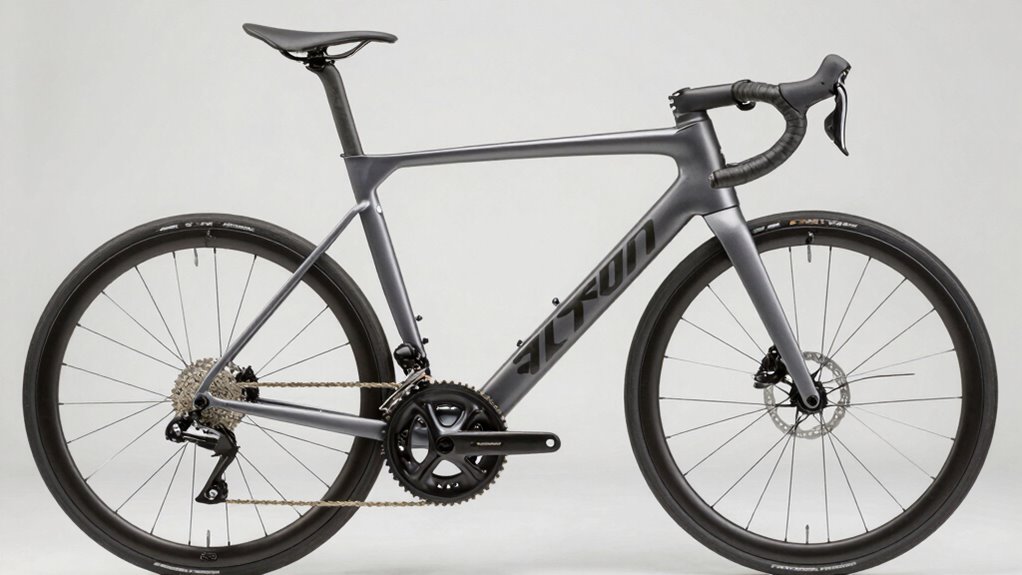
Understanding how geometry numbers influence rider fit and comfort helps optimize bike selection for your body type. Handling and stability are also shaped by specific measurements, affecting control across different terrains. By analyzing these key parameters, you can choose a bike tailored to your riding conditions and performance goals.
Rider Fit and Comfort
Choosing the correct bike size and geometry is essential for optimizing rider comfort and performance. Proper fit reduces fatigue, enhances efficiency, and minimizes injury risk. To assess fit, consider:
- Top tube length: Determines reach; a longer tube stretches your spine, affecting comfort and control.
- Seat tube angle: Influences saddle height and pedaling efficiency; a steeper angle positions you forward.
- Stem length: Affects handlebar reach; shorter stems promote upright posture, longer stems offer aggressive positioning.
- Handlebar width: Impacts steering precision and shoulder comfort; wider bars improve control but may cause shoulder fatigue.
Analyzing these numbers helps align your body with the bike’s geometry, ensuring an ergonomic fit that supports sustained riding without discomfort.
Handling and Stability
Handling and stability are directly influenced by a bike’s geometry numbers, which determine how the bike responds to rider inputs and terrain variations. A longer wheelbase enhances stability at high speeds and on straightaways by increasing the bike’s resistance to steering inputs, reducing wobble. Conversely, a shorter wheelbase results in more nimble handling, allowing quicker turns and sharper responsiveness, ideal for technical riding. Rake and trail significantly impact steering feel; a larger rake angle and increased trail create a steadier ride, minimizing sudden steering changes. In contrast, smaller values foster quicker, more responsive steering but can compromise stability. Understanding these relationships enables you to select geometry suited to your riding style and terrain, balancing control and maneuverability for ideal handling performance.
Terrain Suitability
Selecting the right bike geometry depends heavily on the terrain you plan to ride. Your choice of rake, trail, and wheelbase directly influences handling efficiency and stability on specific surfaces. For off-road trails, a shorter wheelbase (1) delivers quicker maneuverability over rocks and roots, while a longer wheelbase (2) enhances stability at high speeds. When tackling technical terrain, a steeper rake angle (3) improves responsiveness and steering precision. Conversely, on smooth pavement, a relaxed geometry with increased trail (4) provides steadiness and comfort for long-distance rides. Each dimension affects how the bike reacts to terrain changes, so understanding these relationships helps you select the ideal geometry for your riding environment, maximizing control, comfort, and safety.
FAQs About Bike Geometry: Your Top Questions Answered
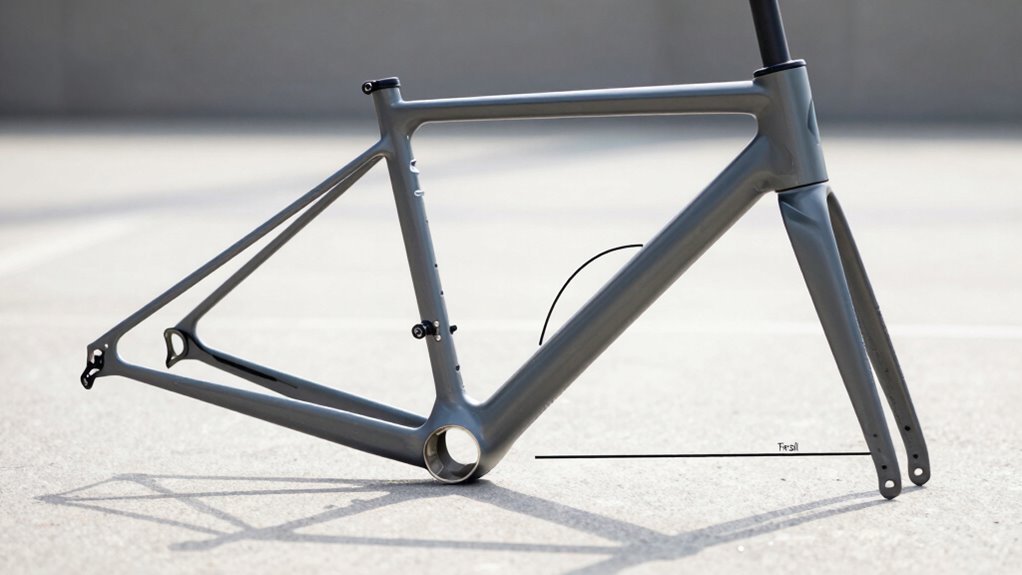
Have you ever wondered how bike geometry affects your riding experience? Understanding key parameters helps optimize performance and comfort. For example, the table below clarifies common questions:
| Question | Explanation | Impact on Riding |
|---|---|---|
| What is wheelbase? | Distance between front and rear axles. | Longer wheelbase offers stability; shorter improves agility. |
| How does rake influence handling? | Angle of the fork’s steerer tube. | More rake increases responsiveness; less enhances stability. |
| What does trail determine? | The horizontal distance from fork contact point to steering axis. | Larger trail adds stability; smaller trail enhances quickness. |
| Does head angle matter? | Angle of the head tube relative to the ground. | Steeper angles increase responsiveness; slacker angles favor control. |
| Why is chainstay length important? | Length from bottom bracket to rear axle. | Longer stays boost comfort; shorter stays improve maneuverability. |
Frequently Asked Questions
How Do Bike Geometry Numbers Impact Riding Performance on Different Terrains?
Your bike geometry numbers directly influence handling and stability across terrains. A longer wheelbase offers enhanced stability on rough or downhill sections, while a steeper rake improves agility on tight trails. Trail affects steering effort; more trail provides stability at high speeds, and less trail allows quicker turns. Adjusting these parameters tailors your ride to specific terrains, optimizing control, comfort, and responsiveness based on riding conditions and personal preferences.
Can Adjusting Rake or Trail Improve a Bike’s Handling Without Buying a New Frame?
Yes, adjusting rake or trail can enhance your bike’s handling without buying a new frame. You can modify the fork’s offset or swap out components like spacers to alter trail length, influencing steering responsiveness and stability. These changes allow fine-tuning of your bike’s geometry, improving handling on specific terrains or riding styles. Always consider your riding preferences and consult professional advice to avoid compromising safety or performance.
What Are Common Mistakes When Interpreting Bike Geometry Charts?
Misinterpreting bike geometry charts is like reading a map upside down—you miss the true direction. You often focus solely on numbers like wheelbase or trail, ignoring how they interact and influence handling. Don’t assume a longer wheelbase always means more stability; consider rider size and terrain. Overlooking the context of these measurements leads to poor choices, so analyze the entire chart holistically, understanding that each value contributes to the bike’s behavior.
How Do Rider Weight and Height Influence Optimal Bike Geometry Choices?
Your weight and height directly impact your ideal bike geometry. Heavier riders benefit from longer wheelbases and increased trail to enhance stability, while lighter riders may prefer shorter wheelbases for agility. Taller riders need increased reach and seat height, influencing head tube angles and top tube length. Adjusting geometry based on your physique guarantees suitable handling, comfort, and control, tailoring the bike’s responsiveness to your physical dimensions and riding style.
Are There Specific Geometry Considerations for Customizing E-Bikes?
You should prioritize customizing e-bike geometry for rider weight and intended use. Studies show that heavier riders benefit from increased trail and longer wheelbase for stability, while lighter riders may prefer a more responsive setup. Focus on adjusting rake and trail to optimize handling, ensuring the bike maintains predictable steering and comfort. Precise geometry tailoring enhances safety, control, and efficiency, especially when riding on diverse terrains or for extended periods.
Conclusion
Mastering rake, trail, and wheelbase transforms your riding experience from mundane to mind-blowing. Get these numbers right, and you’ll open unparalleled bike control, stability, and comfort—turning every ride into a precision performance. Ignoring these details is like steering a spaceship with a blindfold. So, dive deep into bike geometry; precision here isn’t just a tweak—it’s the secret to dominating every trail, city street, or mountain pass with surgical accuracy.
Fall Picks
fall essentials
As an affiliate, we earn on qualifying purchases.