
Suzuki engines last longer because you manage cooling, oil, and RPM habits effectively. Regularly inspect your cooling system for leaks and keep coolant levels stable to prevent overheating. Use quality synthetic oil, change it on schedule, and monitor oil levels to minimize wear. Limit high RPMs during cold starts and avoid prolonged revving, as these reduce thermal stress and internal fatigue. Mastering these practices boosts engine longevity, and understanding the details behind each element can help your Suzuki run reliably for years.
Key Takeaways
- Regular cooling system maintenance prevents overheating and coolant leaks, ensuring engine components stay within safe temperature ranges.
- Consistent oil changes with high-quality synthetic oil reduce wear, sludge buildup, and promote smooth engine operation.
- Proper RPM management during startup and steady cruising minimizes thermal stress and internal component fatigue.
- Routine inspections of hoses, coolant levels, and oil status help catch issues early, preventing major damage and extending engine life.
- Avoiding neglect, such as skipping maintenance and over-revving, keeps engine parts well-lubricated and thermally balanced for longevity.

Nilight 20Inch 420W Triple Row Spot Flood Combo Led Light Bar Work Driving Lamp 2Pcs 4Inch 60W Cube LED Pods Lights for Trucks with Off-Road Wiring Harness Kit-3 Leads
- Brightness: Super bright combo beam with triple row
- Reflector Design: Upgraded reflector cup for multi-angle refraction
- Waterproof Rating: IP67 waterproof, dustproof, quakeproof
As an affiliate, we earn on qualifying purchases.
How Cooling Systems Keep Your Suzuki Engine Running Smoothly
A well-functioning cooling system is vital for maintaining ideal engine performance and longevity in your Suzuki. It regulates engine temperature by circulating coolant through the engine block, absorbing excess heat, and dissipating it via the radiator. This process prevents overheating, which can cause thermal stress, piston deformation, and gasket failure. An efficient cooling system relies on proper coolant flow, a well-maintained radiator, and an operational thermostat to maintain optimal operating temperatures. Additionally, the water pump ensures consistent circulation, while the radiator fan manages heat dissipation during low airflow conditions. Regular inspection of hoses, coolant levels, and radiator integrity is essential to prevent blockages, leaks, or corrosion. Proper cooling effectively maintains engine stability, reducing wear and guaranteeing sustained performance over time. European cloud innovation plays a role in developing advanced cooling technologies that enhance engine efficiency and sustainability. Maintaining a clean and unobstructed radiator fins helps optimize heat transfer and prevent overheating issues. Ensuring all components work together smoothly can also extend the overall lifespan of your engine and improve its thermal management, which is supported by proper coolant flow and system design.
The Importance of Proper Oil Habits for Engine Longevity
Maintaining proper oil habits is critical to extending your Suzuki engine’s lifespan. Regular oil changes prevent contamination and wear, while using the correct oil type guarantees ideal lubrication. Monitoring oil levels consistently helps avoid engine damage caused by insufficient lubrication. Additionally, understanding the importance of oil viscosity can further optimize engine performance and longevity. Using high-quality engine oil ensures better protection against thermal breakdown and reduces sludge buildup, contributing to a longer-lasting engine. Proper oil filter maintenance also plays a vital role in keeping the engine clean and functioning efficiently. Regularly inspecting and replacing oil filters can prevent debris buildup that might otherwise compromise engine health.
Regular Oil Changes
Regular oil changes are essential for maintaining ideal engine performance and preventing premature wear. Fresh oil ensures peak lubrication, reducing friction and minimizing metal-to-metal contact within engine components. Over time, oil degrades chemically and accumulates contaminants, diminishing its effectiveness. If neglected, these impurities can cause abrasive wear, corrosion, and sludge formation, impairing engine efficiency and longevity. Regular intervals for oil replacement maintain proper viscosity and protective film strength, which are critical for engine parts operating under high temperatures and pressures. Implementing precise change schedules based on manufacturer specifications and driving conditions helps sustain consistent lubrication. This proactive approach not only preserves engine integrity but also optimizes fuel economy and reduces the risk of costly repairs, ultimately extending the operational life of your Suzuki engine.
Use Correct Oil Type
Choosing the correct oil type is vital for enhancing engine performance and guaranteeing long-term durability. The right oil provides essential lubrication, minimizes friction, and resists thermal breakdown under operating conditions. Using an oil with the proper viscosity ensures ideal flow at start-up and maintains film strength during high RPMs, preventing metal-to-metal contact. Synthetic oils often outperform conventional types in thermal stability and oxidation resistance, making them preferable for high-stress environments. Always adhere to your manufacturer’s specifications regarding API ratings and viscosity grades, as these are tailored to your engine’s design. Proper oil selection is crucial to prevent issues such as increased wear and sludge buildup, which can compromise engine integrity. Incorrect oil selection can lead to increased wear, sludge buildup, and reduced efficiency. Halal certification is crucial to ensure the ingredients and additives meet Islamic dietary laws, especially for oils derived from animal sources or processed with non-halal components. Consistently using the proper oil type preserves engine components and prolongs engine life, maximizing your Suzuki’s reliability.
Monitor Oil Levels
Why is monitoring your oil levels vital for engine longevity? Maintaining ideal oil levels ensures proper lubrication, reducing friction and preventing component wear. Low oil causes increased metal-to-metal contact, accelerating engine degradation and risking catastrophic failure. Conversely, overfilling can lead to aeration and foaming, impairing lubrication efficiency. Regularly checking the dipstick provides immediate insight into oil status, enabling timely top-offs or changes. It’s essential to perform these checks when the engine is cool and on a level surface for accuracy. Consistent monitoring helps identify leaks or consumption issues early, preventing engine damage. Precise oil level management supports thermal regulation, minimizing overheating and extending engine life. Additionally, understanding quality assessment can help in choosing the right type of oil to further support engine health. Utilizing smart monitoring devices can further automate and improve your maintenance routines. By adopting diligent oil level habits, you maximize engine performance and reliability over the long term.
RPM Management Tips to Maximize Suzuki Engine Durability
To maximize the durability of your Suzuki engine, it’s essential to carefully manage RPM levels during operation. Proper RPM control reduces stress on internal components and minimizes wear. Consider these key practices:
- Avoid high-RPM operation during cold starts — gradually increase RPMs to allow proper lubrication and thermal expansion.
- Maintain consistent cruising RPMs — steady speeds reduce fluctuations that can cause undue strain on engine parts.
- Limit prolonged high-RPM usage — extended high revs accelerate piston and valve wear, risking long-term damage.
- Regularly monitor your engine’s performance and temperature — keeping an eye on these factors helps maintain optimal engine health and prevents overheating or stress-related issues.
Monitoring these aspects ensures ideal load distribution and thermal management, preventing premature component fatigue. Precise RPM management not only enhances engine longevity but also maintains peak performance across your Suzuki’s lifespan. Implementing disciplined RPM habits is integral to long-term engine health.
Signs Your Cooling or Oil System Needs Attention
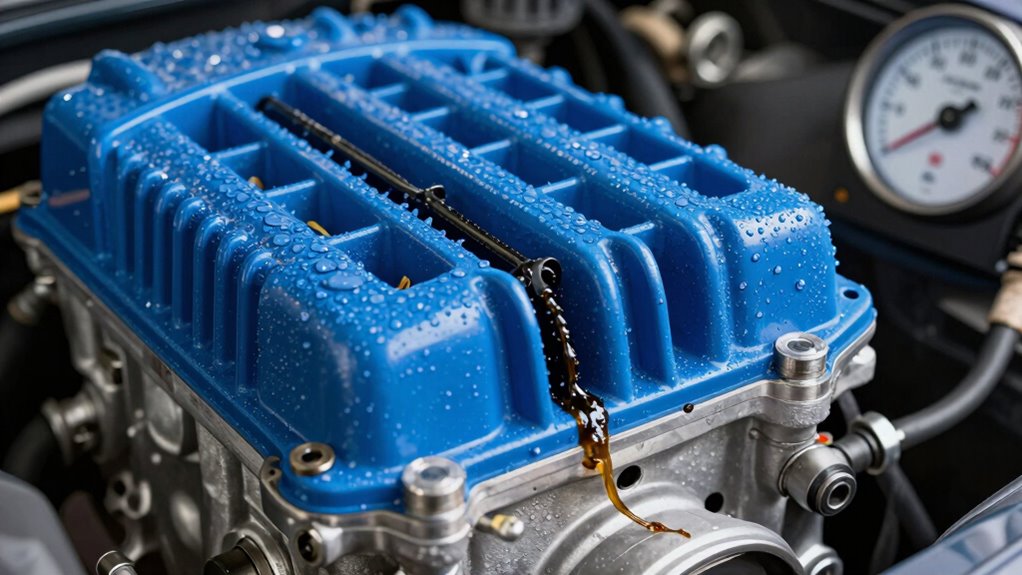
If your engine begins to overheat or you notice frequent temperature spikes, it signals that your cooling system may be compromised. Unusual oil consumption or darkened, low oil levels can indicate lubrication issues requiring immediate attention. Additionally, a sudden drop in engine performance or misfires often points to underlying oil or cooling system problems that could threaten long-term engine health. Regular maintenance and paying attention to security system features can help prevent such issues from escalating.
Overheating Symptoms Appear
When your engine begins to overheat, it’s a clear sign that the cooling or oil system is under stress and requires immediate attention. Recognizing overheating symptoms promptly can prevent severe engine damage. First, notice a sudden rise in coolant temperature gauge, indicating inadequate heat dissipation. Second, feel for abnormal engine temperature fluctuations, which suggest inconsistent cooling flow. Third, observe steam or coolant leaks, signifying potential system failure. These indicators reflect compromised thermal regulation, often caused by coolant circulation issues, faulty thermostats, or oil degradation. Addressing these symptoms quickly minimizes wear and prevents catastrophic failure. Regular monitoring of temperature gauges and coolant levels is essential for early detection. Proper maintenance ensures your engine’s longevity by keeping thermal management systems in excellent condition, including cooling system checks and oil quality. Additionally, maintaining proper RPM habits helps prevent unnecessary stress on the engine’s cooling and lubrication components, and understanding engine temperature patterns can aid in diagnosing underlying issues before they escalate. Recognizing thermal stress signs early can save you from costly repairs and extend your engine’s lifespan. Monitoring engine performance regularly can also help detect early signs of trouble, possibly avoiding costly repairs later.
Unusual Oil Consumption
Unusual oil consumption is a critical indicator that your cooling or oil system may be malfunctioning. Elevated oil usage can signal oil leaks, worn piston rings, or valve seals, leading to increased internal engine wear. Conversely, abnormally low oil levels might suggest leaks or improper oil management. Analyzing consumption patterns helps pinpoint issues, such as insufficient oil circulation caused by clogged filters or faulty pressure regulators. If your engine consumes oil faster than specified, it could indicate piston ring damage or cylinder wall scoring, both of which compromise sealing and lubrication. Regular maintenance and understanding engine performance signs can help you catch these issues early. Additionally, monitoring oil pressure and temperature readings can provide further insights into potential cooling or lubrication deficiencies. Recognizing oil consumption patterns is essential for maintaining optimal engine health and preventing costly repairs. It is also important to ensure that the oil quality remains adequate, as degraded oil can contribute to increased wear and engine inefficiency. Regular inspection for leaks, residue, or smoke allows you to identify underlying cooling or lubrication deficiencies early—preventing more severe damage and ensuring longevity of your Suzuki engine.
Engine Performance Drops
A sudden decline in engine performance often signals underlying issues with the cooling or oil systems. You might notice reduced acceleration, rough idling, or increased engine temperature. To diagnose, consider these key indicators:
- Overheating: Consistently high coolant temperatures suggest coolant flow problems or a failing thermostat.
- Oil Pressure Drop: Lower oil pressure can cause insufficient lubrication, leading to power loss and increased wear.
- Reduced Power Output: Engine bogging or sluggish responses often point to inadequate cooling or oil flow, impairing combustion efficiency.
These symptoms indicate that the cooling or oil system isn’t maintaining ideal conditions. Addressing these issues promptly prevents severe engine damage and prolongs your Suzuki’s lifespan. Regular maintenance and system checks are essential for sustained performance.
Routine Maintenance Practices to Protect Your Suzuki Engine
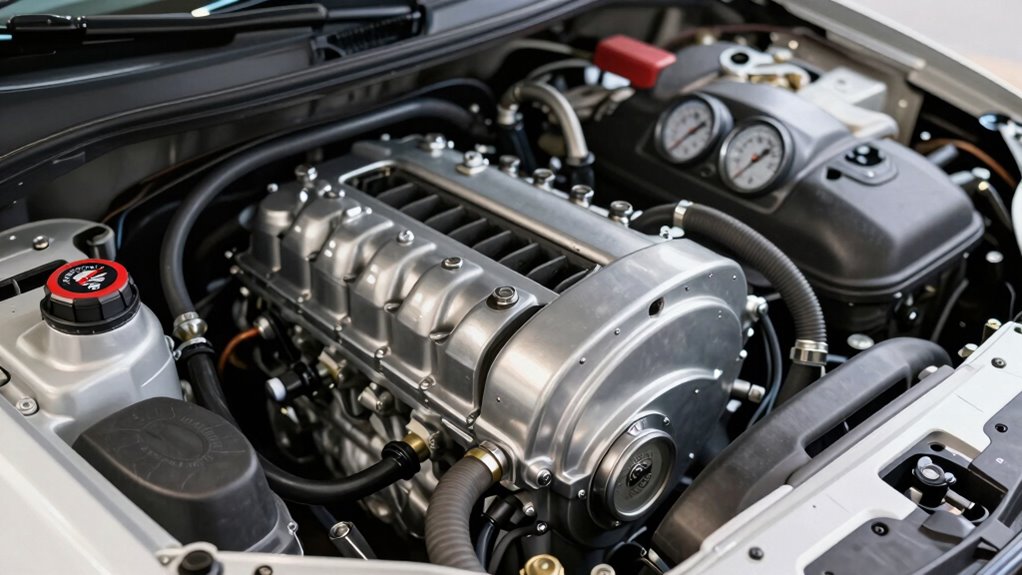
Regularly performing routine maintenance is essential to guarantee your Suzuki engine operates at peak efficiency and longevity. Consistent checks help prevent component wear and identify potential issues early. Focus on oil changes, coolant levels, and air filter replacements to maintain ideal thermal regulation. Neglecting these tasks can lead to increased friction, overheating, and accelerated wear.
| Maintenance Task | Frequency |
|---|---|
| Oil and filter change | Every 3,000 to 5,000 miles |
| Coolant level check and top-off | Monthly |
| Air filter replacement | Every 12,000 miles or annually |
Adhering to this schedule ensures proper lubrication, cooling, and airflow, which are critical for engine durability and performance. Proper maintenance minimizes stress on engine components, prolonging lifespan and reducing repair costs.
Common Mistakes That Shorten Your Suzuki’s Engine Life and How to Avoid Them
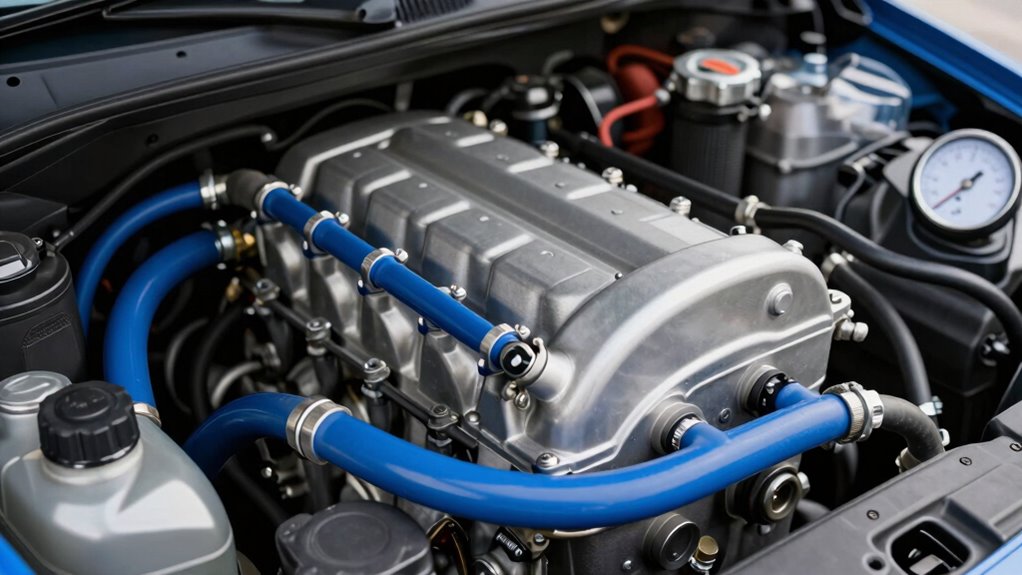
Neglecting proper maintenance routines and making preventable errors can substantially shorten your Suzuki’s engine lifespan. Common mistakes include:
- Ignoring oil change intervals: Using old or low-quality oil leads to increased friction and wear, accelerating engine degradation.
- Over-revving the engine: Consistently operating at high RPMs without proper cooling causes excessive thermal stress and component fatigue.
- Skipping cooling system checks: Failing to maintain or inspect the cooling system results in overheating, warping, and potential engine failure.
To avoid these issues, adhere strictly to scheduled oil changes, monitor RPMs during operation, and regularly inspect the cooling system. Recognizing and correcting these habits ensures lasting engine longevity and performance.
Frequently Asked Questions
How Does Ambient Temperature Affect Suzuki Engine Longevity?
Ambient temperature directly impacts your Suzuki engine’s longevity by influencing cooling efficiency. In high temperatures, your engine may overheat if cooling systems are insufficient, risking damage. Conversely, cold environments can cause sluggish oil flow, reducing lubrication. To maintain longevity, make certain your cooling system is properly maintained, use appropriate oil grades for the climate, and avoid operating at extreme temperatures. These steps help your engine perform at its best across varying ambient conditions.
Can Using Synthetic Oil Extend My Suzuki Engine’s Lifespan?
Using synthetic oil can subtly enhance your Suzuki engine’s longevity. Synthetic oils offer superior lubrication, better thermal stability, and reduced engine wear, especially under high RPMs or extreme temperatures. These qualities help maintain cleaner internals and minimize deposits, which can extend engine life. While not a magic bullet, switching to synthetic oil is a proactive step toward optimizing engine performance and durability, ensuring your engine runs smoothly for years to come.
What Is the Optimal RPM Range for Suzuki Engines?
You should keep your Suzuki engine’s RPM between 1,500 and 4,000 during normal operation. Operating within this range guarantees ideal fuel efficiency and minimizes stress on internal components. Avoid consistently running at high RPMs above 5,000, as this accelerates wear and heats the engine. Conversely, staying below 1,500 RPM may cause inadequate lubrication and poor performance. Maintaining this suitable range prolongs your engine’s lifespan and enhances reliability.
How Often Should Cooling System Components Be Inspected?
You should inspect your cooling system components every 50 hours of operation or at least once a season, whichever comes first. Regular inspections include checking hoses for cracks, clamps for tightness, and the water pump for leaks or corrosion. Promptly replace worn or damaged parts to prevent overheating. Consistent maintenance ensures ideal engine temperature regulation, extending your Suzuki engine’s lifespan and maintaining peak performance over time.
Do Aftermarket Modifications Impact Engine Durability?
Yes, aftermarket modifications can impact engine durability. Upgrading components like exhaust systems, intakes, or tuning software can alter airflow, fuel delivery, and temperature regulation. If not properly calibrated, these changes may increase stress on engine parts, leading to faster wear or overheating. Always verify modifications are compatible with your engine’s specifications and have them installed by professionals to maintain longevity and prevent damage.
Conclusion
Maintaining your Suzuki engine’s longevity depends on meticulous attention to cooling, oil habits, and RPM control. Neglecting these aspects can silently accelerate wear, causing unforeseen failures. As you fine-tune your routine, consider what unseen risks lurk beneath the surface—small oversights that could lead to costly repairs. Stay vigilant, follow best practices, and your engine’s lifespan could surpass expectations, but the true test lies in your ongoing commitment to precision. Are you prepared to keep it running forever?