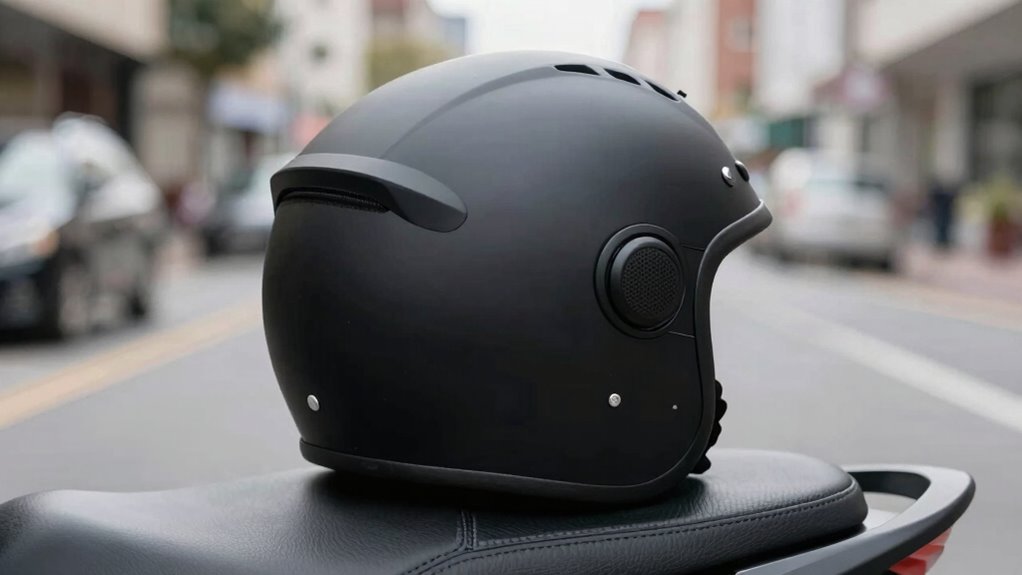

Even if your helmet is Bluetooth-ready, improper speaker pocket placement can ruin the experience. If pockets sit too low, off-center, or press uncomfortably against your ears, you’ll struggle with sound clarity and may be tempted to turn up the volume, risking hearing damage. Poor positioning also compromises safety and comfort on rides. To truly benefit from your tech features, make sure your speaker pockets are thoughtfully placed for safety, sound quality, and comfort. Want to discover how to get it right?

Get business pricing on garage and car supplies
- Business-only prices and quantity discounts
- Tax-exempt purchasing
- Multiple users, one account, clear invoices
Key Takeaways
- Speaker pockets should be positioned near the ears for optimal sound clarity and safety.
- Poor placement can cause discomfort, distraction, and reduced audio quality during rides.
- Misaligned pockets may interfere with helmet safety features and impact absorption.
- Proper placement reduces volume needs, protecting hearing and enhancing rider awareness.
- Integration of speaker pockets must prioritize safety, comfort, and durability for effective Bluetooth use.
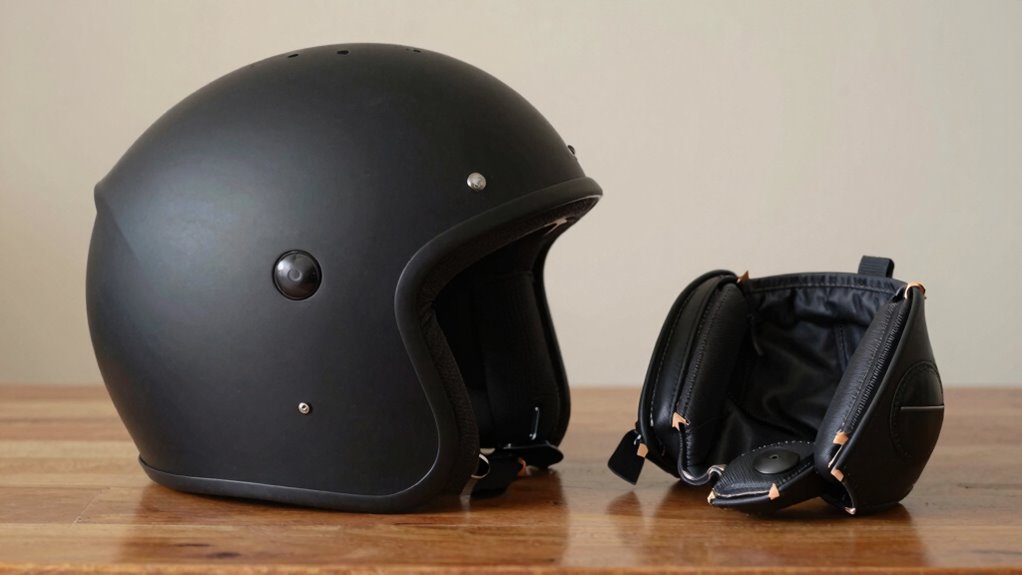
Even if your helmet boasts Bluetooth connectivity, it won’t matter much if the speaker pockets are poorly placed. The core of helmet safety isn’t just about having cool features; it’s about how well your helmet protects you during a fall or collision. But with the rise of Bluetooth-ready helmets, many riders get caught up in the tech without considering how speaker placement impacts safety and sound quality. If the speakers sit in the wrong spot, they can distract you or even compromise the helmet’s ability to absorb impact. Proper speaker placement is essential—not just for clear audio but also for maintaining your helmet’s integrity and your safety.
Proper speaker placement in helmets enhances safety, comfort, and sound quality during your ride.
When you look at helmet safety, you realize that any added features shouldn’t interfere with the helmet’s primary job: protecting your head. Poorly positioned speaker pockets can cause you to adjust the helmet frequently, which might lead to improper fit. A loose or ill-fitting helmet reduces safety, making it less effective in a crash. Furthermore, if the speakers are placed too low or off-center, they can press uncomfortably against your ears or head, distracting you when you need to focus most. The goal is to have speakers sit snugly yet comfortably, aligned with your ears, so sound is clear without compromising the helmet’s protective capabilities.
Good speaker placement also affects sound quality. If the speakers are placed haphazardly or in poorly designed pockets, you might find yourself straining to hear your music or GPS instructions. This can lead to increased volume levels, which might cause hearing damage or interfere with your awareness of your surroundings. When speaker pockets are designed properly, with placement that aligns with your ear canal, you get crisp, clear sound without cranking up the volume. That’s safer and more enjoyable, especially on long rides. Proper speaker placement is crucial not only for audio clarity but also for ensuring the helmet remains compliant with safety standards, which can sometimes be overlooked in the pursuit of high-tech features. Additionally, speaker design should consider how materials interact with sound transmission and durability over time. Ensuring that the speaker pockets are crafted with durable and sound-friendly materials helps maintain both sound quality and helmet longevity.
Furthermore, the material surrounding the speaker pockets matters. If they’re in areas prone to excessive movement or pressure, the speakers might shift or degrade quickly. This impacts both helmet safety and durability. You also want to ensure the pockets are easy to access for maintenance or if you need to remove the speakers quickly. Ultimately, the key is to choose a helmet where speaker placement is thoughtfully integrated into the design—one that respects helmet safety standards while offering the convenience of Bluetooth features. Proper placement ensures your ride remains safe, comfortable, and connected, without sacrificing protection for the sake of tech accessories. Additionally, speaker placement should be part of the overall helmet design process, emphasizing safety and comfort alongside technological features.
As an affiliate, we earn on qualifying purchases.
Frequently Asked Questions
How Do Speaker Pocket Locations Affect Helmet Safety?
Speaker pocket locations can substantially impact helmet safety by affecting your custom fit and overall comfort. Poorly placed pockets may cause uneven pressure, distracting you or compromising the helmet’s integrity during a crash. When speaker pockets are well-positioned, they enhance aesthetic design without sacrificing safety. Proper placement ensures your helmet maintains its protective function while providing a seamless, personalized audio experience, so you stay safe and stylish on the road.
Are There Universal Standards for Speaker Pocket Placement?
There aren’t universal standards for speaker pocket placement, which impacts aesthetic design and manufacturing costs. You might notice variations because manufacturers prioritize different factors, affecting how easily they can incorporate speaker pockets without compromising helmet integrity. This inconsistency means some helmets may not fit your preferred speaker setup well, potentially increasing costs if modifications are needed. Ultimately, the lack of standards makes choosing a helmet with ideal speaker pocket placement a more personalized and cost-aware decision.
Can Speaker Pocket Placement Impact Helmet Comfort?
Think of speaker pocket placement as the secret sauce for your helmet’s comfort—like a good pair of sneakers. If the pockets sit in the wrong spot, it can hurt speaker comfort and even ruin the aesthetic appeal. Proper placement guarantees sound quality and keeps your helmet comfortable during long rides. So, yes, where the pockets sit truly matters, affecting both how you enjoy your music and how good your helmet looks.
What Materials Are Best for Speaker Pockets?
You should choose speaker pockets made from durable, flexible materials like neoprene or mesh fabric. These materials provide good speaker material compatibility and withstand regular use without tearing or fraying. Look for pockets with reinforced stitching to enhance durability, especially around the edges. Durable materials guarantee your speaker pockets stay intact and functional, so you can enjoy clear audio without worrying about wear and tear affecting comfort or speaker placement.
Do Speaker Pockets Affect Helmet Ventilation?
Speaker pockets can impact helmet ventilation if they’re poorly designed or placed. If they block airflow or seal tightly, you might notice reduced ventilation, which can affect comfort during long rides. However, a well-designed speaker pocket maintains good airflow, ensuring your music quality stays high without sacrificing comfort. Aesthetic design also matters—well-integrated pockets look sleek and don’t compromise the helmet’s overall ventilation system.
Conclusion
So, even if your helmet boasts Bluetooth readiness, it’s pointless if the speaker pockets are poorly placed. You might think tech upgrades make all the difference, but if the sound doesn’t reach you properly, what’s the point? Isn’t comfort and functionality just as important as the latest features? Ultimately, it’s about balancing innovation with practicality—because no matter how advanced your helmet, if you can’t hear clearly, it defeats the purpose.
Fall Picks
fall essentials
As an affiliate, we earn on qualifying purchases.