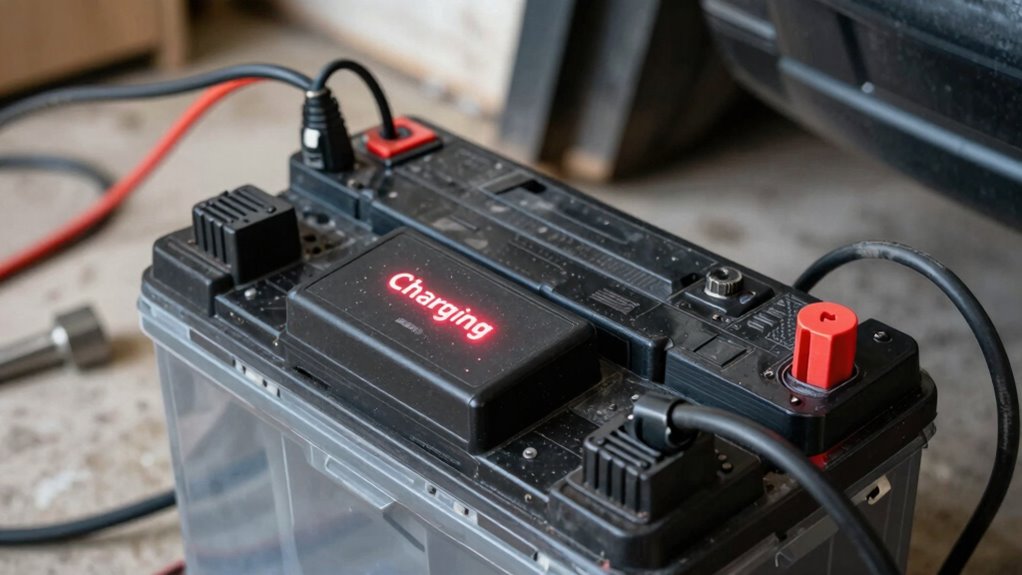

Leaving your battery tender on the wrong mode can cause serious problems. It might lead to overheating, swelling, or leaks, putting your safety at risk. Using an incompatible setting can also overcharge or undercharge your battery, reducing its lifespan and performance. This improper use can damage your battery and nearby equipment over time. To avoid these hazards and keep your battery healthy, understanding correct mode selection is essential—there’s more to discover if you keep going.
Listen free for 30 days with Audible
Thousands of audiobooks and originals — cancel anytime.
As an affiliate, we earn on qualifying purchases.
Key Takeaways
- Using the wrong mode can lead to overheating, swelling, or leaks, risking battery safety.
- Incorrect settings cause overcharging or undercharging, degrading battery health over time.
- Leaving a tender on an unsuitable mode reduces charging efficiency and prolongs charging time.
- Improper mode selection accelerates internal battery damage, decreasing lifespan and performance.
- Failing to adjust the mode for specific battery types increases safety hazards and equipment wear.
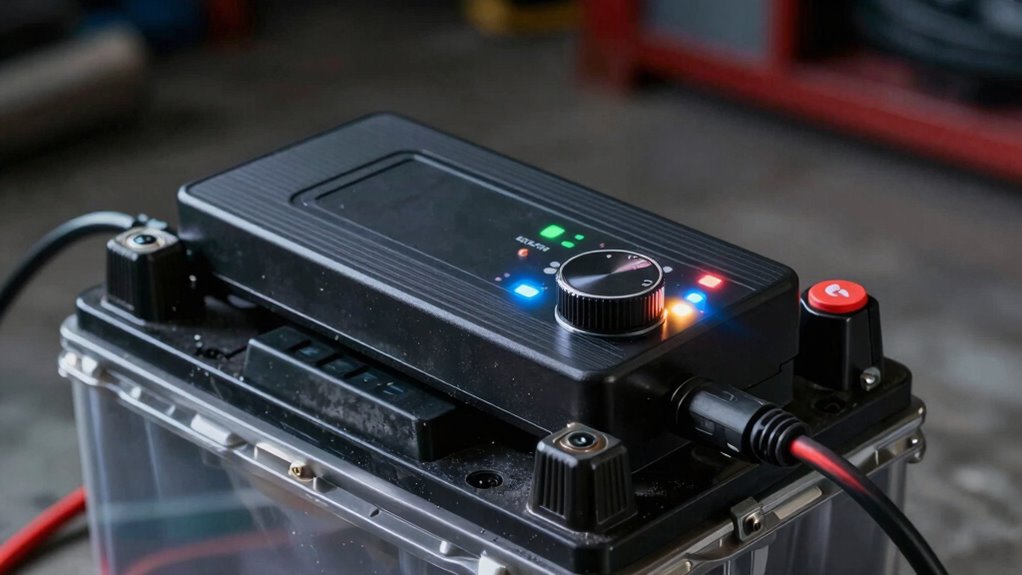
Many people overlook the importance of setting their battery tender to the correct mode, but doing so can cause serious problems. When you leave your battery tender on the wrong setting, it can compromise battery safety and reduce charging efficiency. This oversight might seem minor, but it can lead to long-term damage to your battery or even pose safety risks. Properly selecting the right mode ensures that your battery receives the appropriate charge without overloading or undercharging, which is essential for maintaining its health and performance.
Setting your battery tender to the correct mode ensures safety, efficiency, and long-term battery health.
Battery safety is paramount, and using the incorrect mode on your tender can jeopardize it. For example, if you set a tender meant for deep-cycle batteries to a regular car battery setting, it might deliver too much or too little current. This imbalance can cause overheating, swelling, or even leaks, all of which threaten safety. Conversely, leaving the tender on a mode not suited to your specific battery type can lead to undercharging, leaving your battery in a weakened state that’s more prone to failure. Always check your battery type and match it precisely with the tender’s suggested mode to prevent these hazards.
Charging efficiency is another critical factor impacted when you use the wrong mode. When your battery tender isn’t configured properly, it either charges too slowly or pushes too much current at the wrong times. This inefficiency means you’re not getting the most out of your charger, and your battery might not reach full capacity. Over time, this results in decreased battery lifespan and increased energy waste. Proper mode selection ensures the charger delivers current at the ideal rate, maximizing charging efficiency and prolonging your battery’s life. Additionally, incorrect settings can cause unnecessary strain on the charger components themselves, reducing its overall lifespan. Understanding battery chemistry and how it interacts with different charging modes can further help you optimize your charging process. Regularly inspecting your charger settings can also prevent inadvertent damage and ensure consistent performance.
Additionally, leaving your battery tender on an incorrect mode can cause unnecessary wear and tear. Overcharging, for instance, can lead to gradual degradation of internal components, diminishing the battery’s overall capacity. On the other hand, undercharging prevents the battery from fully recovering, which can cause it to become sluggish or fail prematurely. To avoid these issues, always double-check the mode before you connect your tender and monitor it periodically during charging sessions. Proper battery maintenance practices can significantly extend your battery’s lifespan and performance. Being aware of battery chemistry and how different modes interact with it can further help you make informed decisions about your charging process. Remember, correct mode selection plays a crucial role in safeguarding your investment and ensuring reliable performance over time.
As an affiliate, we earn on qualifying purchases.
Frequently Asked Questions
How Do I Know if My Battery Tender Is on the Correct Mode?
To know if your battery tender is on the correct mode, check the indicator lights or display, which usually show charging status. Make sure it matches your battery’s compatibility—lead-acid or AGM. Follow the manufacturer’s instructions to select the right mode, whether for maintenance or charging. This helps prevent issues from improper charging cycles, prolonging your battery life and avoiding damage. Always double-check settings before leaving it unattended.
Can Leaving a Battery Tender on the Wrong Mode Damage My Vehicle?
Leaving a battery tender on the wrong mode can cause damage, especially to your vehicle’s battery. Did you know that improper charging can reduce battery lifespan by up to 20%? This impacts battery safety and decreases charging efficiency. When you leave your tender in the wrong mode, it might overcharge or undercharge, risking damage to your vehicle’s electrical system. Always double-check the mode to guarantee ideal battery health and safety.
What Are the Signs Indicating a Battery Tender Is Malfunctioning?
You’ll notice signs like slow engine starts, dim headlights, or frequent radio issues indicating your battery tender might be malfunctioning. These problems can reduce your battery’s lifespan and lower charging efficiency. If the tender’s indicator lights flicker or don’t change as expected, it’s a sign it’s not working properly. Check for overheating or a burning smell, which also suggest a malfunction, and replace or repair the tender promptly to protect your vehicle’s electrical health.
Are There Specific Brands More Prone to Mode Errors?
Did you know that nearly 30% of battery tender issues stem from mode confusion? Some brands, like CTEK and NOCO, are known for better reliability, reducing the risk of mode errors. However, cheaper or less reputable brands sometimes lack clear indicators, increasing chances of incorrect mode selection. To avoid problems, stick to trusted brands and always double-check the selected mode before leaving your tender unattended.
How Often Should I Check My Battery Tender Settings?
You should check your battery tender settings weekly to guarantee charging safety and proper maintenance. Regularly verifying the mode prevents overcharging or damaging your battery, especially if the tender has multiple modes. Follow maintenance tips like disconnecting the tender when not in use and keeping an eye on indicator lights. Consistent checks help maintain battery health and extend its lifespan, avoiding problems caused by incorrect mode settings.
Conclusion
Are you really saving your battery by leaving your tender on the wrong mode? It’s easy to forget, but this mistake can lead to problems like overcharging or damaging your battery. Always double-check your device’s settings before leaving it unattended. Isn’t it worth taking a moment to make certain your battery stays healthy and lasts longer? Paying attention now can save you headaches and money down the road. Don’t let a simple mistake cost you your vehicle’s power.
Flea & tick season Picks
flea and tick prevention
As an affiliate, we earn on qualifying purchases.