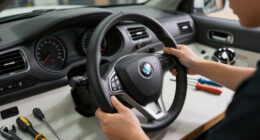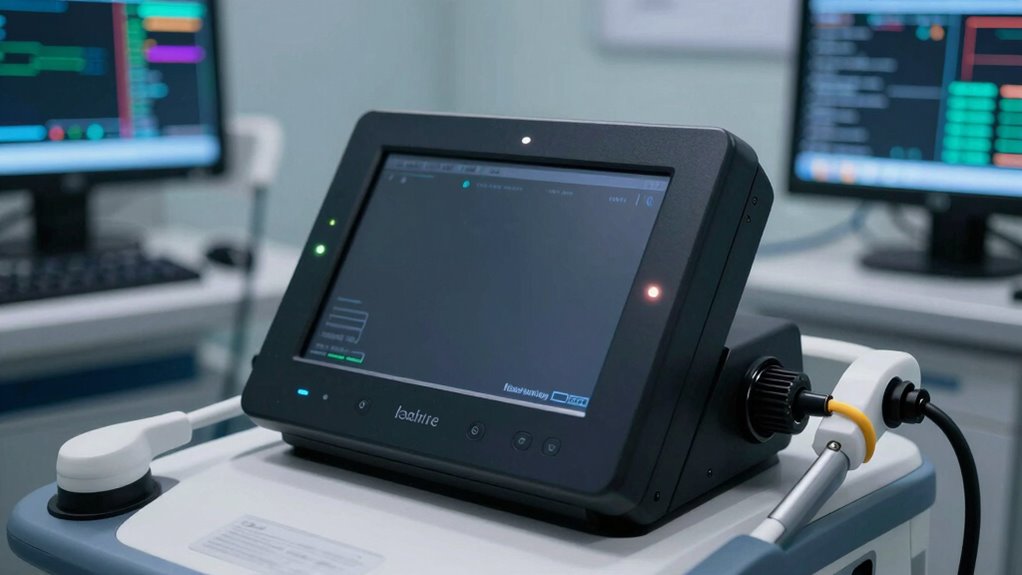
Diagnostic scanners can seem magical, instantly revealing hidden vehicle issues with fault codes and live sensor data. However, their power is limited by brand restrictions, which often restrict access to certain data or codes. When you hit these limitations, troubleshooting becomes harder and less accurate. Regular software updates are key to expanding coverage and maintaining reliability. If you want to understand how to keep your scanner effective despite these restrictions, keep exploring further.
Key Takeaways
- Diagnostic scanners can quickly reveal vehicle issues but often face data restrictions due to brand-specific limitations.
- Brand restrictions prevent access to certain fault codes and data streams, reducing diagnostic accuracy.
- Regular software updates expand vehicle coverage and improve data access, mitigating brand restriction effects.
- Outdated software hampers the scanner’s ability to diagnose new vehicle systems, causing incomplete or inaccurate results.
- Maintaining up-to-date software and understanding data limitations ensures reliable diagnostics across different vehicle brands.
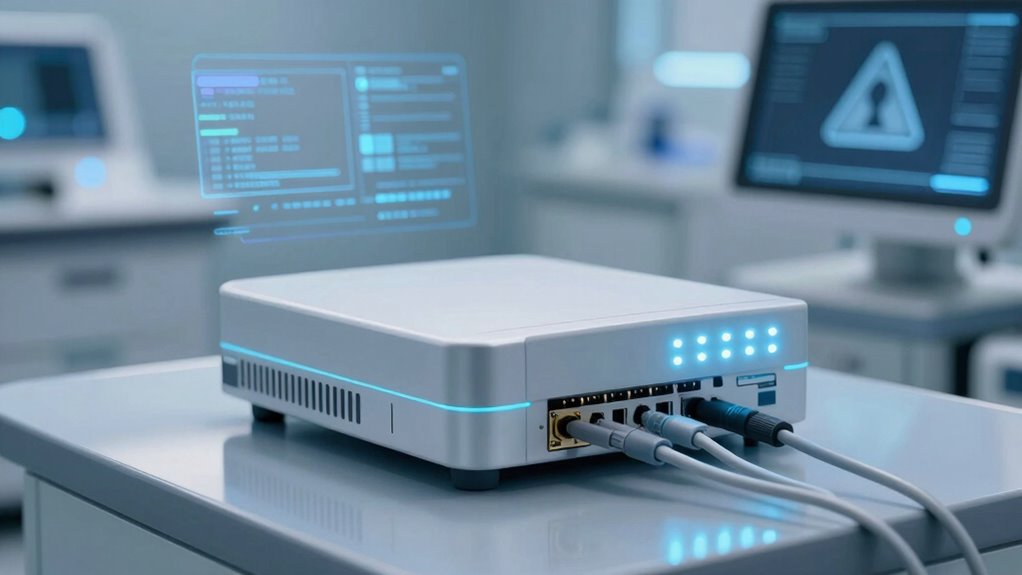
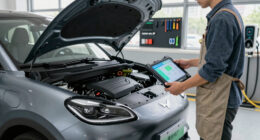
Diagnostic scanners often seem like magic tools that instantly reveal a vehicle’s hidden issues, making repairs feel straightforward and efficient. With just a plug-in and a few button presses, you’re able to see fault codes, live sensor data, and sometimes even suggest fixes. It’s a powerful experience, especially when you consider how much information these devices can pack into a compact interface. The key to this magic lies in how well the scanner integrates data from various vehicle systems and keeps itself current through regular software updates. When everything works seamlessly, you get rapid, reliable diagnostics that save time and reduce guesswork.
Diagnostic scanners reveal vehicle issues quickly by integrating system data and staying current with regular software updates.
However, this magic can fade quickly if you run into brand-limited data. Many scanners are designed to work best with specific makes or models, meaning their data integration isn’t universal. As a result, you might find yourself stuck with incomplete information, unable to access certain codes or live data streams. This limitation becomes glaring when you’re troubleshooting a complex issue that requires comprehensive data from multiple systems. When data is limited, diagnostics become guesswork again, and the process can drag on longer than necessary. That’s especially frustrating if you’ve invested in a device that promised broad compatibility but falls short in practice.
Software updates are crucial to maintaining the magic of your diagnostic scanner. Manufacturers regularly release updates to expand vehicle coverage, improve data accuracy, and fix bugs. When you neglect these updates, your scanner’s ability to access the latest vehicle systems diminishes, leaving you with outdated or incomplete data. This can lead to misdiagnoses or missed faults altogether. Staying current with software updates is an investment in your tool’s reliability, ensuring that you’re always working with the newest vehicle information available. It’s also essential for integrating new vehicle models and systems that come out each year. Additionally, software support often plays a vital role in ensuring that your device remains compatible with a wide range of vehicles over time.
In essence, the true power of a diagnostic scanner relies on smooth data integration and frequent software updates. When these elements are in harmony, you experience that almost magical ability to quickly pinpoint problems and get vehicles back on the road. But when data becomes limited—either due to brand restrictions or outdated software—the magic fades, and troubleshooting becomes a more tedious, less reliable process. To keep your diagnostic tool performing at its best, you need to stay proactive about updates and understand its data limitations. Only then can you truly harness the full potential of this seemingly magical technology.
OBD2 diagnostic scanner with vehicle coverage
As an affiliate, we earn on qualifying purchases.
As an affiliate, we earn on qualifying purchases.
Frequently Asked Questions
Can Diagnostic Scanners Read All Vehicle Makes and Models Equally?
No, diagnostic scanners don’t read all vehicle makes and models equally. Sensor compatibility varies, so some scanners work better with certain brands. When you use a scanner, make sure it’s compatible with your vehicle’s sensors for maximum data accuracy. Brand-limited data can restrict readings, making it harder to diagnose issues. To get the most accurate results, choose a scanner known for broad compatibility and reliable data across different vehicle makes and models.
How Often Do Brand Limitations Affect Scanner Updates?
Brand limitations often slow down scanner updates due to manufacturer restrictions, which can be frustrating. These restrictions mean software compatibility isn’t always seamless across brands, leading to delays in accessing the latest diagnostic data. Typically, updates are released as needed, but the frequency depends on each manufacturer’s schedule. So, while tools seem reliable, expect occasional pauses in data flow, especially when new vehicle models hit the market.
Are There Universal Scanners That Bypass Brand Restrictions?
Yes, there are universal scanners that bypass brand restrictions, offering broad compatibility across various vehicle makes and models. These scanners promote easier troubleshooting through scanner customization, allowing you to access more data and features without being limited by brand-specific protocols. By choosing a universal scanner, you gain flexibility, saving you time and money, and ensuring you can diagnose diverse vehicles efficiently without constantly switching tools or software.
What Are the Best Ways to Upgrade Brand-Limited Scanners?
To upgrade brand-limited scanners, you should focus on firmware updates from the manufacturer, which can release additional features and improve compatibility. Be cautious of compatibility issues that might arise during updates, so always verify your scanner model and the firmware version. Sometimes, community-developed software or third-party tools can help bypass restrictions, but they may risk voiding warranties or creating security vulnerabilities. Always research thoroughly before attempting upgrades.
Do Brand-Limited Scanners Impact Vehicle Warranty Coverage?
Ever wonder if using a brand-limited scanner could jeopardize your vehicle’s warranty? They can, because brand restrictions and warranty implications mean that if you use incompatible tools, manufacturers might deny warranty claims. These scanners often lack full diagnostic capabilities, leading to potential oversight. To protect your warranty, always check if the scanner is approved for your vehicle’s make and model, and consider investing in an open-source or universal device.
automotive code reader with software updates
As an affiliate, we earn on qualifying purchases.
As an affiliate, we earn on qualifying purchases.
Conclusion
So, next time you’re marveling at your diagnostic scanner’s magic, remember that even the most advanced tech hits a brick wall—kind of like trying to send a telegram in the age of instant messaging. Brand limitations can turn that awe into frustration faster than you can say “Eureka!” Don’t let “brand-limited data” turn your shiny tool into a pumpkin—stay savvy, and keep pushing beyond the boundaries of what’s given.
professional car diagnostic tool
As an affiliate, we earn on qualifying purchases.
As an affiliate, we earn on qualifying purchases.
brand-specific vehicle diagnostic scanner
As an affiliate, we earn on qualifying purchases.
As an affiliate, we earn on qualifying purchases.