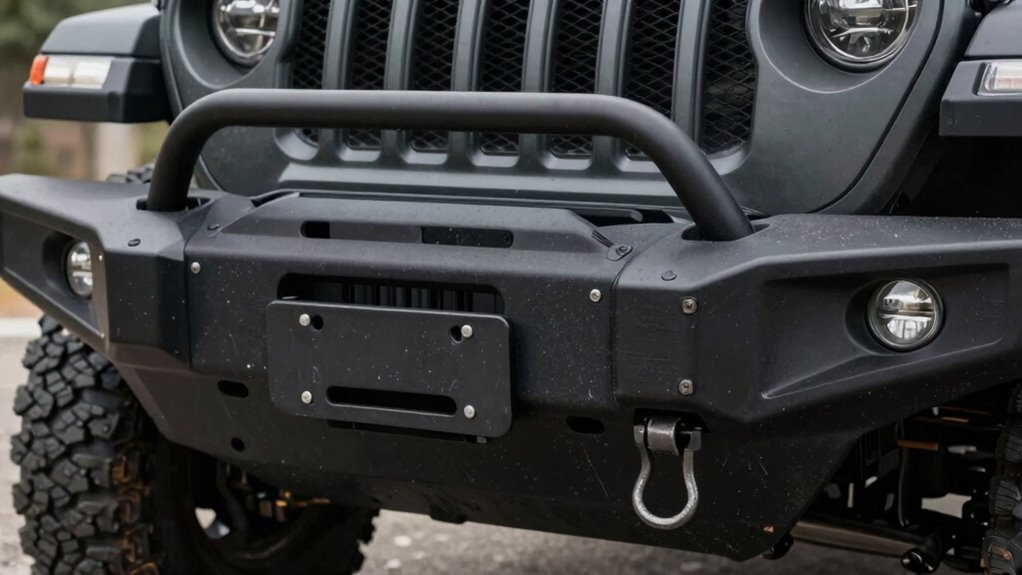

Bumper kits do boost your vehicle’s protection and improve its look, but they also add weight that you’ll feel in handling, braking, and off-road performance. The extra mass can make acceleration slightly slower, increase stopping distances, and affect maneuverability, especially on rough terrain. Heavier bumpers put more strain on your suspension and brakes over time. To get the most out of your upgrades, understanding how weight influences performance is key—keep exploring to learn more about managing these effects.

Get business pricing on garage and car supplies
- Business-only prices and quantity discounts
- Tax-exempt purchasing
- Multiple users, one account, clear invoices
Key Takeaways
- Bumper kits improve vehicle protection by absorbing impacts from obstacles and collisions.
- They increase weight, which can slightly reduce acceleration and extend stopping distances.
- Extra mass affects vehicle handling, maneuverability, and off-road approach angles.
- Reinforced bumpers put additional strain on suspension and brake components over time.
- Proper weight management ensures safety, maintains performance, and maximizes the benefits of bumper upgrades.
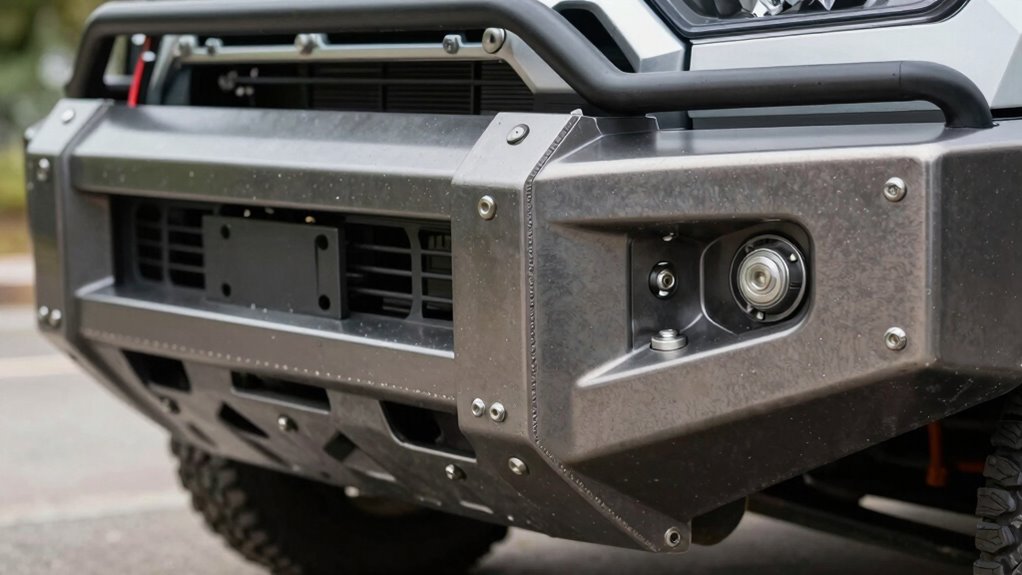
Bumper kits are a popular upgrade for vehicle owners looking to enhance protection, but they also come with a significant drawback: added weight. When you install a new bumper kit, you’re not just upgrading your vehicle’s defenses—you’re also increasing its overall mass. This extra weight can influence how your vehicle handles, especially when it comes to driving off-road or maneuvering tough terrain.
One of the main reasons people choose bumper kits is for aesthetic enhancement. A well-designed bumper can give your vehicle a more aggressive, customized look that sets it apart from stock models. Whether you’re aiming for a rugged appearance or a sleek, modern style, a bumper kit can dramatically change your vehicle’s visual appeal. But keep in mind, aesthetic improvements often come with a trade-off: the added weight might affect your vehicle’s agility and fuel efficiency. You’ll notice that your acceleration might slow down slightly, and stopping distances could increase, especially if the bumper is made from heavy-duty steel or other dense materials.
Aesthetic upgrades boost your vehicle’s look but may slightly reduce agility and fuel efficiency due to added weight.
On the other hand, if you’re into off-road adventures, durability is a critical factor. Bumper kits designed for off-road use are built to withstand impacts from rocks, branches, and other obstacles. They often feature reinforced construction, skid plates, and mounting points for winches or additional accessories. While these features boost off-road durability, they also add considerable weight. That extra weight can influence your vehicle’s approach and departure angles, making it a bit more challenging to maneuver tight spots or steep inclines. You might also notice increased strain on suspension components and brakes, which can lead to quicker wear over time. Additionally, understanding the vehicle weight distribution can help you better manage how your vehicle responds after installing a bumper kit. It’s also important to consider vehicle handling to ensure safe driving performance with the added weight. Recognizing the importance of vehicle dynamics can help you make more informed modifications to optimize your vehicle’s capabilities. Properly accounting for the impact of weight on your vehicle’s performance can make a significant difference in how it drives and responds on different terrains. Plus, the aesthetic upgrade can boost your vehicle’s overall appeal, making it look tougher and more capable.
In summary, weight management and careful planning are essential when upgrading your vehicle with a bumper kit, especially if off-road performance is a priority.
As an affiliate, we earn on qualifying purchases.
Frequently Asked Questions
Do Bumper Kits Affect Fuel Efficiency Significantly?
Yes, bumper kits can affect your fuel efficiency, mainly through their impact on fuel consumption and aerodynamics. The added weight from the bumper kit makes your vehicle work harder, increasing fuel use. Additionally, if the bumper kit alters your vehicle’s aerodynamics, it can create more drag, which also lowers fuel efficiency. So, while they offer protection, they may cause you to burn more fuel on your trips.
Are Bumper Kits Easier to Install Than Stock Bumpers?
Bumper kits are generally easier to install than stock bumpers because they’re designed for quick, straightforward mounting, often requiring fewer tools and less time. While they offer aesthetic enhancement, you should also consider the cost implications. They can be more affordable than custom replacements, but make sure you weigh the benefits of improved appearance and protection against installation ease and your budget.
Can Bumper Kits Be Removed Without Damage?
Removing bumper kits is like peeling away a carefully applied paint protection layer—possible without damage if done gently. You’ll need patience and proper tools to avoid scratches or cracks, especially since installation durability varies with how securely they’re attached. If you proceed carefully, you can detach the kit without harming your vehicle’s paint or structure, but rushing could leave marks or damage, making reinstallation tricky.
Do Bumper Kits Improve Off-Road Performance?
Yes, bumper kits can improve off-road performance by enhancing design aesthetics and material durability, providing better protection against rough terrain. They typically reinforce your vehicle’s front and rear, making it more resilient to impacts. Keep in mind, however, that added weight can affect handling and fuel efficiency. Overall, if you choose a sturdy, well-designed bumper kit, it boosts your off-road capabilities while maintaining your vehicle’s rugged look.
Are There Legal Restrictions on Aftermarket Bumper Kits?
You should know that aftermarket bumper kits often come with legal restrictions, so you stay within legal compliance and avoid fines. Think of it like walking a tightrope—you need to balance style and protection with local regulations. Many regions have specific aftermarket regulations on bumper height, weight, and material. Always check with local authorities or consult your vehicle’s guidelines to verify your bumper kit complies, preventing any legal bumps along the road.
Conclusion
Think of bumper kits as a sturdy shield wrapped around your vehicle—offering solid protection, yet adding extra weight like a backpack full of bricks. While they guard against dings and dents, they also make your ride feel a bit slower, like dragging a heavy anchor. Weigh the benefits carefully—sometimes, a lighter touch can keep your journey smoother and more agile, letting you glide through the road’s twists and turns without feeling weighed down by added armor.
Halloween Picks
halloween
As an affiliate, we earn on qualifying purchases.