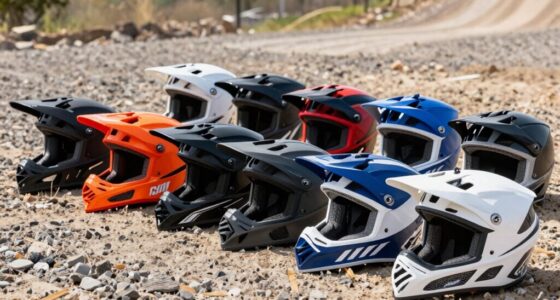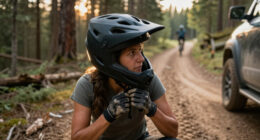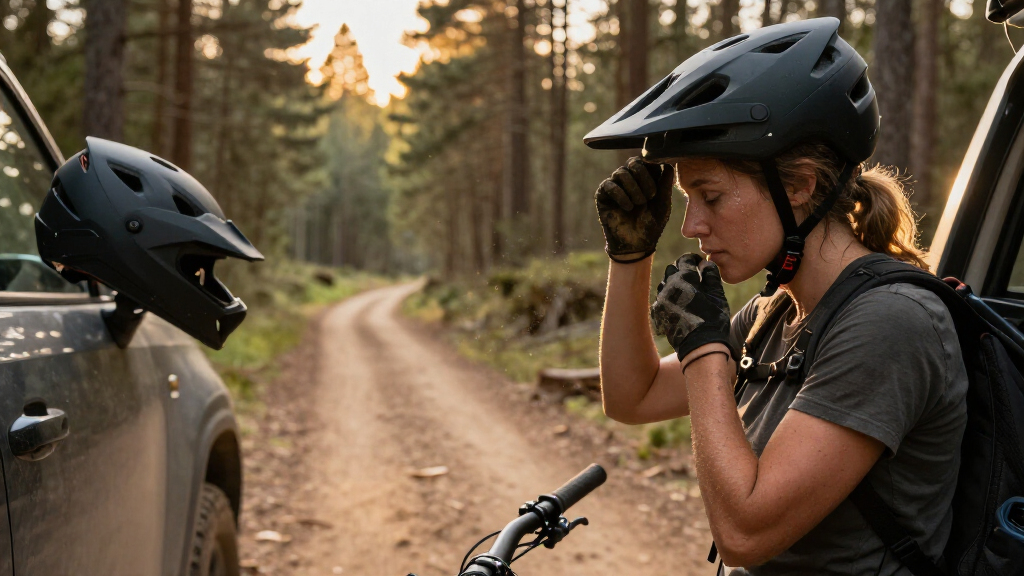
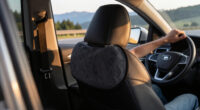
The Giro Fixture II MIPS earns my top spot among the best mountain bike helmets because it combines proven MIPS rotational-impact protection with a comfortable universal fit and trail-ready coverage at a mid-range price. Close behind, the Smith Engage MIPS stands out for riders who want lighter weight and premium ventilation, while the Fox Racing Speedframe offers a step-up visor and dial fit system without the premium price tag. The main tradeoff in this category is between budget models like the Favoto and BATFOX helmets, which deliver basic protection and visors for casual trail riding, and premium MIPS-equipped helmets that cost more but add rotational impact management and better adjustability. Full-face options like the Fly Racing Rayce occupy a separate niche for downhill and jump-oriented riders who need chin-bar protection. Keep reading for the full breakdown of all 15 helmets and which one fits your riding style and budget.

Get business pricing on garage and car supplies
- Business-only prices and quantity discounts
- Tax-exempt purchasing
- Multiple users, one account, clear invoices
Complete the kit


Key Takeaways
- MIPS technology was the single biggest differentiator in this roundup: the Giro Fixture line, Smith Engage, OutdoorMaster Gem and Fox Speedframe all include it, while every helmet under the mid-price tier (Favoto, BATFOX, Exclusky, ANY PASS, Bosoar) skips it entirely.
- The Giro Fixture appears three times in near-identical forms (Fixture MIPS, Fixture II, and a Fixture II colorway), so buyers should compare sizes and colors rather than assuming they are different helmets — the X-Large version is the only one fitting heads above 61 cm.
- Visor design separates trail helmets from recreational ones: the Fox Speedframe’s adjustable visor and the detachable visors on the ANY PASS and Bosoar offer more flexibility than the fixed visors on the budget Favoto and Exclusky models.
- The Fly Racing Rayce is the only full-face option here, making it the sole pick for downhill, bike park and BMX use — but it trades ventilation and weight for chin-bar protection, so it is overkill for cross-country trail riding.
- Budget helmets under the mid-price tier cluster around the same feature set (removable pads, dial fit, basic visor), so choosing between Favoto, BATFOX and Exclusky comes down to fit and sizing rather than meaningful performance differences.
| Favoto Mountain Bike Helmet for Adult Men & Women, MTB Helmet with Visor |  | Best Value Pick | Brand: Favoto | Model: B025 | Weight: 335 g (11.8 oz) | VIEW LATEST PRICE | See Our Full Breakdown |
| Fox Racing Speedframe Adult Mountain Bike Helmet |  | Best Overall | Brand: Fox Racing | Model: Speedframe Helmet Solid | Protection System: Mips | VIEW LATEST PRICE | See Our Full Breakdown |
| Fly Racing Rayce Full-Face Mountain Bike and BMX Helmet |  | Best for Downhill and Gravity Riding | Shell: Poly-alloy | Liner: EPS; removable and washable | Certifications: ASTM F1952-15, CPSC 1203, CE EN1078 | VIEW LATEST PRICE | See Our Full Breakdown |
| BATFOX Mountain Bike Helmet with Visor for Men, Women, Adults & Youth |  | Best for Families and Shared Use | Brand: BATFOX | Model: LA303 | Safety Certifications: CPSC, ASTM F1447, CE | VIEW LATEST PRICE | See Our Full Breakdown |
| Favoto Mountain Bike Helmet for Adults with Visor |  | Best Budget Commuter Option | Shell: Dual-layer PC | Foam: 20 mm EPS | Weight: 335 g (11.8 oz) | VIEW LATEST PRICE | See Our Full Breakdown |
| BATFOX LA303 Mountain Bike Helmet with Visor for Adults and Youth | | Best for Shared Family Use | Brand: BATFOX | Model: LA303 | Safety Certifications: CPSC, ASTM F1447, CE | VIEW LATEST PRICE | See Our Full Breakdown |
| Exclusky Adult Mountain Bike Helmet with Visor |  | Best Budget Commuter Pick | Material: PVC, PC, EPS foam | Fit System: Single-hand dial adjustment | Visor: Movable, raises upward | VIEW LATEST PRICE | See Our Full Breakdown |
| Giro Fixture MIPS Bike Helmet, Matte Black/Grey, Universal Adult (54–61 cm) |  | Best MIPS Value | Color: Matte Black/Grey | Size Range: 54–61 cm universal adult | Fit System: Roc Loc Sport | VIEW LATEST PRICE | See Our Full Breakdown |
| Giro Fixture II MIPS Mountain Bike Helmet – Matte Titanium, Universal X-Large (58-65 cm) |  | Best Ventilation | Brand: Giro | Model Number: 7149901 | Color: Matte Titanium | VIEW LATEST PRICE | See Our Full Breakdown |
| ANY PASS Adult Mountain Bike Helmet with Adjustable Fit and Removable Visor |  | Best Lightweight All-Rounder | Brand: ANYPASS | Safety Standard: U.S. CPSC | Materials: EPS foam core, PC outer shell | VIEW LATEST PRICE | See Our Full Breakdown |
| OutdoorMaster Gem MIPS Recreational Cycling Helmet |  | Best Multi-Sport Budget Pick | Safety system: MIPS | Liners: Two removable liners, 0.23 and 0.31 inches thick | Fit adjustment: Adjustment dial | VIEW LATEST PRICE | See Our Full Breakdown |
| Giro Fixture MIPS II Adult Bike Helmet – Matte Dark Sage |  | Best Everyday Trail Helmet | Brand: Giro | Model: Fixture MIPS II | Color: Matte Dark Sage | VIEW LATEST PRICE | See Our Full Breakdown |
| Smith Engage MIPS Mountain Bike Helmet |  | Best Premium Protection | Brand: Smith | Model: Engage MIPS (E00757) | Helmet type: Mountain bike | VIEW LATEST PRICE | See Our Full Breakdown |
| Fox Racing Speedframe Mountain Bike Helmet |  | Best for Goggle Riders | Protection: Mips rotational impact protection system | Ventilation: Channeled, in-molded EPS | Liner: Removable, washable, moisture-wicking | VIEW LATEST PRICE | See Our Full Breakdown |
| Bosoar Adult Mountain Bike Helmet with Camera Mount and Detachable Visor |  | Best for Content Creators | Model: GH-17 | Weight: 310 g | Fit range: 55–61 cm (21.6–24 in) | VIEW LATEST PRICE | See Our Full Breakdown |
| mountain bike helmet | Visor | Brand | Ventilation |
|---|---|---|---|
| Favoto Mountain Bike Helmet fo | — | Favoto | — |
| Fox Racing Speedframe Adult Mo | Adjustable; sunglasses and goggle compatible | Fox Racing | Channeled, in-molded EPS |
| Fly Racing Rayce Full-Face Mou | Adjustable with aluminum hardware | — | TFV system with intake and exhaust ports |
| BATFOX Mountain Bike Helmet wi | — | BATFOX | — |
| Favoto Mountain Bike Helmet fo | — | — | — |
| BATFOX LA303 Mountain Bike Hel | Yes, large fixed visor | BATFOX | — |
| Exclusky Adult Mountain Bike H | Movable, raises upward | — | — |
| Giro Fixture MIPS Bike Helmet | — | — | — |
| Giro Fixture II MIPS Mountain | — | Giro | 18 Wind Tunnel vents with internal channeling |
| ANY PASS Adult Mountain Bike H | Removable | ANYPASS | 17 vents |
| OutdoorMaster Gem MIPS Recreat | Removable | — | 25 vents |
| Giro Fixture MIPS II Adult Bik | — | Giro | — |
| Smith Engage MIPS Mountain Bik | Adjustable to two positions | Smith | 20 fixed vents |
| Fox Racing Speedframe Mountain | One-hand adjustable; sunglasses and goggle compatible | — | Channeled, in-molded EPS |
| Bosoar Adult Mountain Bike Hel | Removable | — | 15 vents |
More Details on Our Top Picks
Favoto Mountain Bike Helmet for Adult Men & Women, MTB Helmet with Visor
This option stands out for packing features usually reserved for pricier helmets into a budget-friendly package: a dual-layer PC shell, 20 mm EPS foam, and a magnetic one-hand buckle that works even with gloves on. Compared with the BATFOX LA303, the Favoto adds the magnetic closure and NTA 8776 certification — a standard aimed at higher-speed e-bike riding — which the BATFOX lacks. The 335 g weight also undercuts the Fly Racing Rayce full-face by a wide margin, making it far more comfortable for long pedal-heavy days. The tradeoff is refinement: the visor is fixed rather than adjustable like the Fox Speedframe’s, and it can block upward visibility on steep climbs. There’s also less size and color guidance available, so fit uncertainty is a real risk when ordering.
Pros:- Dual-shell construction with 20 mm EPS foam for strong impact absorption
- Magnetic one-hand buckle, workable with gloves
- NTA 8776 certification suits higher-speed e-bike use
- Light 335 g build and rear sunglasses cord for all-day rides
Cons:- Fixed visor can obstruct upward visibility on steep terrain
- Limited size and color information makes fit a gamble
Best for: Budget-conscious trail and e-bike riders who want NTA 8776 certification and convenience features without a premium price
Not ideal for: Riders who need precise sizing information before buying, or aggressive descenders who want an adjustable visor
- Brand:Favoto
- Model:B025
- Weight:335 g (11.8 oz)
- Shell:Dual-layer PC
- Foam:20 mm high-density EPS
- Buckle:Magnetic one-hand closure
- Safety Standards:CPSC, CE, NTA 8776
- Extras:Rear glasses strap, removable visor
- Warranty:1 year
Our verdict“A smart buy for e-bike commuters and casual trail riders who want certified protection and clever features at a low price.”
Fox Racing Speedframe Adult Mountain Bike Helmet
The Speedframe earns the top spot because it nails the protection-to-comfort balance most trail riders actually need. Its Mips liner addresses rotational forces during oblique impacts — something none of the Favoto or BATFOX models in this lineup offer — while the 360-degree fit system and moisture-wicking washable liner keep it comfortable across long rides. The adjustable visor is genuinely goggle-compatible, a step up from the fixed visors on the BATFOX LA303. Compared with the Fly Racing Rayce, it gives up chin-bar coverage but saves over 400 g and ventilates far better on climbs. The tradeoff is price: this is one of the more expensive open-face options here, and riders who rarely leave smooth bike paths won’t get full value from its gravity-oriented feature set.
Pros:- Mips liner designed to reduce rotational motion in angled impacts
- Adjustable, goggle-compatible visor
- 360-degree fit system dials in a secure feel
- Removable, washable moisture-wicking liner
Cons:- Higher price than most open-face helmets in this roundup
- Open-face design offers no chin protection for downhill-style crashes
Best for: Serious trail and all-mountain riders who want rotational impact protection and a proven fit system
Not ideal for: Casual path riders or tight budgets — cheaper helmets like the Favoto cover basic needs for less
- Brand:Fox Racing
- Model:Speedframe Helmet Solid
- Protection System:Mips
- Fit System:360-degree adjustable
- Visor:Adjustable; sunglasses and goggle compatible
- Liner:Removable, washable, moisture-wicking
- Ventilation:Channeled, in-molded EPS
- Age Range:Adult
Our verdict“If you ride real trails regularly and want one helmet that does everything well, this is the one to beat.”
Fly Racing Rayce Full-Face Mountain Bike and BMX Helmet
This pick makes the most sense for riders whose crashes happen fast and face-first. The full-face chin bar and ASTM F1952-15 downhill certification put it in a different protection category than every open-face option here — the Fox Speedframe may handle rotational forces with Mips, but it can’t protect your jaw. The poly-alloy shell feels reassuringly stout, the D-ring closure stays secure in violent crashes where plastic buckles can fail, and the TFV ventilation system does move air, if modestly. The honest tradeoff is weight and heat: at roughly 930 g, it’s nearly triple the Favoto’s weight, and the full-face design turns into an oven on slow climbs. Riders who pedal uphill for their descents will want a half-shell and should skip this entirely.
Pros:- ASTM F1952-15 certification for downhill-specific impacts
- Full-face chin protection for high-speed crashes
- Secure D-ring closure and adjustable visor with aluminum hardware
- Removable, washable liner and cheek pads
Cons:- Runs hot in warm conditions, especially at low speeds
- At approx. 930 g it’s far heavier than any open-face helmet here
Best for: Lift-assisted, downhill, and BMX riders who prioritize maximum impact protection over climbing comfort
Not ideal for: XC and trail riders who climb — the 930 g weight and poor slow-speed ventilation make it miserable on ascents
- Shell:Poly-alloy
- Liner:EPS; removable and washable
- Certifications:ASTM F1952-15, CPSC 1203, CE EN1078
- Ventilation:TFV system with intake and exhaust ports
- Closure:D-ring strap
- Visor:Adjustable with aluminum hardware
- Weight:Approx. 930 g (size M)
- Age Range:Adult
Our verdict“The right choice only if your riding involves shuttle runs, lift laps, or jump lines where face protection matters more than ventilation.”
BATFOX Mountain Bike Helmet with Visor for Men, Women, Adults & Youth
Where the Fox Speedframe targets committed trail riders, the BATFOX LA303 solves a different problem: one helmet that fits nearly everyone. Its three-size range covering 54–63 cm means teens and adults can share gear, and the dial fit system fine-tunes within each size. The 18 wind-tunnel vents with internal channeling give it better airflow than the Favoto models, which matter on hot summer rides. Certification to CPSC, ASTM F1447, and CE covers the safety basics respectable for recreational riding. Two honest drawbacks hold it back from a higher ranking: it lacks Mips or any rotational-impact technology, and the fixed visor can’t be raised when it blocks your view. Sizing also reportedly runs small, so measure your head before ordering.
Pros:- Three sizes spanning 54–63 cm fit teens through large-headed adults
- 18 wind-tunnel vents with internal channeling run cool
- Triple certification: CPSC, ASTM F1447, and CE
- Adjustable dial fit and removable, washable padding
Cons:- Sizing runs small for some head shapes — measure carefully
- Visor is fixed, not adjustable
Best for: Families and multi-rider households who need a versatile, well-ventilated helmet that fits both youth and adults
Not ideal for: Riders seeking advanced impact tech like Mips, or those who want an adjustable visor for varying light conditions
- Brand:BATFOX
- Model:LA303
- Safety Certifications:CPSC, ASTM F1447, CE
- Shell Material:Polycarbonate
- Liner:EPS foam
- Vents:18 wind tunnel vents with internal channeling
- Sizes:M (54–58 cm), L (58–61 cm), XL (61–63 cm)
- Fit System:Adjustable dial
Our verdict“A practical, cool-running choice for shared family use, as long as rotational-impact protection isn’t on your must-have list.”
Favoto Mountain Bike Helmet for Adults with Visor
Compared with its sibling, the Favoto B0CXXHD733, this version drops the NTA 8776 e-bike certification and glasses strap accessories while keeping the same dual-shell construction, 20 mm EPS foam, magnetic buckle, and 335 g weight. That makes it the lighter-on-frills option for riders who just want certified basic protection — closer in spirit to the BATFOX LA303, though with fewer vents and less sizing guidance. The magnetic buckle remains the standout convenience feature at this price, clipping on one-handed mid-ride. The tradeoffs are transparency-related rather than performance-related: no fit range is published, no independent impact test results are available, and it carries fewer certifications than the other Favoto. If you ride a Class 3 e-bike at speed, step up to the NTA-certified version instead.
Pros:- Magnetic buckle fastens one-handed
- Light 335 g design suits longer rides
- Dual-layer PC shell with 20 mm EPS foam
- Rear elastic cord holds cycling glasses
Cons:- No fit or sizing details published, raising return risk
- Fewer safety certifications than the NTA-certified Favoto model
Best for: Casual commuters and recreational riders on a tight budget who want a light helmet with a convenient magnetic buckle
Not ideal for: E-bike riders at higher speeds (no NTA 8776 cert) or anyone who needs documented sizing before ordering
- Shell:Dual-layer PC
- Foam:20 mm EPS
- Weight:335 g (11.8 oz)
- Closure:Magnetic buckle
- Extras:Rear elastic cord for cycling glasses, visor
- Safety Standards:CPSC and CE
- Age Range:Adult
Our verdict“A serviceable budget pick for slow-speed commuting, though its sibling model is worth the small step up if you ride faster.”
BATFOX LA303 Mountain Bike Helmet with Visor for Adults and Youth
The BATFOX LA303 stands out for its three-size range spanning youth to adult heads, which makes it the most flexible option in this lineup for a household where more than one person grabs the same helmet. Compared with the ANY PASS, which tops out at 61 cm, the LA303’s XL size covers up to 63 cm — a real advantage for riders with larger heads. Its 18 wind-tunnel vents with internal channeling match the ventilation count of the Giro Fixture II, and the removable, washable padding helps when the helmet passes between multiple riders. The tradeoff is the absence of MIPS rotational protection, which the Giro models offer, so safety-minded trail riders may want to step up.
Pros:- Triple safety certification (CPSC, ASTM F1447, CE)
- XL sizing covers heads up to 63 cm, larger than most picks here
- Fits both youth and adults for shared family use
- Washable padding helps with multi-rider hygiene
Cons:- Sizes reportedly run small, so careful head measurement is needed before ordering
- No MIPS or other rotational impact protection
Best for: Families or riding groups sharing helmets between youth and adult riders, and riders with larger heads who need XL sizing
Not ideal for: Aggressive trail riders who want MIPS rotational impact protection — this helmet offers certified basic impact protection only
- Brand:BATFOX
- Model:LA303
- Safety Certifications:CPSC, ASTM F1447, CE
- Shell Material:Polycarbonate
- Liner:Impact-absorbing EPS foam
- Vents:18 wind tunnel vents
- Sizes:M (54-58 cm), L (58-61 cm), XL (61-63 cm)
- Fit System:Adjustable dial
- Visor:Yes, large fixed visor
Our verdict“The LA303 makes the most sense for families or big-headed riders who need flexible sizing and easy cleaning more than advanced impact tech.”
Exclusky Adult Mountain Bike Helmet with Visor
The Exclusky earns its place as the most affordable entry point in this roundup, and it makes sense for casual commuters rather than dedicated trail riders. Its movable visor that raises upward is a practical touch the BATFOX LA303 lacks — flip it up when street riding for a clearer view, drop it down on glare. The single-hand dial adjustment is convenient for quick tweaks at a stoplight. Compared with the ANY PASS, however, it offers no stated CPSC compliance and no specified size ranges, so buyers are trusting the construction without published standards. Ventilation channels work fine for short rides, but the PVC-heavy build is a step below the in-mold construction of the Giro models.
Pros:- Movable visor raises for a wider field of view
- Single-hand dial fit adjustment is quick to use
- Lightweight with breathable padding for short rides
- Versatile enough for commuting, skating, and recreational cycling
Cons:- No published CPSC or other safety certification details
- No specified size ranges, making online fit riskier than the BATFOX or ANY PASS
Best for: Casual commuters and recreational riders on a tight budget who want basic head protection for short rides
Not ideal for: Trail riders or anyone who wants documented CPSC certification and precise size ranges before buying
- Material:PVC, PC, EPS foam
- Fit System:Single-hand dial adjustment
- Visor:Movable, raises upward
- Intended Use:Bicycling, commuting, recreational cycling, skateboarding
- Fit:Adults; unisex
- Padding:Breathable padding
Our verdict“The Exclusky is a reasonable low-cost commuter helmet, but riders who need documented certification should pick the ANY PASS or BATFOX instead.”
Giro Fixture MIPS Bike Helmet, Matte Black/Grey, Universal Adult (54–61 cm)
This Giro Fixture MIPS delivers brand-name rotational impact protection at a mid-range price, which is why it sits above the BATFOX and ANY PASS for riders who crash on technical terrain. The Roc Loc Sport fit system with 7 cm of adjustment is more refined than the generic dials on the budget picks, and ponytail compatibility is a thoughtful detail the other helmets here skip entirely. Compared with the Giro Fixture II, this version trades the II’s 18 wind-tunnel vents for a simpler ventilation design, so it runs slightly warmer on long climbs. The reflective details add low-light visibility, though they only work when struck by an external light source — not a substitute for lights.
Pros:- Integrated MIPS system for rotational impact protection
- Roc Loc Sport one-handed fit with 7 cm adjustment range
- Ponytail compatibility, rare in this lineup
- Reflective details improve low-light visibility
Cons:- Reflective details require an external light source to be effective
- Universal sizing may not fit every head shape securely
- Less ventilated than the Fixture II
Best for: Trail riders who want proven MIPS protection and a polished fit system without paying premium prices
Not ideal for: Riders outside the 54–61 cm universal range, or those who prioritize maximum ventilation for hot-weather climbing
- Color:Matte Black/Grey
- Size Range:54–61 cm universal adult
- Fit System:Roc Loc Sport
- Fit Adjustment Range:7 cm
- Safety Feature:Integrated MIPS
- Visibility:Reflective details
- Ponytail Compatible:Yes
Our verdict“The Fixture MIPS is the smart middle-ground choice for riders who want genuine impact tech from a trusted brand at a fair price.”
Giro Fixture II MIPS Mountain Bike Helmet – Matte Titanium, Universal X-Large (58-65 cm)
The Giro Fixture II is the coolest-running helmet in this batch, with 18 Wind Tunnel vents and internal channeling that the Exclusky and ANY PASS simply can’t match. Paired with MIPS, it offers the most complete package here for long, hot trail days. Compared with the standard Giro Fixture MIPS, this II version steps up ventilation while the X-Large sizing (58–65 cm) extends coverage beyond what the BATFOX LA303 XL provides. The rugged in-mold construction feels more durable than the Exclusky’s PVC blend, and the universal fit works out of the box without fiddling. The drawback is the one-year warranty, which is shorter than many competitors offer, and the single size range leaves smaller-headed riders needing the standard Fixture instead.
Pros:- 18 Wind Tunnel vents with internal channeling for superior cooling
- MIPS technology redirects rotational energy in a crash
- Extended X-Large sizing up to 65 cm
- Rugged in-mold construction
Cons:- Only a one-year warranty
- Single X-Large size range excludes most average heads
Best for: Hot-weather trail riders with larger heads who want MIPS protection and maximum airflow on long climbs
Not ideal for: Riders with heads under 58 cm — the X-Large sizing won’t fit, so the standard Fixture MIPS is the better route
- Brand:Giro
- Model Number:7149901
- Color:Matte Titanium
- Size:Universal X-Large (58-65 cm)
- Ventilation:18 Wind Tunnel vents with internal channeling
- Safety Technology:MIPS
- Construction:In-mold
- Warranty:1 year
Our verdict“The Fixture II MIPS is the pick for big-headed riders who climb hard in the heat and refuse to compromise on ventilation or impact tech.”
ANY PASS Adult Mountain Bike Helmet with Adjustable Fit and Removable Visor
The ANY PASS balances CPSC-certified protection with a 330 g weight, making it the lightest documented option in this batch — noticeably lighter than the vent-heavy Giro Fixture II on long rides. Its 17 vents sit between the Exclusky’s unspecified channeling and the Fixture II’s 18, providing solid airflow for mixed trail and commuting use. Unlike the Exclusky, it publishes clear CPSC compliance and two defined size ranges, which reduces the guesswork of buying online. The removable visor adds versatility the Giro models don’t offer — strip it off for clean road styling, keep it for trail sun protection. What’s missing is any rotational protection system, so riders comparing it against the Giro Fixture MIPS are choosing weight and price over MIPS impact tech.
Pros:- Light 330 g construction, the lightest documented weight here
- CPSC-certified EPS and PC in-mold construction
- Removable visor for trail-to-road versatility
- Two clear size ranges with adjustable dial fit
Cons:- No MIPS or rotational impact protection
- Requires accurate head measurement to select the right size
- No published independent impact test results
Best for: Weight-conscious riders who split time between commuting and trail riding and want certified protection on a budget
Not ideal for: Riders prioritizing crash safety tech — there’s no MIPS here, so the Giro Fixture MIPS is the safer upgrade
- Brand:ANYPASS
- Safety Standard:U.S. CPSC
- Materials:EPS foam core, PC outer shell
- Construction:In-mold
- Weight:330 g
- Ventilation:17 vents
- Sizes:M: 54–58 cm; L: 57–61 cm
- Visor:Removable
Our verdict“The ANY PASS suits riders who want certified protection, light weight, and a convertible visor without paying for MIPS.”
OutdoorMaster Gem MIPS Recreational Cycling Helmet
The OutdoorMaster Gem earns its spot as the most versatile budget option in this lineup. While helmets like the Fox Racing Speedframe are built purely for trail riding, this one covers mountain biking, BMX, skating, and general cycling, which makes it a smart choice for households where one lid needs to do everything. The two removable liners (0.23 and 0.31 inches thick) are the standout feature here — compared with the Bosoar GH-17, which offers only a dial adjustment, this dual-liner system lets riders fine-tune fit across seasons or share the helmet between family members. The tradeoff is that MIPS at this price point means compromises elsewhere: no published weight, a basic dial system, and a visor that adjusts far less than the Smith Engage’s two-position unit. Still, for multi-sport use, the value is hard to beat.
Pros:- MIPS rotational impact protection at an accessible price
- Two interchangeable liner thicknesses allow genuine fit customization
- 25 vents provide strong airflow for a budget helmet
- Versatile enough for mountain biking, BMX, skating, and road cycling
Cons:- No published weight, so buyers can’t compare heft against premium rivals
- Dial-based fit system is less refined than Roc Loc or 360° systems on pricier models
- Vent count doesn’t guarantee airflow quality without internal channeling
Best for: Multi-sport families and casual riders who want MIPS protection for mountain biking, BMX, and skating without buying separate helmets
Not ideal for: Serious trail riders who need a lightweight, precisely engineered helmet — the unknown weight and basic ventilation won’t keep pace on long climbs
- Safety system:MIPS
- Liners:Two removable liners, 0.23 and 0.31 inches thick
- Fit adjustment:Adjustment dial
- Ventilation:25 vents
- Visor:Removable
- Included:Helmet and two liners
- Intended users:Youth and adults
Our verdict“Buy it if one helmet needs to cover several sports; skip it if dedicated trail performance is the priority.”
Giro Fixture MIPS II Adult Bike Helmet – Matte Dark Sage
The Giro Fixture MIPS II is the easiest recommendation in this batch for riders who just want a dependable, no-drama trail helmet. Giro’s Roc Loc Sport fit system with one-handed adjustment and a 7cm range is genuinely more refined than the dial-only systems on the OutdoorMaster Gem, and ponytail compatibility is a thoughtful touch the Bosoar GH-17 lacks. The Universal Fit sizing (54–61 cm) simplifies buying — no size-chart guesswork — but that convenience cuts both ways: riders at either end of the range, or outside it, should look at the Giro Fixture II in Universal X-Large (58–65 cm) instead. Reflective details add low-light visibility that most rivals here omit. What you give up is the premium impact engineering of the Smith Engage, whose Koroyd zonal coverage goes beyond standard MIPS. For everyday singletrack and mixed riding, this is the balanced choice.
Pros:- Roc Loc Sport system offers one-handed adjustment with ponytail compatibility
- Universal Fit sizing (54–61 cm) removes size-chart guesswork
- Reflective details improve visibility for dusk and dawn rides
- Lightweight in-mold construction with good airflow
Cons:- Universal sizing excludes riders outside the 54–61 cm range
- Standard MIPS lacks the zonal Koroyd coverage of the Smith Engage
Best for: Regular trail riders who want proven brand fit engineering and one-helmet simplicity without premium pricing
Not ideal for: Riders with heads smaller than 54 cm or larger than 61 cm — the universal shell simply won’t dial in correctly
- Brand:Giro
- Model:Fixture MIPS II
- Color:Matte Dark Sage
- Size:Universal Adult (54–61 cm)
- Safety system:Integrated MIPS Brain Protection System
- Fit system:Roc Loc Sport (one-handed adjustment, 7cm range)
- Features:Reflective details, Universal Fit sizing, in-mold construction
Our verdict“The safest default pick for most trail riders — excellent fit engineering and everyday practicality in one helmet.”
Smith Engage MIPS Mountain Bike Helmet
The Smith Engage MIPS sits at the premium end of this roundup, and its zonal Koroyd coverage is what justifies that position. Koroyd’s crumple-tube structure absorbs impact energy in a way standard EPS foam alone cannot, and paired with MIPS it delivers a dual-layer defense that the Giro Fixture MIPS II and Fox Speedframe don’t match. The sweat-activated odor-control lining is another upscale touch — useful for riders who log frequent hot sessions and want a fresher helmet between washes. Certification across US, European, and Australian standards also signals broader testing than budget rivals like the Bosoar GH-17, which lists only CPSC compliance. The tradeoffs: 20 fixed vents means slightly less raw airflow than the Gem’s 25, and this level of engineering costs more. For riders who prioritize impact protection above all, it’s worth the premium.
Pros:- Dual-layer protection combining MIPS with zonal Koroyd impact absorption
- Certified to US CPSC, CE EN 1078, and AS/NZS 2063 standards
- Sweat-activated odor-control lining keeps the helmet fresher between washes
- Two-position adjustable visor accommodates goggles and changing light
Cons:- Premium protection comes at a higher cost than most helmets in this lineup
- 20 fixed vents trail the airflow numbers of budget rivals like the OutdoorMaster Gem
Best for: Dedicated mountain bikers who ride hard and want the most advanced impact protection they can wear on flow trails and enduro laps
Not ideal for: Casual or occasional riders — the premium protection is wasted money if you’re doing gentle green-loop rides a few times a season
- Brand:Smith
- Model:Engage MIPS (E00757)
- Helmet type:Mountain bike
- Protection:MIPS and zonal Koroyd coverage
- Ventilation:20 fixed vents
- Visor:Adjustable to two positions
- Safety standards:US CPSC, CE EN 1078, AS/NZS 2063
Our verdict“The choice for riders who treat impact protection as the top buying criterion and will pay for Koroyd-plus-MIPS engineering.”
Fox Racing Speedframe Mountain Bike Helmet
The Fox Racing Speedframe is the most trail-ready design in this batch, built around how enduro and downhill-adjacent riders actually use a helmet. Its standout differentiator is the visor compatibility with both sunglasses and goggles — the Bosoar GH-17 offers a camera mount but no goggle accommodation, and the OutdoorMaster Gem’s fixed removable visor can’t be lifted to park goggles on descents. The 360° Fit System wraps the whole head rather than just tightening a rear dial, which many riders find more secure on rough terrain. The washable moisture-wicking liner handles sustained climbing sweat better than fixed liners. Channeled EPS ventilation is effective but understated compared with the Smith Engage’s 20-vent array — this helmet leans toward protection and downhill utility over maximum cooling. It’s the natural pick for anyone whose rides end with goggles on, not sunglasses.
Pros:- Mips system absorbs and redirects rotational forces
- Visor is one-hand adjustable and works with both sunglasses and goggles
- 360° Fit System provides wraparound security on rough terrain
- Removable, washable, moisture-wicking liner manages sustained sweat
Cons:- Ventilation channeling prioritizes impact structure over pure cooling airflow
- No reflective details for road-adjacent or low-light commuting use
Best for: Enduro and aggressive trail riders who wear goggles and want a 360° retention system that stays secure on rough descents
Not ideal for: Hot-climate cross-country riders focused on maximum airflow — the ventilation is solid but not the headline feature
- Protection:Mips rotational impact protection system
- Ventilation:Channeled, in-molded EPS
- Liner:Removable, washable, moisture-wicking
- Fit:Adjustable 360° Fit System
- Visor:One-hand adjustable; sunglasses and goggle compatible
- Construction:In-mold EPS with channeled ventilation
Our verdict“The go-to for goggle-wearing trail riders who value downhill-ready fit security over featherweight ventilation.”
Bosoar Adult Mountain Bike Helmet with Camera Mount and Detachable Visor
The Bosoar GH-17 fills a niche none of the other helmets here address: a built-in action camera mount for riders who film their lines. Neither the Fox Speedframe nor the Giro Fixture MIPS II offers a native mount, so anyone capturing trail footage usually resorts to awkward adhesive solutions. At 310 g, it’s also one of the lightest options in this roundup, making it comfortable for long days in the saddle. The compromises are real, though. There’s no MIPS system — unlike every other helmet in this batch — and the 15 vents trail the Gem’s 25 and the Engage’s 20, so hot climbs will feel warmer. The absence of any warranty is another red flag for durability confidence. If filming rides is central to how you use a helmet, this is the purpose-built pick; if impact technology matters more, spend up for MIPS.
Pros:- Built-in action camera mount eliminates aftermarket adhesive mounts
- Lightweight 310 g build is comfortable for long rides
- Detachable visor transitions between mountain and road use
- CPSC-certified construction with adjustable 55–61 cm fit
Cons:- No MIPS or other rotational impact protection system
- No warranty coverage, unlike branded rivals such as Giro and Fox
- 15 vents mean noticeably less airflow than competing helmets
Best for: Riders who film trail content and want a lightweight, camera-ready helmet without aftermarket mounting hacks
Not ideal for: Safety-focused riders — no rotational impact protection system and no warranty make it the weakest protective choice in this lineup
- Model:GH-17
- Weight:310 g
- Fit range:55–61 cm (21.6–24 in)
- Shell:In-mold PC shell with EPS foam
- Ventilation:15 vents
- Visor:Removable
- Camera mount:Built-in
- Safety standard:US CPSC bicycle helmet standard (ages 5+)
- Warranty:None
Our verdict“A purpose-built choice for riders who prioritize filming their rides over top-tier impact technology.”
How We Picked
I evaluated each helmet against four buyer-relevant criteria, weighted in this order: impact protection technology, fit and adjustability, trail-specific features, and value for money. Helmets with MIPS rotational protection ranked above those without it at the same price point, because the technology addresses oblique impacts — the most common crash scenario in mountain biking. Fit range mattered too: helmets covering a wider head-size spectrum with dial-adjust systems scored higher than fixed-fit models.
Trail features like adjustable visors, goggle compatibility, camera mounts and ponytail-compatible retention systems acted as tiebreakers between similarly safe options. I also weighed ventilation channel design and shell coverage, since mountain bikers need more rear-head coverage than road riders. Helmets were then ranked by how well they match distinct buyer profiles — daily trail riders, weekend casuals, budget-conscious beginners and downhill riders — rather than by raw feature counts, which is why a cheaper helmet can outrank a more expensive one for the right rider.
Factors to Consider When Choosing Best Mountain Bike Helmets
Choosing a mountain bike helmet involves more than picking a style you like. These are the factors that actually change how a helmet performs on the trail — and where buyers most often go wrong.MIPS and Rotational Protection: When It’s Worth Paying More
MIPS (Multi-directional Impact Protection System) is a low-friction liner inside the helmet that allows the shell to rotate slightly during an angled impact, reducing rotational forces transferred to the brain. Most mountain bike crashes involve angled impacts rather than perfectly straight blows, which is why this technology matters more here than in road cycling. A MIPS helmet typically costs noticeably more than a non-MIPS equivalent, and the question is whether that premium fits your risk profile. If you ride technical descents, rooty singletrack or anything involving speed, I’d treat MIPS as non-negotiable. Casual riders on smooth gravel paths or gentle fire roads face lower impact risk and can reasonably save money with a standard helmet. The mistake to avoid is assuming all acronyms are equal — MIPS is well-established, but some budget brands use vague ‘impact protection’ language that means nothing measurable.
Half-Shell vs Full-Face: Matching the Helmet to Your Riding
The single most consequential choice is shell type, because it determines both protection and comfort. Half-shell helmets like the Giro Fixture or Fox Speedframe suit cross-country and general trail riding, where climbs matter and ventilation keeps you cool. Full-face helmets like the Fly Racing Rayce protect your jaw and face — injuries that are notoriously expensive and slow to heal — but they run hot on climbs and weigh considerably more. A common mistake is buying full-face protection for riding that doesn’t need it, then abandoning the helmet because it’s uncomfortable on long pedal days. The reverse mistake is worse: riding bike parks or jump lines in a half-shell. A rough guideline: if you would not be comfortable falling at walking speed onto your face, you need a chin bar. Some riders solve this with two helmets, one for climbing days and one for lift-assisted or downhill sessions.
Fit and Head Shape: The Spec Most Buyers Ignore
A helmet only protects the head it actually fits, and fit problems are the most common reason helmets go unworn. Manufacturers list circumference ranges — for example, the standard Giro Fixture covers 54–61 cm while the X-Large version extends to 65 cm — but circumference alone doesn’t capture head shape. Some brands cut rounder, others longer and narrower, and a helmet that’s the right size in centimeters can still press on your temples or shift when you shake your head. Dial-based retention systems, found on the Fox Speedframe and most Giro models, allow micro-adjustments that accommodate shape differences better than simple strap-only systems. Measure your head above the eyebrows before ordering, and if you’re near the top of a size range, size up rather than squeezing into a smaller shell. Pads compress over time too, so a snug-but-comfortable fit on day one will loosen slightly within a few months.
Visors, Camera Mounts and Adjustable Features
Visors look like a minor detail until you ride into low sun or need to shield your eyes from branches on an overgrown trail. The real differentiator is adjustability: a fixed visor blocks glare but can obstruct your view on steep descents when you’re looking down the trail, while an adjustable visor like the Fox Speedframe’s can be raised out of the way or lowered for storage of goggles underneath. Removable visors, found on the ANY PASS and Bosoar, offer flexibility for riders who switch between trail and commuter use. Camera mounts are a similar story — the Bosoar includes one, which matters if you film your rides, but a mount is a hole in the shell if you never use it. None of these features should override safety and fit, but among equally protective helmets, they’re the practical tiebreakers that affect your experience every single ride.
Ventilation and Weight for Long Rides
Mountain biking generates serious heat, especially on climbs, and a poorly vented helmet turns a summer ride into a misery march. Ventilation quality is about more than counting holes — it’s about internal channeling that moves air from front to back across your scalp. Premium helmets like the Smith Engage use Koroyd-style structures that maintain airflow while adding crush protection, which is part of what you’re paying for at higher prices. Weight compounds the issue: heavier helmets cause neck fatigue on long days, and full-face models amplify this considerably. Budget helmets typically have fewer, smaller vents and denser foam, which is acceptable for short casual rides but becomes a problem beyond an hour or two of pedaling. If most of your riding is under ninety minutes on mellow terrain, don’t overpay for airflow you won’t notice; if you ride all-day epic loops in summer heat, ventilation should rank just below impact protection in your decision.
Replacement Timing and Helmet Lifespan
Every helmet in this roundup — regardless of price — should be replaced after any crash involving head impact, even if the damage isn’t visible, because the crushable foam absorbs energy once and doesn’t rebound. Beyond crashes, helmet foam degrades from sweat, UV exposure and general aging; manufacturers and safety organizations generally recommend replacement every five years of regular use. This has direct buying implications: if you ride three times a week, buying the most expensive helmet means a higher recurring cost when replacement time comes, whereas a mid-priced MIPS helmet like the Giro Fixture line balances protection with a sane replacement cycle. A related mistake is buying a helmet for a growing teenager at the top of a size range — they’ll outgrow it long before the foam ages out. Store the helmet out of hot cars and direct sunlight, since heat accelerates foam breakdown and can compromise protection before the five-year mark.
Frequently Asked Questions
Is MIPS really worth the extra cost over a standard mountain bike helmet?
For most riders, yes, particularly anyone riding technical terrain at speed. MIPS addresses angled impacts, which account for the majority of real-world cycling crashes, by letting the helmet shell rotate slightly relative to your head and reducing rotational force on the brain. The technology has been independently studied and is now standard on most premium helmets, including three of the four top picks in this roundup. That said, a well-fitting non-MIPS helmet is far better than an ill-fitting MIPS one — fit is still the foundation of protection. If your budget forces a choice between MIPS and proper fit, choose fit. If both options fit well, the MIPS version is worth the premium for anyone riding beyond gentle paths.
Do I need a full-face helmet for mountain biking, or is a half-shell enough?
It depends entirely on the terrain and consequences of falling. Half-shell helmets like the Giro Fixture II or Fox Speedframe handle cross-country and standard trail riding well, where speeds are moderate and falls usually involve the sides or back of the head. Full-face helmets like the Fly Racing Rayce become the right call when you’re riding bike parks, downhill tracks, jump lines or steep technical descents where a forward fall onto your jaw is plausible. Facial injuries are among the most expensive and painful cycling injuries, and no half-shell prevents them. The tradeoff is real: full-face helmets run hot, weigh more and make climbing uncomfortable. Many riders who ride mixed terrain keep both types and choose based on the day’s plan.
The Giro Fixture appears multiple times in this roundup — which version should I buy?
The three Giro Fixture listings represent essentially the same helmet family with different sizes and colors, so your choice comes down to head circumference and aesthetics. The standard Fixture MIPS covers 54–61 cm, which suits most adults, while the Fixture II in Universal X-Large fits 58–65 cm — anyone with a larger head should go straight to that version. The Fixture II also carries a few refinements over the original design, including updated styling and slightly improved ventilation channeling, so where sizes overlap, the Fixture II is the newer and marginally better choice. If the color you want is only available in one listing, the underlying protection and fit system are equivalent. Measure your head first, then pick the Fixture II variant that matches your size and preferred color.
Can I use a mountain bike helmet for road cycling or commuting?
Yes, and many riders do — a mountain bike helmet is fully safe for road use since it meets the same impact standards. The differences are practical rather than safety-related: mountain helmets have visors that can block forward vision in an aggressive road riding position, and they’re typically slightly heavier and less aerodynamically optimized than dedicated road helmets. Removable-visor models like the ANY PASS or Bosoar handle this dual-use well, since you can strip the visor for road duty and reattach it for trail days. Ventilation on trail helmets is generally good but tuned for an upright riding position rather than the head-down road posture. If you split your riding evenly between road and trail, a visor-removable mountain helmet is a smarter single purchase than two specialized helmets.
Certification sets a minimum safety floor, so a budget helmet like the Exclusky or BATFOX is not unsafe — but the difference above that floor is meaningful. Premium helmets add rotational impact protection (MIPS), better ventilation channeling, lighter shells, more refined retention systems and often more coverage at the rear of the head. The fit systems are where you feel the difference daily: a good dial system holds the helmet stable on rough descents, while cheaper systems let it shift and require constant strap fiddling. Comfort features like moisture-wicking pads, ponytail ports and adjustable visors also cluster at higher price points. Think of it this way: the budget helmet protects you in an ideal laboratory impact; the premium helmet protects you in a messier real-world crash while being comfortable enough that you actually wear it every ride.
Conclusion
After comparing all 15 helmets, the right choice depends less on which is ‘best’ in the abstract and more on how you ride. Best overall goes to the Giro Fixture II MIPS, which balances proven rotational protection, wide fit availability and reasonable cost — the sensible default for most trail riders. Best premium is the Smith Engage MIPS for riders who want lighter weight, superior ventilation and refined construction for long or fast rides. Best value belongs to the Fox Racing Speedframe, which delivers an adjustable visor, dial fit and MIPS-level features at a mid-price point.
For beginners and casual riders, the Favoto or Exclusky helmets cover the basics — visor, dial adjustment, comfortable pads — without demanding an investment that outpaces your commitment to the sport yet. Riders with larger heads should note the Giro Fixture II X-Large is the standout option extending to 65 cm. For downhill, bike park and BMX use, the Fly Racing Rayce is the only full-face pick here and the clear choice despite its heat and weight. And if you want a budget helmet with a camera mount for filming rides, the Bosoar fills that niche directly. Match the helmet to your terrain and crash risk, get the fit right, and replace it after any hard impact — those three habits matter more than any brand name on the shell.
Evergreen bestsellers Picks
bestsellers
As an affiliate, we earn on qualifying purchases.