
TL;DR
Garbage trucks equipped with AI cameras are being deployed to evaluate residential properties and identify code violations. This development marks a shift toward automated home assessments, but details on implementation and privacy protections remain unclear.
Garbage trucks equipped with artificial intelligence cameras are now being used to evaluate residential properties and identify code violations, according to recent observations. This technology aims to streamline enforcement of local ordinances but has raised privacy concerns. The deployment appears to be ongoing, with several municipalities experimenting with the system.
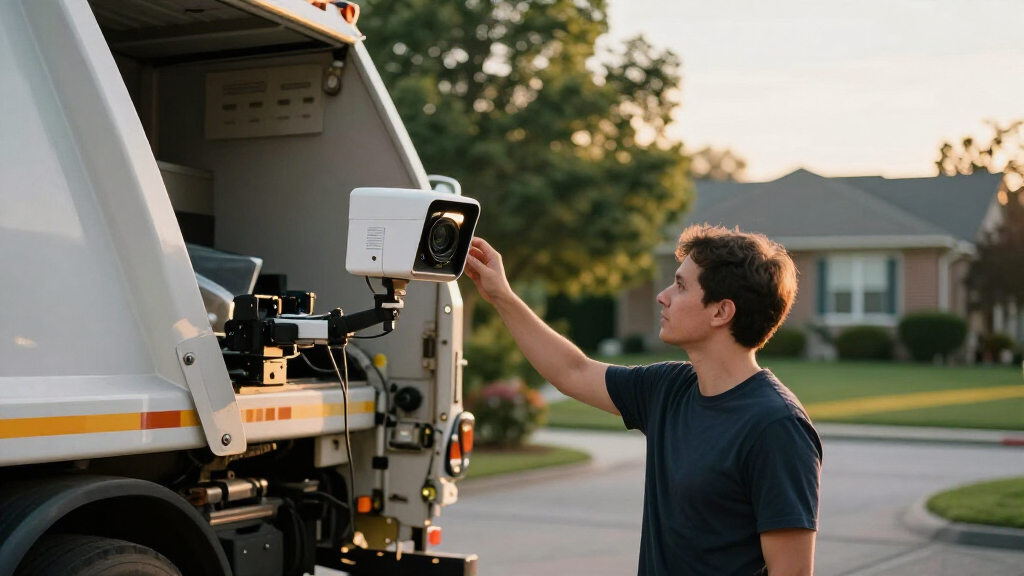
Sources indicate that several cities have begun installing AI-powered cameras on their garbage collection vehicles. These cameras automatically scan homes as trucks pass by, assessing features such as property upkeep, presence of debris, and potential violations of city codes. The AI system scores houses based on visual criteria, which can then inform enforcement actions or follow-up inspections.
Officials have not yet released comprehensive details about the scope, data handling, or privacy safeguards associated with this technology. Some local governments have confirmed pilot programs, while others are still evaluating the effectiveness and legal implications of AI-based assessments. The cameras reportedly use machine learning algorithms trained on images of compliant and non-compliant properties.
Potential Impact on Privacy and Local Enforcement
This development could significantly change how cities enforce property codes, potentially enabling faster and more consistent inspections. However, it raises critical questions about residents’ privacy rights, data storage, and the accuracy of AI assessments. Civil liberties advocates warn that automated evaluations might lead to unwarranted violations or overreach without clear oversight.
For residents, the use of AI cameras on garbage trucks could mean increased scrutiny of their homes and property standards, possibly resulting in more citations or fines. The lack of transparency about data use and the criteria for scoring houses heightens concerns about misuse or errors. The broader implications include debates over surveillance and the balance between efficient enforcement and residents’ privacy.
As an affiliate, we earn on qualifying purchases.
Rise of AI in Municipal Property Monitoring
The use of AI and machine learning in local government enforcement is a growing trend, driven by advances in computer vision and the desire for cost-effective, scalable solutions. Prior to this, property inspections relied heavily on manual inspections and citizen complaints. Recent technological innovations have enabled cities to automate parts of this process, with some experimenting with drone surveillance, outdoor sensors, and now, AI cameras on municipal vehicles.
The deployment of AI cameras on garbage trucks marks a new phase in this trend, aiming to leverage routine services like waste collection for property assessments. While some cities have publicly announced pilot programs, widespread adoption remains uncertain, and legal frameworks are still catching up with technological capabilities. Public response has been mixed, with privacy advocates expressing concern and officials emphasizing efficiency.
Unclear Details About Data Use and Legal Safeguards
It is not yet clear how municipalities are handling the data collected by these AI cameras, including storage, access, and privacy protections. There is also uncertainty about the accuracy of AI scoring and whether residents will have recourse if they believe their homes were unfairly evaluated. No official policies or regulations have been publicly confirmed, and legal frameworks are still evolving.
Monitoring Adoption and Regulatory Responses
Further deployment of AI cameras on garbage trucks is expected to be observed in more cities, with officials possibly releasing more detailed guidelines and safeguards. Legal and privacy debates are likely to intensify, potentially leading to new regulations governing the use of AI in municipal enforcement. Residents and advocacy groups will be watching closely for transparency and accountability measures.
Key Questions
How do the AI cameras evaluate houses?
The cameras use machine learning algorithms trained on images of compliant and non-compliant properties to assess features such as property condition, debris, and other visible code violations.
Are residents notified if their house is scored or flagged?
It is not yet clear whether residents are notified or have a chance to contest assessments. Officials have not provided specific procedures for appeals or corrections.
What privacy protections are in place?
Details about data storage, access, and privacy safeguards have not been publicly disclosed. Privacy advocates warn that without regulation, misuse or overreach could occur.
Could this lead to more citations or fines?
Potentially, yes. If the AI system identifies violations, local authorities may issue citations or fines based on the assessments, though the process and accuracy are still under review.
Is this technology being used nationwide?
Currently, reports indicate pilot programs or experiments in select cities. Broader adoption depends on legal, technical, and public response factors.
Source: rss