
TL;DR

Get business pricing on garage and car supplies
- Business-only prices and quantity discounts
- Tax-exempt purchasing
- Multiple users, one account, clear invoices
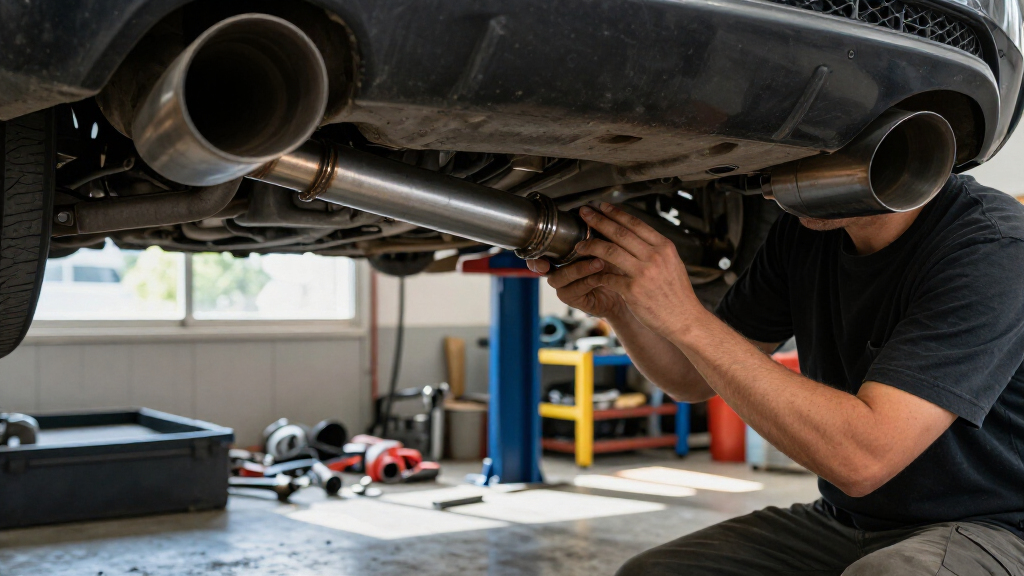
Recent dyno tests demonstrate that designing car exhausts with a silly straw shape significantly impairs engine performance. Experts warn this design choice is detrimental and advise against it. The trend is gaining attention amid rising searches and social media discussions.
Recent dyno testing has confirmed that shaping a car’s exhaust system to resemble a silly straw significantly diminishes engine performance. This design, popularized in some online car customization circles, is now being scientifically evaluated, and experts warn it is highly detrimental to vehicle efficiency and power output.
The tests, conducted by a professional tuning shop, involved comparing standard exhaust systems with custom-shaped ones that mimic the narrow, curved profile of a silly straw. The results showed a consistent and marked drop in horsepower and torque, with some vehicles losing up to 20% of their baseline performance. Automotive engineers attribute this decline to increased exhaust backpressure and disrupted airflow caused by the unusual shape. The trend appears to be gaining traction on social media platforms, fueled by videos and images showcasing these bizarre exhaust designs. However, experts emphasize that such modifications are counterproductive and could lead to engine damage if implemented long-term.According to sources familiar with the testing process, the primary issue with silly straw-shaped exhausts is their tendency to cause excessive backpressure, which hampers exhaust scavenging and reduces engine efficiency. The design also disrupts the smooth flow of gases, leading to less effective exhaust evacuation. Several professional tuners and automotive engineers have expressed skepticism about the aesthetic appeal of these exhausts, citing the performance penalties. Despite the negative results, the trend persists among some car enthusiasts seeking unique or humorous modifications, raising concerns about safety and vehicle longevity.
Implications for Car Performance and Tuning
This development underscores the importance of proper exhaust design in maintaining vehicle performance. The confirmed performance losses highlight that aesthetic choices, such as shaping exhausts like a silly straw, can have serious mechanical consequences. For car enthusiasts and tuners, this serves as a warning that unconventional modifications may undermine engine efficiency and durability. As social media amplifies such trends, the risk of widespread adoption of ineffective or damaging designs increases. Manufacturers and tuning professionals may need to reinforce the importance of scientifically backed modifications over purely aesthetic ones, especially when performance is at stake.As an affiliate, we earn on qualifying purchases.
Emerging Trends in Car Customization and Performance Testing
Over recent years, car customization has increasingly incorporated bold, unconventional designs, often driven by social media trends. The idea of shaping exhausts into strange forms, including the silly straw shape, gained popularity among some online communities seeking unique visual effects. However, until now, there has been limited scientific testing to verify the impact of such modifications. The recent dyno tests are part of a broader effort to evaluate the real-world effects of these aesthetic choices on engine performance. Historically, exhaust design has focused on optimizing flow and reducing backpressure, but the trend toward bizarre shapes challenges these principles. The spike in search interest and social media activity appears to be a response to the latest testing results, although the trend remains unconfirmed as a widespread practice.Extent and Adoption of the Trend Remain Unclear
It is not yet confirmed how widespread the silly straw-shaped exhaust design is among car owners or tuners. The recent tests provide initial evidence of performance issues, but the trend’s popularity and long-term adoption are still uncertain. Social media discussions suggest interest is rising, but concrete data on actual implementation across the automotive community is lacking. Additionally, the long-term effects on engine health and compliance with regulations remain unverified, requiring further investigation.Further Testing and Industry Response Expected Soon
Automotive experts plan to conduct more extensive testing across different vehicle types to verify the consistency of performance impacts. Manufacturers and tuning shops may issue guidance or warnings about these modifications. Monitoring social media and online forums will reveal whether the trend gains traction or diminishes. Regulatory bodies might also evaluate whether such modifications violate emissions or safety standards. The ongoing discussion could influence future design advice and consumer awareness campaigns.Key Questions
Why does shaping an exhaust like a silly straw reduce performance?
Because it increases exhaust backpressure and disrupts the smooth flow of gases, impairing exhaust scavenging and reducing engine efficiency.
Is this trend popular among car enthusiasts?
Interest appears to be rising on social media, but widespread adoption is unconfirmed. Many experts warn against such modifications due to performance penalties.
Can using a silly straw-shaped exhaust damage my engine?
Potentially, as increased backpressure and airflow disruption can cause long-term engine stress and damage if used regularly.
Are there any benefits to this design?
No, according to current testing, the design offers no performance benefits and only causes harm to engine efficiency.
What should I consider before modifying my exhaust?
Always prioritize proven, performance-oriented designs and consult professionals to avoid damaging your vehicle or violating regulations.
Source: rss
Halloween Picks
halloween
As an affiliate, we earn on qualifying purchases.


![The Largest Electric Aircraft Just Flew [Video]](https://offroadtopspeed.com/wp-content/uploads/2026/09/the-largest-electric-aircraft-just-flew-video-featured-560x300.jpg)