
TL;DR

Get business pricing on garage and car supplies
- Business-only prices and quantity discounts
- Tax-exempt purchasing
- Multiple users, one account, clear invoices
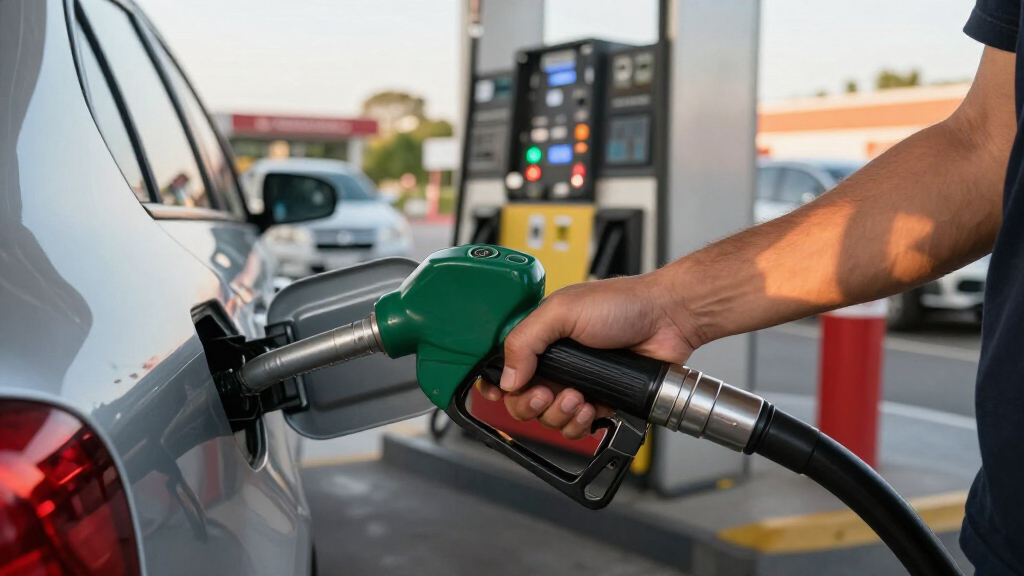
Over half of drivers—56%—report increased interest in electric vehicles amid rising gas prices. This shift reflects changing consumer attitudes, but the full impact on EV sales remains uncertain.
Recent surveys reveal that 56% of drivers now express increased interest in electric vehicles (EVs) as a response to rising gas prices. This marks a significant shift in consumer attitudes toward EV adoption and could influence future market dynamics, although the trend’s long-term impact remains to be seen.
According to recent polling data, more than half of drivers are now considering EVs more seriously than before, citing cost savings on fuel as a primary motivator. The spike in interest appears linked to the ongoing rise in gasoline prices, which have increased by approximately 20% over the past year, according to the U.S. Energy Information Administration.
Experts note that this surge in interest could accelerate EV adoption, especially as automakers ramp up production and expand their EV offerings. However, it is still unclear whether this interest will translate into actual vehicle purchases or if it remains a temporary reaction to current fuel costs.
Industry analysts also point out that other factors—such as government incentives, improved EV infrastructure, and rising environmental awareness—may further influence this trend, but concrete data on future sales remains unavailable at this stage.
Potential Impact on EV Market Growth
This increase in consumer interest could mark a turning point in EV market penetration, especially if it leads to sustained higher sales. As fuel prices remain high, consumers may view EVs as a more economical option, potentially shifting the traditional reliance on internal combustion engines. Automakers could respond by accelerating EV model launches and expanding infrastructure investments, which might further boost adoption.
However, the actual effect on vehicle sales depends on multiple factors, including availability, affordability, and ongoing policy support. If interest remains high and translates into purchases, it could hasten the transition to cleaner transportation and impact oil demand and emissions reduction efforts.
Products Worth Considering

DEWALT 20V MAX 1/4-Inch Impact Driver Kit with Battery and Charger (DCF787D1)

DEWALT 20V MAX XR Hammer Drill and Impact Driver Combo Kit with Two 4Ah Batteries and Charger

NOCO Boost GB150 3000A UltraSafe Jump Starter, 12V Lithium Battery Booster
As an affiliate, we earn on qualifying purchases.
Rising Gas Prices and Consumer Attitudes
The trend of increasing interest in EVs correlates with recent rises in gasoline prices, which have reached levels not seen in several years. Gas prices have increased roughly 20% over the past year, driven by geopolitical tensions, supply chain disruptions, and seasonal demand spikes. Historically, fuel price hikes have prompted some drivers to consider alternatives, but the current level of interest—56%—appears notably high based on previous surveys.
Analysts suggest that this spike in interest might be a short-term reaction, but some experts believe it could signal a longer-term shift if fuel prices remain elevated and EV infrastructure continues to improve. The trend is also fueled by broader environmental concerns and policy measures aimed at reducing carbon emissions.
It is important to note that the data comes from a recent survey, and the exact source or methodology has not been specified, leaving some uncertainty about the representativeness of the results.
Unclear if Interest Will Lead to Increased EV Sales
It remains uncertain whether the increased interest among drivers will result in a corresponding rise in EV purchases. Factors such as vehicle availability, pricing, and infrastructure development will influence this outcome. Additionally, the survey methodology and sample size are not detailed, which limits the ability to assess the representativeness of the data.
Monitoring Consumer Behavior and Market Trends
Industry stakeholders will analyze upcoming sales data and consumer behavior patterns to determine if interest translates into actual EV adoption. Changes in policy, infrastructure investments, and fuel prices will also play critical roles in shaping future trends. Continued research and surveys will be necessary to evaluate the sustainability of this interest spike.
Key Questions
Is the increase in interest in EVs permanent?
The current rise in interest appears to be driven by recent high gas prices, but its longevity will depend on future fuel costs, infrastructure progress, and policy measures.
Will this interest lead to more EV sales?
It is uncertain whether increased interest will result in higher sales, as factors like vehicle availability, pricing, and infrastructure development are still evolving.
What are the main reasons drivers are now interested in EVs?
The primary motivation is the desire to reduce fuel expenses amid rising gas prices over the past year.
Are government incentives influencing this trend?
While not explicitly confirmed, government incentives and policies supporting EV adoption are generally believed to encourage consumer interest.
How reliable are these survey results?
The survey’s methodology and sample size are not specified, so while the trend is notable, its representativeness and accuracy remain uncertain.
Source: rss