
TL;DR
San Francisco is launching initiatives to expand curbside electric vehicle charging stations, tackling the U.S.’s overall lag in accessible EV infrastructure. The move aims to improve adoption and reduce emissions.
San Francisco has unveiled a new plan to expand curbside electric vehicle (EV) charging stations, aiming to address the U.S.’s overall lag in accessible EV infrastructure. City officials say the initiative is designed to make EV charging more convenient and equitable, especially for residents without access to private garages. This development matters because expanding curbside charging could accelerate EV adoption and help reduce urban emissions.
The city’s plan involves installing hundreds of new curbside charging stations across San Francisco over the next two years. Officials estimate that this expansion will double the current number of accessible public chargers, making EV ownership more practical for residents in dense neighborhoods and those who rely on street parking. The initiative is part of a broader climate strategy aimed at reducing greenhouse gas emissions and meeting California’s aggressive EV adoption targets.
While the plan has received support from local environmental groups and community organizations, it faces logistical and regulatory challenges. These include permitting processes, the need for street space allocation, and coordination with utility providers. The city also plans to pilot new charging technologies, such as wireless chargers, to streamline the user experience. Funding for the project is expected to come from a combination of city funds, state grants, and federal incentives.
Why Expanding Curbside Charging Is a Key Climate and Equity Issue
This initiative matters because accessible curbside EV charging is critical to increasing EV adoption among urban residents who lack private garages or driveways. It also addresses a major barrier identified in national studies, which show that limited public charging infrastructure hampers the transition to electric vehicles. By leading in curbside charging, San Francisco could set a precedent for other cities facing similar challenges and help the U.S. catch up in EV infrastructure development, which lags behind countries like Norway and the Netherlands.
Moreover, expanding curbside charging aligns with broader environmental goals. Increasing EV adoption reduces urban air pollution and greenhouse gas emissions, contributing to climate change mitigation efforts. It also promotes social equity by ensuring that low-income and underserved communities have access to the same transportation benefits as wealthier neighborhoods.
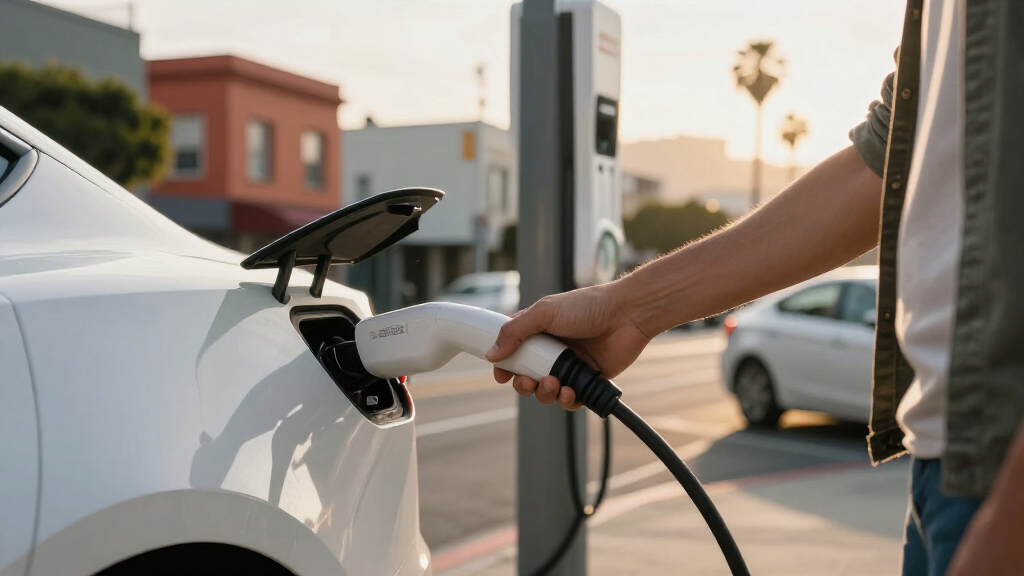
electric vehicle curbside charging station
As an affiliate, we earn on qualifying purchases.
As an affiliate, we earn on qualifying purchases.
U.S. Curbside Charging Infrastructure: A National Lag
The United States has been identified as a laggard in curbside EV charging infrastructure, particularly compared to European countries and China. While the U.S. has made progress in building fast-charging corridors along highways, urban curbside charging remains limited and unevenly distributed. This disparity hampers EV adoption in densely populated cities where most residents rely on street parking.
Interest in expanding curbside charging has surged amid rising EV sales and increasing climate commitments at federal and state levels. However, the pace of infrastructure deployment has been slow, with many cities citing regulatory hurdles, lack of funding, and logistical complexities. The trend of interest spike is driven by growing public and political pressure to accelerate EV adoption, but specific developments remain unconfirmed, with many cities still planning or in early stages of implementation.
Unconfirmed Details and Implementation Challenges
It is not yet clear how quickly the new curbside stations will be installed or how the city will overcome logistical hurdles like street space allocation and permitting delays. The specific technologies to be used and the exact funding breakdown remain to be finalized. Additionally, the long-term impact on EV adoption rates in San Francisco is still to be assessed, and other cities’ responses are uncertain.
Next Steps: Deployment Timeline and Policy Developments
San Francisco plans to begin installing the first wave of curbside charging stations within the next six months, with full deployment targeted for 2026. The city will also monitor usage patterns and gather community feedback to refine the program. Officials expect to seek additional funding and collaborate with utility providers to ensure reliable power supply. Meanwhile, other cities are watching closely, and there may be policy adjustments based on early results.
Key Questions
Why is curbside EV charging important for urban areas?
Curbside EV charging is essential in cities where many residents park on streets without access to private garages, making home charging impractical. It helps increase EV adoption by providing convenient, accessible charging options.
What challenges does San Francisco face in expanding curbside charging?
The city faces logistical hurdles such as street space allocation, permitting processes, and coordinating with utility providers. Funding and community approval are also critical factors.
How might this initiative influence other U.S. cities?
If successful, San Francisco’s approach could serve as a model for other urban areas seeking to improve EV infrastructure and promote equitable access, potentially accelerating nationwide adoption.
When will residents start seeing new curbside charging stations?
The city aims to begin installation within the next six months, with the goal of full deployment by 2026.
Will this initiative reduce overall emissions in San Francisco?
Yes, increasing EV adoption through improved infrastructure is expected to reduce urban air pollution and greenhouse gas emissions, supporting climate goals.
Source: rss