
To improve off-road driveline efficiency, focus on ideal torque transfer, durable drive shaft design, and advanced materials that reduce weight and vibrations. Using flexible joints and adaptive torque systems helps maximize traction and stability across rough terrains. Upgrading these components enhances responsiveness and durability, making your vehicle better equipped for challenging conditions. Keep exploring to discover how innovations in drive shaft technology and system integration can take your off-road performance even further.
Key Takeaways
- Optimized drive shaft design reduces vibrations and energy losses, ensuring smoother torque transfer on rough terrains.
- Advanced materials like composites decrease weight and rotational inertia, enhancing off-road responsiveness.
- Dynamic torque distribution systems improve traction and stability during uneven surface navigation.
- Flexible joints and balanced shafts accommodate suspension movement, minimizing wear and maintaining consistent power delivery.
- Integration of innovative materials and differential technology boosts efficiency and reliability in challenging off-road conditions.

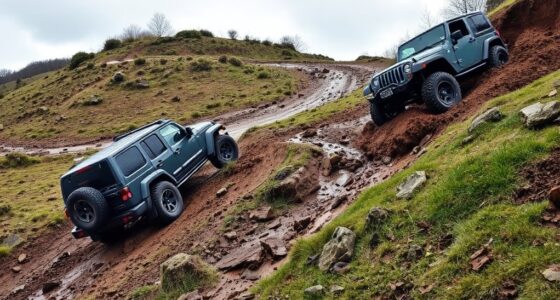
Off-road driveline efficiency is vital for maximizing performance and fuel economy when maneuvering challenging terrains. When you’re tackling uneven surfaces, steep inclines, or muddy trails, every component of your vehicle’s driveline plays a critical role in maintaining power and control. One of the key factors influencing this efficiency is drive shaft design. A well-designed drive shaft ensures smooth torque transfer from the engine to the wheels, minimizing energy losses caused by vibrations or imbalances. Modern drive shafts are often lighter and more durable, crafted from advanced materials like aluminum or composite alloys, which contribute to reduced rotational inertia and improved responsiveness. These design improvements help you maintain steady power delivery, especially when navigating rugged landscapes where sudden changes in terrain demand quick adjustments.
Equally important is how torque is distributed across your vehicle’s drivetrain. Effective torque distribution ensures that power reaches all wheels in a manner that maximizes traction and minimizes slippage. In off-road conditions, where surfaces can be unpredictable and uneven, having a drivetrain capable of dynamically adjusting torque helps you maintain momentum without excessive throttle input. Vehicles equipped with advanced differentials or electronically controlled torque vectoring systems excel in this area. They automatically allocate torque to the wheels with the best grip, preventing wheel spin and enhancing stability. This precise torque distribution becomes especially valuable when climbing steep inclines or crossing obstacles, giving you better control and confidence.
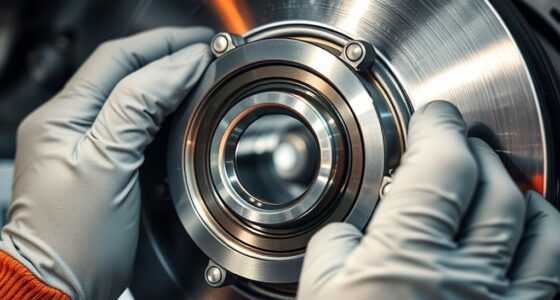
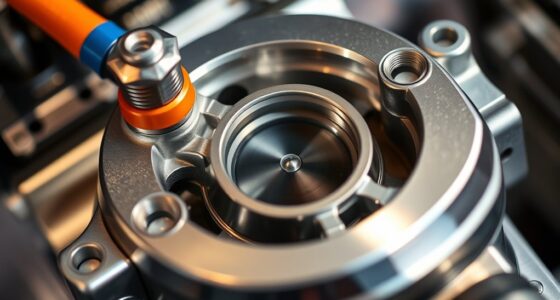
Additionally, the design of the drive shaft influences how well torque is managed during sudden shifts in terrain. A flexible, well-balanced drive shaft reduces the risk of joint wear and vibrations that could compromise driveline efficiency over time. Universal joints or constant velocity joints are engineered to accommodate the angles and movements typical in off-road driving, ensuring consistent torque delivery even when your suspension articulates heavily. This resilience translates into a smoother ride, lower maintenance costs, and more reliable performance in harsh conditions.
Furthermore, advancements in sustainable materials used in drive shaft manufacturing are contributing to lighter and more environmentally friendly off-road vehicles. To optimize off-road driveline efficiency, consider not just the quality of your drive shaft but also the sophistication of your vehicle’s torque distribution system. Combining a thoughtfully designed drive shaft with advanced differential technology allows your vehicle to adapt swiftly to changing terrains, delivering power exactly where it’s needed. This synergy helps you conserve fuel, reduce mechanical stress, and most importantly, enhances your ability to conquer tough trails with confidence. Whether you’re climbing rocky slopes or traversing muddy paths, these elements work together to ensure your off-road adventures are as efficient and controlled as possible.
Frequently Asked Questions
How Does Beta Improve Fuel Economy Off-Road?
Beta improves your off-road fuel economy by enhancing drivetrain durability and optimizing off-road traction. When your drivetrain components are more durable, they work efficiently without wasting energy on repairs or replacements. Better off-road traction reduces slippage, allowing your vehicle to move smoothly and efficiently over tough terrains. This combination guarantees you use less fuel, get better mileage, and enjoy more reliable performance during your off-road adventures.
What Maintenance Is Required for Beta Driveline Systems?
You should regularly check and maintain your Beta driveline systems by inspecting seals for leaks and ensuring driveline lubrication is adequate. Keep the lubrication levels topped up and replace the lubricant as recommended by the manufacturer to prevent wear and tear. Additionally, inspect seals for damage or deterioration, replacing them if needed. Proper maintenance helps keep your off-road vehicle running smoothly and efficiently, reducing the risk of costly repairs.
Can Beta Systems Be Retrofit Into Existing Vehicles?
Can Beta systems be retrofit into existing vehicles? Absolutely, but like fitting a new glove, it depends on vehicle compatibility. You might face retrofit challenges, such as aligning components and ensuring proper integration. Carefully evaluate your vehicle’s make, model, and drivetrain layout, as not all models accommodate Beta systems easily. Consulting with experts can help you navigate these challenges, making the upgrade smoother and more effective.
How Does Beta Handle Extreme Off-Road Conditions?
Beta handles extreme off-road conditions by optimizing clutch engagement and torsional damping, ensuring power transfer remains smooth and reliable. You’ll notice improved traction because the system adapts quickly to uneven terrain, reducing drivetrain stress. Its advanced design absorbs shocks and minimizes vibrations, giving you better control. This means you can confidently navigate challenging environments, knowing the driveline is protected and responsive, even in the toughest off-road situations.
What Are the Cost Differences Between Beta and Traditional Drivelines?
You’ll find that Beta’s off-road driveline has a higher cost comparison to traditional drivelines due to advanced manufacturing costs. While Beta’s innovative components and improved efficiency might increase initial expenses, they often lead to lower maintenance and better durability over time. So, although the manufacturing costs are higher upfront, you’ll benefit from reduced long-term repairs and improved off-road performance.
Conclusion
As you explore off-road adventures, it’s no coincidence that efficient driveline design makes every trail smoother. When you harness better off-road driveline efficiency, you find yourself enjoying the journey more—less power loss, more control. It’s almost as if the vehicle’s performance aligns perfectly with your passion for adventure. So, as you tackle that next rugged trail, remember, a smarter driveline isn’t just a coincidence; it’s the secret to elevating your off-road experience.