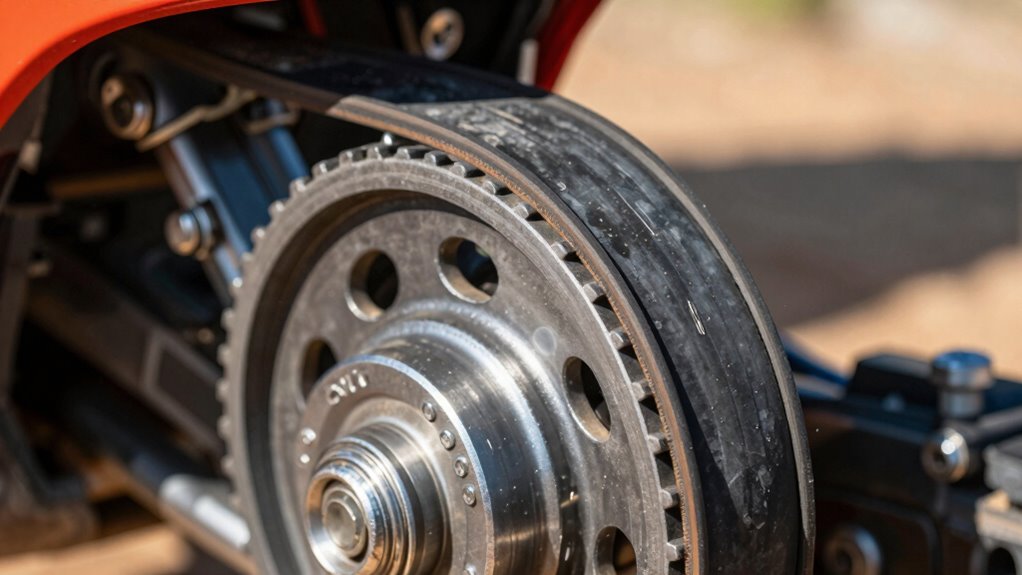

Understanding belt heat in your Can-Am CVT is vital because excessive friction causes wear, slip, and potential failure. When the belt overheats, it softens, loses grip, and accelerates damage, reducing performance and lifespan. Proper tension, cooling, and timely maintenance help prevent these issues. If you want to keep your CVT running smoothly and avoid costly repairs, understanding how to manage belt heat is essential—it’s a key factor that changes everything about your ride.
Key Takeaways
- Belt heat in Can-Am CVTs affects grip, with excessive heat causing slipping and reduced performance.
- Overheating results from belt slip, wear, debris, and cooling system issues, impacting durability.
- Managing belt heat involves proper tension, airflow, and regular inspections to prevent damage.
- Elevated belt temperatures accelerate material degradation, risking cracks, glazing, and early failure.
- Timely replacement and professional checks are essential to maintain optimal CVT operation and prevent costly repairs.

SMOTRCC 422280360 CVT Drive Belt for Can-Am Commander Outlander Renegade
- Compatibility with Can-Am Models: Fits various Can-Am Commander and Outlander models
- Durable Wear-Resistant Material: High wear-resistant nylon fabric for longevity
- Enhanced Power and Smoothness: Provides smoother, quieter operation with increased friction
As an affiliate, we earn on qualifying purchases.
As an affiliate, we earn on qualifying purchases.
How Do CVT Systems Work and Why Belt Heat Matters?
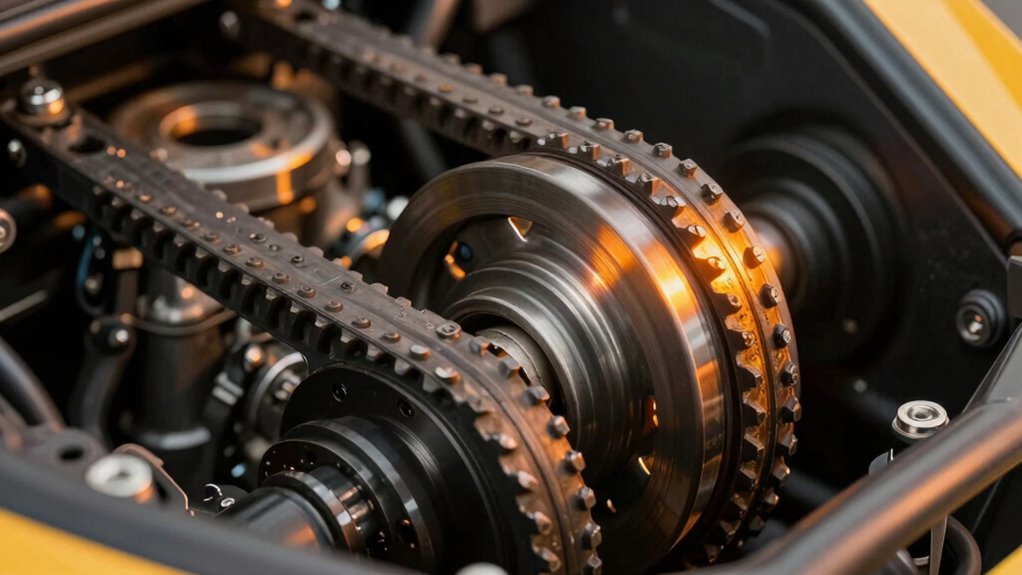
Understanding how CVT (Continuously Variable Transmission) systems operate is essential for Can-Am riders aiming to optimize performance and longevity. CVTs utilize a belt-driven system that dynamically adjusts gear ratios through variable pulleys. As engine speed and load change, the moveable sheaves on the pulleys shift to maintain optimal belt contact and tension. This seamless adjustment allows acceleration without traditional gear shifts. Heat generation occurs due to friction and belt slip within the pulleys, especially under heavy loads or high speeds. Excessive belt heat can compromise belt material integrity, leading to premature wear or failure. Proper cooling measures are crucial to prevent heat-related issues, which can diminish performance and shorten your transmission’s lifespan. Additionally, understanding the belt material properties helps you select appropriate maintenance practices and riding techniques. Recognizing heat buildup and implementing cooling strategies can significantly extend belt life. Being aware of operating temperature ranges helps you maintain proper cooling, adjust riding techniques, and prevent heat-related issues that diminish performance and shorten your transmission’s lifespan.
What Causes Belt Overheating in Can-Am CVTs?
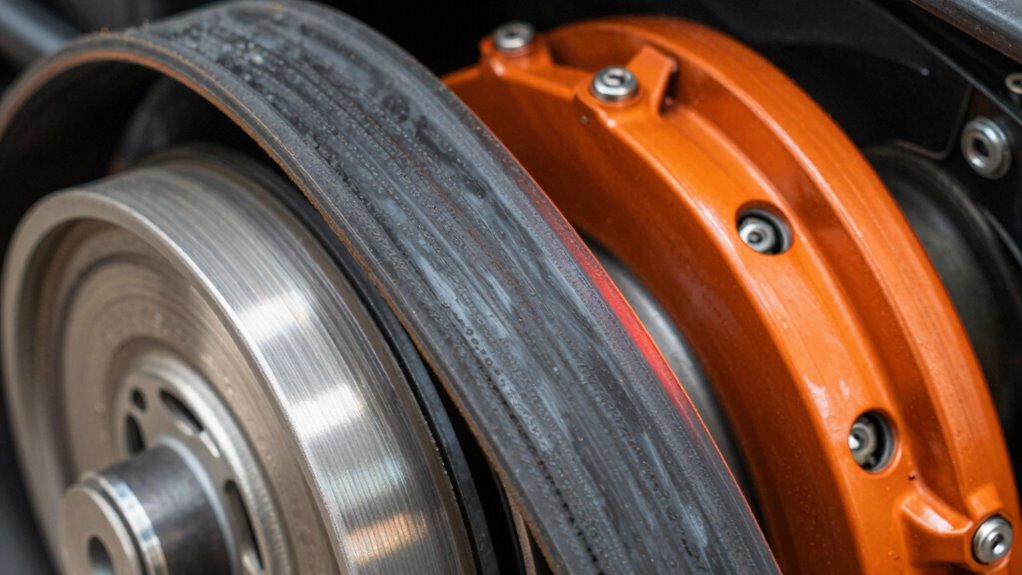
Belt overheating in Can-Am CVTs primarily results from excessive slip and inadequate cooling, which occur when the belt fails to maintain proper contact with the pulleys under load. This reduces power transfer efficiency and increases friction, generating heat. Several factors contribute to this:
Belt overheating occurs from excessive slip and poor cooling, reducing efficiency and increasing heat in Can-Am CVTs.
- Improper belt tension—loose belts slip more, raising heat levels.
- Worn or damaged belt surfaces—reduced grip leads to increased slip.
- Overloading the vehicle—exerts excessive force, causing belt slippage.
- Poor airflow or cooling system failures—limits heat dissipation, compounding temperature rise.
- Inadequate filtration and pump protection—can allow debris to contaminate components, impairing cooling efficiency and increasing heat buildup. Additionally, inadequate thermal management practices can significantly worsen heat issues, underscoring the need for proper maintenance routines to ensure optimal cooling performance. Regularly inspecting and cleaning these components prevents debris accumulation and enhances overall cooling efficiency. Implementing effective cooling system maintenance helps sustain proper temperature levels and prolongs belt life. Maintaining proper belt alignment and tension is also vital, as misalignment can cause uneven wear and increased heat generation. Understanding these causes helps you identify issues before significant damage occurs, emphasizing the importance of proper belt maintenance and cooling system checks for ideal CVT performance.
How Overheating Belts Affect Your Can-Am’s Performance and Longevity?
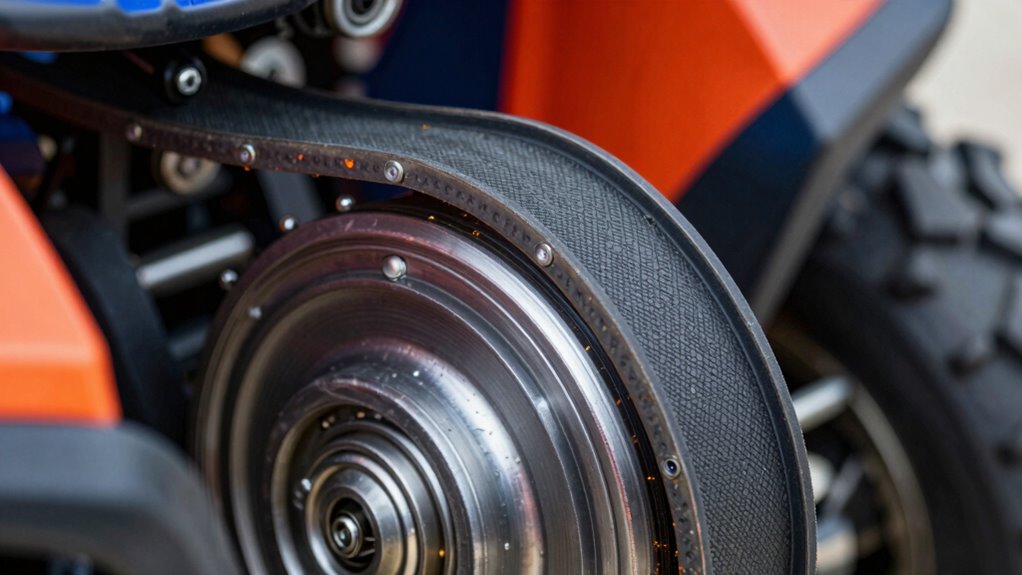
When belts overheat in your Can-Am CVT, their ability to transmit power efficiently diminishes, leading to noticeable performance issues. Overheating causes the belt material to soften and degrade, reducing grip and increasing slippage. This results in sluggish acceleration, reduced top speed, and inconsistent power transfer. Additionally, excessive heat accelerates belt wear and potential failure, shortening overall lifespan. To illustrate, consider the following impacts:
| Effect | Consequence | Result |
|---|---|---|
| Reduced grip | Slippage during acceleration | Loss of power transfer |
| Material degradation | Belt becomes brittle, prone to cracking | Increased risk of breakdown |
| Increased heat buildup | Accelerates belt wear | Shortens belt lifespan |
| Slower response | Delayed engagement and shift quality | Poor riding experience |
| Higher maintenance costs | Frequent replacements and repairs | Elevated expenses |
Proper heat management is essential to prevent these issues and ensure your Can-Am runs smoothly. Effective cooling techniques can help mitigate these problems and extend belt life. Overheating profoundly impacts performance and durability, making heat management essential.
Recognizing Signs of Belt Overheating in Your CVT System?
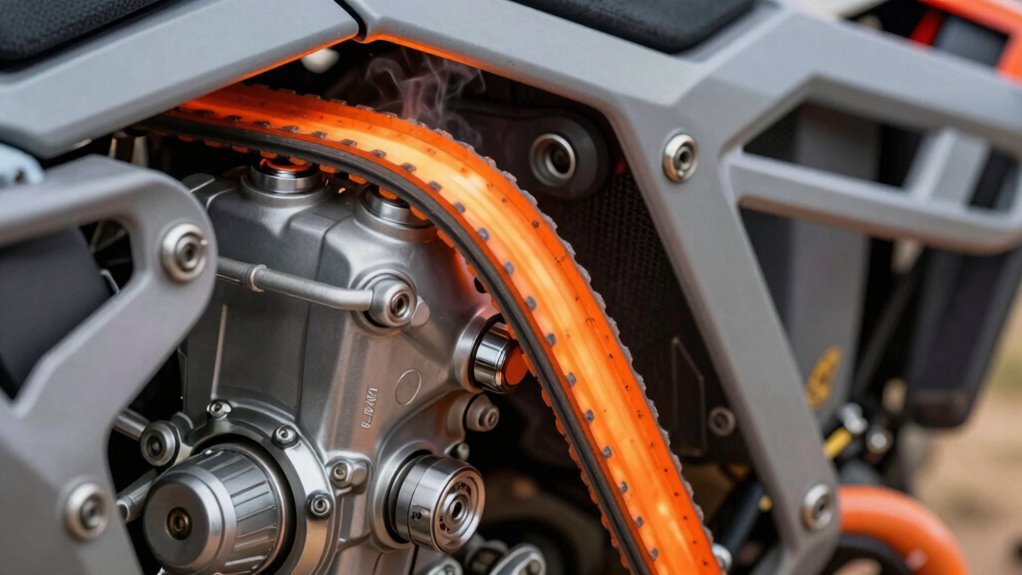
Overheating belts in your Can-Am CVT system often produce clear, observable signs that you can identify during regular rides. First, you may notice a persistent, strong odor of burnt rubber emanating from the CVT area, indicating excessive heat. Second, the belt could exhibit visible glazing or a shiny, smooth surface, signifying material breakdown. Third, you’ll experience slipping or inconsistent acceleration, as the belt loses grip under high temperatures. Fourth, the engine revs increase without proportional speed gain, a sign of belt slippage caused by heat-related deformation. Fifth, understanding the importance of regular maintenance can help prevent overheating issues before they start. Recognizing these signs early helps prevent severe damage. Regularly inspecting the belt for discoloration, glazing, or odor, and monitoring performance changes, allows you to address overheating issues before they escalate. Additionally, monitoring belt temperature during rides can provide early warning signs of potential overheating problems. It’s also beneficial to use temperature gauges or sensors designed specifically for CVT systems to get real-time data and maintain optimal operating conditions. Keeping an eye on heat buildup can help you catch issues before they lead to belt failure.
Easy Tips to Keep Your CVT Belt Cooler on the Trail?
To effectively keep your CVT belt cooler on the trail, focus on proper riding techniques and routine maintenance. Maintain ideal belt tension, avoiding excessive slack or tightness, which can increase heat. Reduce sustained high RPMs and avoid aggressive acceleration to minimize belt friction. Regularly inspect the belt and pulleys for wear or debris buildup, ensuring smooth operation. Proper ventilation around the CVT cover aids heat dissipation. The table below highlights key factors influencing belt temperature:
| Factor | Recommended Action |
|---|---|
| Riding Style | Moderate acceleration, avoid high RPMs |
| Belt Tension | Maintain specified tension |
| Pulley Cleanliness | Regularly clean and inspect |
| Ventilation | Ensure unobstructed airflow |
| Maintenance Frequency | Follow manufacturer service intervals |
Additionally, ensuring proper airflow around the CVT cover can significantly improve heat dissipation and prolong belt life. Incorporating heat-resistant materials in the CVT assembly can also help manage excess heat during extended trail rides. Using coolant sprays or fans during maintenance can further aid in controlling belt temperature and extending component lifespan. Moreover, selecting components with improved thermal management properties can help maintain optimal operating temperatures during demanding rides. Incorporating additional cooling solutions such as external fans or upgraded covers can provide further benefits in high-heat conditions.
When to Upgrade or Get a Professional Check for Belt Heat Issues?
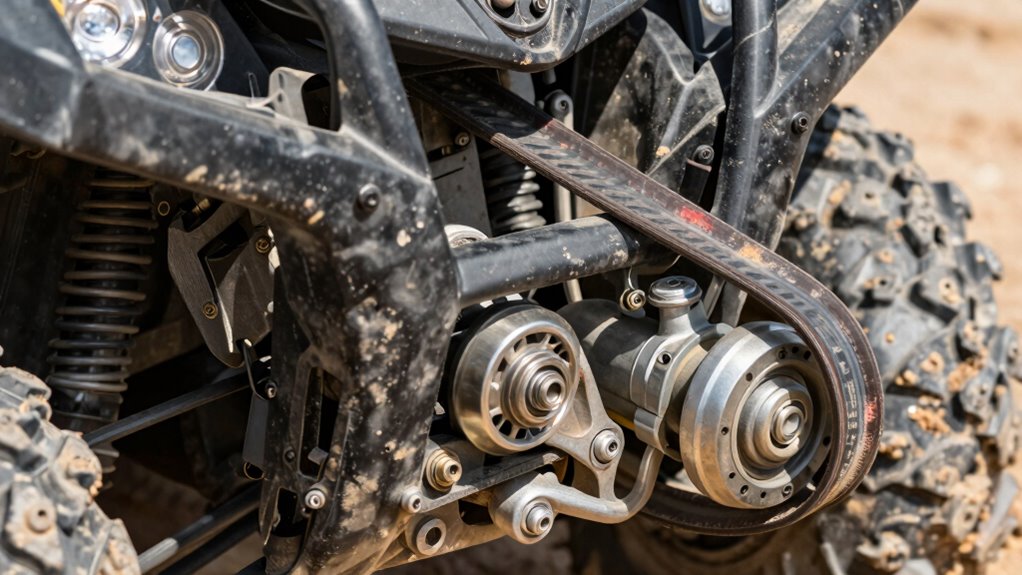
Monitoring belt temperature and performance is essential for safe operation; persistent overheating indicates potential damage. Replace belts proactively if you notice cracks, glazing, or significant wear, as these signs compromise function. Seek professional inspection if abnormal noise, slipping, or inconsistent acceleration occurs, to prevent costly failures. Regularly inspecting trusted businesses and services nearby can help ensure proper maintenance and timely repairs. Additionally, understanding belt heat management techniques can aid in preventing overheating issues before they arise, leveraging modern kitchen technology concepts like automation and sensors to monitor equipment health more effectively. Proper toilet maintenance and repairs can also serve as a useful analogy, highlighting the importance of regular checks to prevent larger failures.
Signs of Belt Overheating
When your CVT belt shows signs of excessive heat, it indicates that the system is under stress and may be at risk of damage. Recognizing specific indicators helps determine if a professional assessment or upgrade is necessary.
- Glowing Belt or Sheaves: A visible red or orange hue suggests dangerously high temperatures.
- Smell of Burning Rubber: An acrid odor indicates belt overheating and potential material degradation.
- Loss of Power or Slipping: The belt slips or struggles to transfer power effectively, often linked to heat-induced belt expansion.
- Cracks or Fraying: Physical damage, such as cracking or fraying, results from thermal stress weakening the belt material.
Promptly addressing these signs prevents further damage and prolongs belt life.
When to Replace Belts
Recognizing the signs of belt overheating is vital for timely maintenance. If your belt shows persistent glazing, cracks, or fraying, it’s time to replace it. Elevated operating temperatures can accelerate belt wear, reducing efficiency and risking sudden failure. Use a infrared thermometer to check belt surface temperatures; readings above manufacturer-specified limits indicate the need for replacement. Frequent belt slipping, loss of acceleration, or noticeable noise also signal deterioration. Don’t wait until complete failure to act—delayed replacement increases the risk of internal damage to pulleys and other CVT components. Always follow your Can-Am’s recommended replacement intervals, typically every 2,000 to 3,000 miles or as specified in your owner’s manual. When in doubt, consult a professional for a thorough inspection to prevent unexpected breakdowns.
Professional Inspection Indicators
While routine checks can reveal basic belt issues, certain signs indicate that professional inspection is essential, especially concerning belt heat problems. If you notice:
- Significant belt slippage or inconsistent acceleration
- Excessive belt or CVT housing heat after operation
- Unusual vibrations or noise during riding
- Visible glazing or cracking on belt surfaces
these are clear indicators that your CVT system requires expert evaluation. Elevated belt temperatures can cause premature wear, affecting performance and longevity. Professional inspectors use specialized tools like thermal cameras and torque measurements to identify underlying issues. Prompt attention prevents further damage and ensures peak operation. Ignoring these signs risks costly repairs and safety hazards, emphasizing the need for timely, professional assessment when belt heat anomalies arise.
Frequently Asked Questions
How Can I Prevent Belt Overheating During Extreme Riding Conditions?
To prevent belt overheating during extreme riding, you should regularly inspect and replace your belt if signs of wear appear. Maintain proper belt tension and ensure your cooling system is functioning correctly. Use high-quality, heat-resistant belts and avoid aggressive acceleration or high RPMs for extended periods. Additionally, consider installing a belt temperature gauge to monitor heat levels in real-time, enabling you to take immediate action before damage occurs.
Are Aftermarket Belts More Heat-Resistant Than OEM Belts?
They say, “You get what you pay for,” and aftermarket belts often outperform OEM options in heat resistance. Many aftermarket belts are made from advanced composite materials designed to withstand higher temperatures, reducing the risk of belt failure during intense riding. These belts typically feature improved heat dissipation and lower friction coefficients, which help maintain superior performance and longevity under extreme conditions, making them a smart upgrade for serious Can-Am riders.
What Tools or Methods Are Best for Diagnosing Belt Heat Problems?
You should use an infrared thermometer or thermal imaging camera to accurately diagnose belt heat problems. These tools allow you to measure belt and pulley temperatures while the machine is running, identifying hotspots that indicate excessive heat buildup. Additionally, inspecting belt wear patterns and monitoring performance changes can help diagnose underlying issues. Properly diagnosing heat problems guarantees timely adjustments, preventing belt failure and maintaining ideal CVT performance.
How Often Should CVT Belts Be Inspected for Heat Damage?
You should inspect your CVT belt for heat damage every 50 to 100 hours of riding or monthly, whichever comes first. Regular inspections involve checking for glazing, cracking, or melting, which indicate excessive heat. Use a flashlight and a magnifying glass to examine the belt’s surface closely. Address any signs of heat damage immediately to prevent belt failure, ensuring peak performance and safety during operation.
Can Belt Heat Issues Cause Damage to Other CVT Components?
Belt heat issues can quietly put extra stress on other CVT components like the clutch, pulleys, and rollers. When the belt overheats, it may cause premature wear or deformation, leading to inefficient operation and potential damage to these parts. This cumulative strain can compromise the entire CVT system’s performance and longevity. Regular inspection and proper cooling help prevent heat buildup, ensuring your CVT runs smoothly and reliably.
Conclusion
Understanding CVT belt heat is vital for peak Can-Am performance and longevity. Did you know that a slight temperature increase of just 10°C can reduce your belt’s lifespan by 50%? By recognizing signs of overheating and implementing proper cooling techniques, you can prevent costly failures. Staying proactive with regular checks and timely upgrades ensures your ride remains reliable and efficient, even in demanding conditions. Keep your belt cool, and your adventure stays smooth and safe.