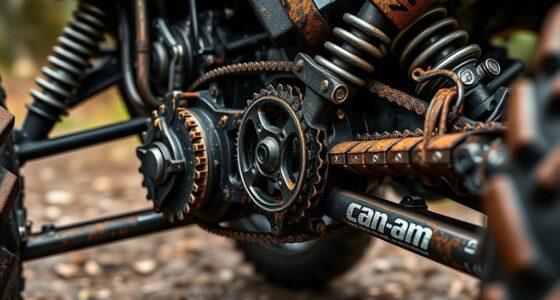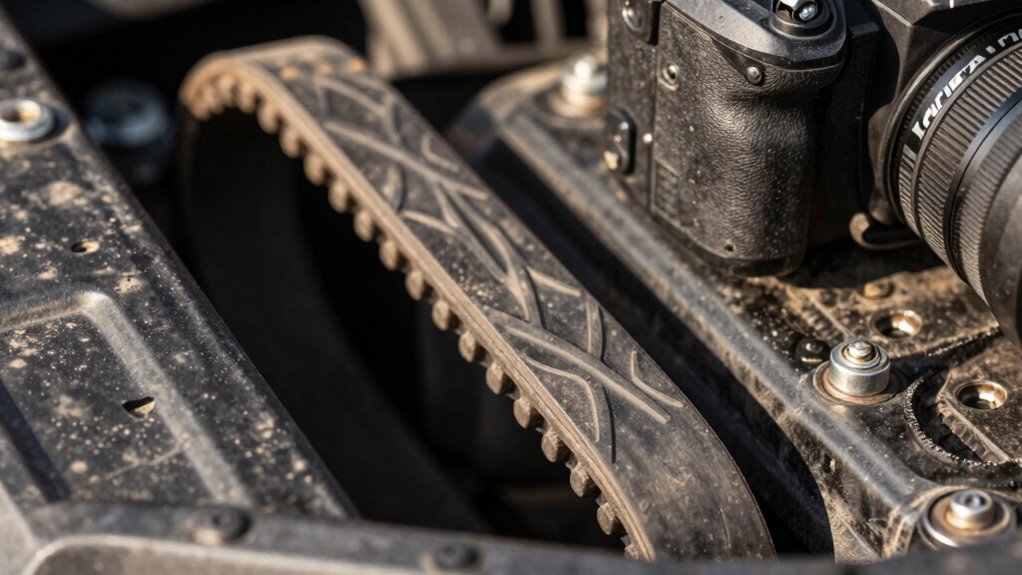

To extend your UTV CVT belt life, keep heat in check by avoiding overloading and ensuring proper cooling. Regularly inspect your belt for signs of overheating, like cracks or a shiny surface, and use reliable temperature sensors. Improve airflow with vents and fans, and stay on top of maintenance, including belt tension and cooling systems. Taking these heat habits seriously helps prevent premature wear. Keep exploring to learn more tips for keeping your belt cooler and lasting longer.
Key Takeaways
- Maintain proper belt tension and alignment to prevent excess heat buildup and wear.
- Ensure effective cooling systems and airflow management to keep belt temperatures within safe limits.
- Regularly inspect for signs of overheating like glazing, cracks, or glossiness and address issues promptly.
- Use heat-resistant CVT components and high-quality lubricants to enhance heat tolerance and durability.
- Avoid overloading and aggressive driving to reduce unnecessary heat stress on the belt and extend its lifespan.
As an affiliate, we earn on qualifying purchases.
Why Excess Heat Shortens Your CVT Belt’s Life and How to Prevent It
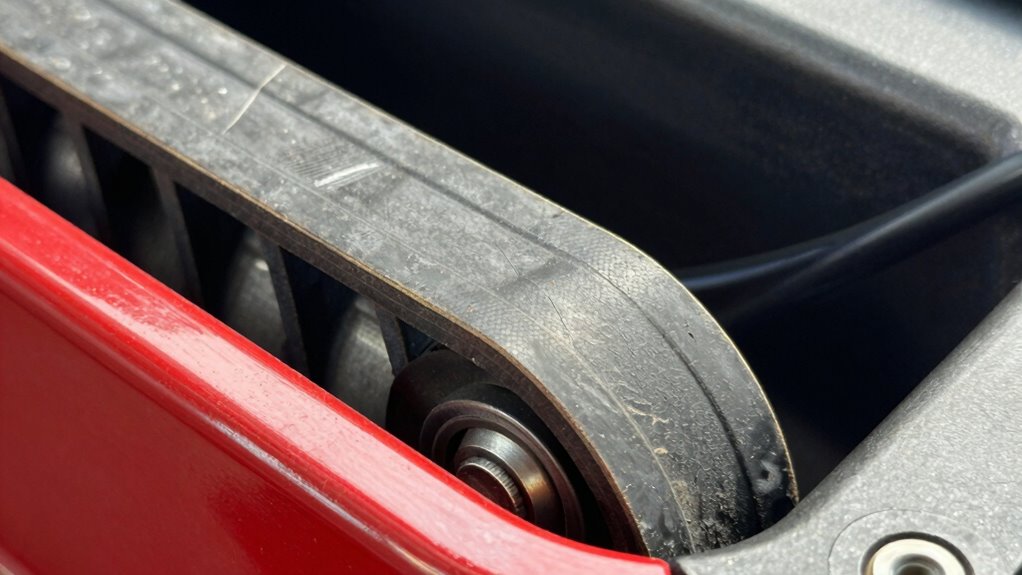
Excess heat is one of the main factors that can substantially shorten your CVT belt’s lifespan. When your belt runs too hot, it accelerates the wear and weakens the material, leading to premature failure. Proper lubrication practices help reduce friction and heat buildup, keeping your belt cooler and functioning efficiently. Regular belt inspection is essential to catch signs of overheating early, such as glazing or cracks, before they cause serious damage. Ensuring your CVT system is clean and free of debris also helps maintain ideal airflow, preventing heat from accumulating. Additionally, understanding how heat management impacts belt longevity can help you adopt better maintenance habits. Maintaining proper airflow and keeping your system free of debris are simple steps that can significantly reduce heat buildup. Being aware of thermal regulation techniques can further enhance your system’s cooling efficiency. By staying proactive with lubrication and belt inspection, you can considerably extend your CVT belt’s life, saving you money and avoiding unexpected breakdowns on the trail. Properly monitoring operating temperatures can further prevent overheating issues and prolong the lifespan of your belt.
How to Recognize When Your CVT Belt Is Overheating
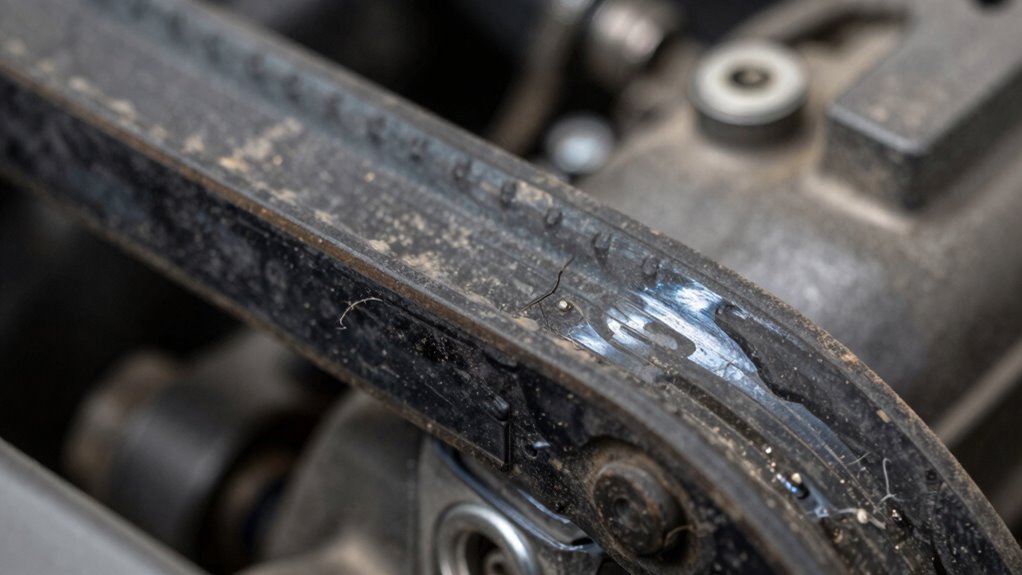
You’ll notice certain signs that your CVT belt is overheating, like a strong burning smell or unusual noise. When the belt gets too hot, it can wear out faster and lose its effectiveness. Recognizing these warning signs early helps protect your belt’s durability and extend its lifespan. Additionally, understanding heat habits and how they affect belt performance is crucial for proper maintenance. Being aware of how smartphone accessories contribute to heat buildup can help you prevent overheating issues in your UTV belt system. Proper ventilation and avoiding prolonged idling are other important heat management practices that can significantly improve belt longevity. Ensuring period design consistency in your vehicle’s components can also enhance overall heat dissipation. Maintaining optimal air circulation around the belt area is essential to prevent heat accumulation and ensure maximum belt lifespan.
Signs of Excessive Heat
When your CVT belt starts to overheat, it often shows clear signs that should not be ignored. You might notice the belt material becoming glossy or discolored, indicating excessive heat exposure. Unusual smells, like a burning rubber scent, are strong warning signs. Many UTVs are equipped with heat sensors that trigger warning lights or alerts when temperatures rise too high. If you see these indicators, it’s a sign your belt is overheating and needs attention. Overheating belts can also slip or produce a squealing noise during operation. Paying close attention to these signs helps prevent damage. Recognizing early symptoms allows you to take action before belt failure, ensuring your UTV runs smoothly and prolongs belt life.
Effects on Belt Durability
Overheating considerably weakens your CVT belt’s durability, making it more prone to premature failure. When heat transfer exceeds the belt material’s capacity, it can cause the belt to crack, glaze, or delaminate. Recognizing signs of overheating helps prevent costly repairs. Look for visual cues like shiny or glazed surfaces, cracking, or fraying. Unusual noise or slipping also indicate heat stress. Proper cooling and maintenance reduce heat buildup. Here’s a quick guide:
| Symptom | Cause | Effect |
|---|---|---|
| Glazed surface | Excessive heat transfer | Reduced flexibility, early failure |
| Cracks | Belt material fatigue | Increased risk of snapping |
| Slipping | Overheating, wear | Loss of power, damage |
| Fraying | Heat weakening fibers | Shortened belt lifespan |
| Noise | Belt misalignment or heat | Mechanical failure risk |
Additionally, understanding the heat management techniques can significantly extend your belt’s lifespan by preventing the conditions that lead to these symptoms.
Managing CVT Belt and Engine Temperatures for Longer Durability
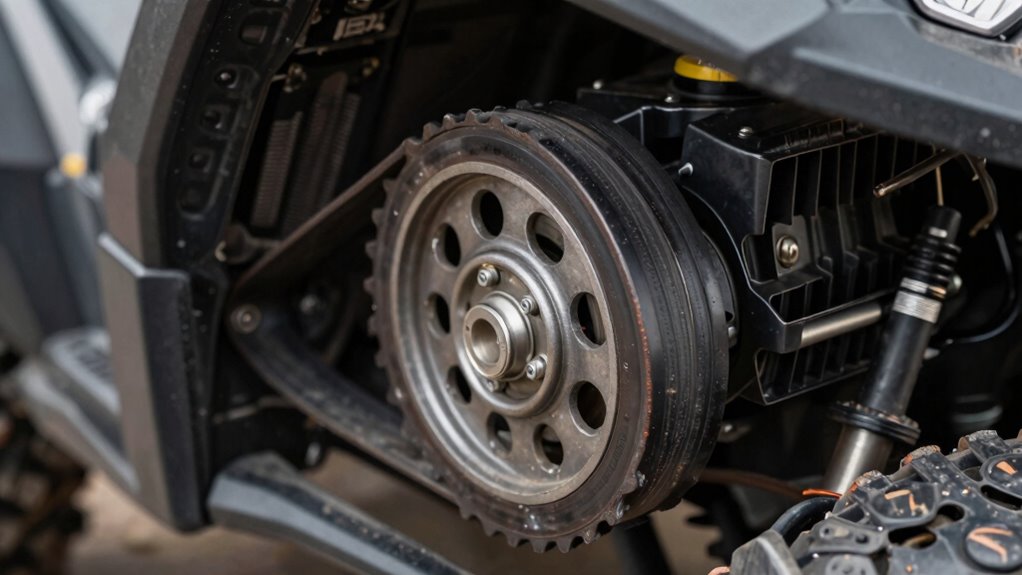
To keep your CVT belt and engine lasting longer, you need to actively manage their temperatures. Make sure to monitor operating temperatures regularly and use proper cooling systems to prevent overheating. Also, avoid overloading your equipment to reduce unnecessary stress on the system. Effective cooling systems help maintain consistent temperatures and prevent heat buildup that can accelerate wear. Additionally, organizing and protecting your gear can help maintain optimal performance and reduce strain on your vehicle’s components. Being aware of thermal management strategies is essential for prolonging belt and engine life. Incorporating water quality considerations can further improve cooling efficiency and system longevity. Maintaining proper coolant levels is another key factor in preventing heat-related damage and ensuring reliable operation.
Monitor Operating Temperatures
Monitoring operating temperatures is essential for guaranteeing your UTV’s CVT belt and engine stay in ideal condition. Using reliable temperature sensors helps you keep a close eye on critical heat levels, preventing overheating that can damage the belt material. Regularly checking these sensors allows you to detect temperature fluctuations early, so you can take action before excessive heat causes premature belt wear or failure. Pay attention to the temperature readings during different activities, especially when pushing your UTV hard. Maintaining peak temperatures extends the lifespan of your belt and keeps your engine running smoothly. Proper temperature management involves understanding the importance of heat control in small engines and transmission systems. By actively monitoring heat levels, you reduce the risk of costly repairs and ensure your UTV performs reliably over time. Additionally, understanding the effects of heat on transmission components helps guide your cooling strategies and prolong belt life, especially when ambient temperatures are high or operating under strenuous conditions. Recognizing how heat impacts belt materials enables better preventative measures to be taken.
Use Proper Cooling Systems
Implementing proper cooling systems is essential for maintaining ideal CVT belt and engine temperatures, which directly impacts their durability. Regular cooling system maintenance ensures components like radiators, fans, and coolant levels function effectively, preventing overheating. To maximize cooling efficiency, focus on airflow optimization—clear debris from vents, ensure fans operate correctly, and keep airflow paths unobstructed. Visualize this setup:
| Cooling Component | Function |
|---|---|
| Radiator | Dissipates heat from coolant |
| Cooling Fan | Boosts airflow during high temps |
| Coolant System | Regulates engine and belt heat |
Proper airflow management is also vital for preventing overheating issues that can accelerate belt wear and reduce system lifespan. Additionally, integrating smart temperature sensors can provide real-time monitoring and alerts, further safeguarding system components from thermal stress. Regular inspections and coolant level checks ensure the cooling system remains efficient and effective, preventing unexpected failures. Maintaining clean and efficient cooling systems is a critical part of thermal regulation that directly influences the longevity of your CVT belt.
Avoid Overloading Equipment
Overloading your UTV can cause the CVT belt and engine to generate excessive heat, which accelerates wear and shortens their lifespan. To prevent this, avoid pushing your vehicle beyond its recommended load capacity. Maintaining proper belt tension is vital, as too tight or too loose belts create additional stress and heat. Regularly check and adjust belt tension to guarantee optimal performance. Additionally, proper gear lubrication reduces friction, helping to keep temperatures down during heavy loads. Overloading forces the CVT system to work harder, increasing heat buildup that can degrade belt material and cause premature failure. By managing load limits, ensuring correct belt tension, and keeping gears well-lubricated, you help your UTV operate cooler, prolonging belt life and overall durability.
Cooling Tips: How to Keep Your CVT Belt Cooler During and After Rides
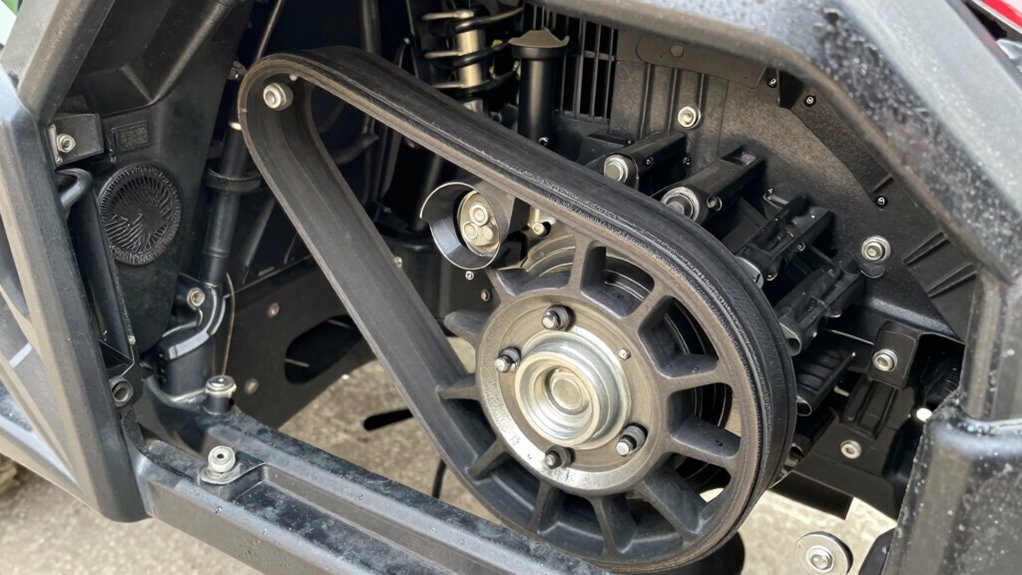
To keep your CVT belt cooler during and after rides, it’s essential to manage heat effectively. Start by adding thermal insulation around the belt area to reduce heat transfer from engine heat and riding conditions. This helps contain heat and prevents it from reaching critical levels. Additionally, consider ambient cooling techniques, such as parking your UTV in shaded areas or using reflective covers when not in use. These methods lower the overall temperature the belt encounters, decreasing heat buildup. After riding, avoid immediate heavy use or high RPMs, allowing the belt to cool gradually. Combining thermal insulation and ambient cooling creates a more stable operating environment, extending belt life and maintaining ideal performance over time.
Ventilation and Airflow Strategies to Reduce CVT Heat
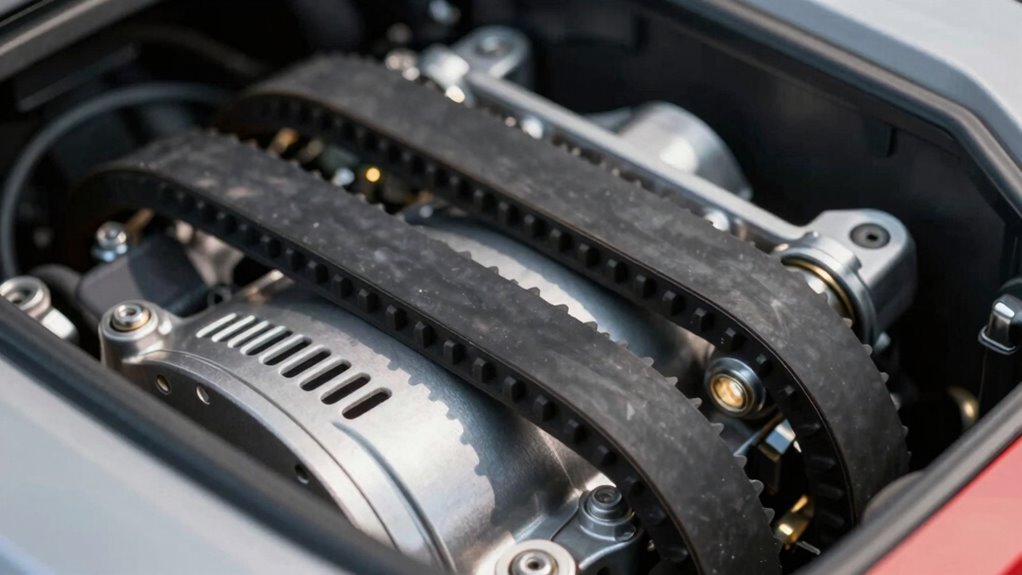
Enhancing ventilation and airflow around your CVT system can substantially reduce heat buildup during operation. Good ventilation design ensures that hot air escapes efficiently, preventing heat from accumulating inside the CVT enclosure. Proper airflow management involves positioning vents and cooling openings strategically to promote consistent air movement. Installing vents near the CVT and exhaust areas helps dissipate heat quickly, while avoiding obstructions that restrict airflow is vital. Using fans or active cooling systems can also improve heat dissipation, especially during extended rides or demanding conditions. By optimizing ventilation design and managing airflow effectively, you keep the CVT system cooler, which reduces belt wear and prolongs its lifespan. Effective airflow strategies are essential for maintaining consistent performance and avoiding heat-related failures.
Choosing Heat-Resistant CVT Components for Better Performance
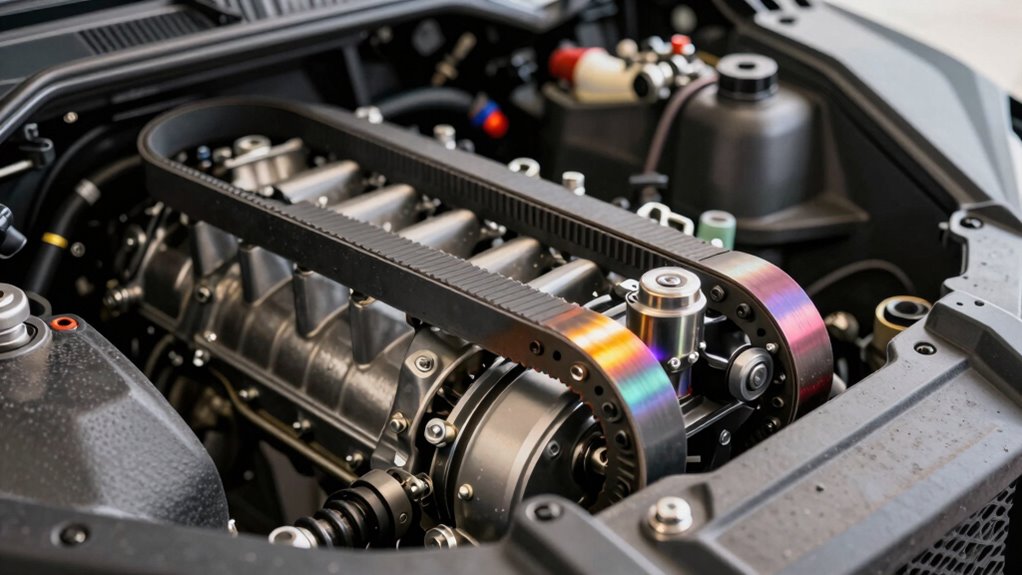
Choosing heat-resistant CVT components is essential if you want your system to perform reliably under demanding conditions. Focus on material selection to confirm each part can withstand high temperatures without degrading. Look for components made from advanced composites, heat-treated metals, or specialized polymers designed for durability. These materials improve component durability, reducing the risk of failure and extending service life. When selecting parts, prioritize those tested for high-heat environments and compatible with your UTV’s operating conditions. Investing in high-quality, heat-resistant components helps maintain consistent belt tension, prevents overheating, and minimizes wear. This proactive approach ensures your CVT system remains efficient, reliable, and capable of handling tough terrains without compromising performance.
What to Do When Your CVT Starts Overheating
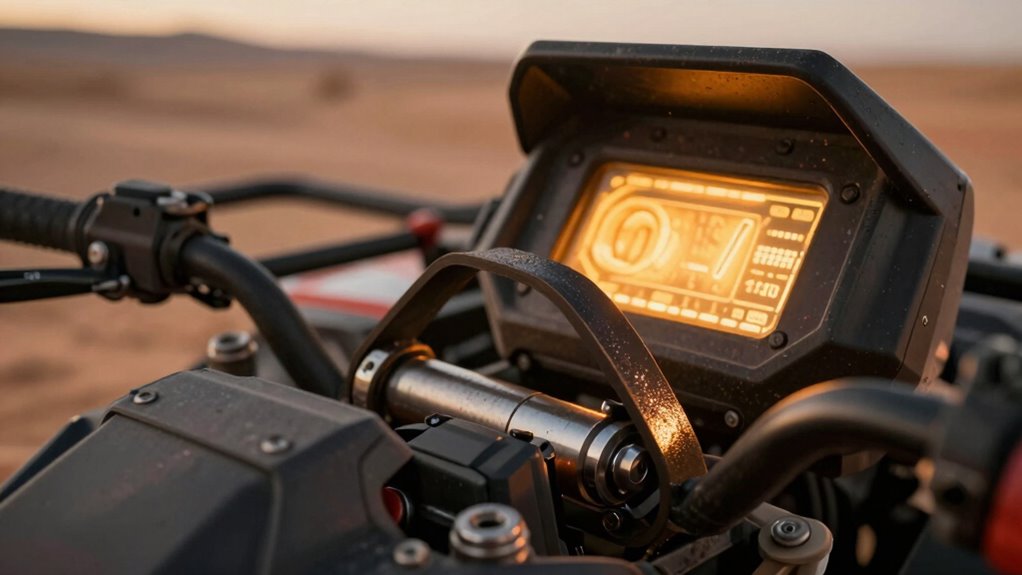
When your CVT begins to overheat, it’s essential to act quickly to prevent serious damage. First, stop riding your UTV and let the system cool down. Check the belt tension; if it’s too loose or too tight, it can cause excess heat. Adjust the belt tension to the manufacturer’s specifications to reduce strain. Next, inspect belt alignment—misalignment can generate unwanted friction and heat. Ensure the belt runs straight and true on the pulleys. Clean any debris or dirt that may be obstructing airflow or causing additional heat buildup. Regular maintenance, including checking belt tension and alignment, helps prevent overheating. Addressing these issues promptly keeps your CVT cooler, prolongs belt life, and maintains peak performance.
Frequently Asked Questions
How Often Should I Inspect My CVT Belt for Heat Damage?
You should inspect your CVT belt for heat damage every 25 to 50 hours of riding or at least once a month, especially if you frequently ride in hot conditions. Regular CVT belt inspection helps you catch signs of heat damage early, preventing costly repairs. To guarantee heat damage prevention, look for glazing, cracks, or hardening on the belt. Keep your cooling system in top shape for longer belt life.
Can Using Aftermarket Cooling Accessories Improve Belt Longevity?
Sure, because nothing screams sophistication like slotting in aftermarket cooling accessories to boost belt longevity. These upgrades can genuinely help you keep temperatures in check, preventing heat buildup that erodes your CVT belt’s lifespan. By investing in aftermarket cooling, you’re actively reducing wear and tear, ensuring your belt lasts longer and performs better. Think of it as giving your UTV a spa day—refreshing, cooling, and extending its life.
Does Riding Style Affect CVT Belt Heat Buildup?
Your riding style definitely impacts CVT belt heat buildup. If you often change riding posture or tackle varied terrain, your belt experiences more stress and heat. Aggressive riding or frequent quick accelerations increase heat, while smooth, consistent riding helps keep the belt cooler. By adjusting your riding habits to maintain steady throttle and choosing terrain wisely, you can reduce heat buildup and extend your CVT belt’s lifespan.
Are There Specific Signs Indicating Imminent Belt Failure Due to Heat?
Yes, signs of imminent belt failure include excessive heat stress causing the belt to show cracks, glazing, or fraying. You might also notice slipping, a burning smell, or reduced performance. These indicators signal that belt deterioration is accelerating due to heat buildup. Regularly inspecting your CVT belt and addressing heat stress early can extend its lifespan and prevent unexpected breakdowns. Stay attentive to these signs to keep your UTV running smoothly.
What Maintenance Schedule Best Prevents CVT Belt Overheating?
You should check your belt tension weekly and adjust it to prevent it from slipping or overheating. Regularly inspect and replace lubrication methods, like applying appropriate grease or cooling spray, to keep heat levels in check. Avoid riding in extreme conditions and give your CVT system a thorough inspection every 25-30 hours of use. This routine keeps your belt cool, extends its lifespan, and prevents catastrophic failures.
Conclusion
By keeping your CVT belt cool, you’re giving it the best chance to breathe easy and last longer. Think of it as tending a delicate flame — too much heat and it’ll burn out too soon. Stay vigilant, manage heat wisely, and choose quality components. With these habits, you’ll keep your belt running smoothly like a well-oiled machine, ensuring your ride stays reliable mile after mile.