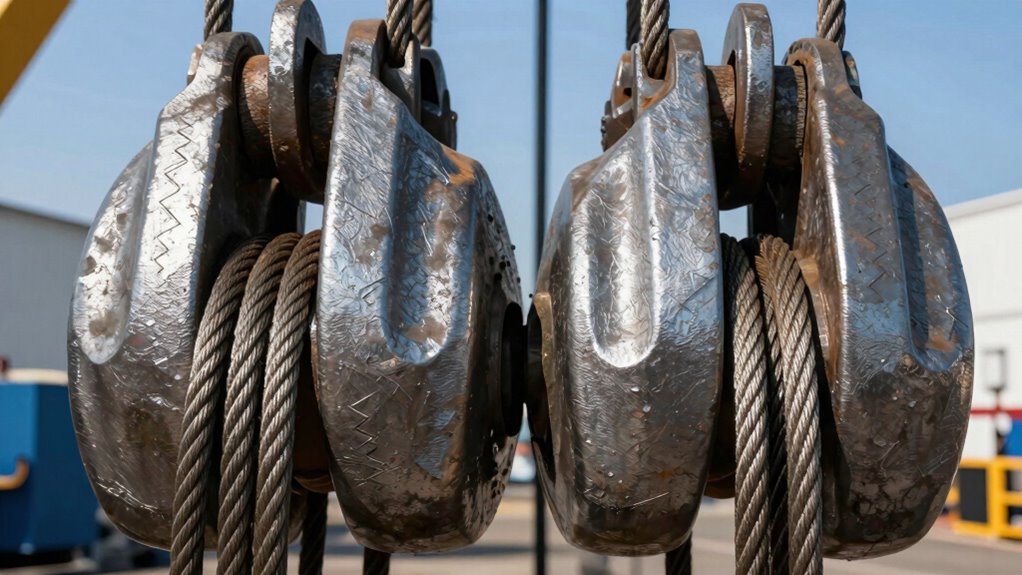

Using a snatch block can double your winch’s pulling power, but it comes with hidden risks. If you don’t check your winch’s specifications, you might overload or damage equipment. Proper setup is essential to distribute loads safely and prevent gear failure. Always inspect the snatch block for wear and verify compatibility before use. By following safety precautions, you’ll avoid accidents and maximize effectiveness—if you want to uncover all the important safety tips, keep scanning ahead.

Get business pricing on garage and car supplies
- Business-only prices and quantity discounts
- Tax-exempt purchasing
- Multiple users, one account, clear invoices
Key Takeaways
- Doubling pull capacity with a snatch block depends on proper setup and compatible winch ratings.
- Not all winches are designed for double-line use; exceeding ratings risks gear failure.
- Correctly rated snatch blocks are crucial to safely increase pulling power without damage.
- Proper load distribution and secure rigging prevent overstressing components during double pulls.
- Regular maintenance and inspection are vital to ensure safety and performance in high-tension recovery setups.
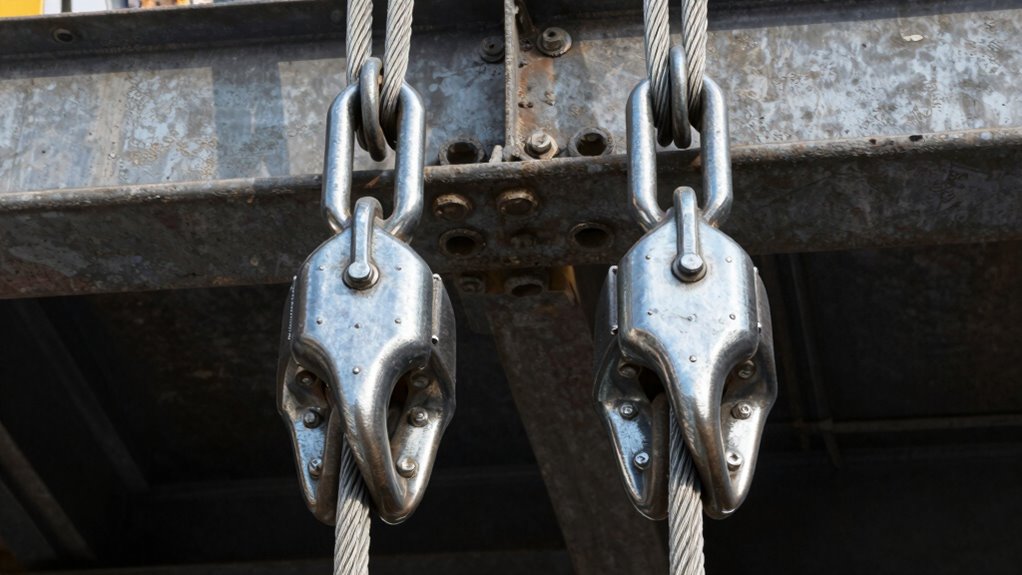
When you need to maximize pulling power, snatch blocks can be a game-changer, especially when you double their capacity. These simple devices allow you to reroute your winch line, effectively doubling the pulling strength without needing a bigger winch. However, before you start doubling your pull, it’s crucial to understand winch compatibility. Not all winches are designed to handle the added stress of a snatch block, especially when used in a double-line setup. Check your winch’s specifications, including maximum load ratings and line capacity, to ensure it can safely handle the increased tension. Using a snatch block with a winch that isn’t compatible can lead to gear failure or dangerous accidents.
Safety precautions should always be your top priority. When installing a snatch block, make sure it’s rated for the load you’re pulling. Inspect the block for any signs of wear or damage before each use, and never use a snatch block that shows cracks, corrosion, or deformities. During operation, keep your hands and face clear of the line and snatch block. When doubling your pulling power, the line experiences more tension, increasing the risk of snapback if something slips or breaks. Always wear gloves and safety goggles, and ensure your bystanders stay well clear of the line’s path. It’s also important to understand the load distribution in a pulley system to prevent overloading any single component. Properly understanding load ratings helps you select equipment that can handle the increased forces safely. Properly adjusting the setup to account for these factors can significantly improve safety and efficiency.
Another safety tip involves understanding the proper setup. When you rig a snatch block to double your pulling power, you’re essentially creating a pulley system that distributes the load. This setup reduces the strain on your winch but also concentrates stress on specific points—like the hook, the line, and the snatch block itself. Make sure all components are rated for the load, and double-check that the line is properly spooled and free of knots or damage. Properly securing the anchor point is also vital; it must be sturdy enough to handle the tension to prevent accidents. Being aware of equipment limitations is essential for safe and effective recovery operations, especially when modifying setups with additional pulleys. Recognizing the importance of proper maintenance of your gear can extend its lifespan and ensure safety during demanding pulls. Additionally, understanding gear ratings can help you select the right equipment for specific loads and conditions.
Finally, remember that safety precautions extend beyond equipment. Communicate clearly with anyone involved in the operation, establish a safe zone around the line, and never stand in the line’s path. Doubling your pulling power with a snatch block is effective, but it’s only safe when you respect your equipment’s limits and follow proper procedures. By paying attention to winch compatibility and safety precautions, you can maximize your pulling power without risking injury or equipment failure.
heavy-duty snatch block for winch
As an affiliate, we earn on qualifying purchases.
As an affiliate, we earn on qualifying purchases.
Frequently Asked Questions
Can Snatch Blocks Be Used With All Types of Winches?
You can use snatch blocks with most types of winches, but compatibility varies. For electric winches, check if the snatch block’s mounting options suit your setup; some offer alternative mounting options for better fit. Not all snatch blocks are compatible with every electric winch, so review the manufacturer’s guidelines. Ensuring proper compatibility guarantees safe and effective double-line pulling, maximizing your winch’s power without risking damage or safety issues.
What’s the Maximum Weight Capacity for Double Pulling?
You’re about to push your equipment to the edge—so what’s the maximum weight capacity for double pulling? It varies, but typically, it can double your winch’s rated capacity, stretching limits to incredible heights—sometimes over 20,000 pounds. But beware: not all gear is compatible, and overloading risks damage or failure. Always check your snatch block’s specifications and verify your winch and rigging can handle the extra force safely.
Are There Safety Concerns With Double Pulling Techniques?
Yes, there are safety concerns with double pulling techniques. You need to follow strict safety protocols to prevent accidents, such as ensuring equipment compatibility and proper setup. Incorrectly using snatch blocks or overloading can lead to equipment failure or injuries. Always double-check that all gear is rated for double pulling, use proper rigging, and communicate clearly with everyone involved to maintain a safe working environment.
How Do You Properly Inspect a Snatch Block Before Use?
Because safety is obviously overrated, right? To properly inspect a snatch block, follow your rigging safety instincts—if you have any. Check the sheaves for cracks or excessive wear, examine the side plates for deformation, and confirm the pin fits snugly. Use an inspection checklist to verify that all components are intact and lubricated. Remember, a well-inspected snatch block keeps your operation smooth and your fingers attached.
Can Double Pulling Damage the Winch or Cable?
Double pulling can damage your winch and cause cable wear if not done correctly. When you double pull, the increased load puts extra stress on the winch components, risking winch damage. It also causes more friction on the cable, accelerating wear and potential failure. To prevent this, make certain your winch and cable are rated for double pulling, and always inspect for wear and damage before and after use.
Conclusion
So, next time you’re considering a snatch block, remember it can double your pulling power—but only if you set it up right. For example, imagine you’re stuck on a muddy trail, and a buddy suggests using a snatch block. With proper setup, you could free your vehicle more easily, saving time and effort. Just keep in mind the limitations and always follow safety guidelines. That little trick could make all the difference in your rescue mission.
Halloween Picks
halloween
As an affiliate, we earn on qualifying purchases.