
GPS trackers for theft recovery focus on real-time location updates, security, and deterrence, helping you recover stolen assets quickly and prevent theft attempts. Ride logging devices, on the other hand, record detailed trip data like routes, distances, and durations to help you manage your journeys and analyze performance. Understanding these differences can help you choose the right device. If you keep exploring, you’ll find out how to optimize security and tracking for your needs.
Key Takeaways
- Theft tracking provides real-time location updates to recover stolen assets, while ride logging records detailed trip data for analysis.
- Theft trackers focus on security features like tamper alerts and encryption, whereas ride logging emphasizes route, speed, and distance recording.
- Theft tracking aims to deter theft and enable quick recovery, while ride logging is used for performance insights and trip management.
- Proper installation and maintenance are crucial for theft trackers to prevent tampering, whereas ride logging devices prioritize accurate sensor calibration.
- Privacy considerations differ: theft tracking data is sensitive for security, while ride logging data can create detailed user profiles.
What Are GPS Trackers and How Do They Work?
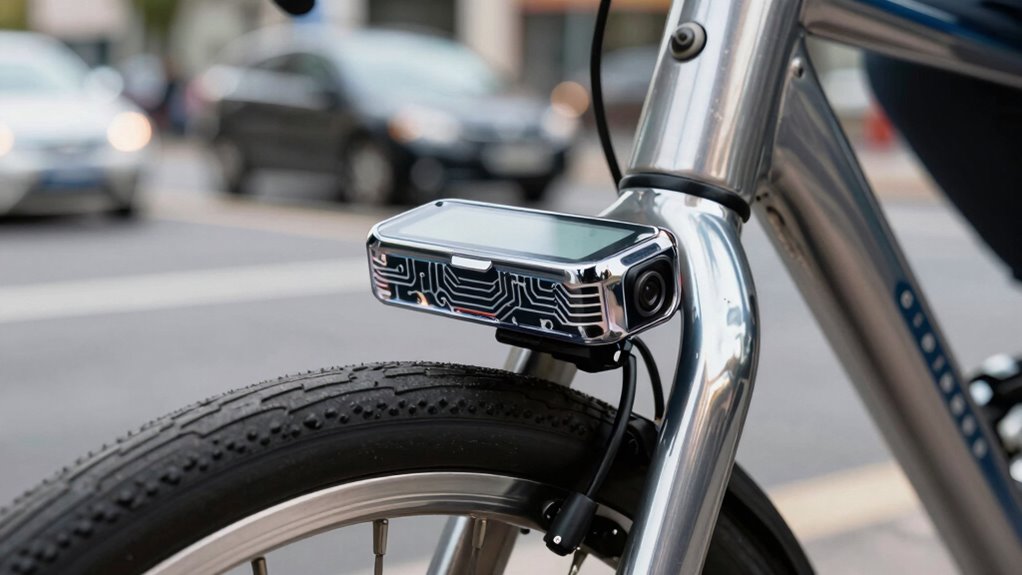
GPS trackers are small devices that use satellite signals to determine and transmit their location in real-time. When you install a device, proper placement is crucial to ensure optimal signal accuracy. You should secure the tracker in a spot with minimal obstructions, like inside a vehicle or a discreet area, to improve reception. Device installation is straightforward but essential; incorrect placement can lead to weak signals or inaccurate readings. Most trackers connect via cellular networks to send location data continuously. The more unobstructed the device’s view of the sky, the better the signal accuracy. This guarantees you get precise, real-time updates, whether you’re tracking a vehicle, asset, or person. Proper installation and understanding of signal strength are key to making the most of your GPS tracking device. Additionally, choosing a device that operates on European cloud infrastructure can enhance data security and compliance with local regulations. Ensuring your tracker has a good signal reception is vital for consistent and reliable tracking performance. Regularly checking and optimizing device positioning can further improve overall accuracy and reliability. For optimal results, consider factors like energetic alignment to enhance the device’s performance and longevity. Maintaining awareness of satellite connectivity can help troubleshoot and optimize device effectiveness over time.
What Is Theft Tracking and Why Is It Important?
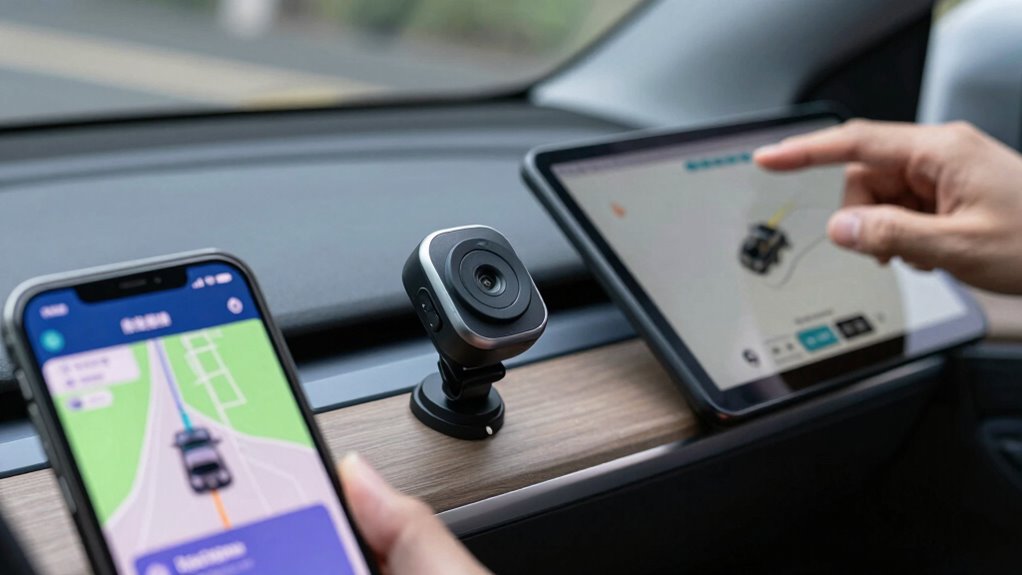
Theft tracking with GPS enhances your security measures by providing real-time location updates. It helps you recover stolen items quickly and acts as a strong deterrent for potential thieves. Knowing your assets are protected gives you peace of mind and control. Additionally, understanding compassionate caregiving principles can help you better support vulnerable loved ones during stressful situations. Recognizing the importance of feature Buddies in technology can also improve your understanding of security features and system reliability. Incorporating modern security protocols further strengthens your overall safety strategy. Being aware of compact living solutions can help you optimize space and ensure your belongings are well-protected in small environments. Implementing reliable tracking devices is essential to maintain consistent monitoring and ensure the safety of your assets.
Enhances Security Measures
When it comes to protecting your valuable assets, tracking technology plays a crucial role in enhancing security. GPS trackers help deter theft by providing real-time location data, making it easier to monitor vehicles and assets. This can positively impact your vehicle insurance premiums, as insurers often offer discounts for equipped security features. For businesses managing multiple vehicles, GPS trackers improve fleet management by enabling better route planning and reducing unauthorized use. They also provide peace of mind, knowing you can quickly verify asset locations and respond to suspicious activity. Overall, integrating GPS tracking into your security measures makes it harder for thieves to succeed and guarantees you stay in control of your assets at all times. Simple systems make it easier to maintain these security features effectively.
Facilitates Rapid Recovery
Tracking technology enables you to locate stolen assets quickly, minimizing downtime and financial loss. When your vehicle is equipped with a GPS tracker, recovery becomes faster and more efficient. This rapid response is especially helpful if you’ve customized your vehicle or altered its appearance, making traditional identification difficult. The tracker provides real-time data, helping authorities pinpoint the exact location of your asset. Additionally, understanding driver behavior through tracking helps you identify suspicious activity early on, increasing the chances of recovery. With immediate access to location information, you can alert law enforcement swiftly, reducing the window for thieves to escape. Implementing reliable tracking technology can significantly enhance your chances of recovery and deter theft attempts. Proper installation planning ensures your system remains effective and tamper-proof, further safeguarding your assets. Utilizing real-time data ensures you stay informed and ready to respond promptly, which is crucial in theft situations. Being aware of theft indicators and how to interpret them can improve your overall security strategy. Ultimately, GPS trackers turn a stressful situation into a manageable one by facilitating rapid recovery and reducing potential losses. Additionally, choosing robust security features can prevent tampering and ensure your tracking system remains operational when needed.
Deters Potential Thieves
Installing GPS trackers acts as a strong deterrent for potential thieves because they know your assets are monitored and can be quickly recovered. Thieves are less likely to target vehicles with GPS, as the risk of getting caught increases. This discourages criminal activity, especially when vehicle customization makes theft more complex. Understanding how GPS technology works can further enhance your security measures. Additionally, selecting the right vehicle tracking system ensures optimal performance and reliability. GPS trackers also influence driver behavior, encouraging responsible handling and reducing risky driving that could attract theft. Using preventative measures like regular updates and security checks can improve the effectiveness of your GPS tracking system. Employing advanced tracking features, such as real-time location updates, further deters theft attempts. Use the table below to see how tracking impacts theft deterrence:
| Effect | Benefit | Example |
|---|---|---|
| Increased detection | Quick recovery, less theft | GPS alerts authorities immediately |
| Deterrence | Discourages theft attempts | Thieves avoid monitored vehicles |
| Behavior modification | Safer driving habits | Fewer risky maneuvers |
How Does Ride Logging Help You Manage Your Trips?
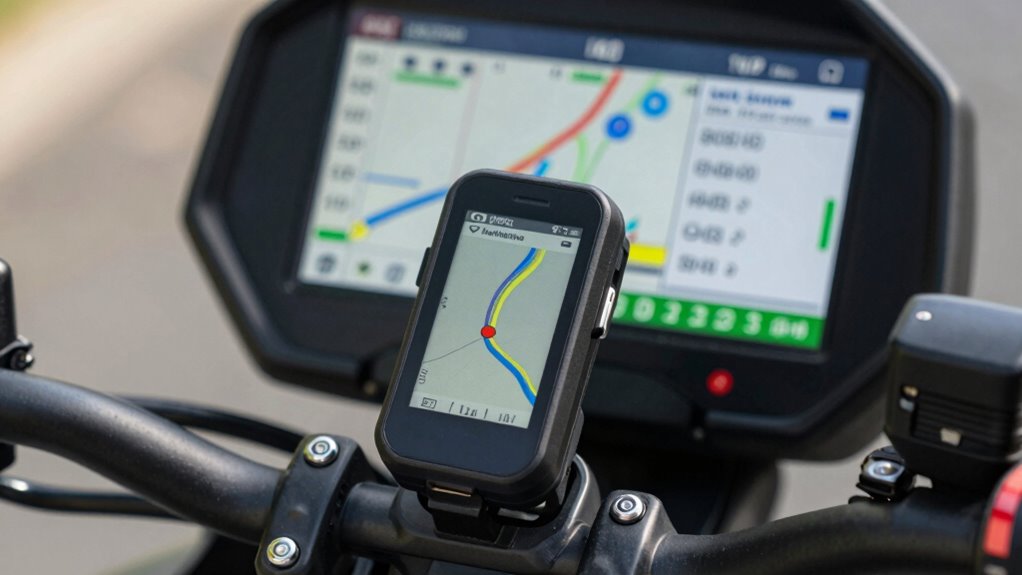
Ride logging provides you with detailed records of your trips, making it easier to plan and optimize your routes. By analyzing your logs, you can identify the most efficient paths, saving time and fuel. It also helps you spot patterns in traffic, allowing you to avoid congested areas during peak hours. With accurate data, you can adjust your schedules and choose alternative routes, improving overall trip management. Ride logging also enables better budgeting by tracking distances and travel times. Whether for daily commutes or long trips, these insights empower you to make smarter decisions. Additionally, understanding your trip data can help you perform basic upgrades and maintenance to improve vehicle performance and reliability. Integrating connected tracking devices with your ride logs further enhances the accuracy and usefulness of your trip data. Utilizing real-time traffic updates can help you respond promptly to unexpected delays and reroute accordingly.
How Do Theft Tracking and Ride Logging Differ?
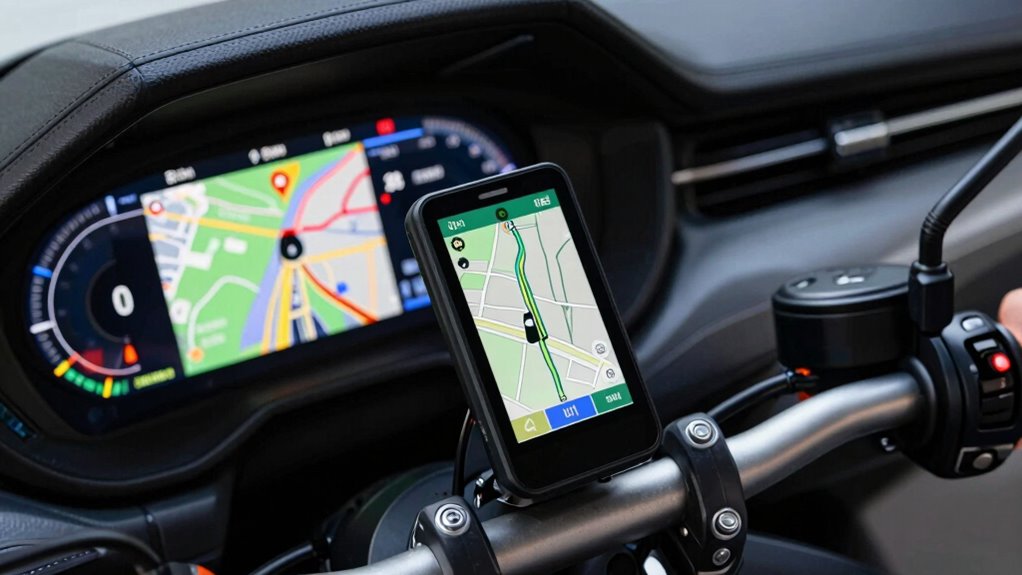
The main difference between theft tracking and ride logging lies in their purpose—one aims to recover stolen items, while the other monitors your trips for personal insights. They use data in different ways, with theft trackers often providing real-time alerts and ride logs focusing on detailed history. Privacy considerations also vary, as theft tracking may require more access to personal information to be effective.
Tracking Purpose Distinction
While GPS trackers serve various purposes, understanding the key differences between theft tracking and ride logging is essential for choosing the right device. The tracking purpose determines what features you’ll need. Theft tracking devices focus on real-time location updates, geofence alerts, and tamper detection to recover stolen property swiftly. Their device capabilities prioritize security and quick response. Conversely, ride logging devices are designed to record routes, distances, and duration, making them ideal for performance analysis or trip documentation. These trackers often include features like detailed playback and data storage. By clarifying your tracking purpose, you can select a GPS device with the appropriate capabilities, ensuring it aligns with your goals—whether safeguarding your vehicle or tracking your journeys.
Data Utilization Methods
Understanding how GPS trackers utilize data is essential when choosing the right device for your needs. Theft tracking devices prioritize real-time location updates, often relying on sensor calibration to guarantee accurate positioning, especially in challenging environments. They transmit data securely, employing data encryption to prevent interception by criminals. Ride logging devices, however, focus on recording detailed trip histories, which may involve periodic data collection and storage. These devices may calibrate sensors to track speed, distance, and routes precisely over time. While both types use encrypted data to protect your information, theft trackers emphasize rapid, secure alerts, whereas ride loggers concentrate on thorough, accurate data collection for analysis. Knowing these differences helps you select a device that best aligns with your security or tracking needs.
Privacy Considerations
Because theft tracking devices often operate in real-time and transmit location data frequently, they raise significant privacy concerns, especially if the data falls into the wrong hands. Your personal data, including precise location information, can be exposed or misused without proper safeguards. Theft trackers focus on monitoring a specific asset or vehicle, which means your location privacy is limited to that context. In contrast, ride logging devices collect extensive data about your daily movements, potentially creating detailed profiles of your habits and routines. This broader data collection heightens privacy risks, as your personal information could be accessed or shared without your consent. Understanding these differences helps you weigh the benefits of theft tracking against the importance of protecting your privacy.
Which GPS Tracking Features Are Best for Your Needs?
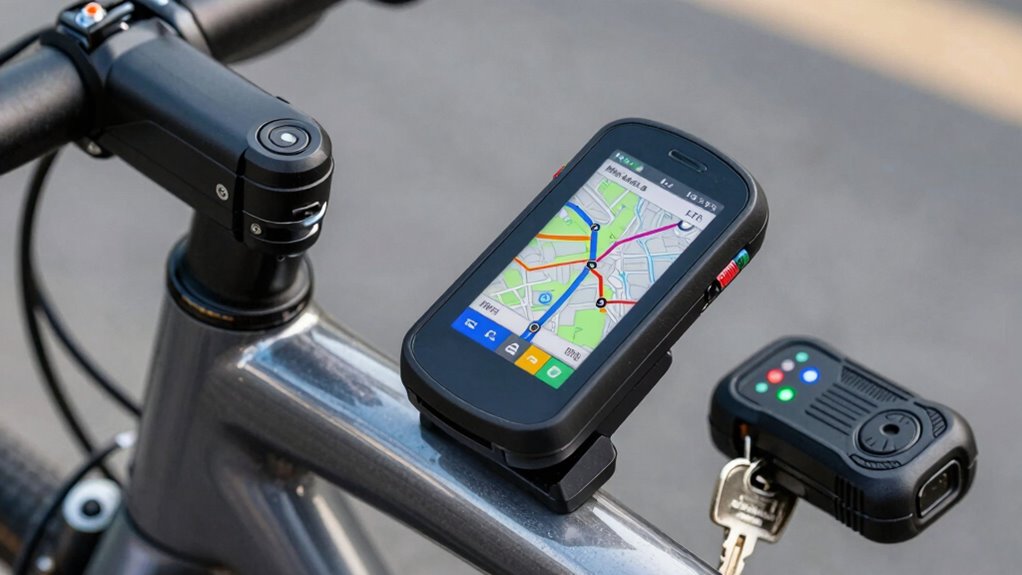
Choosing the right GPS tracking features depends on your specific needs and priorities. If you want to monitor vehicle health, look for features that support vehicle maintenance alerts, like engine diagnostics or fuel usage tracking. To improve safety and accountability, focus on driver behavior features such as speed monitoring, harsh braking alerts, and route history. These tools help you identify risky driving patterns and promote safer habits. If you’re managing a fleet, real-time location updates and geofencing can streamline operations. For personal use, simple trip logging and location history might suffice. Consider your main goals—whether preventing theft, improving efficiency, or ensuring driver safety—and select features that directly support those objectives. The right combination ensures you maximize your GPS tracker’s benefits.
Common Mistakes to Avoid When Using GPS Trackers
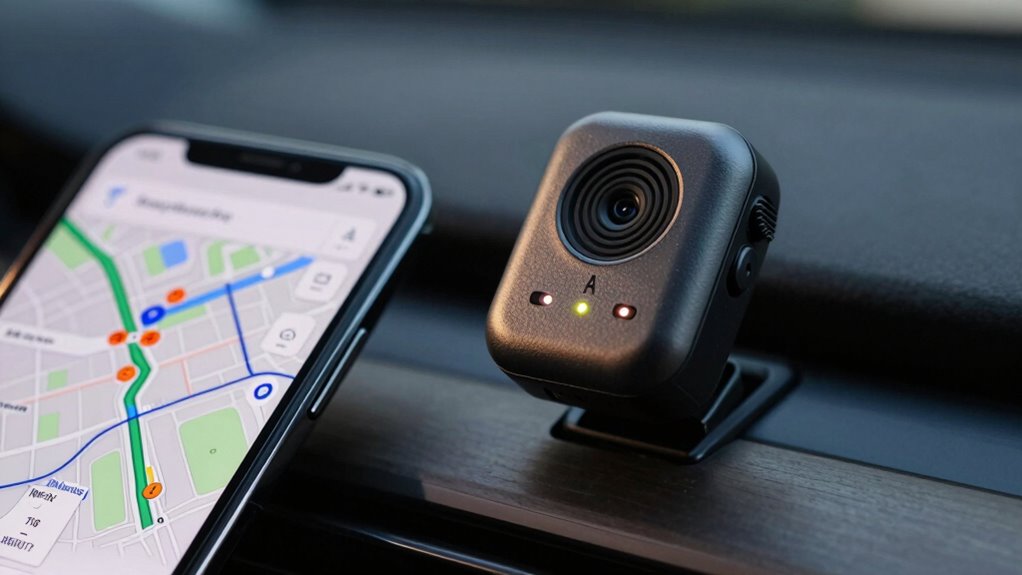
Even with the most advanced GPS tracking features, users often make mistakes that reduce their effectiveness or compromise privacy. One common error is neglecting installation pitfalls, such as placing the tracker where it’s easily discovered or inaccessible, which can lead to tampering or removal. Proper installation ensures reliable data collection and security. Additionally, overlooking battery maintenance can cause trackers to shut down unexpectedly, losing valuable information. Regularly check and charge the device, especially if it’s used for long-term monitoring. Avoid hiding trackers in obvious spots or ignoring the manufacturer’s placement guidelines, as this can diminish accuracy. By paying attention to correct installation and consistent battery maintenance, you maximize your GPS tracker’s performance and safeguard your monitoring efforts.
How to Maximize Your GPS Tracker’s Security and Monitoring Benefits
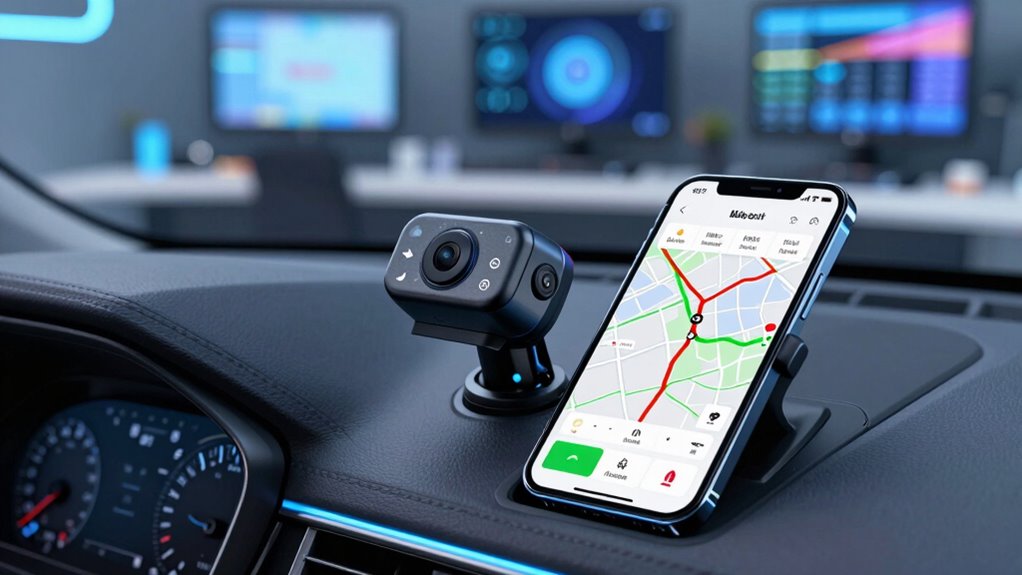
To maximize your GPS tracker’s security and monitoring benefits, focus on strategic placement and ongoing management. Place the tracker where it’s less accessible to prevent tampering, such as hidden within the vehicle or cargo. Regularly check the device’s functionality to ensure accurate tracking, supporting vehicle maintenance and preventing unexpected breakdowns. For fleet management, implement consistent monitoring routines to oversee multiple vehicles efficiently, reducing theft risks and optimizing routes. Update software and firmware as needed to protect against vulnerabilities. Train your team on proper usage, emphasizing the importance of secure placement and timely updates. By maintaining active oversight, you ensure your GPS tracker provides reliable data, enhances security, and improves overall vehicle and fleet management.
Frequently Asked Questions
Can GPS Trackers Be Used Anonymously?
Yes, GPS trackers can be used anonymously, but it’s important to take privacy considerations into account. Some devices allow for anonymous tracking by not linking to personal information, giving you more privacy. However, using trackers without consent could breach privacy laws or ethical boundaries. Always make sure you’re complying with relevant regulations and respecting others’ privacy when choosing to use anonymous tracking methods.
What Is the Battery Life of Typical GPS Trackers?
Think of battery life as a race car’s fuel tank—you’ll want it to last long enough to reach the finish line. Typical GPS trackers offer battery longevity from a few days to several weeks, depending on their power consumption and features. High-precision models tend to drain batteries faster, while simpler trackers last longer. To keep your device running smoothly, choose one optimized for low power consumption, so it doesn’t run out of juice unexpectedly.
Are GPS Trackers Legal in All Regions?
You should check local tracking regulations before using GPS trackers, as their legality varies by region. Privacy concerns are important, and some areas have strict tracking laws to protect individual rights. In certain places, you need consent to track someone or an asset, while others may prohibit tracking without proper authorization. Always stay informed about privacy concerns and adhere to regional tracking regulations to avoid legal issues.
How Accurate Are GPS Trackers in Urban Areas?
In urban areas, GPS trackers are generally quite accurate, but urban signal and accuracy challenges can affect their performance. Tall buildings, tunnels, and dense infrastructure may cause signal interruptions or reflections, leading to slight inaccuracies. However, most modern GPS devices compensate for these issues with advanced algorithms, so you can still rely on them for precise location tracking, especially when using devices with real-time updates and multiple satellite connections.
Can GPS Data Be Accessed Remotely by Unauthorized Users?
Think of your GPS data like a secret message in a bottle drifting across the sea. Unauthorized users can’t easily access it, thanks to data encryption that acts as a strong lock. However, privacy concerns remain if hackers find vulnerabilities or if you don’t secure your device properly. Always guarantee your GPS tracker uses robust encryption and update its security settings to keep your location details safe from prying eyes.
Conclusion
Think of GPS trackers as your vehicle’s loyal guardian angel, always watching over it. Whether catching thieves in their tracks or recording your journeys, these tools keep your ride safe and organized. By understanding their differences and using them wisely, you’re steering your vehicle through a safer, more confident road. Remember, with the right features, you’re the captain of your car’s story—protecting it like a treasure chest on a never-ending adventure.