Your hands may go numb from vibrations transmitted by power tools and machinery, which cause microtrauma to nerves and blood vessels over time. High vibration intensity, prolonged exposure, and resonant frequencies worsen nerve compression and blood flow, leading to tingling and loss of sensation. To prevent this, you can minimize exposure, use ergonomic and vibration-dampening tools, and incorporate hand exercises. If symptoms persist, proper management and safety measures can help, which you’ll learn more about below.
Key Takeaways
- Prolonged exposure to high vibration levels from power tools can compress nerves, leading to numbness and tingling in the hands.
- Repetitive use of vibrating machinery causes microtrauma to nerves and blood vessels, impairing circulation and nerve signaling.
- Proper ergonomic practices, such as using vibration-dampening tools and taking regular breaks, help prevent hand numbness.
- Hand exercises, like finger stretches and wrist rotations, improve circulation and reduce nerve compression caused by vibration.
- Seeking medical attention is essential if numbness persists or worsens, indicating potential nerve damage needing professional diagnosis and treatment.
Recognize the Early Signs of Hand Numbness From Vibration

Recognizing the early signs of hand numbness caused by vibration exposure is essential for preventing long-term nerve damage. You may notice tingling or a “pins and needles” sensation, which indicates impaired nerve conduction. Reduced grip strength and difficulty sensing temperature or texture are also common initial symptoms, signaling sensory nerve involvement. Pay attention to persistent discomfort, such as throbbing or aching, especially after prolonged tool use. Skin sensitivity might diminish, leading to difficulty detecting subtle stimuli. These signs often appear gradually, making early detection vital. If you experience any of these symptoms, it’s a clear warning that your nervous system is being affected by vibration exposure. Understanding vibration exposure risks can also help you communicate these risks effectively to others and advocate for safer work practices. Recognizing early nerve damage signs enables prompt intervention, which can significantly reduce the likelihood of permanent impairment. Early preventative measures are crucial in stopping the progression of nerve damage before irreversible injury occurs. Prompt recognition allows you to take preventative measures before irreversible nerve damage occurs.
What Causes Hand Numbness When Using Power Tools and Machinery?

The vibration intensity levels and duration of exposure considerably influence the development of hand numbness during tool use. Higher vibration levels transmit more energy to your hand tissues, increasing nerve compression risks, especially with prolonged use. Understanding how these factors interact helps identify when hand numbness is likely to occur and how to mitigate it effectively.
Vibration Intensity Levels
High vibration intensity levels in power tools and machinery deliver substantial mechanical impulses directly to your hands, which can disrupt nerve signaling and impair blood flow. When vibration exceeds certain thresholds—typically measured in meters per second squared (m/s²)—it causes microtrauma to nerve fibers and endothelial cells lining blood vessels. This damage leads to increased vascular resistance and reduced perfusion, contributing to numbness and tingling sensations. The vibration’s frequency also influences its impact: higher frequencies tend to resonate more with nerve tissues, amplifying nerve conduction disruptions. Additionally, the amplitude of vibration determines the magnitude of mechanical stress inflicted on tissues. Prolonged exposure to high-intensity vibrations accelerates nerve and vascular damage, heightening the risk of developing Hand-Arm Vibration Syndrome (HAVS). Understanding these intensity levels helps in selecting tools and adopting practices to minimize health risks. Proper ergonomic practices can further reduce the strain and potential damage caused by vibration exposure. Being aware of vibration exposure limits allows users to take proactive steps to protect their health.
Duration of Exposure
Prolonged exposure to vibration from power tools and machinery considerably increases the risk of hand numbness by allowing mechanical and physiological effects to accumulate over time. Extended vibration exposure causes microtrauma to peripheral nerves and blood vessels, impairing nerve conduction and reducing blood flow. This persistent mechanical stress induces inflammation and demyelination of nerve fibers, leading to sensory deficits. The cumulative effect also results in muscle fatigue and decreased proprioception, exacerbating numbness sensations. The duration of exposure correlates directly with nerve and vascular damage severity; even moderate vibrations become problematic if sustained for hours. Without proper rest periods or vibration mitigation strategies, these physiological disruptions compound, elevating the risk of developing conditions like Hand-Arm Vibration Syndrome (HAVS). Understanding vibration effects is essential for implementing effective safety measures and reducing long-term health risks. Additionally, exposure duration is a critical factor that influences the extent of nerve and vascular damage, emphasizing the importance of limiting continuous use. Recognizing the mechanical and physiological impacts of vibration helps in designing better protective equipment and work practices. Implementing proper ergonomic techniques can further help minimize the adverse effects of vibration exposure. Moreover, applying vibration damping materials can significantly reduce the transmission of harmful vibrations to the hands.
How to Prevent Vibration-Induced Hand Numbness
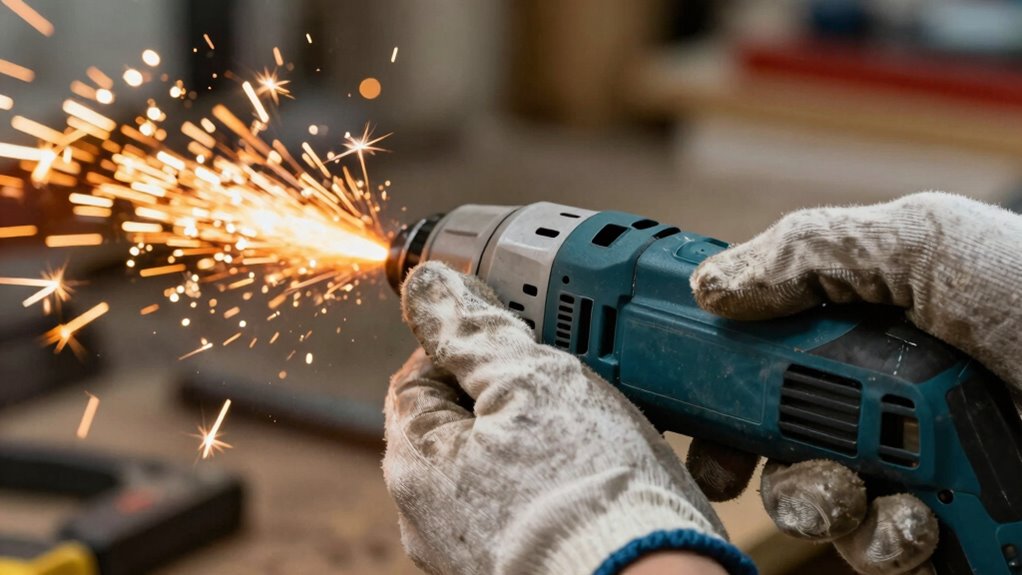
To effectively prevent vibration-induced hand numbness, you need to minimize your exposure to vibrating tools and equipment by implementing proper ergonomic practices. Use tools with low vibration levels, ensuring they meet industry standards such as ANSI or ISO guidelines. Maintain a firm but relaxed grip to reduce transmitted forces, and avoid overexertion that increases vibration impact. Position your hands and arms to keep joints in neutral alignment, minimizing strain and vibration transfer. Incorporate anti-vibration gloves designed to absorb shocks, and take scheduled breaks to reduce cumulative exposure. Make sure tools are well-maintained, with lubrication and proper calibration, to operate smoothly and reduce unnecessary vibration. Properly adjusting the height and support of your work surface also helps distribute forces evenly, further decreasing nerve stress. Additionally, training in proper tool use can help you learn techniques to further reduce vibration transfer to your hands. Being aware of vibration exposure limits and adhering to recommended safety guidelines can significantly lower the risk of nerve damage over time. Regularly monitoring body piercing sites for signs of irritation can help prevent complications that might contribute to discomfort during repetitive tasks. Incorporating ergonomic assessments into your routine can identify additional ways to minimize strain and vibration exposure, especially through workstation modifications that optimize posture and reduce repetitive stress.
Tips to Relieve Hand Numbness and Manage Symptoms
Implementing gentle hand exercises can improve circulation and reduce numbness by promoting joint mobility and muscle relaxation. Incorporating modern kitchen technology such as ergonomic tools minimizes nerve compression and strain, easing symptom severity. Additionally, applying warmth and engaging in relaxation techniques can enhance blood flow and alleviate discomfort associated with hand numbness. Incorporating proper maintenance routines can also prevent equipment vibrations that contribute to nerve irritation.
Gentle Hand Exercises
Gentle hand exercises are an effective way to improve circulation, reduce nerve compression, and alleviate numbness in the hands. These exercises enhance blood flow and promote nerve mobility, mitigating the effects of vibration-induced nerve irritation. To optimize benefits, consider incorporating these techniques:
- Finger Flexion and Extension – Slowly bend and straighten each finger, holding for 3 seconds to stretch the tendons and improve joint flexibility.
- Wrist Rotations – Rotate your wrists clockwise and counterclockwise in controlled, circular motions for 10 repetitions to increase synovial fluid circulation.
- Palm Squeezes – Squeeze a soft rubber ball or fist for 5 seconds, then release, to stimulate muscle engagement and enhance peripheral blood flow.
- Proper ergonomic practices and technological integration can further help prevent nerve irritation caused by vibration. Additionally, using anti-vibration gloves can significantly reduce exposure to harmful vibrations during activities. Incorporating regular stretching routines and staying mindful of nerve health can also help maintain flexibility and reduce stiffness in the hands. Moreover, maintaining good overall circulatory health supports nerve recovery and performance. Regularly practicing these exercises promotes overall nerve and vascular health, which is crucial for managing vibration-related symptoms.
Ergonomic Workspace Setup
An ergonomic workspace setup plays a crucial role in reducing hand numbness by minimizing strain on nerves and muscles during prolonged activities. To achieve this, verify your workstation promotes proper wrist alignment by using an adjustable keyboard tray or wrist rests that keep your wrists in a neutral position. Maintain your keyboard and mouse at elbow height to prevent excessive extension or flexion, which can compress nerves. Incorporate a supportive chair with lumbar support, encouraging an upright posture that reduces shoulder and neck tension. Position frequently used tools within easy reach to avoid overextension. Keep your monitor at eye level to prevent forward neck tilt, which can influence upper limb positioning. Regularly adjusting your posture and workstation components can considerably alleviate nerve compression, decreasing the likelihood of numbness caused by sustained mechanical stress. Additionally, understanding your clean-home systems and maintaining proper equipment setup can help prevent repetitive strain injuries that contribute to numbness.
Warmth and Relaxation
Applying heat or engaging in relaxation techniques can effectively reduce hand numbness by promoting blood flow and decreasing muscle tension. Warmth dilates blood vessels, enhancing circulation and delivering oxygen and nutrients to affected tissues. Relaxation methods, such as progressive muscle relaxation or deep breathing, decrease sympathetic nervous system activity, reducing muscle constriction and nerve compression. To optimize relief, consider these strategies:
- Use warm compresses: Apply a moist heat pack to affected areas for 15-20 minutes to improve vasodilation and nerve conduction.
- Practice targeted relaxation: Incorporate progressive muscle relaxation focusing on the hands and forearms to alleviate tension-induced nerve compression.
- Maintain consistent activity: Engage in regular, gentle hand stretches and movements to sustain circulation and prevent muscle rigidity.
These interventions support nerve health and mitigate numbness symptoms effectively.
When Should You See a Doctor About Persistent Hand Numbness?
Determining when to see a doctor for persistent hand numbness is essential, as prolonged or worsening symptoms may indicate underlying neurological or vascular conditions requiring prompt medical evaluation. If numbness persists beyond a few days, progressively worsens, or is accompanied by weakness, tingling, or loss of coordination, seek medical attention immediately. Sudden onset of numbness, especially if associated with chest pain, dizziness, or difficulty speaking, warrants urgent care. Chronic numbness that interferes with daily activities or causes significant discomfort should also prompt a professional assessment. These symptoms could signal nerve compression, peripheral neuropathy, or cerebrovascular issues that need precise diagnosis and targeted treatment. Delaying medical intervention increases the risk of irreversible nerve damage or serious neurological sequelae.
Choosing the Right Tools to Minimize Vibration Risks
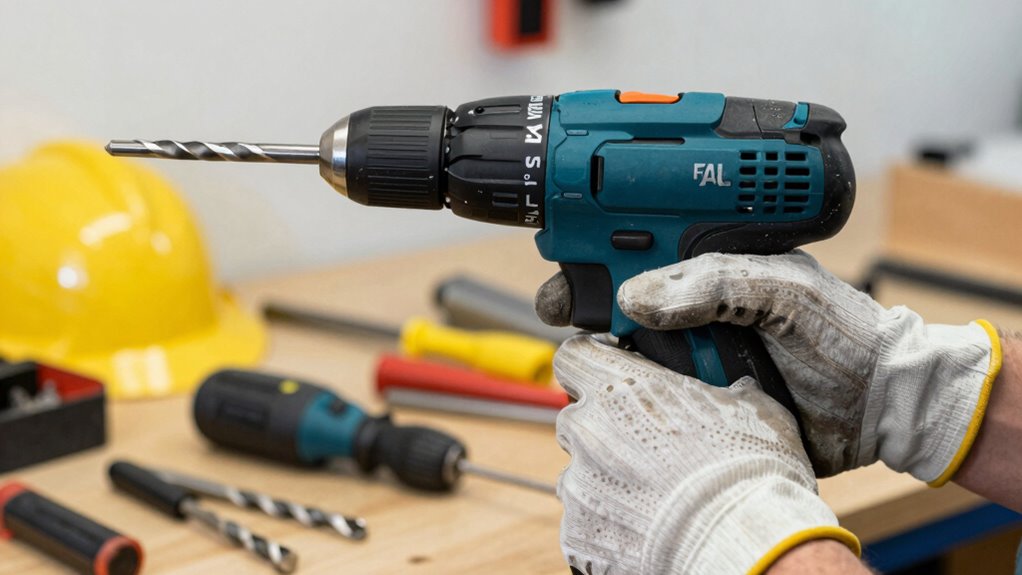
Selecting the appropriate tools is essential for reducing vibration exposure and preventing hand-arm vibration syndrome (HAVS). To minimize risks, focus on tools that incorporate advanced vibration dampening technologies and ergonomic designs. Consider these key factors:
- Vibration-dampening handles: Opt for tools with rubberized or padded grips that absorb vibrations at the source, reducing transmitted forces to your hands.
- Low-vibration motors and mechanisms: Choose equipment engineered with balanced motors and anti-vibration features to limit oscillations and repetitive shocks.
- Weight and balance: Use lightweight tools with proper weight distribution to lessen muscular strain and vibration impact during prolonged use.
Prioritizing these elements ensures your tools contribute to safer, more comfortable operation, decreasing the risk of hand numbness and related conditions.
Simple Changes to Protect Your Hands During Work
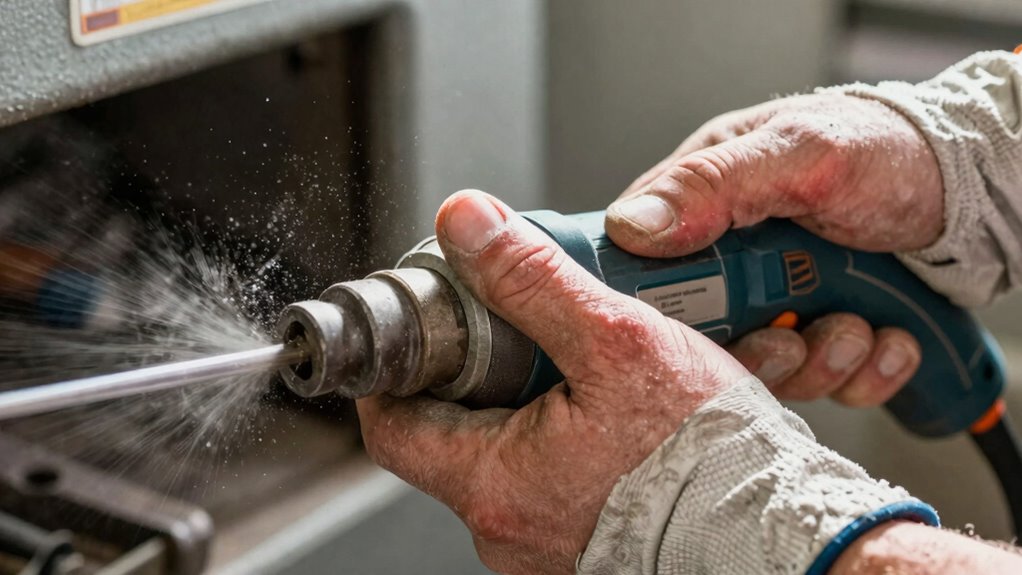
Implementing simple adjustments to your work routine can considerably reduce hand strain and vibration exposure. Begin by integrating regular breaks every 15 to 20 minutes to interrupt continuous vibration transmission. Use ergonomic handles designed to dampen vibrations, ensuring they fit comfortably in your hand to reduce grip force. Adjust your work posture to minimize wrist extension and ulnar deviation, which can amplify nerve compression. Maintain proper tool maintenance; sharp blades and balanced equipment decrease unnecessary vibrations. Apply anti-vibration gloves only as supplementary protection, not primary. Additionally, incorporate hand stretches and strengthening exercises during breaks to improve circulation and muscle resilience. These targeted modifications optimize load distribution and minimize vibration transfer, markedly lowering your risk of numbness and related hand ailments during prolonged tasks.
Frequently Asked Questions
Can Vibration Exposure Cause Long-Term Nerve Damage?
Yes, prolonged vibration exposure can cause long-term nerve damage, particularly in the hands and fingers. Vibration leads to microtrauma in nerve fibers and surrounding tissues, impairing nerve conduction. Over time, this can result in conditions like hand-arm vibration syndrome (HAVS), characterized by numbness, tingling, and loss of dexterity. To prevent permanent damage, limit exposure, use vibration-dampening tools, and take regular breaks during vibrating work.
Are There Specific Gloves That Can Reduce Vibration Transmission?
Yes, specialized anti-vibration gloves markedly reduce vibration transmission to your hands. Studies show these gloves can cut vibration exposure by up to 50%, lowering the risk of nerve damage and numbness. They feature shock-absorbing materials like gel or foam that dampen vibrations from power tools and machinery. For ideal protection, choose gloves with certified anti-vibration properties, ensuring they fit well and are appropriate for your specific tasks.
How Does Hand Numbness From Vibration Differ From Carpal Tunnel Syndrome?
Hand numbness from vibration typically results from localized nerve compression or irritation caused by repetitive exposure, leading to tingling, numbness, or loss of sensation in specific fingers. In contrast, carpal tunnel syndrome involves compression of the median nerve at the wrist, causing pain, weakness, and numbness that often radiates up the arm. Vibration-induced numbness is usually transient and positional, while carpal tunnel symptoms persist and worsen without intervention.
What Are the Latest Technological Innovations to Reduce Vibration Risk?
You can reduce vibration risk using advanced ergonomic tools like vibration-dampening gloves, which absorb shock and minimize hand exposure. Innovative powered tools now feature integrated anti-vibration technology, including isolated handles and active vibration control systems that counteract oscillations in real-time. Additionally, smart monitoring devices track vibration levels, alerting you when exposure exceeds safe thresholds, helping you adjust work practices proactively to prevent nerve damage and improve long-term comfort.
Are Certain Occupations More Prone to Vibration-Induced Hand Numbness?
Yes, certain occupations are more prone to vibration-induced hand numbness. You face higher risks if you work with power tools like jackhammers, grinders, or chainsaws, especially with prolonged exposure. Construction workers, mechanics, and forestry professionals frequently use vibrating equipment, increasing their vulnerability. Without proper ergonomic practices and vibration-dampening tools, you might develop numbness, tingling, or even nerve damage over time.
Conclusion
To prevent vibration-induced hand numbness, recognize early signs, choose tools wisely, and implement ergonomic practices. Address symptoms promptly, maintain proper grip and posture, and use anti-vibration accessories. Regularly inspect and maintain equipment to reduce risk, and seek medical advice if numbness persists. By staying vigilant, adopting preventive measures, and prioritizing hand health, you can minimize discomfort, improve safety, and sustain productivity during your work. Consistent awareness and proactive steps are essential for long-term hand health.