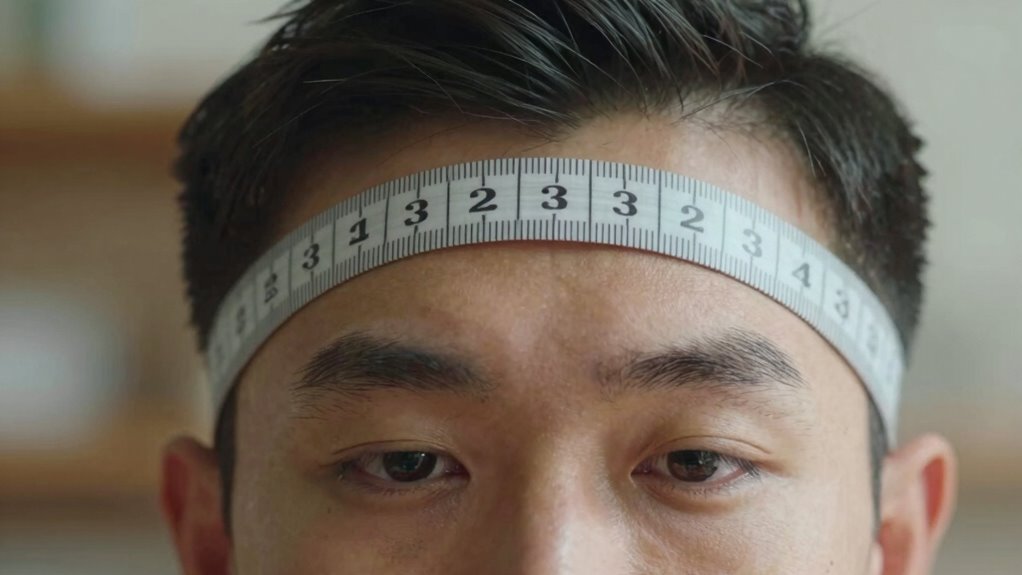
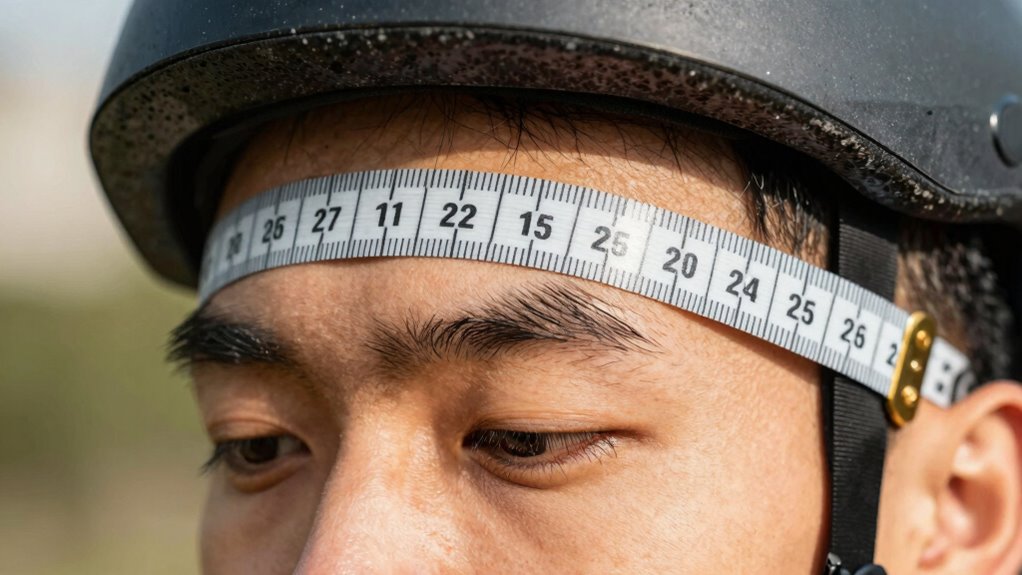
Stop guessing your helmet size and start measuring accurately with a flexible tape measure. Wrap it snugly around the widest part of your head, just above your eyebrows and ears, ensuring the tape is level and flat. Record the measurement in centimeters or inches, then compare it to the brand’s size chart for the best fit. If you want to find a helmet that offers peak safety and comfort, keep going — you’re about to learn how to do it right.
Key Takeaways
- Use a flexible, soft tape measure positioned just above the eyebrows and ears for accurate head circumference.
- Keep the tape snug but not tight, ensuring it lies flat and level around the widest part of the head.
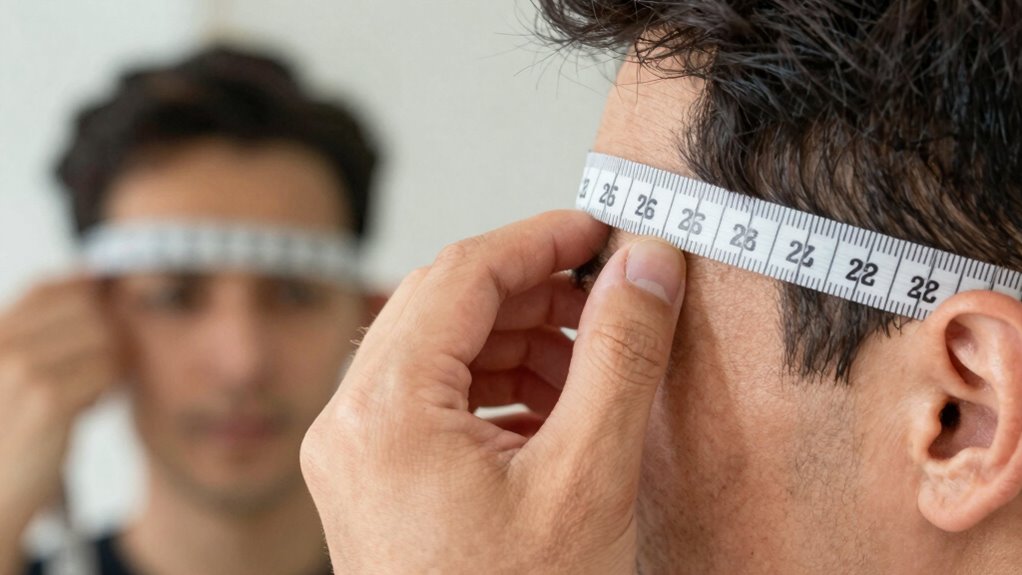
- Have a helper or use a mirror to verify correct tape placement and avoid misalignment.
- Record the measurement in centimeters or inches, re-measuring if the reading seems inconsistent.
- Compare your measurement to brand-specific sizing charts to select the properly fitting helmet.
Why Accurate Head Measurement Is Key to Safe, Comfortable Helmet Fit
Getting an accurate head measurement is essential because a properly fitted helmet provides maximum safety and comfort. When your helmet fits correctly, you reduce the risk of it slipping or causing pressure points, which can compromise helmet safety. Fit accuracy guarantees that the helmet stays securely in place during impacts, offering reliable protection. Ill-fitting helmets can be uncomfortable and distracting, making it harder to stay focused on your activity. By measuring your head accurately, you can choose a helmet that contours well to your skull, providing both safety and comfort. Proper sizing standards ensure that helmets fit consistently across different brands and models. Consistent sizing standards help you compare helmets more effectively and select the best fit. Remember, even small measurement errors can lead to a helmet that doesn’t fit properly, diminishing its protective qualities. Ensuring your helmet adheres to proper sizing standards is crucial for optimal fit and safety. Prioritizing precise head measurement is the key to enjoying your activity safely and comfortably, especially since helmet fit directly impacts overall safety performance. Additionally, using a reliable measurement method helps achieve the precise sizing needed for maximum protection.
How to Measure Your Head With a Tape Measure : Step-By-Step
To get an accurate measurement, you need the right tools and to measure correctly. Grab a flexible tape measure that fits snugly around your head. Follow the steps carefully to ensure your helmet will fit comfortably and safely. Additionally, taking your measurement at the same time each day can help account for any slight variations in head size due to swelling or other factors for a precise fit. Ensuring proper helmet sizing can significantly improve safety and comfort during use. Using a proper measurement technique can help you find the most accurate size and prevent discomfort or safety issues. Remember that head circumference can vary slightly based on factors such as time of day or recent activities, so measuring consistently is key.
Gather Your Tools
You’ll need a flexible tape measure to get an accurate head measurement. Using proper measurement tools is essential for guaranteeing measurement accuracy, which directly impacts helmet fit. Before you start, gather these items:
- A soft, flexible tape measure designed for body measurements
- A mirror or someone to help you see the tape placement
- Pen and paper to record your measurement
Having a clear understanding of your head size helps ensure you select the correct helmet fit, especially since helmets come in various sizes and styles. These tools help you stay precise and avoid guesswork. A quality measurement tool ensures consistency, so your helmet size choice is based on reliable data. Remember, the right measurement tools streamline the process and improve accuracy. Investing in a good tape measure and preparing the necessary items ensures a smooth measurement session, giving you confidence in selecting the perfect helmet fit. Additionally, understanding your head circumference is crucial for choosing the right helmet size and ensuring optimal safety and comfort. Using a proper fitting method can further ensure your helmet provides maximum protection and comfort during use, especially considering the importance of accurate measurements for safety.
Measure Correctly
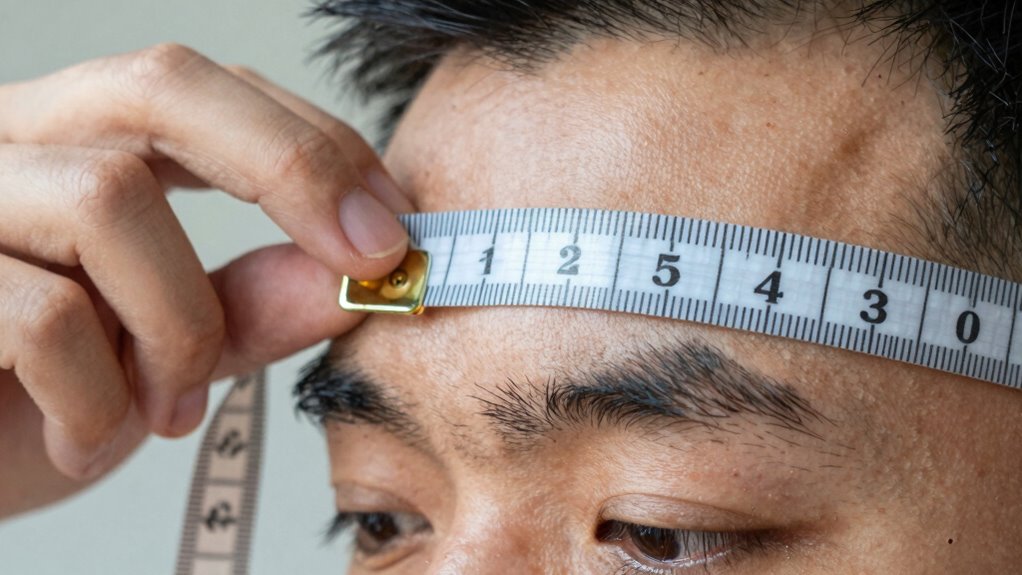
Measuring your head accurately with a tape measure is essential for selecting the right helmet size. Proper measurement guarantees you choose a helmet that fits comfortably, considering different helmet styles and material durability. To get an exact measurement, wrap the tape measure around the widest part of your head, just above your eyebrows and ears. Keep the tape snug but not tight, and note the measurement in centimeters or inches. Use the table below to interpret your size based on helmet styles and material durability:
| Helmet Style | Material Durability | Head Circumference | Recommended Size |
|---|---|---|---|
| Road | High | 55-58 cm | Small |
| Mountain | Moderate | 59-61 cm | Medium |
| BMX | High | 62-64 cm | Large |
| Commuter | Moderate | 55-60 cm | Small/Medium |
| Cruiser | Low | 60-64 cm | Large |
Accurate measurement helps guarantee your helmet offers the best protection and comfort. Additionally, understanding the support options available can ensure you select a helmet that meets your safety and comfort needs effectively. Properly measuring your head also ensures compatibility with different helmet styles and materials for optimal safety. Taking the time to measure your head accurately can prevent common issues like discomfort or inadequate protection during use. Recognizing the importance of correct helmet fit can significantly enhance your overall safety experience, especially when considering how helmet styles influence comfort and safety.
How to Read Helmet Size Charts for the Perfect Fit
Ever wonder how to interpret helmet size charts accurately? Understanding sizing charts is key to helmet safety and a comfortable fit. First, measure your head circumference precisely, then compare it to the chart’s measurements. Remember, sizing charts vary by brand, so always check each brand’s specific chart. Additionally, consulting the affiliate disclosure can help you understand how recommendations are made and ensure transparency when making a purchase. Using a passive voice detector can also help you identify and revise passive constructions for clearer writing. Incorporating accurate measurement techniques ensures your head size is determined correctly for optimal helmet fit. Being aware of body measurements related to your head can further improve the accuracy of your sizing process. To achieve the best fit, consider helmet fitting tips that optimize comfort and safety.
Find Your Ideal Helmet Size Using Your Head Circumference
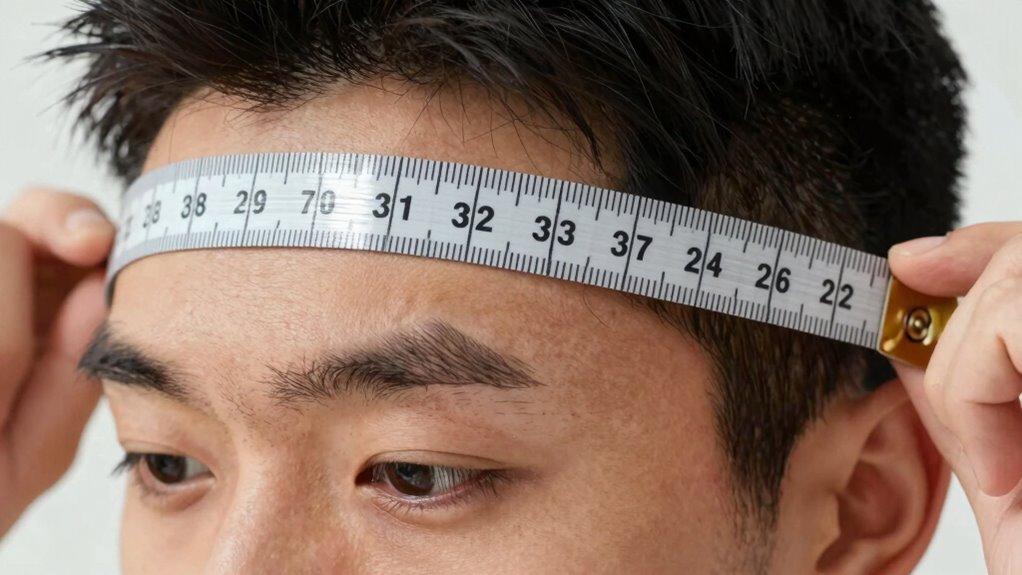
To find your ideal helmet size, start by accurately measuring your head circumference with a flexible tape measure. Wrap it around your head just above your eyebrows and ears, ensuring it’s snug but not tight. Use this measurement to select a helmet that matches your size on the manufacturer’s chart. Keep in mind that helmet materials like expanded polystyrene or composite shells influence fit and comfort, so choose a helmet with materials suited to your activity. Additionally, verify that the helmet has proper certifications, such as CPSC or DOT, to ensure safety standards are met. A well-fitting helmet will provide better protection and comfort, making your rides safer and more enjoyable. Always trust your measurements over generic sizes for the best fit.
Common Mistakes When Measuring Your Head and How to Avoid Them
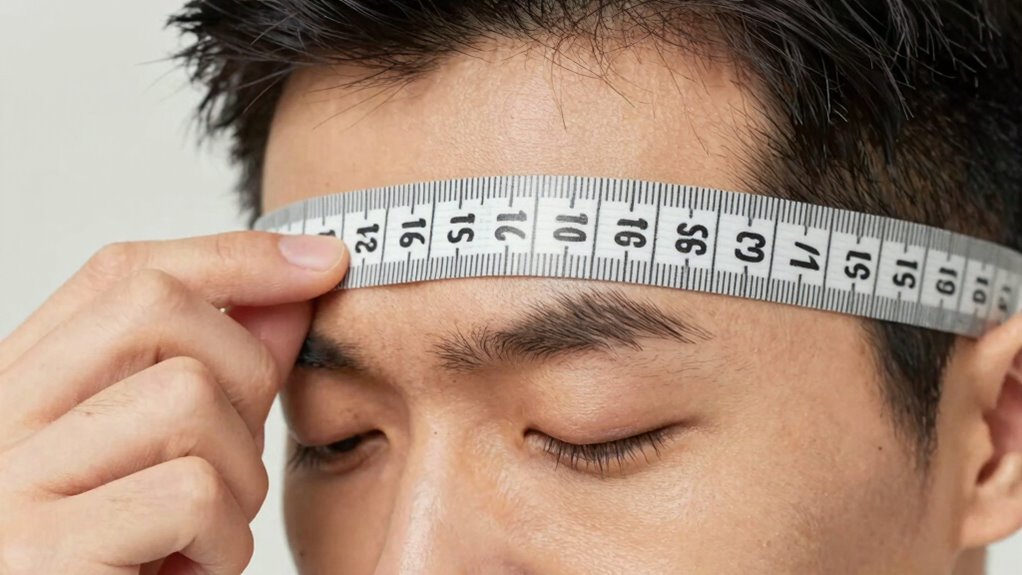
One common mistake is placing the tape incorrectly, which can lead to inaccurate measurements. Using rigid tools or not keeping the tape snug against your head can also throw off your size. To get an accurate reading, make sure the tape is positioned properly and fits comfortably without slack. Additionally, understanding vetted measurement techniques ensures you choose the right helmet size for safety and comfort.
Incorrect Placement of Tape
Incorrect tape placement is a common mistake that can lead to inaccurate helmet sizing. When you have incorrect placement, tape misalignment skews your measurements, resulting in a helmet that’s too loose or tight. To avoid this, confirm the tape is snug but not overly tight, lying flat against your head without slack. Keep the tape level around your head, avoiding dips or twists. Here are key tips:
- Place the tape smoothly, avoiding slack or gaps.
- Keep the tape flat and even, preventing misalignment.
- Measure at the widest part of your head, typically just above the eyebrows.
Using Rigid Measuring Tools
Using rigid measuring tools like rulers or stiff tapes can lead to inaccurate helmet sizing if you’re not careful. Rigid tools don’t conform to your head’s curves, which makes it difficult to get an accurate measurement. When using a measuring tape, avoid using stiff or inflexible tools that don’t bend easily around your head. Instead, opt for a flexible measuring tape that molds to your skull’s shape. Rigid tools can create gaps or uneven measurements, resulting in a helmet that’s either too tight or too loose. Always ensure the measuring tape is flat against your head without any slack. Remember, flexible, soft measuring tapes give the most precise measurement, helping you find a helmet that fits comfortably and safely.
Not Keeping Tape Snug
A common mistake when measuring your head is not keeping the tape snug enough. If the tape is too loose, your measurement will be inaccurate, leading to an ill-fitting helmet. Proper tape tension ensures measurement consistency and gives you reliable sizing results. To avoid this, don’t pull the tape too tight or leave it too slack; aim for a snug fit that’s firm but comfortable. Keep these points in mind:
- Maintain consistent tape tension throughout the measurement.
- Avoid gaps between the tape and your head.
- Check that the tape sits flat against your skin without pressing too hard.
Tips for Ensuring Your Helmet Fits Snugly and Securely
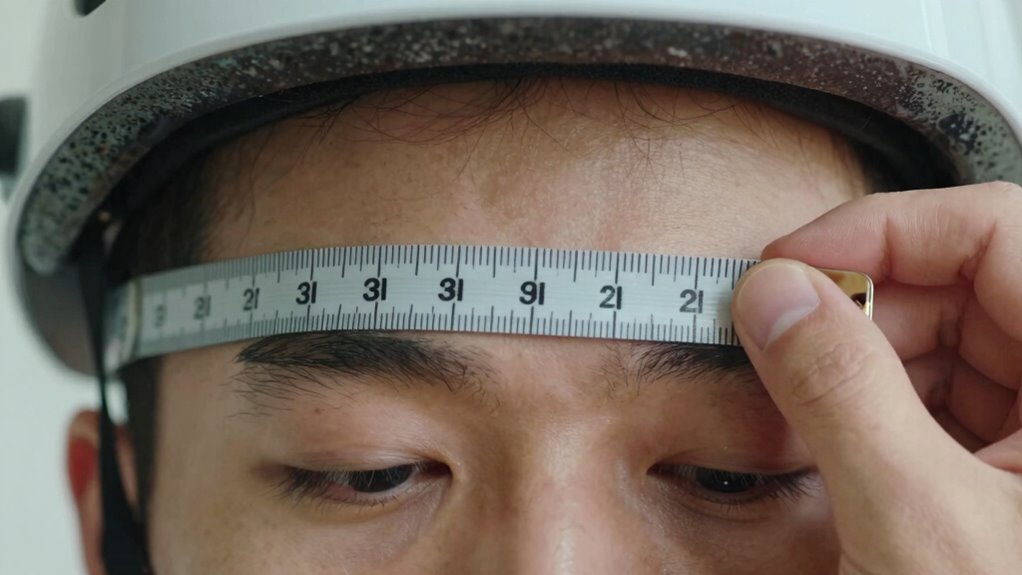
To make certain your helmet fits snugly and securely, start by positioning the tape measure around your head just above your eyebrows and ears. Ensure the tape is snug but not tight, as it should sit comfortably without compressing your skin. Check that the measurement aligns with helmet safety standards, which specify a proper fit for ideal protection. Remember, helmet accessories like liners or padding can affect fit, so consider removing or adjusting them during measurement. A helmet that’s too loose won’t provide adequate safety, while one that’s too tight causes discomfort. Re-measure if needed, and always double-check your size before purchasing. Proper fit is essential for safety, and following these tips ensures your helmet stays in place during impact.
How to Adjust Your Helmet for Comfort and Maximum Safety

Ensuring your helmet fits comfortably and provides maximum safety requires making precise adjustments to its straps and padding. Start by tightening the chin strap so it’s snug but not restrictive. Check that the helmet sits level on your head, covering your forehead comfortably. Adjust the fit pads or helmet accessories to eliminate any pressure points, guaranteeing even comfort. Remember, proper helmet maintenance includes regularly inspecting padding and straps for wear. To optimize fit and safety:
A secure, comfortable fit depends on precise strap adjustments and proper padding maintenance.
- Use helmet accessories to customize comfort and stability
- Regularly tighten or loosen straps as needed
- Keep padding clean and intact for a secure fit
Making these adjustments ensures your helmet stays secure during rides while maximizing safety and comfort. Proper fit isn’t just about size—it’s about fine-tuning every element for reliability.
When to Re-Measure and Replace Your Helmet for Ongoing Safety
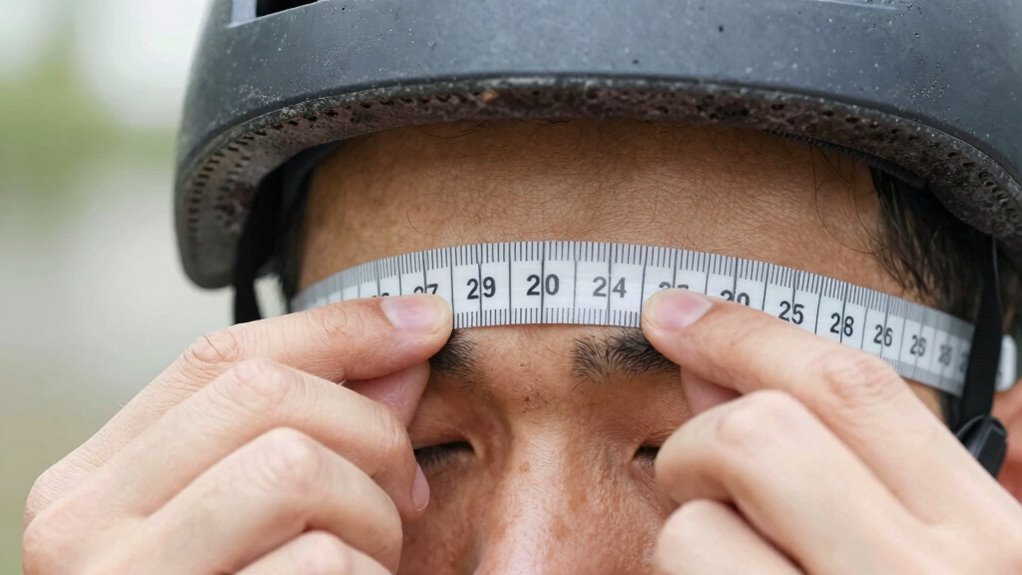
Regularly re-measuring your helmet guarantees it continues to fit properly as your head shape or size changes over time. This is essential for effective helmet maintenance and ensuring ongoing safety. If you notice any cracks, dents, or signs of wear during a safety inspection, it’s time to replace your helmet immediately—damage can compromise its protective capabilities. Also, if your helmet no longer feels snug or comfortable despite adjustments, it may no longer provide ideal safety. Keep in mind that helmets can degrade over time, even without visible damage. Experts recommend replacing helmets every 5 to 7 years, depending on usage and conditions. Staying vigilant with re-measurements and regular safety checks ensures your helmet continues to offer reliable protection.
Frequently Asked Questions
What Are the Best Types of Tape Measures for Head Measurement?
You should choose flexible, retractable measuring tapes for head measurement, as they offer accurate head circumference tools. Look for options made of soft, durable material like cloth or plastic that can mold comfortably around your head. Avoid stiff or metal tapes, which can be hard to work with and less precise. The best measuring tapes are marked clearly in centimeters and inches, making it easy to get an exact measurement every time.
How Often Should I Re-Measure My Head for Helmet Safety?
You should re-measure your head for helmet safety checks every 6 to 12 months, or whenever you notice weight fluctuations or changes in head shape. Regular head measurement frequency ensures your helmet fits properly, maintaining ideal protection. Don’t skip these checks, especially before outdoor activities or sports seasons. Proper fit is essential for safety, so stay proactive and measure your head regularly to keep your helmet effective.
Can Hair or Hairstyle Affect My Head Measurement Accuracy?
Your hairstyle can definitely influence your head measurement accuracy, like adding layers to a sculpture changes its shape. Hair styling and volume can make your head appear larger or smaller, leading to a misfit if you don’t account for it. To get a precise measurement, pull your hair back or style it flat. This way, your helmet will fit snugly and safely, just like a glove molded perfectly to your hand.
Are There Specific Helmet Brands That Fit Head Measurements Better?
Certain helmet brands are known for better compatibility with specific head sizes, ensuring a more consistent fit. You should look for brands that prioritize sizing consistency and offer detailed sizing charts. Brands like Giro, Bell, and Shoei generally provide reliable options, but try different brands and read reviews to find the best fit for your head shape. Always measure accurately and consider trying helmets on before purchasing for ideal comfort.
What Should I Do if My Head Size Falls Between Two Helmet Sizes?
If your head size falls between two helmet sizes, don’t worry—about 80% of riders face this. You should choose the larger size and adjust the helmet padding for a snug fit. Make sure the helmet’s adjustable straps sit comfortably without pressure, ensuring safety and comfort. Remember, a well-fitting helmet is essential; it should stay secure without feeling tight or loose.
Conclusion
Think of finding the right helmet like fitting the perfect key into a lock—when it fits just right, everything clicks into place, keeping you safe and comfortable. By measuring accurately and following these steps, you’ll open that perfect fit every time. Don’t settle for guesswork; instead, become your own safety expert. With the right size, you’ll feel confident and secure, ready to take on any adventure that comes your way.