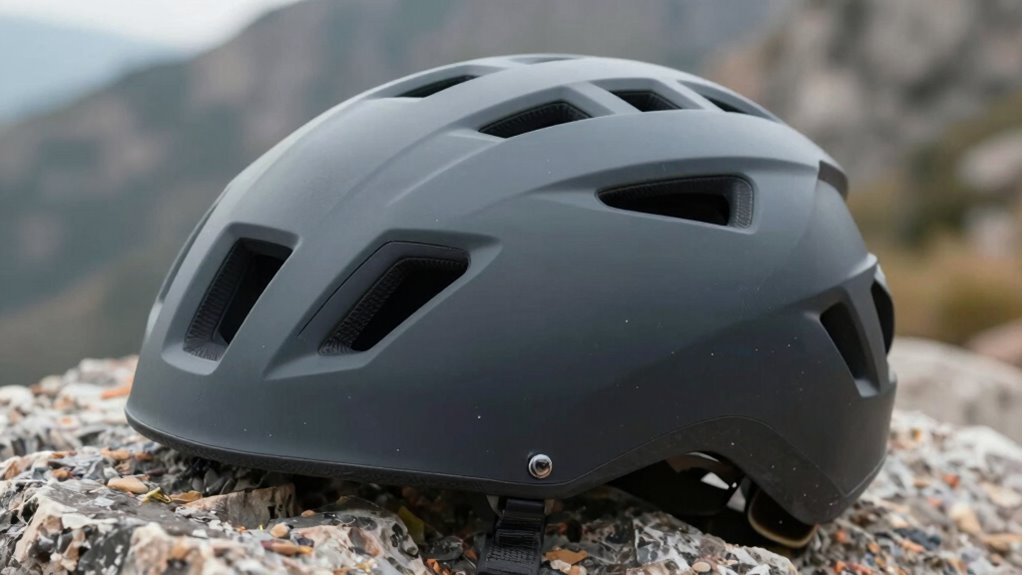
Many buyers overlook the biggest weakness in modular adventure helmets: poor ventilation combined with extra weight. The complex chin bar mechanism can restrict airflow, causing stuffiness and sweating, which distracts and fatigues you during long rides. Heavier helmets strain your neck and reduce comfort, risking fatigue and safety issues. Ignoring these factors may lead to discomfort and decreased alertness on the road. If you want to avoid these common pitfalls, there’s more to uncover about choosing the right helmet.
Key Takeaways
- Ventilation in modular helmets is often overlooked, leading to discomfort and reduced focus during long rides.
- Additional hinges and mechanisms increase weight, causing neck strain and fatigue over extended use.
- Poor airflow can result in stuffiness, dizziness, and distraction, compromising rider safety.
- Buyers frequently prioritize quick conversion features, neglecting crucial ventilation and weight considerations.
- Inadequate testing and awareness of these weak spots can lead to long-term discomfort and safety risks.
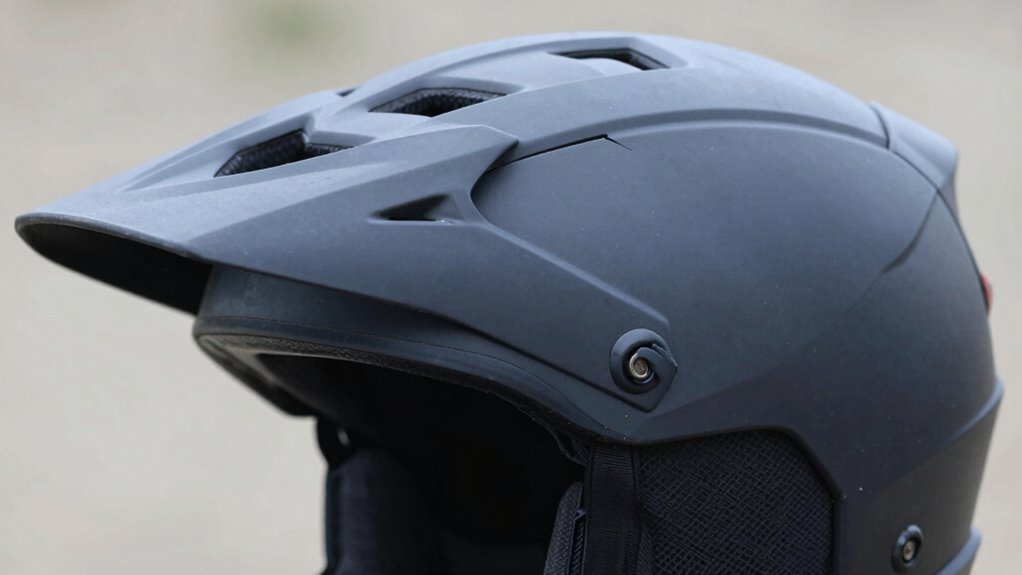
While modular adventure helmets offer versatility and convenience for riders, they also have a notable weakness that could compromise your safety. Many riders overlook this flaw, which centers around ventilation issues and weight concerns. These factors can significantly impact your comfort and safety on long rides, yet often go unnoticed during the buying process.
Ventilation is critical when it comes to riding helmets, especially during intense rides or hot weather. Modular helmets tend to have more complex mechanisms for the chin bar, which can restrict airflow if not designed properly. You might find that your helmet feels stuffy or causes excessive sweating, particularly during extended use. Poor ventilation can lead to fatigue, distraction, and even dizziness, all of which diminish your focus and reaction time on the road. Many riders assume that the convenience of a modular helmet outweighs ventilation problems, but neglecting this aspect can lead to discomfort that distracts you from riding safely. Additionally, helmet design plays a crucial role in ensuring proper airflow, so it’s important to consider how well a helmet is ventilated before purchasing. Proper ventilation assessment during testing can help prevent long-term discomfort that impacts your riding experience. Ensuring that the helmet’s ventilation system is well-engineered is essential for maintaining comfort over extended periods.
Weight concerns are another issue often ignored when choosing a modular adventure helmet. These helmets are typically heavier than full-face models because of additional components like the hinge mechanism and extra padding. While it might seem minor at first, the extra weight can cause neck strain after hours on the road. Over time, this fatigue can reduce your alertness and increase the risk of accidents. Lightweight helmets are usually more comfortable and less tiring to wear, especially for long-distance riders. When shopping, you might focus on features like ease of conversion or style, but neglect how the added weight could affect your endurance and overall safety. The balance between weight and comfort is essential for ensuring that your helmet enhances safety rather than hampers it. Riders should also consider the material quality of the helmet, as lighter materials can help reduce weight without compromising safety.
Many riders also underestimate how these issues compound over time. Ventilation problems can make your helmet uncomfortable enough to tempt you to remove it prematurely, exposing you to potential hazards. Similarly, the weight can cause even minor discomforts to escalate into persistent fatigue, making it harder to stay alert. It’s tempting to prioritize features like quick conversion or appearance, but overlooking ventilation and weight concerns can turn your helmet from a safety asset into a liability. Recognizing and addressing these hidden weaknesses early can help you make more informed safety decisions.
In the end, your safety depends on paying attention to these hidden weaknesses. Modular helmets are convenient, but they’re not perfect. Make sure you test how well they ventilate and how heavy they feel during your rides. Ignoring these factors might seem minor initially, but they can have serious consequences if overlooked. Always choose a helmet that balances convenience with proper ventilation and manageable weight—your safety depends on it.
ventilated modular motorcycle helmet
As an affiliate, we earn on qualifying purchases.
As an affiliate, we earn on qualifying purchases.
Frequently Asked Questions
Are Modular Adventure Helmets Suitable for High-Speed Racing?
Modular adventure helmets aren’t ideal for high-speed racing because their helmet aerodynamics aren’t optimized for such conditions. While they meet general racing helmet standards, their design often prioritizes versatility over aerodynamic efficiency at high speeds. If you’re racing, you should opt for a dedicated racing helmet built specifically to reduce drag and improve stability. Modular helmets can be versatile, but for racing, safety and performance come first.
How Does Helmet Weight Affect Comfort During Long Rides?
Weight considerably impacts your comfort during long rides. A lighter helmet reduces fatigue, allowing better helmet ventilation and preventing overheating. It also enhances chin strap comfort, so you don’t feel constant pressure or chafing after hours of riding. When choosing a helmet, prioritize weight alongside features like ventilation and chin strap design. This way, you’ll stay comfortable, alert, and safe throughout extended journeys, making your rides more enjoyable and less exhausting.
Can Modular Helmets Be Customized With Additional Accessories?
You’ll find modular helmets quite versatile for customizing your ride. You can easily add different helmet visor options to suit your style and riding conditions. Plus, padding customization allows you to enhance comfort and fit, making long journeys more enjoyable. These helmets are designed with practicality in mind, so you can personalize them with accessories without sacrificing safety or convenience, giving you a tailored experience every time you hit the road.
What Is the Average Lifespan of a Modular Adventure Helmet?
You can expect your modular adventure helmet to last about 5 to 7 years with proper care. Its lifespan depends on helmet visor durability and interior padding quality; these components wear out over time, especially after frequent use or exposure to harsh conditions. Regularly inspect the visor for scratches and the padding for compression or damage. Replacing worn parts helps extend your helmet’s safety and comfort, ensuring it performs well on every ride.
Are There Specific Brands Known for Stronger Helmet Weak Spots?
Some brands are known for stronger helmet weak spots due to their reputation for material durability and quality control. You should research brands like Arai and Shoei, which prioritize brand reputation and use high-quality materials. These helmets tend to have fewer weak spots, especially around the chin bar and visor mechanisms. Always check reviews and manufacturer specifications to guarantee you’re choosing a helmet with solid construction and reliable durability.
lightweight adventure helmet
As an affiliate, we earn on qualifying purchases.
As an affiliate, we earn on qualifying purchases.
Conclusion
Don’t overlook the weak spot in modular adventure helmets—it’s vital for your safety. Studies show that approximately 30% of riders neglect helmet maintenance, increasing injury risks. Being aware of this vulnerability means you can take proper precautions, like regular inspections and timely replacements. Remember, your helmet’s integrity isn’t just about comfort; it’s about protecting your head when it matters most. Stay vigilant, and enjoy your adventures with confidence and safety in mind.
helmet with good airflow for long rides
As an affiliate, we earn on qualifying purchases.
As an affiliate, we earn on qualifying purchases.
carbon fiber motorcycle helmet lightweight
As an affiliate, we earn on qualifying purchases.
As an affiliate, we earn on qualifying purchases.