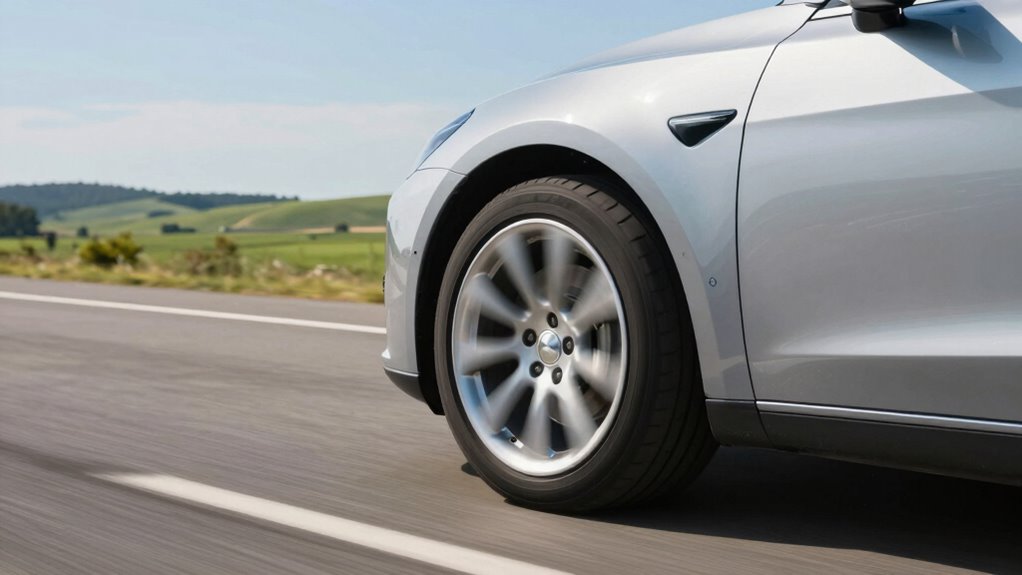
Wheel balancing might seem optional until you hit around 70 mph, but ignoring it can lead to vibrations, uneven tire wear, and potential safety issues. Most drivers don’t notice problems at lower speeds, making these signs easy to overlook. As speeds increase, imbalance effects become clearer and more troubling. Staying ahead with regular maintenance helps prevent costly repairs and extends tire life. Keep going to discover more about why balancing is essential for your safety and vehicle performance.
Key Takeaways
- Many drivers neglect wheel balancing, assuming it’s unnecessary until high speeds cause noticeable vibrations around 70 mph.
- Subtle signs of imbalance, like vibrations or humming, often only become apparent at higher speeds, leading to delayed maintenance.
- Ignoring wheel imbalance can accelerate uneven tire wear, impacting safety and increasing repair costs before reaching 70 mph.
- Proper wheel balancing ensures smoother rides and better fuel efficiency, especially noticeable at higher speeds.
- Early detection and proactive balancing prevent damage to suspension and tires, maintaining safety even before 70 mph.

Many drivers assume that wheel balancing is an optional maintenance task, especially when their vehicle feels fine at lower speeds. They might notice no immediate issues, so they put off scheduling this service. However, as you accelerate past 50 or 60 mph, subtle signs of imbalance often emerge, affecting your driving experience more than you’d expect. Ignoring wheel balancing can lead to uneven tire wear, which might cause your tires to degrade faster and unevenly. Over time, this uneven wear reduces the lifespan of your tires, forcing you to replace them sooner than necessary. Not only does this increase your expenses, but it also compromises your safety on the road.
Ignoring wheel balancing can lead to uneven tire wear and reduced safety, especially at higher speeds.
Moreover, wheel imbalance directly impacts your vehicle’s fuel efficiency. When your wheels are out of balance, your engine has to work harder to maintain your speed, especially at higher velocities. This extra effort wastes fuel, meaning you’ll spend more at the pump without realizing it. It might seem like a minor inconvenience now, but over hundreds of miles, the costs add up. Proper wheel balancing ensures each tire rotates smoothly and evenly, reducing unnecessary strain on your engine and suspension. As a result, your vehicle runs more efficiently, saving you money and reducing emissions.
At lower speeds, the effects of wheel imbalance are often subtle enough that you might not notice them. You might think your car is handling just fine, so you delay the service. But once you hit 70 mph, you’ll likely feel vibrations or hear humming sounds that weren’t there before. These vibrations aren’t just annoying—they’re signs that your wheels are out of sync. Left unaddressed, they can accelerate tire wear and cause uneven tread patterns, which further worsens handling and safety concerns. Plus, the additional vibrations can put stress on your suspension components, leading to costly repairs down the line. Recognizing the importance of proper maintenance can help prevent these issues before they become serious. Regular vehicle maintenance, including wheel balancing, is essential to keep your car running smoothly and safely at high speeds. Additionally, understanding the signs of imbalance can prompt earlier maintenance, saving you money and preventing potential safety hazards. Being proactive about preventive care can significantly extend the life of your tires and vehicle components, ensuring safer and more economical driving. A focus on early detection can help you address problems before they escalate.

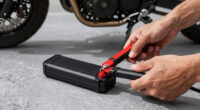
NYXOVA Portable Bubble Wheel Balancer, Tire Balancer with Bubble Level
- Portable Design: Compact and lightweight for easy transport
- Durable Construction: Made from rust-resistant aluminum alloy
- Corrosion-Resistant Components: Chrome-plated rods and springs for longevity
As an affiliate, we earn on qualifying purchases.
As an affiliate, we earn on qualifying purchases.
Frequently Asked Questions
How Often Should I Get My Wheels Balanced?
You should get your wheels balanced every 5,000 to 6,000 miles or during regular tire rotations. If you notice vibrations or uneven tire wear, it’s a sign to check your wheel balance sooner. Also, incorporate brake inspections into your routine maintenance, as issues here can affect wheel performance. Maintaining proper wheel balance guarantees ride comfort, extends tire life, and ensures safe driving at higher speeds.
Can Unbalanced Wheels Cause Long-Term Damage?
Unbalanced wheels are like a ticking time bomb for your car. They can cause uneven tire wear and strain your suspension over time. If you ignore these issues, you risk long-term damage that’s costly to fix. Regular wheel balancing helps prevent this damage, ensuring smooth rides and extending your vehicle’s lifespan. So, don’t wait—stay proactive to protect your car’s health and avoid bigger repairs later.
Does Wheel Balancing Improve Fuel Efficiency?
Yes, wheel balancing can improve your fuel efficiency by reducing rolling resistance, helping your engine work less hard. When wheels are properly balanced, you also experience less uneven tire wear, which extends tire life and maintains peak performance. By ensuring your wheels are balanced regularly, you save money on fuel and tire replacements while enjoying a smoother ride. It’s a simple step that pays off in better fuel economy and tire health.
What Signs Indicate My Wheels Need Balancing?
Think of your wheels as a dance troupe—if one dancer is out of sync, the whole performance suffers. Vibration issues during driving, especially at higher speeds, signal your wheels might be out of balance. You’ll also notice uneven tire wear, like uneven steps in a dance routine. These signs mean it’s time to get your wheels balanced; otherwise, your vehicle’s performance and tire life could suffer.
Is Balancing Necessary After Tire Replacement?
Yes, balancing is necessary after tire replacement to guarantee smooth driving and prevent uneven wear. When you replace tires, balancing helps maintain proper weight distribution, reducing vibrations. It’s also a good idea to do a tire rotation and brake inspection at the same time. These steps keep your tires lasting longer, improve safety, and assure your vehicle handles well, especially at higher speeds. Skipping balancing can lead to discomfort and uneven tire wear.
Conclusion
Remember, a stitch in time saves nine. Ignoring wheel balancing might seem harmless at lower speeds, but once you hit 70 mph, those unbalanced wheels can cause vibrations, uneven tire wear, and even compromise your safety. Don’t wait until it’s too late—regularly check and balance your wheels to keep your ride smooth and your journey safe. After all, a well-maintained car runs better, and peace of mind is priceless on the open road.