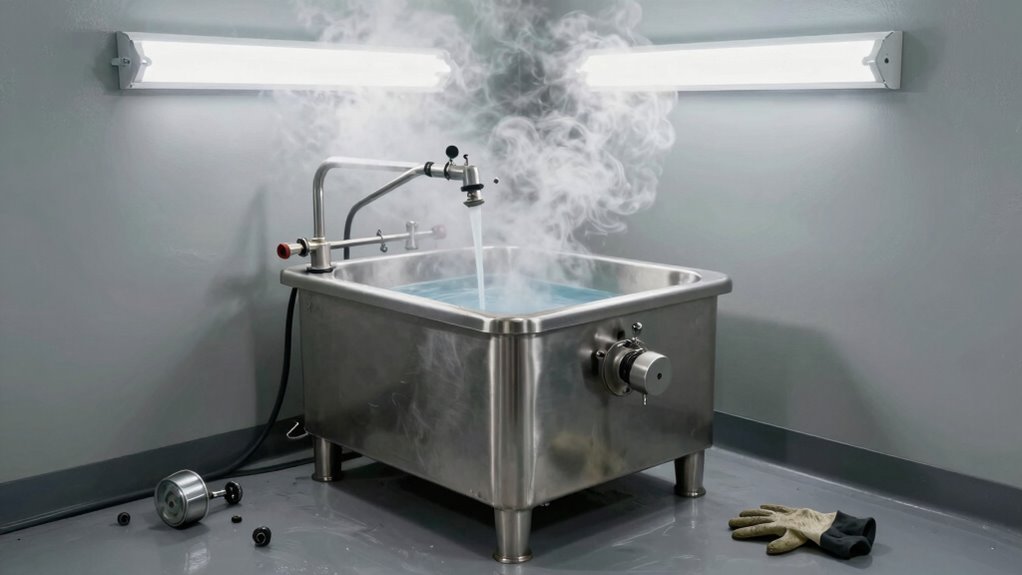
If solvent vapors pool in low spots around your parts washer, they create a hidden fire hazard that’s easy to overlook. These vapors can build up in pooled areas and ignite from static sparks or electrical faults, leading to fires or explosions. Proper ventilation, including exhaust hoods, and regular maintenance help disperse vapors and prevent dangerous pockets. Staying aware of these risks and implementing safety measures can protect your workspace—there’s much more to learn if you keep exploring.

Get business pricing on garage and car supplies
- Business-only prices and quantity discounts
- Tax-exempt purchasing
- Multiple users, one account, clear invoices
Key Takeaways
- Solvent vapors can accumulate in low spots or pooled areas inside or around parts washers, creating hidden fire hazards.
- Inadequate ventilation allows vapors to settle, increasing the risk of ignition from static or electrical sparks.
- Overfilled or improperly stored solvents can lead to vapor pooling, especially in confined or low-lying spaces.
- Lack of regular inspection of ventilation systems can cause vapor buildup in hidden areas, heightening fire risk.
- Vapor detection devices can identify dangerous vapor concentrations before they ignite, reducing hidden fire hazards.
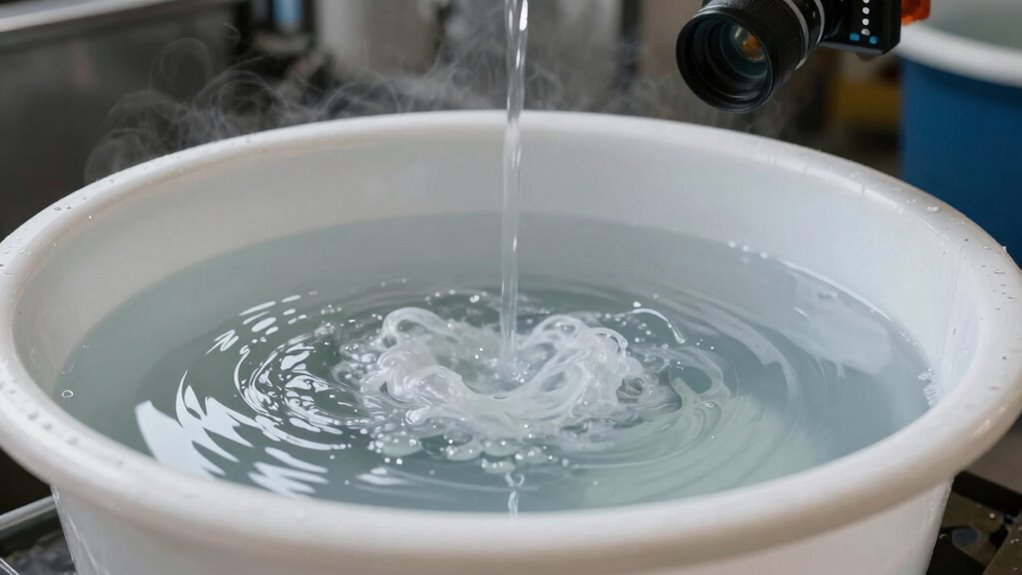
Parts washers are essential tools in many workshops, but they can pose a hidden fire risk if not properly maintained. When you’re working with solvents and cleaning agents, chemical safety becomes a top priority. Many operators overlook the hazards associated with solvent vapors, which can accumulate in low spots or pooled areas inside or around the washer. If these vapors are allowed to build up, they can ignite unexpectedly, leading to fires or explosions. That’s why understanding how to manage chemical safety is crucial—keeping solvents in sealed containers, using appropriate cleaning agents, and avoiding overfilling the washer are all steps that help reduce risk.
However, even with careful handling of chemicals, the risk persists if your ventilation systems aren’t up to par. Proper ventilation isn’t just about comfort; it’s a safety measure that prevents dangerous vapor buildup. Ventilation systems should be designed specifically for parts washers, with exhaust hoods or local exhaust systems that capture vapors at the source. Regular maintenance of these systems is vital because clogged or malfunctioning vents can allow vapors to escape into the workshop environment. When vapors escape, they tend to settle in low-lying areas around the washer, creating pockets of highly flammable fumes. If even a small spark occurs—perhaps from static electricity, electrical components, or accidental ignition—the consequences can be devastating. Proper ventilation is essential for dispersing vapors and preventing dangerous accumulations. Additionally, understanding the flammability of solvents can help in choosing the safest cleaning agents and storage methods. Proper ventilation systems are especially critical because they help prevent the buildup of vapors in low spots, where they are most likely to concentrate and pose a fire hazard. Ensuring that the workspace has adequate airflow management can significantly reduce the risk of vapor pockets forming. Moreover, incorporating vapor detection devices can provide early warnings before concentrations reach hazardous levels.
parts washer vapor detection device
As an affiliate, we earn on qualifying purchases.
As an affiliate, we earn on qualifying purchases.
Frequently Asked Questions
Are There Safer Alternatives to Solvent-Based Parts Washers?
Yes, there are safer alternatives to solvent-based parts washers. You can switch to water-based or biodegradable cleaning solutions, which reduce environmental impact and lower fire risks. Chemical alternatives like citrus-based or aqueous cleaners are effective and safer for your workspace. They eliminate the pooling of flammable vapors, making your operations more environmentally friendly and safer for everyone involved. Always choose products that meet safety and environmental standards.
How Often Should Parts Washers Be Inspected for Fire Hazards?
You should inspect your parts washers weekly, like checking for hidden pools of solvent vapors that could ignite. Regular inspection frequency allows you to spot hazards early and conduct thorough hazard assessments, reducing fire risks. Visual checks for pooling liquids, vapor buildup, or damaged components are essential. Stay vigilant, and document each inspection to guarantee safety protocols are consistently followed, keeping your workspace safe from hidden fire dangers.
What Training Is Recommended for Employees Using Parts Washers?
You should receive training on proper use of personal protective equipment and guaranteeing proper ventilation when operating parts washers. This training helps you understand how to handle solvents safely, prevent vapor buildup, and minimize fire risks. You’ll learn to wear gloves, goggles, and respirators as needed, and to guarantee the workspace is well-ventilated. Regular refresher courses keep you updated on safety procedures, reducing hazards associated with solvent vapors pooling.
Can Building Codes Influence Parts Washer Safety Requirements?
Yes, building codes greatly influence parts washer safety requirements. You must follow building regulations and safety standards to guarantee proper ventilation, fire suppression, and storage of flammable solvents. These codes help prevent vapor pooling and reduce fire risks. By adhering to local regulations, you create a safer environment for employees and protect your facility from potential hazards. Always stay updated on code changes to maintain compliance and safety.
What Are the Legal Liabilities for Improper Parts Washer Maintenance?
Neglecting proper parts washer maintenance is like ignoring a ticking time bomb—you risk legal liabilities that can explode financially. You could face hefty fines under environmental regulations and increased insurance liabilities if an accident occurs. For example, a company faced costly fines after a fire caused by pooling solvent vapors, highlighting the importance of routine checks. Proper maintenance *guarantees* safety but also shields you from legal and financial risks.
Conclusion
Remember, neglecting the hidden fire risks in parts washers is like ignoring the ticking time bomb beneath your workspace. By ensuring proper ventilation and regular maintenance, you can prevent solvent vapors from pooling and igniting unexpectedly. Don’t let complacency be the spark that ignites a disaster—stay vigilant, because safety isn’t just a priority; it’s the flame that keeps your business burning bright without fear. Protect your team, and keep the danger at bay.
Fall Picks
fall essentials
As an affiliate, we earn on qualifying purchases.