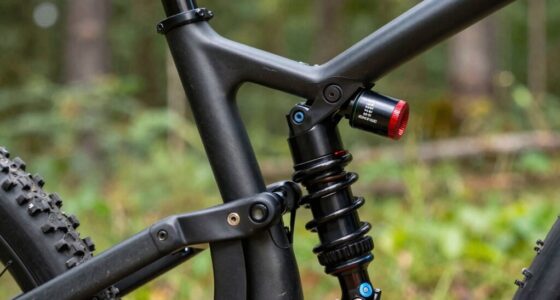
Many drivers underuse their rear brakes, missing moments when they can enhance safety and control. Using rear brakes is safer when descending steep grades, maneuvering on rough terrain, or during emergency stops, especially on slippery surfaces. Properly tapping the rear brake helps maintain vehicle balance, prevent skidding, and reduce stopping distances. Mastering when and how to use your rear brakes can greatly improve safety—keep going to discover how to incorporate this essential technique into your driving.

Get business pricing on garage and car supplies
- Business-only prices and quantity discounts
- Tax-exempt purchasing
- Multiple users, one account, clear invoices
Key Takeaways
- Use rear brakes when descending steep grades to maintain vehicle stability and prevent front brake overheating.
- Engage rear brakes gently during maneuvering over rough or uneven terrain for better control.
- Rely on rear brakes during emergency stops to help prevent wheel lock-up and reduce skidding risks.
- Apply rear brakes gradually on low-traction surfaces like gravel or loose dirt for safer deceleration.
- Combine rear brake use with front brakes for balanced stopping and improved overall safety.
Why Drivers Often Underuse Their Rear Brakes: And Why It Matters

Many drivers tend to rely heavily on their front brakes and underuse their rear brakes because they perceive the front brakes as more effective for stopping quickly. This misconception leads to an imbalance in braking force distribution, which can negatively impact vehicle stability. Front brakes handle most of the stopping power because of weight transfer during deceleration, making them seem more vital. However, neglecting the rear brakes reduces overall braking efficiency and can cause uneven wear. Proper use of rear brakes enhances stopping distance, maintains vehicle balance, and minimizes component stress. Understanding the role of rear brakes is essential for safe, effective braking. Relying solely on front brakes increases the risk of loss of control, especially on slippery or uneven surfaces. Additionally, braking system technology evolves to optimize the use of both front and rear brakes for safer stopping performance.
Common Myths About Rear Brake Use That Can Risk Your Safety

One common myth is that rear brakes are unnecessary for effective stopping, which can dangerously lead you to neglect their use altogether. This misconception suggests that front brakes handle all braking, ignoring the crucial role rear brakes play in balance and stability. Relying solely on the front brakes increases the risk of skidding or loss of control, especially on slippery surfaces. Additionally, some believe that using rear brakes causes unnecessary wear or reduces safety, but in reality, proper application of both front and rear brakes ensures ideal stopping power. Ignoring rear brakes also diminishes your ability to control the vehicle smoothly and safely during emergency stops. Understanding these misconceptions helps you appreciate the importance of balanced brake use for your safety.
When Using Your Rear Brake Is the Smarter Choice

Using your rear brake becomes the smarter choice in specific driving situations where stability and control are priorities. When descending steep grades or maneuvering rough terrain, relying on your rear brake helps maintain vehicle balance without causing excessive weight transfer forward. It’s also essential during emergency stops when you need to prevent wheel lockup and skidding, especially if your front brakes are compromised or unevenly worn. Additionally, using your rear brake during low-traction conditions, such as gravel or loose dirt, reduces the risk of losing control caused by sudden front-wheel lockup. In these scenarios, a controlled application of the rear brake offers better stability, minimizes skidding, and allows for safer, more precise stopping. Properly brake balance is crucial for effective stopping performance and vehicle safety. Mastering this technique enhances your overall safety and vehicle handling in challenging driving environments.
How to Control Your Vehicle Better on Slippery Surfaces

Controlling your vehicle on slippery surfaces requires precise inputs and a calm demeanor. Maintain steady steering, avoid sudden movements, and reduce your speed early. Use gentle throttle inputs to prevent wheel spin and keep your vehicle balanced. When braking, apply light, consistent pressure to avoid locking wheels, which can cause skidding. Understanding how to distribute braking force between your front and rear wheels improves control. Additionally, being aware of your vehicle’s braking system can help you make better decisions when roads are slick.
When to Tap the Rear Brake for a Smooth, Safe Stop
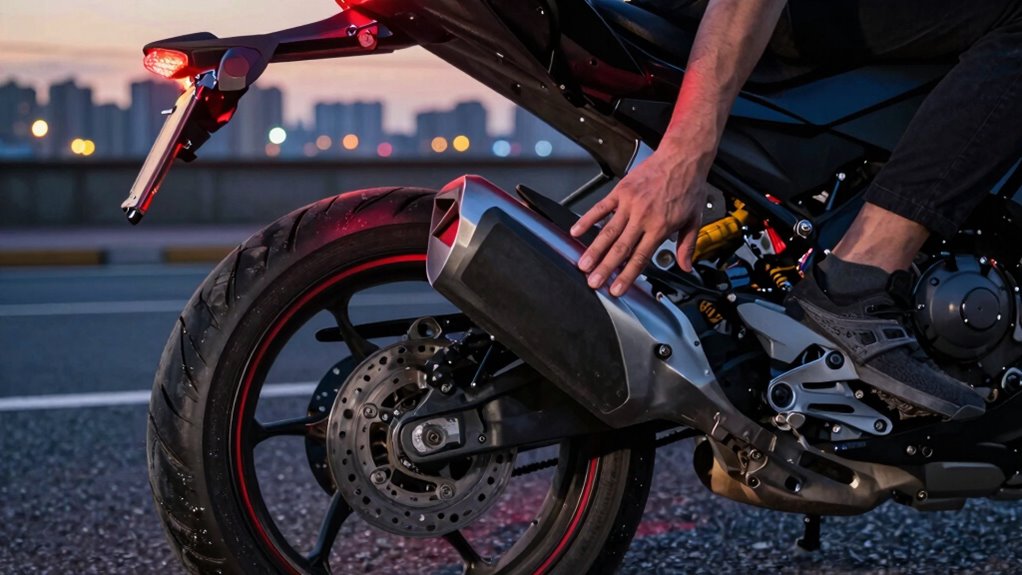
To achieve a smooth and safe stop, timing your rear brake taps is essential. You should begin applying the rear brake early enough to initiate deceleration before your front brake takes over the majority of stopping power. Tap the rear brake gently when you notice your speed decreasing, usually just as you start to downshift or when approaching a stop sign or light. Avoid pressing the rear brake abruptly or too hard, as this can cause instability or lockup, especially on slippery surfaces. Use subtle, controlled taps to maintain balance and prevent skidding. As you progress through the deceleration, coordinate your rear brake with moderate front brake pressure for a balanced, effective stop. Precise timing ensures safety, stability, and comfort during your final approach to a complete stop. Understanding braking techniques can help improve your overall control and confidence on the road.
Practice Tips for Mastering Rear Brake Control

Practicing rear brake control regularly is essential to developing smooth, instinctive responses during stops. Begin with low-speed drills in a safe environment, focusing on gentle, progressive pressure application. Gradually increase speed while maintaining precise control. Pay attention to pedal feel—ensure you’re not too abrupt or too hesitant. Use visual cues, such as approaching a marked stopping point, to time your brake engagement accurately. Practice controlled releases to prevent skidding or instability. Incorporate different road conditions and loads to build confidence in varied scenarios. Regularly monitoring your braking performance allows you to identify areas for improvement and adapt your technique accordingly. Developing proper brake modulation techniques is also key to preventing accidents and ensuring a controlled stop. Remember that understanding your vehicle’s weight transfer can significantly impact braking stability and safety. Being aware of brake system maintenance and condition can prevent unexpected failures during critical moments. Incorporating adaptive braking technology awareness into your practice can enhance your overall braking strategy. Consistent practice helps you develop muscle memory, allowing you to instinctively modulate pressure for *ideal* braking efficiency. Focus on smooth, deliberate inputs rather than brute force, enhancing safety and vehicle stability during braking.
Benefits of Incorporating Rear Brake Use Into Your Driving Habits
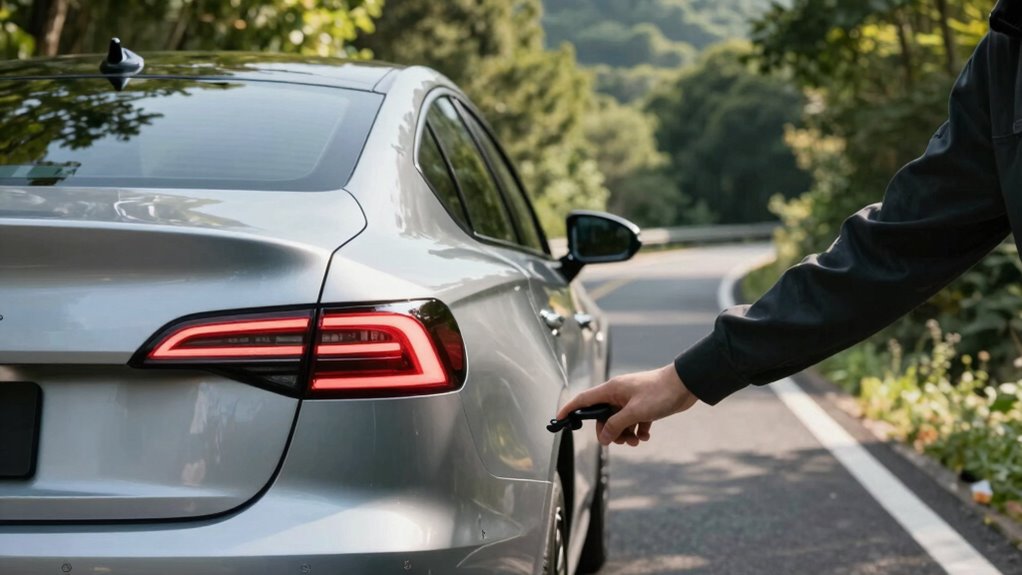
Incorporating rear brake use into your driving routine enhances overall vehicle control and safety. Proper rear brake application stabilizes your car during deceleration, especially on slippery or uneven surfaces. It also reduces wear on the front brakes, extending their lifespan and ensuring balanced braking performance. By developing consistent rear brake habits, you improve your ability to execute smooth stops and maintain directional stability in critical situations. Security systems can provide added peace of mind by alerting you to unexpected movement around your vehicle when parked.
Key benefits include:
- Increased control during deceleration and cornering
- Reduced front brake wear and maintenance costs
- Improved safety in emergency braking scenarios
Mastering rear brake use helps you respond more effectively to unpredictable road conditions, making your driving safer and more efficient. Proper integration of rear braking is a essential skill for all drivers seeking refined vehicle handling.
Top Mistakes to Avoid When Using the Rear Brake
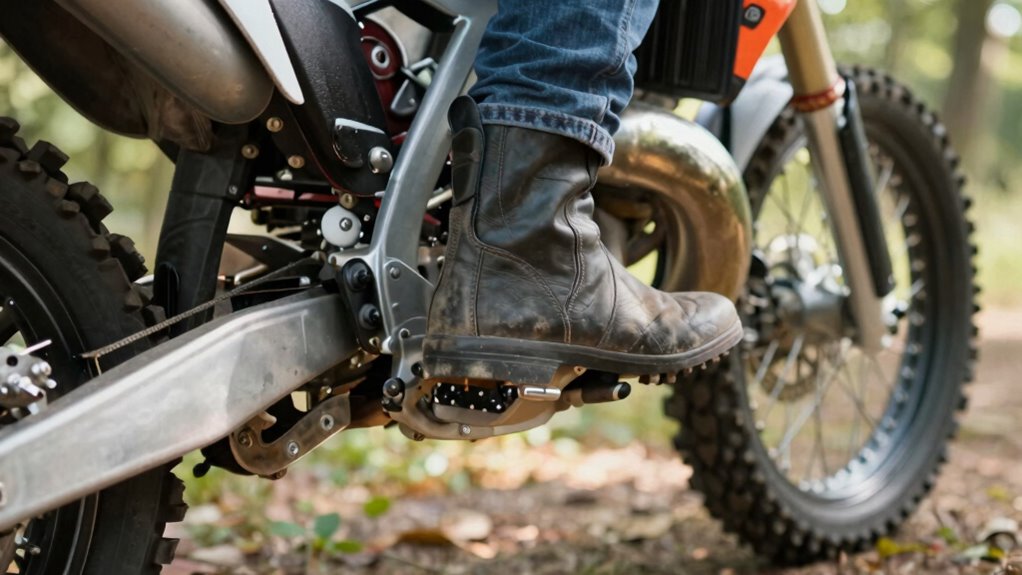
Avoid overusing the rear brake, as it can cause instability and skidding. Always maintain front-to-rear brake balance to guarantee smooth, controlled stops. Be cautious of sudden lock-ups, which can lead to loss of control and accidents. Additionally, understanding braking techniques can help optimize safety and vehicle handling during stops. Proper vehicle dynamics and knowing when to shift braking focus can further enhance safety during various driving conditions. Incorporating braking system maintenance into your routine ensures that all components function properly, reducing the risk of failure or accidents. Paying attention to braking system feedback helps you respond more effectively in emergency situations, especially when considering the overall network of vehicle systems that contribute to safe braking performance.
Overusing Rear Brake
Overusing the rear brake can lead to poor control and increased wear on the brake components. Relying excessively on the rear brake reduces stability, especially during sudden stops or emergency maneuvers. It also causes uneven brake pad wear and can compromise your ability to maintain proper balance. Additionally, improper brake technique can lead to brake system damage, which may result in costly repairs and reduced safety. To avoid this mistake:
- Resist the urge to brake harshly with the rear brake alone
- Use the front brake for most stopping power
- Incorporate smooth, progressive pressure rather than sudden pulls
Engaging in proper brake balance helps ensure a safer and more effective stopping experience. Proper brake technique involves balanced application, leveraging both brakes appropriately. Overusing the rear brake diminishes overall control, increases stopping distances, and accelerates component wear. Always prioritize a balanced approach for safer, more effective braking.
Ignoring Front Balance
Ignoring front brake balance during braking can considerably compromise your control and safety. When you neglect to balance your front brake application, you risk uneven weight transfer, which can lead to instability or loss of steering precision. The front brake is responsible for a significant portion of stopping power, especially during hard braking. Failing to engage it properly causes your rear brake to do more than its share, increasing the risk of skidding or locking up. To maintain ideal control, you must coordinate front and rear braking, adjusting pressure smoothly and evenly. This balanced approach ensures predictable deceleration, preserves traction, and minimizes the chance of accidents. Always remember, effective braking isn’t just about applying the rear brake—it’s about managing the entire braking system cohesively.
Sudden Lock-Up Risks
When applying the rear brake abruptly or with excessive force, you increase the risk of sudden lock-up, which can cause you to lose control and skid. This loss of control can lead to accidents, especially on slippery or uneven surfaces. To minimize this risk, avoid these common mistakes:
- Applying too much pressure too quickly, causing the wheel to lock instantly.
- Braking while turning, which can destabilize your bike.
- Failing to anticipate stopping distance, leading to late or aggressive braking.
Understanding these dangers helps you utilize the rear brake more effectively and safely. Proper modulation and gradual application are essential to prevent lock-up, maintain stability, and ensure a safer riding experience.
FAQs: Rear Brake Safety and Best Practices
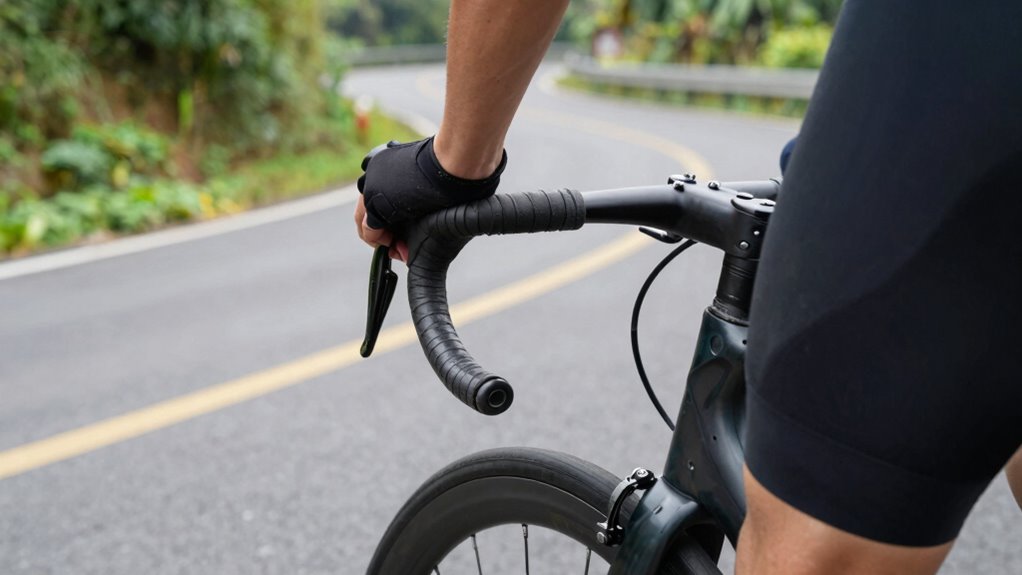
Are you confident you’re using your rear brake safely and effectively? Proper rear brake use enhances control and reduces stopping distances, especially on slippery or uneven surfaces. Always apply gradual pressure to avoid lock-up, which can cause skidding or loss of control. Use your rear brake in conjunction with the front brake for balanced stopping power; relying solely on one can lead to instability. Regularly inspect your brake pads and fluid levels to guarantee peak performance. Practice smooth, controlled braking to prevent abrupt stops that may unsettle your bike. Remember, the rear brake is your friend in low-traction conditions or when fine-tuning your deceleration. Mastering its proper use helps you ride confidently and safely, minimizing risks associated with improper braking.
Frequently Asked Questions
How Does Rear Brake Use Improve Overall Vehicle Stability?
Using your rear brake enhances vehicle stability by evenly distributing braking force, reducing front wheel lockup, and maintaining better control during deceleration. It helps prevent skidding, especially on slippery or uneven surfaces, by providing additional stopping power without overwhelming the front tires. Proper rear brake use allows for smoother, safer stops and improves overall handling, making your driving safer and more predictable in various conditions.
Can Improper Rear Brake Use Cause Tire Skidding?
Improper rear brake use can cause tire skidding, especially if you brake too hard or unevenly. When you apply excessive rear brake pressure, the tire may lose traction, leading to a slide or skid. To avoid this, brake smoothly and gradually, especially on slippery surfaces. Proper technique maintains control and prevents loss of traction, ensuring safer stops and reducing the risk of accidents caused by skidding.
Is Rear Brake Application Necessary During Emergency Stops?
Applying your rear brake during emergency stops is necessary for balanced braking and maintaining control. It helps distribute braking force evenly, reducing the risk of wheel lockup and skidding. Use both brakes smoothly and progressively to maximize stopping power. Relying solely on the front brake can cause a loss of control, especially on slippery surfaces. Proper rear brake use guarantees a safer, more controlled stop in emergency situations.
How Do Rear Brakes Differ From Front Brakes in Function?
Rear brakes primarily control stability and slow your vehicle with less risk of skidding. For example, during a sharp turn, relying on your rear brake helps maintain balance without causing a loss of control. Unlike front brakes, which handle most of the stopping force, rear brakes provide supplementary braking and are essential for smooth, controlled stops. Recognizing this difference guarantees you use each brake effectively for safety and vehicle longevity.
Are There Specific Vehicle Types That Benefit More From Rear Brake Use?
You’ll find that smaller vehicles like motorcycles, compact cars, and hybrid models benefit more from rear brake use. These vehicles often rely on rear brakes to maintain stability during deceleration, especially in low-traction conditions. Using the rear brake appropriately reduces front-end lockup and enhances control. Always adapt your braking technique to your vehicle type, ensuring you utilize rear brakes effectively for safer, smoother stops and better overall handling.
Conclusion
Mastering your rear brake is like fine-tuning a musical instrument—you’ll perform smoother, safer stops every time. Don’t let myths or hesitation hold you back; knowing when and how to use it boosts your control and safety. Incorporate rear brake use into your driving routine confidently, and avoid common mistakes. With practice, you’ll navigate slippery surfaces and emergency stops more effectively—making your driving experience as precise and reliable as a well-played symphony.
Fall Picks
fall essentials
As an affiliate, we earn on qualifying purchases.