
TL;DR
Dongfeng has introduced a 1.5 MW electric vehicle charger aimed at rivaling BYD’s offerings. The move marks a significant step in China’s EV charging infrastructure expansion, with more developments expected.
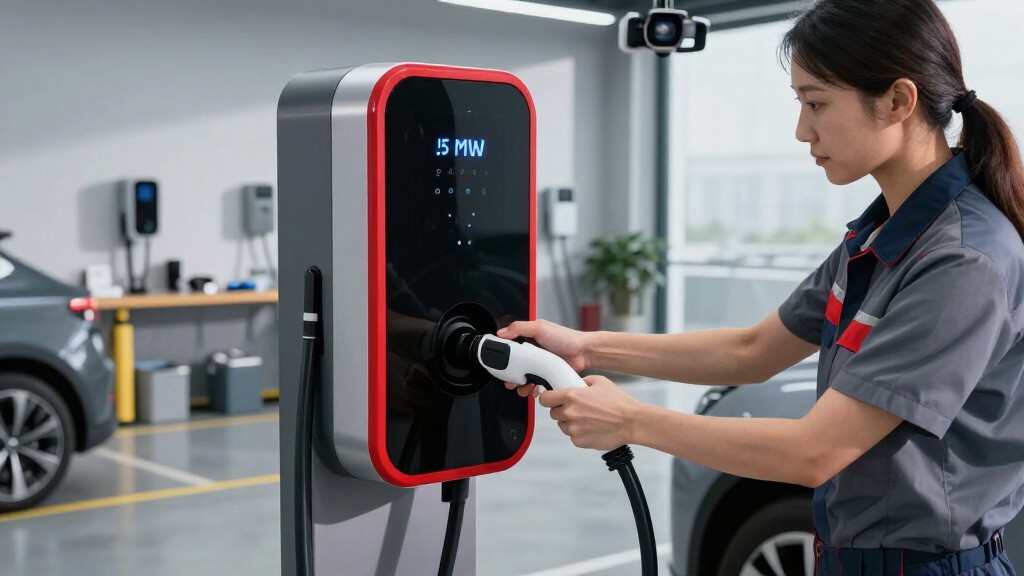
Dongfeng Motor Corporation has revealed a new 1.5 MW fast charging station, marking a direct challenge to BYD’s dominance in the Chinese EV charging sector. The company states this development is part of its broader strategy to expand its EV infrastructure and capture market share.

Get business pricing on garage and car supplies
- Business-only prices and quantity discounts
- Tax-exempt purchasing
- Multiple users, one account, clear invoices
Implications for China’s EV Charging Market
This development signals a potential shift in China’s EV charging landscape, with Dongfeng positioning itself as a serious competitor to BYD. A 1.5 MW charger can significantly cut down charging times, making EVs more practical for consumers and commercial fleets. The move could accelerate the adoption of electric vehicles nationwide, impacting market dynamics, investment flows, and government policies aimed at sustainable transportation. For consumers and fleet operators, increased competition may lead to more options and potentially lower charging costs, fostering broader EV adoption.Products Worth Considering

Autel 50A Level 2 Hardwired EV Charger with 25-ft J1772 Cable

Autel MaxiCharger Level 2 Smart Home EV Charger, NACS, 50A, 240V, 25-Foot Cable

Chemical Guys 17-Piece Car Detailing Kit for Interior, Exterior, and Wheels
As an affiliate, we earn on qualifying purchases.
Recent Trends in China’s EV Charging Infrastructure
China has been rapidly expanding its EV charging network over the past few years, with BYD and State Grid leading the way. BYD’s chargers have become widespread, especially in urban centers and along highways. Dongfeng’s entry with a high-capacity charger indicates a push to catch up and challenge BYD’s market dominance. The announcement aligns with broader national goals to promote electric mobility, including government incentives and infrastructure investments. Prior to this, Dongfeng has primarily focused on vehicle manufacturing, with increasing emphasis on integrating charging solutions into its portfolio.“Our new 1.5 MW charger demonstrates Dongfeng’s commitment to leading in EV infrastructure and providing faster, more efficient charging solutions for consumers and businesses alike.”
— Li Wei, Dongfeng spokesperson
Details of Deployment and Market Impact Still Unclear
It is not yet confirmed when or where Dongfeng will deploy these 1.5 MW chargers at scale. The specific locations, number of units, and pricing strategies remain undisclosed. Additionally, it is unclear how this development will influence existing market shares or whether other competitors will follow suit with similar or higher-capacity chargers. Industry experts note that further details are needed to assess the full market impact and adoption rate.Expected Next Steps and Industry Response
Dongfeng is expected to reveal deployment plans in the coming months, including pilot projects and partnerships. The company may also announce additional technological advancements or models integrated with high-capacity charging. Industry observers will monitor how competitors, especially BYD, respond to this challenge, possibly by accelerating their own infrastructure investments or launching new charging solutions. Regulatory bodies may also evaluate the impact on grid capacity and standards as high-capacity chargers become more common.Key Questions
How does the 1.5 MW charger compare to existing chargers in China?
The 1.5 MW charger is among the most powerful in China currently available, capable of significantly reducing charging times compared to standard chargers, which typically range from 50 kW to 350 kW.
Will Dongfeng’s new charger be available nationwide?
Details about deployment locations and timelines have not yet been announced. The company is likely to initiate pilot projects before a broader rollout.
What impact might this have on BYD’s market position?
If successful, Dongfeng’s high-capacity charger could challenge BYD’s dominance, especially if it leads to faster charging options and wider infrastructure coverage.
Are there any safety or technological standards associated with this charger?
Specific safety and technical standards have not been disclosed, but Dongfeng states the charger meets current industry safety and efficiency regulations.
Will this development influence EV prices or consumer costs?
Potentially, increased infrastructure and competition could lead to lower charging costs, but it remains to be seen how pricing strategies will evolve.
Source: rss