
TL;DR

Get business pricing on garage and car supplies
- Business-only prices and quantity discounts
- Tax-exempt purchasing
- Multiple users, one account, clear invoices
The European Union has implemented a new regulation requiring all new cars sold within member states to be equipped with driver monitoring cameras. This move aims to improve road safety by detecting drowsiness and distraction. The regulation is now in effect, with manufacturers needing to comply for new vehicle sales.
The European Union has introduced a regulation requiring all new cars sold within member states to include driver monitoring cameras. This policy, which took effect immediately, aims to enhance road safety by detecting driver drowsiness and distraction, potentially reducing accidents caused by human error. The move places a new technological requirement on vehicle manufacturers operating in the EU, emphasizing safety and automation standards.
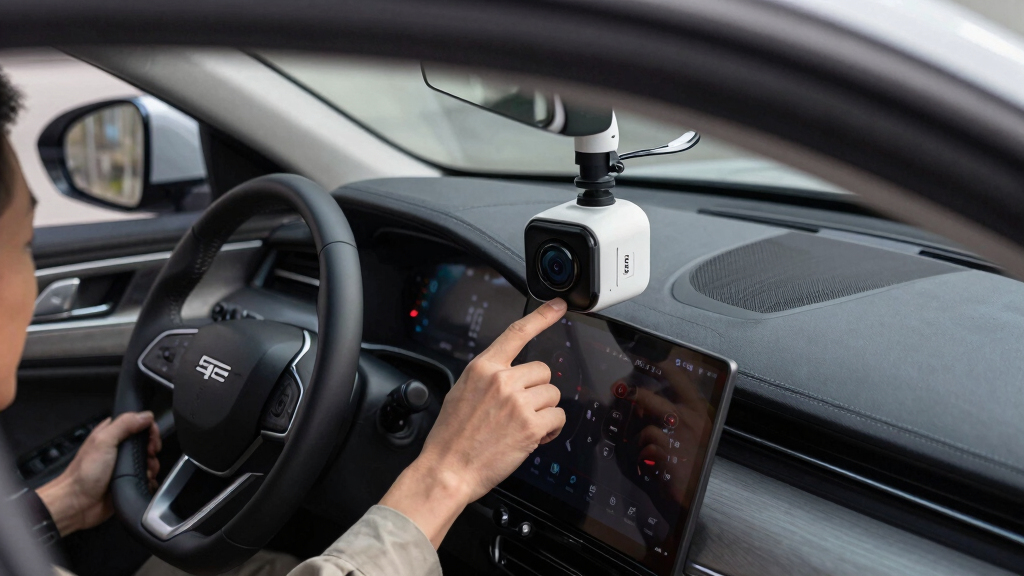
The regulation mandates that every new passenger vehicle sold in the EU must be equipped with an integrated driver monitoring system featuring a camera that observes driver behavior. Authorities specify that these cameras should be capable of detecting signs of drowsiness, distraction, or inattentiveness, and alert the driver accordingly. The European Commission announced this measure as part of its broader strategy to improve road safety and support the adoption of advanced driver-assistance systems (ADAS). Manufacturers are required to comply with the regulation for all new vehicle models from April 2024 onward. The regulation also sets standards for data privacy and security, ensuring that driver monitoring data is protected and used solely for safety purposes.According to the European Commission, the regulation aims to reduce road accidents, which are often caused by driver fatigue or distraction. Industry representatives have expressed concern about the implementation timeline, but most major automakers are working to meet the new requirements. The regulation is part of the EU’s broader push towards safer, more autonomous vehicles and aligns with ongoing efforts to reduce road fatalities across member states.It is important to note that the regulation applies only to new vehicle sales; used cars are not affected, and existing models do not need retrofitting. The EU also plans to monitor the regulation’s impact and may update standards based on real-world data and technological advancements.Why Mandatory Driver Monitoring Cameras Matter for Road Safety
This regulation aims to incorporate advanced safety features into vehicles to reduce accidents caused by driver fatigue and distraction. By mandating built-in cameras, the EU seeks to leverage technology to improve traffic safety and reduce fatalities.
Consumers may see increased safety features in new vehicles, with potential initial cost increases. Manufacturers will need to adapt their designs, which could foster innovation in driver monitoring and safety systems.
The policy underscores the EU’s commitment to vehicle safety and automation, potentially influencing global standards in the future.
As an affiliate, we earn on qualifying purchases.
EU Road Safety Initiatives and the Rise of Driver Monitoring Tech
The EU has been implementing policies to lower road fatalities, which previously exceeded 20,000 annually. These include stricter safety standards and the promotion of driver assistance features such as emergency braking and lane keeping.
The requirement for driver monitoring cameras builds on these efforts, reflecting a trend towards automation and driver safety systems designed to prevent human errors. Some automakers have already adopted similar systems voluntarily in high-end models, but the regulation makes it mandatory for all new vehicles.
This initiative aligns with similar efforts in the US and Asia, where governments are exploring or implementing driver monitoring regulations to enhance safety and support autonomous driving technology.
“This regulation will significantly contribute to reducing accidents caused by driver fatigue and distraction, saving lives across Europe.”
— European Commission spokesperson
Unresolved Questions About Implementation and Privacy
It remains uncertain how quickly all automakers will fully comply, especially smaller manufacturers or those facing supply issues. Technical standards for the cameras and AI detection algorithms are still being finalized, and industry input is ongoing.
Concerns about privacy and data security persist, with discussions ongoing regarding how driver data will be handled, stored, and used. Detailed guidelines are expected to be issued soon.
It is also unclear how the regulation will affect used vehicle markets or retrofit options, as the current focus is on new vehicle sales only.
Next Steps for Manufacturers and Regulatory Oversight
Automakers are expected to accelerate compliance efforts, with many planning to introduce driver monitoring systems in upcoming models. Regulatory agencies will oversee implementation and may issue additional standards or guidance.
The European Commission will review the regulation’s impact after one year, evaluating safety improvements and compliance. Industry consultations and public awareness campaigns on privacy are also planned.
Long-term, this regulation could support broader adoption of autonomous vehicle technologies, with driver monitoring as a foundational safety feature.
Key Questions
Does this regulation apply to used cars?
No, the regulation applies only to new vehicles sold within the EU. Existing used cars are not affected and do not require retrofitting.
What types of driver monitoring systems are required?
Vehicles must have a camera-based system capable of detecting signs of drowsiness, distraction, or inattentiveness. Specific technical standards are still being finalized.
Will this increase vehicle costs?
There may be a slight increase in vehicle costs due to the new technology, but prices are expected to decrease over time as the systems become more common.
How will driver data be protected?
The regulation emphasizes data privacy and security, with guidelines under development to ensure driver data is handled responsibly and securely.
When do automakers need to comply?
All new vehicle models sold in the EU must meet the regulation from April 2024 onward. Full compliance is expected shortly after this date.
Source: hn
Columbus Day / Indigenous Peoples' Day Picks
long weekend sales
As an affiliate, we earn on qualifying purchases.