If your DEWALT power tools are overheating during use, it can be both frustrating and concerning. Overheating not only affects performance but can also shorten the lifespan of your tool. Fortunately, many overheating issues can be resolved with some simple troubleshooting steps. In this guide, we’ll walk you through how to identify the causes of overheating and how to fix them safely, so your DEWALT tools run smoothly and reliably.

Get business pricing on garage and car supplies
- Business-only prices and quantity discounts
- Tax-exempt purchasing
- Multiple users, one account, clear invoices
Before starting any repair, always ensure your tool is unplugged or the battery is removed to prevent accidental activation. Proper maintenance and awareness of usage patterns can greatly extend the life of your power tools and prevent overheating issues from occurring in the first place.
Key Takeaways
| Proper Ventilation | Ensure vents are clean and unobstructed for optimal airflow. |
| Battery Health | Use high-quality, fully charged batteries compatible with your tool. |
| Operational Usage | Avoid overloading the tool and allow cooling periods during heavy use. |
| Maintenance | Regularly clean and inspect your tool for dust and debris buildup. |
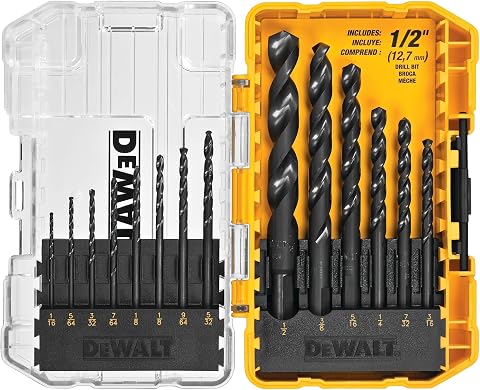
| Correct Accessories | Use appropriate drill bits and accessories to prevent strain. |
Check the Ventilation and Airflow
- Start by inspecting the vents on your DEWALT tool. Over time, dust, lint, and debris can block airflow, causing the motor to overheat.
- Use a soft brush or compressed air to gently clean out the vents. Be sure to remove any buildup carefully to avoid damaging internal components.
- After cleaning, ensure that the vents are unobstructed during use. Proper airflow is essential for cooling the motor and preventing overheating.
Examine the Battery and Power Source
- A faulty or degraded battery can cause overheating. Check if your battery is swollen, damaged, or not holding a charge.
- Use a compatible, high-quality battery (such as the DEWALT 20V MAX 5 Ah Lithium-Ion Battery) and ensure it is properly seated in the tool.
- If the battery is old or not functioning correctly, replace it with a fresh one. Always use genuine batteries to ensure safety and performance.
Avoid Overloading and Use Proper Technique
Overloading your DEWALT drill or impact driver can cause excessive heat buildup. To prevent this, operate within the tool’s recommended parameters.
Use the correct speed and torque settings for your task. For delicate work, set the variable speed trigger to a lower setting to reduce stress on the motor.
Take breaks during prolonged use to allow the tool to cool down, especially when working on tough materials or with high-resistance bits.
Perform Routine Maintenance and Inspection
- Regularly clean your tool, including the chuck, vents, and exterior surfaces, to prevent dust and debris buildup.
- Inspect the brushes, motor, and wiring if accessible. Worn brushes or damaged wiring can cause overheating.
- If you notice any unusual sounds, smells, or excessive heat, stop using the tool immediately and seek professional repair if needed.
Replace or Upgrade Components as Needed
If cleaning and usage adjustments don’t resolve overheating, consider replacing worn parts such as brushes or upgrading to a higher-capacity battery.
Always use genuine DEWALT parts and accessories to ensure compatibility and safety. Properly fitted batteries and accessories reduce strain on the motor and improve overall tool longevity.