
TL;DR
Listen free for 30 days with Audible
Thousands of audiobooks and originals — cancel anytime.
Start your free trialAs an affiliate, we earn on qualifying purchases.
A proposed ban on Chinese technology imports could lead to higher prices for new cars in the U.S. and other markets. The move aims to restrict Chinese tech access but may increase vehicle costs significantly.
The U.S. government is contemplating new restrictions that would limit the use of Chinese technology in the manufacturing of new cars, potentially making them more expensive for consumers. This development comes amid ongoing tensions over trade and national security concerns related to Chinese tech imports.
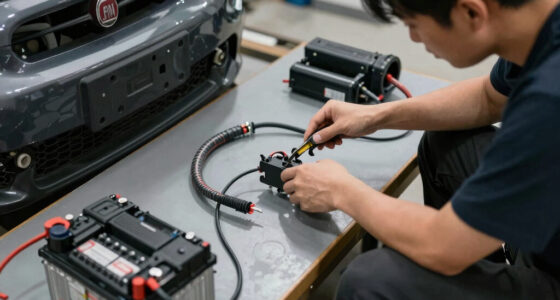
According to sources familiar with the matter, proposed regulations aim to restrict the import and use of certain Chinese-made electronic components and software in the automotive industry. These components include advanced chips, sensors, and other critical tech used in modern vehicles, especially electric and autonomous models.
Automakers and suppliers are reportedly concerned that these restrictions could disrupt supply chains, delay vehicle production, and significantly increase costs. Experts estimate that the added costs could be passed on to consumers, leading to higher vehicle prices across the board.
Officials have not yet finalized the regulations, and details about the scope, timing, or specific Chinese technologies affected remain unclear. Industry insiders warn that the impact could vary depending on how broadly the restrictions are applied and whether alternative sourcing options are available.
Potential Impact on Vehicle Prices and Industry Supply Chains
The proposed restrictions could substantially increase the cost of manufacturing new vehicles, especially electric and autonomous models that rely heavily on Chinese technology. This may lead to higher prices for consumers and could slow the adoption of advanced vehicle features. Additionally, automakers might face supply shortages or delays, affecting global production schedules and market availability.
For consumers, this could mean paying more for new cars, reducing affordability and possibly dampening sales. Policymakers and industry leaders are weighing the national security benefits against the economic impact on the automotive sector and consumers.
As an affiliate, we earn on qualifying purchases.
Background of U.S.-China Tech Tensions and Automotive Supply Chains
Over the past few years, the U.S. has increased restrictions on Chinese technology imports, citing concerns over intellectual property theft and national security. The automotive industry has become a significant focus due to its reliance on advanced Chinese-made chips and sensors, particularly in electric vehicles.
Previous measures, such as tariffs and export controls, have already strained supply chains. The current discussions about banning certain Chinese tech components in vehicles are part of broader efforts to limit Chinese influence in critical technology sectors.
Automakers have diversified their supply sources but remain dependent on Chinese components for many advanced features. The potential ban signals a shift that could reshape the industry’s sourcing strategies and pricing models.
“We are concerned about supply disruptions and increased costs, but understand the security rationale behind the proposals.”
— Automaker executive, condition of anonymity
Details of the Proposed Restrictions and Their Scope Are Still Unclear
It is not yet confirmed which specific Chinese technologies will be banned or restricted, nor the timeline for implementation. The final regulations are still under review, and industry responses are ongoing. The extent to which automakers can find alternative sources remains uncertain.
Regulatory Review and Industry Response in the Coming Months
The U.S. government is expected to finalize the restrictions within the next few months. Automakers and suppliers are preparing contingency plans, including exploring alternative sourcing options. Market analysts will closely monitor the regulatory process and potential impacts on vehicle pricing and supply chains.
Key Questions
How would the ban on Chinese tech affect car prices?
If implemented, the restrictions could increase manufacturing costs, leading automakers to raise prices for consumers, especially for electric and autonomous vehicles that rely heavily on Chinese components.
Which Chinese technologies are likely to be affected?
The focus appears to be on advanced chips, sensors, and software used in modern vehicles, though specific components have not yet been officially detailed.
When might these restrictions take effect?
The final regulations are still under review, with no confirmed date for implementation. Industry sources expect a decision within the next few months.
Could automakers find alternative sources for Chinese components?
Some automakers are exploring other suppliers, but the availability and cost of alternative sources remain uncertain, and replacements may not be immediate or cost-effective.
Source: rss
Flea & tick season Picks
flea and tick prevention
As an affiliate, we earn on qualifying purchases.