
TL;DR

Get business pricing on garage and car supplies
- Business-only prices and quantity discounts
- Tax-exempt purchasing
- Multiple users, one account, clear invoices
RTR, a leading drift team, reveals the tuning process behind preparing a Ford Mustang for Formula Drift competitions. The team demonstrates key modifications and expert techniques that contribute to competitive performance.
RTR, a prominent professional drifting team, has publicly shared how they tune a Ford Mustang for competitive Formula Drift events, offering a detailed look at their technical process. This development provides insight into the high-level engineering and tuning strategies that contribute to success in professional drifting, making it relevant for motorsport enthusiasts and aspiring tuners alike.
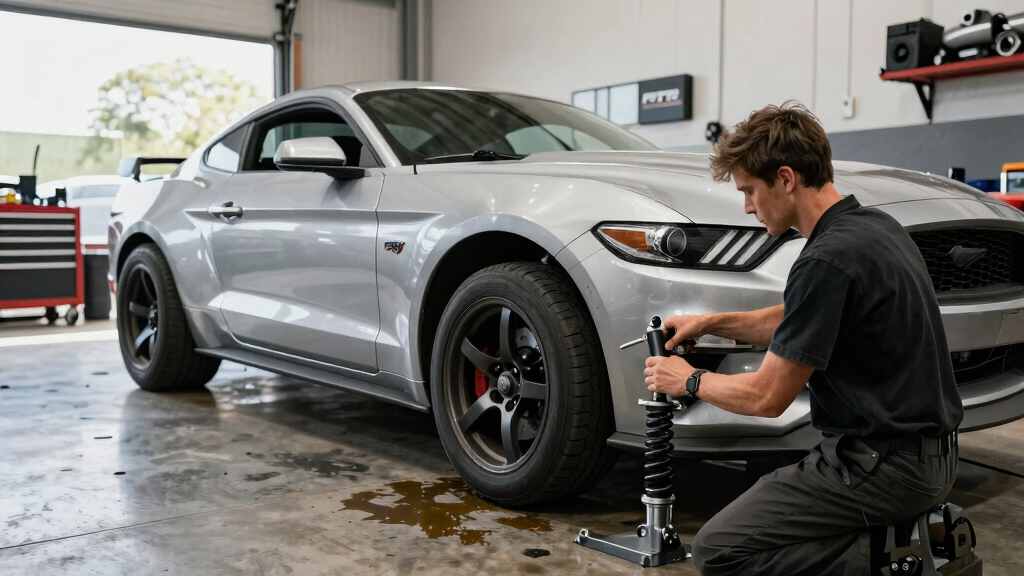
In a recent feature, RTR showcased their process of preparing a Ford Mustang for the demanding environment of Formula Drift. The team explained that their tuning focuses on optimizing the car’s handling, power delivery, and stability during high-angle drifts. Key modifications include suspension adjustments, differential tuning, and engine calibration tailored to the specific needs of drifting competitions.
According to RTR’s lead engineer, the tuning process involves a combination of data-driven adjustments and real-world testing. The team emphasized that fine-tuning the suspension geometry and increasing rear grip are crucial for maintaining control during aggressive slides. They also highlighted the importance of precise tire pressure management and differential settings to achieve predictable drift behavior.
RTR’s approach is rooted in extensive experience and collaboration with manufacturers, aiming to maximize the Mustang’s potential as a competitive drift car. The team shared images and videos of the tuning process, illustrating the meticulous work involved in preparing a high-performance vehicle for Formula Drift stages.
Why Professional Tuning Impacts Formula Drift Competitions
This detailed insight into RTR’s tuning process underscores the level of expertise required to succeed in professional drifting. It highlights how technical modifications directly influence a car’s performance, safety, and consistency during competitions. For fans and participants, understanding these adjustments reveals the complexity behind the spectacle of drifting and the importance of precision engineering in motorsports.
As an affiliate, we earn on qualifying purchases.
Evolution of Mustang Tuning in Formula Drift
The Ford Mustang has become a popular choice among drift teams for its power and rear-wheel-drive layout. Over recent years, teams like RTR have refined their tuning techniques, incorporating advanced suspension and engine management systems to enhance performance in competitive settings. This feature continues a trend of professional teams pushing the boundaries of what’s possible with factory-based platforms, emphasizing the importance of expert tuning for success in Formula Drift.
“Our goal is to fine-tune every aspect of the Mustang to ensure it’s predictable and controllable at the limit. Suspension geometry, differential settings, and engine calibration are all critical components we adjust for each event.”
— RTR Lead Engineer
Uncertain Details About Future Tuning Innovations
While RTR has shared their current tuning strategies, it is not yet clear how they plan to adapt or evolve these techniques for upcoming seasons. Specific innovations in suspension technology, engine management, or aerodynamic adjustments remain undisclosed and could be subject to further development.
Next Steps for RTR and the Broader Drift Community
RTR is expected to continue refining their Mustang setups and may share further technical insights ahead of the next Formula Drift season. Additionally, other teams might adopt or adapt these tuning strategies, leading to increased competition and innovation within the sport. Fans and participants will be watching for any new modifications or breakthroughs that could influence upcoming events.
Key Questions
What specific modifications does RTR make to their Mustang for Formula Drift?
RTR adjusts suspension geometry, differential settings, engine calibration, tire pressures, and aerodynamics to optimize the Mustang for drifting performance and control.
How does tuning affect a Mustang’s performance in drifting competitions?
Proper tuning enhances handling, stability, and predictability, allowing drivers to execute high-angle drifts safely and consistently, which is crucial for competitive success.
Will RTR share more technical details in the future?
While they have shared some insights, further detailed technical disclosures are not confirmed but may be released as the team continues to develop their setups.
How does professional tuning differ from amateur modifications?
Professional tuning involves precise, data-driven adjustments and collaboration with manufacturers, focusing on reliability and performance at the highest level, unlike typical amateur modifications which may lack such refinement.
What role does driver feedback play in the tuning process?
Driver feedback is critical, as it helps engineers understand how the car responds during actual drifting conditions, guiding further adjustments for optimal performance.
Source: rss
Halloween Picks
halloween
As an affiliate, we earn on qualifying purchases.