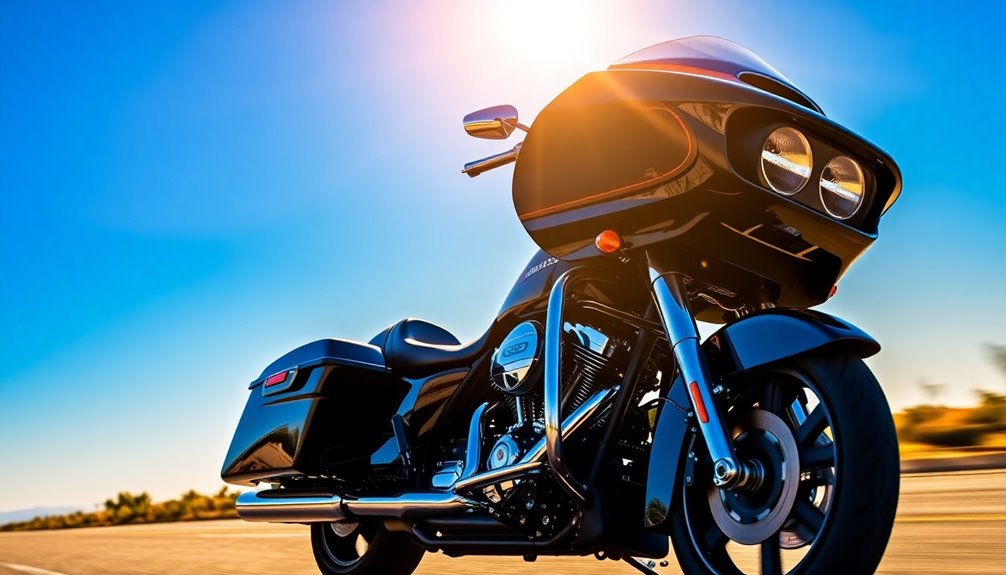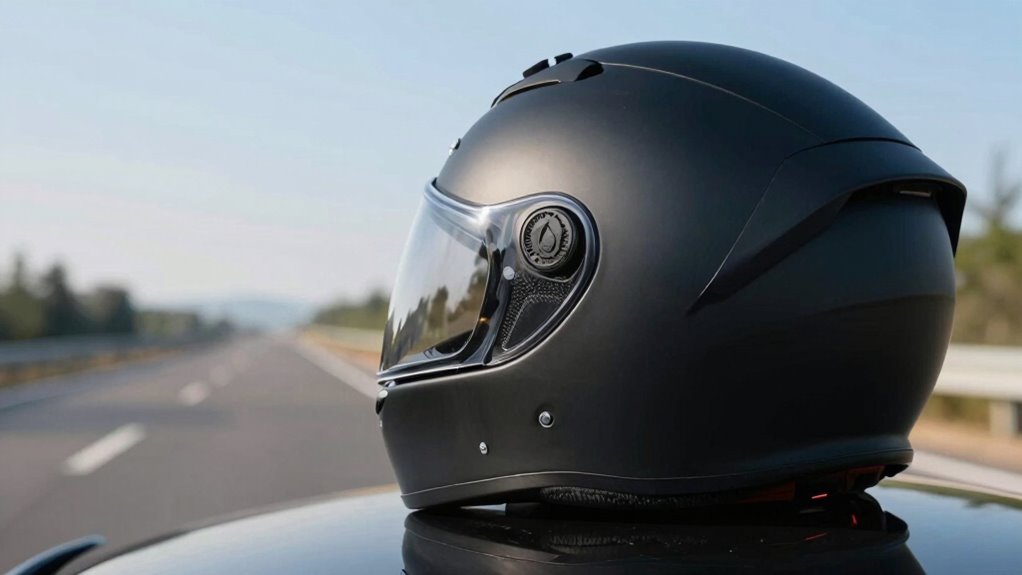

Many riders believe wind noise mainly comes from poor helmet design or cheap construction, but it actually results from airflow turbulence, external features, your posture, and environmental factors. A helmet that fits well, is aerodynamic, and has proper seals can markedly reduce noise. External features like windshields and fairings also help redirect airflow. Understanding these causes can make your rides quieter, and if you keep exploring, you’ll discover how to effectively minimize wind noise during highway adventures.
Key Takeaways
- Wind noise is primarily caused by airflow turbulence around the helmet and its components at high speeds.
- Poor helmet fit and leaks allow air to enter, increasing buffeting and noise inside the helmet.
- Helmet shape and lack of aerodynamic features exacerbate airflow disruptions and wind noise.
- Rider posture influences how air hits the helmet, affecting turbulence and noise levels.
- External factors like crosswinds and weather conditions intensify turbulence, leading to louder wind noise.
What Causes Wind Noise Inside Your Helmet on the Highway

Wind noise inside your helmet on the highway primarily results from air turbulence around the helmet and its components. Poor helmet aerodynamics can cause increased turbulence, creating more wind noise. The shape and design of your helmet influence how smoothly air flows over it, impacting noise levels. Additionally, your rider posture plays a significant role; leaning forward or tilting your head can alter how air hits your helmet, increasing turbulence and noise. When your helmet isn’t streamlined or your posture isn’t ideal, you’ll experience more wind buffeting and sound. Investing in a helmet with good aerodynamics and maintaining an upright, relaxed riding posture can help reduce wind noise. Remember, both helmet design and how you hold your body affect the amount of wind noise you encounter at high speeds.
How Helmet Fit and Seal Impact Wind Noise

Your helmet’s fit and seal directly influence wind noise levels. A snug, well-sealed helmet minimizes gaps that let in noise and wind turbulence. Regularly checking and maintaining the seal guarantees ideal noise reduction on your rides. Additionally, ensuring the helmet’s fit is correct can further reduce unwanted noise and improve comfort during your ride. Proper helmet fit also helps prevent fatigue and distraction caused by uncomfortable pressure points. When your helmet fits properly, it can also contribute to better overall safety by reducing the risk of shifting or movement during a ride. Maintaining the quality of the helmet’s seal is essential for optimal noise control and overall riding comfort. Ensuring the helmet’s seal integrity is maintained can significantly enhance your riding experience by reducing ambient noise and increasing focus.
Proper Helmet Fit Matters
A proper helmet fit is essential because it directly affects how well the helmet seals around your head, which in turn influences wind noise. When your helmet fits snugly without gaps, it minimizes air leaks that cause buffeting and noise at high speeds. Good helmet ventilation also plays a role; a well-ventilated helmet helps regulate temperature and prevents discomfort that might cause you to adjust the helmet, disrupting the seal. Additionally, visor tint can impact how airflow interacts with your helmet, affecting overall noise levels. A visor that fits securely reduces vibrations and wind turbulence around the face area. Ensuring your helmet fits correctly and that all components, including the visor, are properly adjusted, makes a noticeable difference in quietness and comfort on the highway.
Seal Quality and Maintenance
The quality of your helmet’s seal directly influences how much noise escapes and how effectively it blocks external airflow. If your helmet padding is worn or uneven, it creates gaps that let wind pass through, increasing noise. Regularly check the padding for wear and replace it when needed to maintain a tight seal. Also, verify your chin strap is snug but comfortable; a loose strap can cause the helmet to shift, breaking the seal and letting in more wind noise. Proper maintenance of the seal isn’t just about comfort—it’s about reducing wind turbulence around your helmet. Keep the padding clean and in good condition, and always secure your chin strap properly. A well-maintained seal keeps noise out and enhances your riding experience. Additionally, inspecting the fit for proper helmet fit ensures the seal remains effective and minimizes wind noise. Paying attention to helmet maintenance routines can also help prolong the integrity of the seal and improve overall protection.
How Wind Conditions and Speed Make Helmet Noise Worse

When wind speeds pick up, you’ll notice helmet noise becomes more noticeable, especially at higher speeds. Crosswinds can cause turbulent airflows that amplify noise and buffeting. Atmospheric conditions like humidity and temperature also influence how loud wind feels against your helmet, making some rides much noisier than others. Additionally, aerodynamic design of the helmet plays a significant role in how wind noise is generated and experienced. Factors such as helmet ventilation can also impact airflow patterns around the helmet, further affecting noise levels. Proper helmet fit can help minimize gaps that allow unwanted wind to enter, reducing noise and improving comfort. The airflow around your helmet is heavily affected by its shape and surface features, which can either reduce or increase wind-induced noise. Moreover, the surface materials used in helmet construction can influence how air interacts with the helmet surface, impacting wind noise levels.
Wind Speed Impact
Ever wondered how wind speed can turn a quiet helmet into a noisy nuisance? As wind speeds increase, your helmet’s aerodynamics become more critical. Faster winds create greater airflow around your helmet, amplifying noise levels. During wind tunnel testing, engineers observe how different helmet shapes influence airflow and sound at various speeds. When wind speeds rise, even minor imperfections in helmet design can cause turbulent airflow, resulting in increased wind noise. It’s not just about raw speed; the way your helmet interacts with the wind matters. Higher speeds mean more air hits your helmet from all angles, making sound more noticeable. Improving helmet aerodynamics can help reduce this effect, but wind speed itself remains a significant factor in the noise equation. Proper helmet fit can also influence how air flows over your helmet and reduce turbulence, further decreasing wind noise. Additionally, aerodynamic helmet design techniques are crucial for minimizing wind resistance and noise at high speeds. Understanding aerodynamic principles can help riders select helmets that better manage airflow and reduce wind-induced noise, especially when considering helmet shape optimization. Moreover, employing advanced materials can contribute to better airflow management and noise reduction.
Crosswind Challenges
Crosswinds can substantially worsen helmet noise by creating uneven airflow around your helmet, especially at higher speeds. Poor helmet aerodynamics make it more vulnerable to gusts, causing turbulent air to flow into gaps and around the helmet edges. Your rider posture also plays a role; leaning into the wind or tensing up can increase resistance and disrupt smooth airflow. When wind hits your helmet from the side, it amplifies noise levels and can create vibrations that add to the discomfort. To minimize these effects, maintain an upright posture and choose helmets designed with aerodynamic features that reduce drag and turbulence. Additionally, helmet design can significantly influence how well your helmet handles wind conditions, helping to reduce noise and improve comfort. Being aware of crosswind conditions helps you adjust your riding style, making your ride quieter and more comfortable even in challenging wind situations. Proper helmet fit also plays a crucial role in minimizing gaps that allow turbulent air to enter and cause noise. Recognizing the importance of aerodynamic helmet features can further enhance your riding experience by decreasing wind resistance and noise levels. Moreover, paying attention to helmet ventilation can help in reducing turbulence around your helmet, contributing to a quieter ride. Selecting helmets with advanced aerodynamic materials can further optimize airflow and noise reduction during windy conditions.
Atmospheric Conditions Effect
Higher wind speeds directly increase helmet noise by generating stronger airflow turbulence around your helmet. When atmospheric pressure drops, air becomes less dense, which can cause more turbulent airflow and amplify noise. Conversely, high atmospheric pressure creates denser air, potentially reducing turbulence and noise levels. Humidity variations also play a role; high humidity can make the air more buoyant and turbulent, intensifying wind noise. On humid days, the increased moisture in the air can cause airflow to become more irregular around your helmet, boosting wind buffeting. These atmospheric conditions—pressure fluctuations and humidity changes—directly influence how much wind noise you experience at highway speeds, making it essential to consider weather patterns when riding for a quieter, more comfortable ride. Additionally, understanding air density can help you anticipate how different weather conditions impact wind noise levels, especially since atmospheric conditions directly affect airflow patterns.
Common Myths About Helmet Design and Wind Noise

Many people believe that the design of a helmet has little impact on wind noise, but this is a common misconception. In reality, helmet aerodynamics plays a *vital* role in reducing wind noise. Many assume that noise canceling helmets automatically block out all wind sounds, but they only minimize noise through technology, not design. Some think that a heavier helmet is quieter, which isn’t true; weight can sometimes increase turbulence and noise. Others believe that adding more vents always reduces noise, but poorly placed vents can cause extra buffeting. The truth is, a well-designed helmet with optimized aerodynamics and noise canceling features minimizes wind noise effectively. Understanding these myths helps you choose gear that truly enhances comfort and safety on the highway.
How Windshields and Fairings Help Reduce Helmet Noise

Windshields and fairings are vital tools for reducing helmet noise because they redirect airflow away from your head. By guiding wind over and around your motorcycle, they create a smoother airflow, lessening turbulence that causes noise. Helmet vents work in tandem, channeling air efficiently and reducing wind pressure on your helmet, which can amplify noise. Additionally, visor design plays an essential role; a well-fitting visor minimizes gaps where wind can whistle or buffet, further decreasing noise levels. Properly positioned windshields and fairings can considerably lower the wind pressure against your helmet, making your ride quieter and more comfortable. Together, these features help manage airflow, so you’re less susceptible to wind-induced helmet noise during highway cruising.
Practical Tips to Minimize Wind Noise While Riding

To minimize wind noise while riding, you should focus on adjusting your riding position and gear to create a more streamlined profile. Keep your head aligned with your spine and avoid tilting or leaning forward excessively, as poor rider posture can increase wind resistance and noise. Check that your helmet fits snugly; helmet ventilation should be open enough for airflow but not create turbulence around your helmet. Consider lowering your chin slightly and tucking in your shoulders to reduce gaps that allow wind to catch and cause noise. Wearing gear that minimizes flapping or loose material also helps. Small adjustments in your riding stance and ensuring proper helmet fit and ventilation can markedly decrease wind noise, making your ride more comfortable and less distracting.
Best Gear and Accessories to Keep Your Helmet Quiet

Choosing the right gear and accessories can substantially reduce helmet noise while riding. Investing in noise canceling gear, like earplugs or specialized earphones, greatly diminishes wind intrusion. Additionally, optimizing helmet aerodynamics with well-designed visors and streamlined vents can minimize turbulence. The right accessories create a quieter riding experience and improve focus.
| Gear/Accessory | Benefit | Best Use Case |
|---|---|---|
| Noise-canceling earplugs | Reduce ambient wind noise | Long highway rides |
| Aerodynamic visors | Minimize turbulence around helmet | High speeds |
| Wind deflectors | Redirect airflow away from helmet | Touring motorcycles |
| Helmet liners | Improve fit, reduce vibrations | All-day comfort |
| Specialized earphones | Block noise while allowing communication | Group rides or navigation |
Frequently Asked Questions
Can Helmet Material Influence Wind Noise Levels?
Yes, helmet material can influence wind noise levels. Lighter, smoother materials like fiberglass or polycarbonate often provide better wind noise reduction because they create fewer vibrations and resonances. A helmet with well-designed vents and a snug fit also helps minimize wind intrusion. So, choosing a helmet with the right material and construction can make your ride quieter and more comfortable on the highway.
Does Helmet Age Affect Noise Reduction Effectiveness?
Your helmet’s age can definitely impact its noise reduction, like a worn-out shield losing its strength. Over time, materials degrade, causing the helmet fit to loosen and ventilation to falter. This lets more wind seep in, increasing noise levels. To keep noise down and protection high, replace your helmet as it ages, ensuring it maintains a snug fit and peak ventilation — your best defense against highway wind noise.
Are There Specific Helmet Brands Known for Quieter Rides?
Some helmet brands are known for quieter rides, especially when you focus on helmet fit and interior padding. Brands like Shoei, Arai, and Schuberth often feature superior padding and aerodynamic designs that reduce wind noise. Make certain your helmet fits snugly without gaps, and opt for models with plush interior padding. These factors considerably enhance noise reduction, so investing in reputable brands with quality interior materials ensures a quieter, more comfortable ride.
How Does Rider Posture Impact Wind Noise?
Ever wonder how rider posture influences wind noise? When you sit upright, you create more wind turbulence around your helmet, increasing noise levels. Slouching or leaning forward streamlines your profile, reducing turbulence and wind noise. Small adjustments in your rider posture can make a big difference, helping you enjoy quieter, more comfortable rides. Stay mindful of your stance, and you’ll notice a significant drop in wind noise on the highway.
Can Aftermarket Accessories Significantly Reduce Helmet Wind Noise?
Yes, aftermarket accessories can greatly reduce helmet wind noise. Installing better helmet ventilation helps redirect airflow, decreasing turbulence and noise. Additionally, visor tinting or pinlock inserts can improve airflow around your visor, reducing wind buffeting. Properly fitted accessories that complement your helmet’s design ensure a snug fit, minimizing gaps where wind can cause noise. Always choose accessories compatible with your helmet for maximum noise reduction and comfort during your ride.
Conclusion
Ultimately, understanding the true triggers of wind noise helps you tame turbulence on the trail. By balancing helmet fit, boosting barriers like windshields, and braving the breezes with better gear, you can banish bothersome blusters. Don’t let loud lanes lead to laryngitis—listen, learn, and lessen the loudness. With these tips, you’ll enjoy a quieter, calmer cruise, conquering the coast with confidence and comfort. Ride relaxed, and let peace prevail on your path.