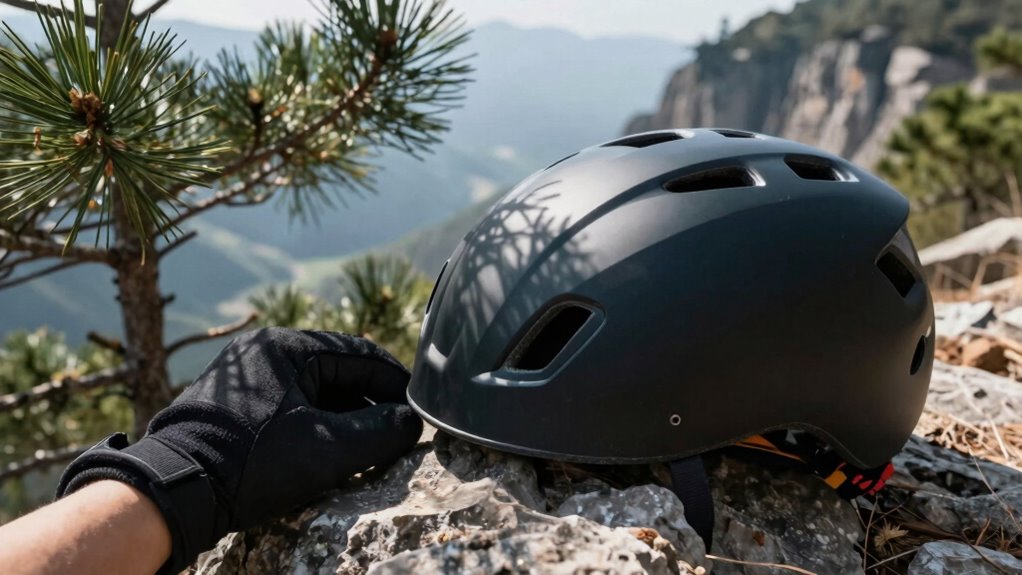

Many helmet ads claim near-silence, but wind noise mainly depends on aerodynamics, not just noise-canceling features. If your helmet isn’t streamlined, turbulence and buffeting create loud wind noise, no matter what tech it has. Good airflow management, shape, and vent placement are what really reduce noise and increase comfort. Once you understand these wind noise rules, you’ll see why design matters more than marketing claims—there’s more to uncover here.
Key Takeaways
- True helmet quietness depends on aerodynamic shape, not just noise-canceling features or superficial marketing claims.
- Poor airflow management causes turbulence and buffeting, increasing wind noise regardless of special tech.
- Proper vent placement and streamlined contours reduce turbulence, naturally lowering external wind noise.
- High wind noise levels are linked to airflow disruption, not just external noise-reduction technologies.
- Effective helmet design focuses on airflow and shape, making quietness a natural outcome of good aerodynamics.
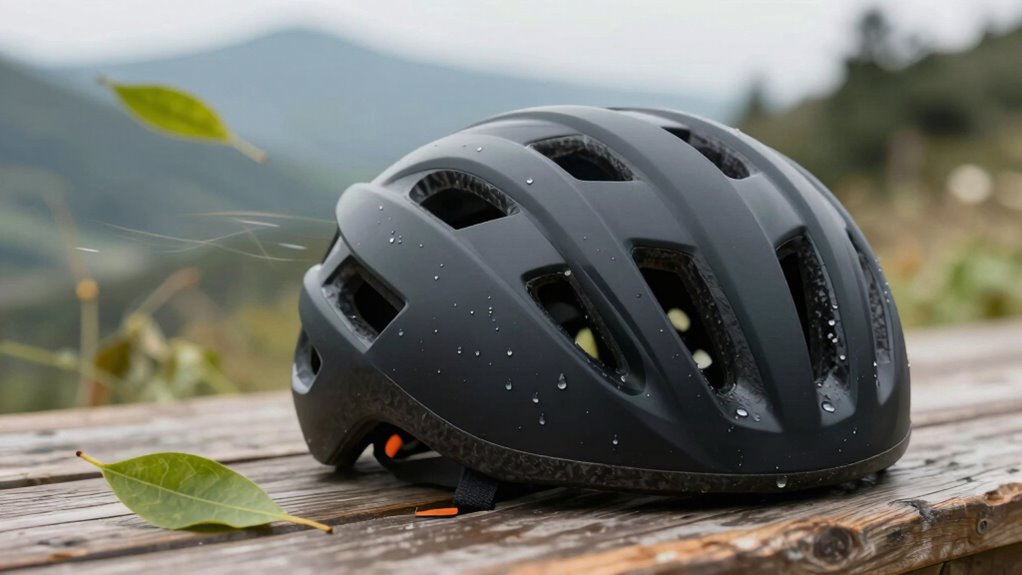
Many quiet helmet marketing claims crumble once you understand the key rule about wind noise. Most manufacturers promise near-silence with their helmets, but the truth is, wind noise isn’t just about the helmet itself; it’s deeply tied to helmet aerodynamics and your rider comfort. When you’re riding at speed, how your helmet interacts with the airflow determines how much noise you’ll hear. If the helmet isn’t designed with aerodynamics in mind, turbulence and buffeting will create excessive wind noise, making even the quietest-sounding helmets less effective.
Understanding this, you realize that a helmet’s shape and vent placement play vital roles. A helmet with poor aerodynamics causes more airflow disruption, which directly translates to increased wind noise. To truly minimize noise, you need a helmet that channels air smoothly around your head. This isn’t just about reducing external sounds; it’s also about maintaining rider comfort. When air flows cleanly over the helmet, you not only get less wind noise but also a more comfortable ride. Excessive turbulence can lead to fatigue, headaches, and discomfort, especially on longer rides, which defeats the purpose of a helmet designed for quiet and comfort. Proper helmet aerodynamics is crucial for achieving these goals.
Proper helmet shape and vent placement reduce turbulence, noise, and fatigue for a more comfortable ride.
You might notice that many marketing claims focus solely on noise-canceling features, but those are often superficial. True quietness depends on the helmet’s aerodynamic profile. A well-designed helmet will have streamlined contours, strategic vent placement, and overall shape that minimizes drag and turbulence. When you choose a helmet with superior aerodynamics, you’ll find that wind noise drops noticeably, and your riding experience becomes more peaceful and enjoyable. This isn’t just about silence—it’s about creating a ride where you can focus on the road without constantly battling wind sounds that distract and tire you. Additionally, aerodynamic efficiency plays a role in reducing the physical effort required to ride at high speeds, which can contribute to overall comfort.
Moreover, rider comfort is closely linked to how the helmet’s design manages airflow. When airflow is smooth, your head stays cooler and less subjected to the buffeting that causes noise and discomfort. This balance between aerodynamics and comfort enhances your overall riding experience. Instead of fixating on noise-canceling features alone, focus on how the helmet is shaped and how it manages airflow. When these elements work in harmony, wind noise decreases naturally, and your helmet becomes a true partner in comfortable, quiet riding—even at high speeds. Recognizing the importance of aerodynamic design can dramatically improve your riding experience. It’s also essential to consider the helmet shape and how it influences airflow patterns, which are fundamental in reducing wind noise. Once you grasp this wind noise rule, it’s clear why the best helmets aren’t just marketed as quiet but are engineered for helmet aerodynamics and rider comfort.
As an affiliate, we earn on qualifying purchases.
Frequently Asked Questions
How Does Wind Noise Impact Helmet Safety?
Wind noise can substantially impact helmet safety by distracting you, reducing your focus, and causing fatigue, which may lead to accidents. It also affects rider comfort and can cause discomfort or even ear damage over time. When choosing a helmet, prioritize designs that minimize wind noise, as this improves both aesthetics and comfort, helping you stay alert and safe during your ride. A quieter helmet ultimately enhances your overall riding experience.
Are Certain Helmet Materials Better at Reducing Wind Noise?
Did you know that helmets made from advanced composites can reduce wind noise by up to 20%? You’ll notice that certain helmet materials, like fiberglass or carbon fiber, not only enhance helmet aesthetics but also improve material durability, which helps block wind better. These materials create a smoother surface, cutting down noise levels and making your ride quieter. So, choosing a helmet with quality materials truly makes a difference in wind noise reduction.
Can Wind Noise Levels Vary With Helmet Design?
Yes, wind noise levels can vary with helmet design because of helmet aerodynamics and ventilation design. A helmet with better aerodynamics directs airflow smoothly, reducing turbulence and noise. Conversely, poor ventilation design can cause wind to whistle or create buffeting sounds. You’ll notice lower wind noise in helmets engineered with streamlined shapes and carefully placed vents, making your ride quieter and more comfortable, especially at higher speeds.
What Are the Best Methods to Test Wind Noise?
You can’t just guess wind noise levels; you need precise testing. Use a sound level meter inside the helmet during rides to measure helmet soundproofing and noise cancellation effectiveness. Conduct tests at different speeds and conditions, ideally in a controlled environment, to get accurate data. Comparing readings from various helmets helps you identify which offers the best wind noise reduction, ensuring you pick the quietest, most effective helmet for your needs.
Does Helmet Fit Influence Wind Noise Reduction?
Yes, helmet fit profoundly influences wind noise reduction. When your helmet fits comfortably, it minimizes gaps that allow wind to enter, reducing noise. Helmet comfort also guarantees a snug fit, preventing movement that creates additional noise. Aerodynamic features play an essential role by guiding airflow smoothly around your helmet, further decreasing wind noise. Properly fitting, aerodynamically designed helmets work together to give you a quieter, more comfortable ride.
Conclusion
Once you understand the wind noise rule, the glossy promises of quiet helmets start to crack like a thin ice sheet. Don’t be fooled by marketing hype—real silence depends on more than just fancy claims. Now, you’re armed with the knowledge to see through the noise and choose wisely. Remember, a quiet helmet isn’t just a dream; it’s about understanding the wind’s secrets, turning what seems like a whirling storm into a peaceful ride.