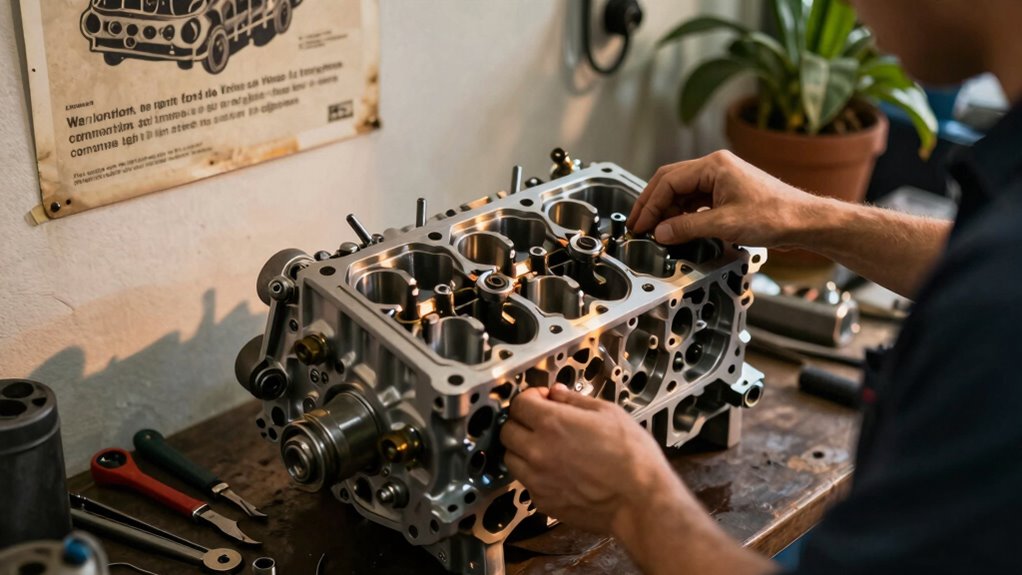
Valve maintenance myths can really make Honda ownership seem intimidating, but they’re often overblown. You don’t need to wait for high mileage to check your valves, and even modern models benefit from regular adjustments. Many DIY enthusiasts manage these tasks easily with the right tools. Ignoring maintenance can hurt your engine’s performance, but proactive care keeps things running smoothly. If you want to understand the real importance of valve maintenance, there’s more to uncover.

Get garage and car supplies delivered free — and shop member deals
- Fast, free delivery on millions of items
- Access to Prime Big Deal Days deals on October 6–7
- Prime Video, Amazon Music and more included
Key Takeaways
- Valve adjustments are necessary for all mileage levels, not just high-mileage vehicles, ensuring consistent engine performance.
- DIY valve adjustments can be manageable with proper tools and knowledge, dispelling the myth that they are overly complicated.
- Regular valve checks are essential for maintaining fuel efficiency and optimal engine function, not just a one-time task.
- Unusual engine noises may often be resolved with simple valve adjustments, avoiding unnecessary expensive repairs.
- Understanding valve maintenance facts leads to confidence in Honda ownership and promotes better vehicle reliability.

Have you ever wondered what’s true and what’s just noise when it comes to valve maintenance? Many Honda owners face a barrage of myths that can make valve adjustment sound like an overwhelming task. The truth is, regular valve maintenance is much simpler than you might think, and it plays a vital role in your engine performance. By clearing up some of these misconceptions, you can approach valve care with confidence rather than fear.
One common myth is that valve adjustments are only necessary for high-mileage vehicles. While it’s true that older engines may require more frequent adjustments, Honda’s engineering often allows for longer intervals between checks. Many modern Honda models actually come with guidelines that specify when a valve adjustment is needed, and it’s usually not as often as you might believe. Ignoring these guidelines can lead to poor engine performance, but being proactive can help you keep your car running smoothly. Understanding engine maintenance intervals can help you plan these checks effectively, especially as part of your overall vehicle upkeep. Staying informed about engine component wear can also help you catch potential issues early.
Valve adjustments aren’t just for high-mileage vehicles; modern Hondas have specific guidelines to keep your engine running smoothly.
Another misconception is that valve adjustments are incredibly complicated and should only be tackled by professionals. While it’s wise to consult a mechanic if you’re uncomfortable, many DIY enthusiasts find that with the right tools and a bit of patience, they can complete the task themselves. Familiarizing yourself with your engine’s specifications and following a clear process can demystify valve adjustments. Just remember to take your time, and you’ll likely find it’s more straightforward than it seems.
You might also hear that valve adjustments are a one-time fix. This isn’t accurate; they require periodic checks to guarantee your engine is functioning at its best. Neglecting this can lead to issues like decreased fuel efficiency and increased emissions. Keeping your valves in check helps maintain peak engine performance, ensuring that you get the most out of your Honda. Proper engine maintenance not only extends your vehicle’s lifespan but also enhances its overall safety.
Lastly, some people believe that if they hear unusual noises coming from the engine, it automatically means a major problem. While strange sounds can indicate issues, they don’t always mean you need an expensive repair. Sometimes, a simple valve adjustment can resolve these noises and restore your engine’s performance.
In the end, don’t let the myths surrounding valve maintenance scare you. By understanding the facts and keeping up with regular checks, you’ll guarantee your Honda runs smoothly for years to come. Embrace the routine, and you’ll enjoy all the benefits that come with proper valve care.
As an affiliate, we earn on qualifying purchases.
Frequently Asked Questions
How Often Should I Change My Honda’s Oil?
You should change your Honda’s oil every 5,000 to 7,500 miles, depending on the oil type you select. If you’re using synthetic oil, you can usually stretch it to the higher end of that range. Regular oil change frequency helps keep your engine running smoothly and efficiently. Always check your owner’s manual for specific recommendations, as different models might have varying requirements. Staying on top of this maintenance can save you money in the long run.
What Are the Signs of Engine Trouble?
If you notice engine noise, warning lights, or performance loss, it’s time to pay attention. Overheating issues, oil leaks, or unusual exhaust smoke can signal trouble. You might also experience vibration problems or a fuel smell, which are red flags. Ignoring these signs can lead to more serious damage, so don’t hesitate to get your Honda checked. Early intervention can save you time and money in the long run.
How Can I Improve My Honda’s Fuel Efficiency?
To improve your Honda’s fuel efficiency, start by using quality fuel additives to clean your engine. Regularly check and maintain your tire pressure; under-inflated tires can decrease mileage. Adjust your driving habits by avoiding rapid acceleration and excessive idling. Finally, consider engine tuning for peak performance. These simple steps can enhance your vehicle’s efficiency, saving you money at the pump while keeping your Honda running smoothly.
When Should I Replace My Spark Plugs?
You might wonder, when’s the right time to replace your spark plugs? Generally, you should replace them every 30,000 to 100,000 miles, depending on the spark plug types. Copper plugs wear out quicker, while iridium and platinum last longer. Keep an eye on your engine’s performance; if you notice misfires or reduced fuel efficiency, it’s a sign you need to check those spark plugs. Regular maintenance helps keep your Honda running smoothly!
Do Aftermarket Parts Affect My Honda’s Warranty?
Yes, aftermarket parts can affect your Honda’s warranty. If you install performance modifications that cause damage or issues, the manufacturer might deny warranty claims. However, using high-quality aftermarket parts typically won’t void the warranty unless proven they caused a problem. Always check your aftermarket warranties, as they may cover certain modifications. Keeping receipts and documentation can help if you need to address warranty concerns later on.
Conclusion
To sum up, don’t let valve maintenance myths muddle your Honda ownership experience. With a bit of basic knowledge and routine care, you can confidently cruise through your car’s lifespan without fear. Embrace the ease of engine upkeep, and enjoy the journey ahead. Remember, it’s all about staying steady and sensible. So, shift your worries aside, and savor the satisfaction of smooth, sound driving!
Halloween Picks
halloween
As an affiliate, we earn on qualifying purchases.