If your bike battery keeps dying, parasitic drain might be the cause. This happens when electrical components like switches, relays, or accessories draw power even when the bike is off, slowly weakening your battery. Common issues include faulty wiring, corroded connections, or improperly installed devices. To prevent this, regularly check your battery’s voltage and inspect your electrical system. Keep an eye out for more tips if you want to learn how to tackle parasitic drain effectively.

Get business pricing on garage and car supplies
- Business-only prices and quantity discounts
- Tax-exempt purchasing
- Multiple users, one account, clear invoices
Key Takeaways
- Parasitic drain occurs when electrical components draw power even when the bike is off, gradually depleting the battery.
- Faulty wiring, corroded connections, or malfunctioning parts can cause unintended power draw.
- Regular voltage checks with a multimeter help detect abnormal drops indicating parasitic drain.
- Improperly installed accessories or aftermarket devices often increase parasitic load and drain the battery.
- Proper wiring, professional installation, and routine maintenance prevent parasitic drain and extend battery life.
motorcycle multimeter for battery testing
As an affiliate, we earn on qualifying purchases.
As an affiliate, we earn on qualifying purchases.
What Is Parasitic Drain and How Does It Kill Your Bike Battery
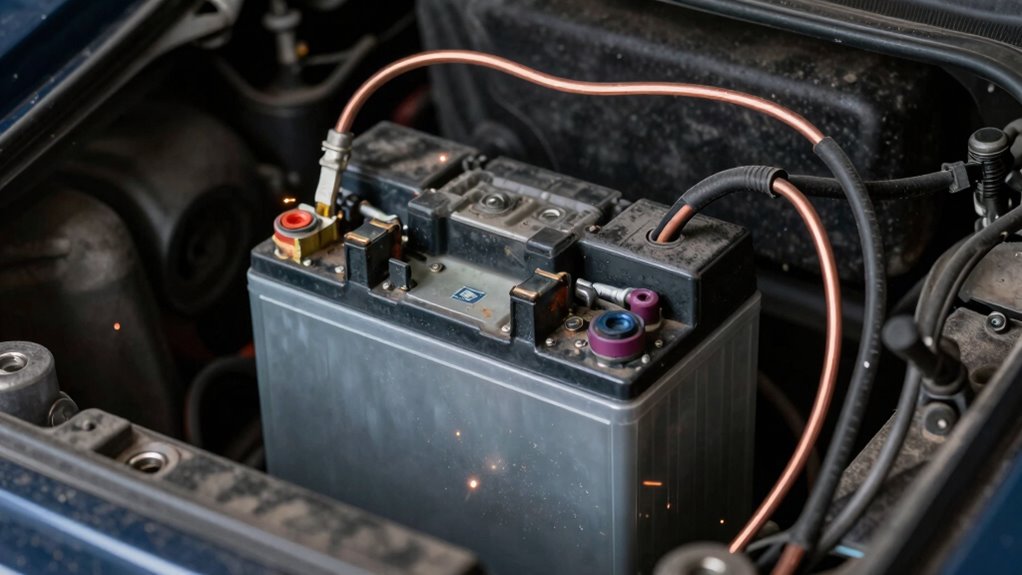
Even when your bike is turned off, certain electrical components can continue to draw power, leading to what’s known as parasitic drain. This slow, constant power loss gradually depletes your battery over time. To prevent this, proper battery maintenance is essential; regularly checking your battery’s health can help catch issues early. Electrical diagnostics play a vital role in identifying the source of parasitic drain. By testing circuits and components, you can pinpoint which devices are drawing excess power. If left unchecked, parasitic drain can weaken your battery, reduce its lifespan, and leave you stranded. Understanding how parasitic drain works empowers you to take proactive steps, ensuring your bike’s electrical system stays healthy and your battery remains charged longer. Recognizing signs of parasitic drain early can prevent unexpected failures and save you from costly repairs. Implementing proper electrical maintenance is also crucial for diagnosing and mitigating parasitic drain effectively, thereby extending your battery’s lifespan. Regular inspections and understanding electrical loads are key components of battery health management, helping you avoid unexpected dead batteries.
How Can You Tell If Your Bike Battery Is Being Parasitically Drained
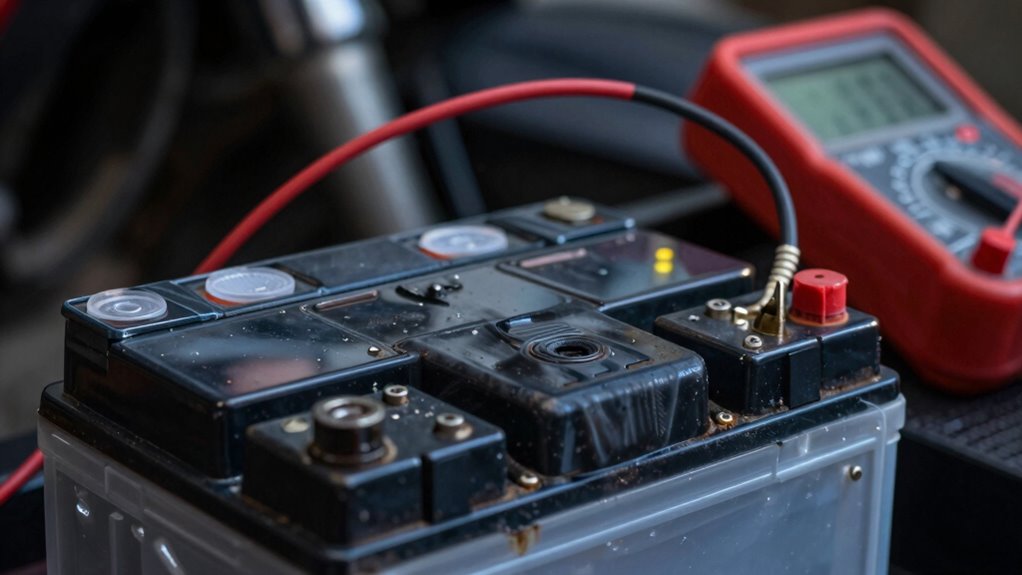
To determine if your bike’s battery is being parasitically drained, start by monitoring its voltage with a multimeter. A healthy, fully charged motorcycle battery should read around 12.6 volts or higher when the bike is off. If you notice a significant drop below this, it may indicate parasitic drain. During battery maintenance, check for consistent voltage levels over time; sudden drops suggest something is draining power when the bike is off. If your battery repeatedly loses charge, it might be time for a battery replacement. Regularly testing voltage helps catch parasitic drain early, saving you from unnecessary battery replacements and ensuring your bike’s electrical system stays in good shape. Additionally, understanding Free Floating electrical components can help identify unexpected drains that are not directly linked to the ignition or accessories. Recognizing parasitic drain early can prevent unexpected breakdowns and extend the lifespan of your battery. Being aware of electrical system diagnostics can further aid in pinpointing the source of the drain more effectively. Performing systematic troubleshooting can help isolate the specific component responsible for the drain more efficiently. Incorporating proper maintenance routines can also reduce the likelihood of parasitic drain affecting your bike.
Common Causes of Parasitic Drain in Motorcycles and Bikes
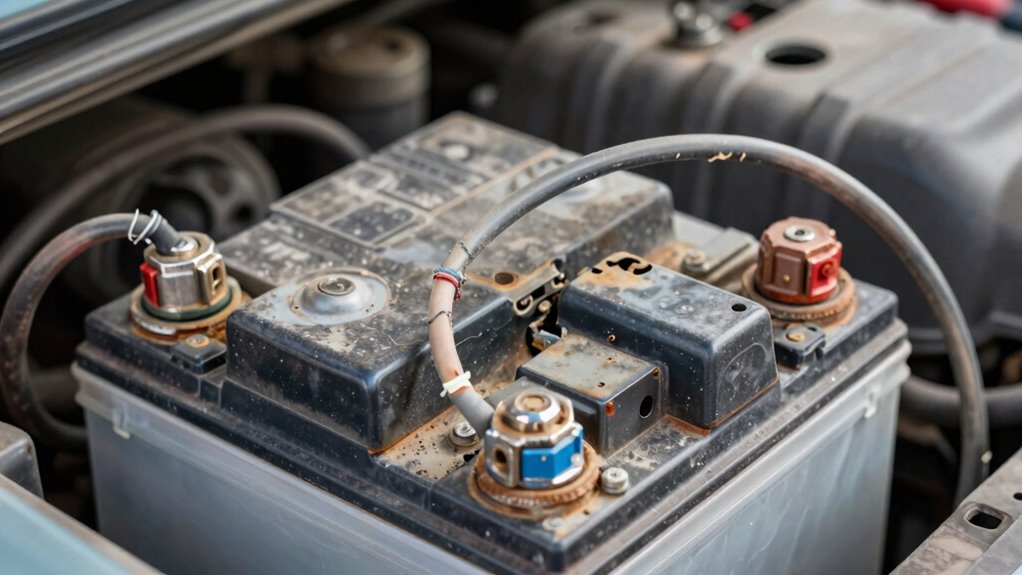
Faulty wiring connections can cause unexpected power leaks, leading to battery drain. Malfunctioning electrical components, like switches or relays, might draw power even when the bike is off. Additionally, accessories and aftermarket devices can increase parasitic drain if they’re not installed properly or are incompatible. Proper electrical system maintenance is essential to prevent parasitic drain issues. Regular inspections can help identify hidden electrical faults before they cause significant battery problems. Understanding industry trends can also help you stay ahead of common electrical issues and ensure your bike’s electrical system remains reliable. Staying informed about vetted products and techniques can further enhance your troubleshooting efforts.
Faulty Wiring Connections
Wiring connections that are loose, corroded, or improperly installed can create unintended electrical pathways, leading to parasitic drain on your bike’s battery. Faulty ground wiring is a common culprit, as poor grounding can cause continuous electrical flow even when the bike is off. Connector corrosion also plays a significant role; rust or grime on connectors can cause resistance, forcing your electrical system to work harder and drain the battery over time. Regularly inspect all wiring connections, especially ground wires and connectors, for signs of corrosion or looseness. Tighten any loose connections and clean corroded terminals with appropriate contact cleaner. Keeping your wiring in good condition guarantees that your electrical system functions properly and helps prevent unnecessary battery drain. Additionally, understanding electric bike components and their proper maintenance can further reduce the risk of parasitic drain. Proper electrical system troubleshooting techniques can help identify and resolve hidden issues that contribute to battery drain. Ensuring all wiring adheres to recommended standards minimizes the chance of creating unintended pathways that can drain your battery. Conducting regular inspections of your electrical system can also reveal developing issues before they escalate into significant drain problems.
Malfunctioning Electrical Components
Malfunctioning electrical components are a common cause of parasitic drain in motorcycles and bikes. Over time, battery corrosion can develop on terminals, creating resistance and causing the electrical system to work harder, which drains the battery. The charging system, including the alternator and voltage regulator, may fail or malfunction, leading to insufficient charging and excessive drain. When these components don’t operate correctly, they can continuously draw power even when the bike is off. Inspecting for corrosion, loose connections, or damaged parts helps identify issues early. Ensuring the charging system functions properly and keeping terminals clean prevents unnecessary parasitic drain. Regular maintenance of electrical components is essential to avoid your battery dying unexpectedly. Additionally, understanding standby vs. portable generator guides can help you choose reliable backup power solutions to prevent power loss that could impact your bike’s electrical systems. Recognizing signs of electrical system failure early can save you time and money on repairs, especially since battery management plays a crucial role in overall system health.
Accessories and Aftermarket Devices
Accessories and aftermarket devices can substantially contribute to parasitic drain if they aren’t installed or maintained properly. Improper wiring or faulty connections can leave circuits open or cause continuous power draw, draining your battery over time. To prevent this, regularly check your accessories and ensure they’re compatible with your bike’s electrical system. Good battery maintenance involves inspecting the wiring and using appropriate charging methods to keep your battery healthy. Some devices, like GPS units or alarm systems, may draw power even when the bike is off. Understanding how each accessory affects your bike’s electrical load helps you identify potential drain sources. Here’s a quick guide:
| Accessory | Installation Tip | Impact on Battery |
|---|---|---|
| GPS unit | Use proper wiring | Moderate drain |
| Alarm system | Professional install | Continuous drain |
| Phone charger | Use flicker-free charger | Variable drain |
| Auxiliary lights | Use relays | Increased drain |
| Audio system | Use voltage regulator | High drain |
Additionally, proper installation techniques can significantly reduce the risk of unintended power draw from accessories. Being aware of electrical system compatibility can help prevent unexpected battery drain and extend your battery’s lifespan. Regularly inspecting your connections and wiring can also help identify early signs of issues that lead to parasitic drain.
How to Test for Parasitic Battery Drain : A Step-by-Step Guide
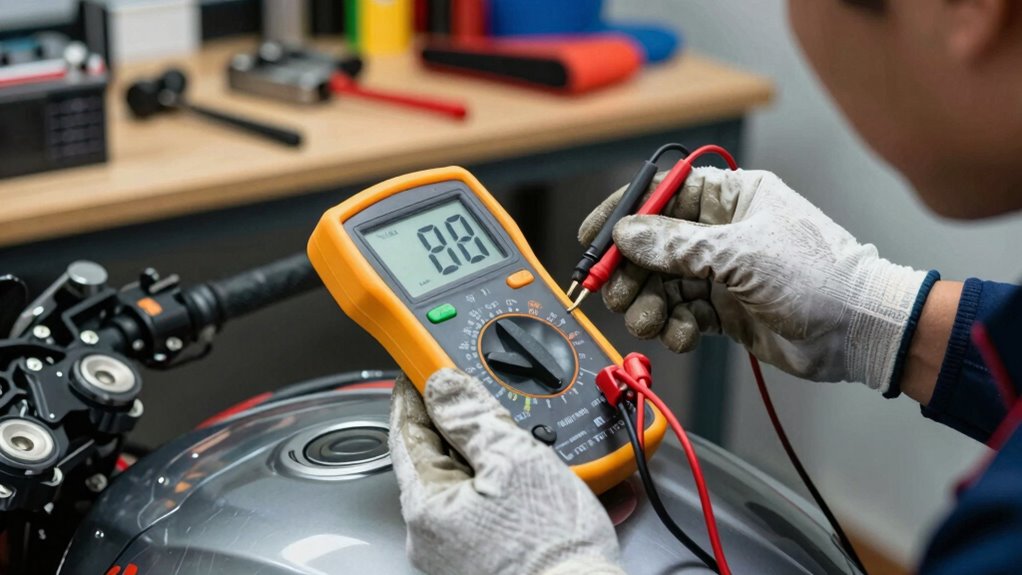
To accurately identify if your bike’s battery is being drained by a parasitic load, you need to perform a simple yet effective test. Start by turning off all electrical accessories and ensuring the bike is fully powered down. Set your multimeter to measure current (amps). Disconnect the negative terminal of your battery and connect the multimeter between the terminal and the cable. Observe the reading; a typical parasitic drain is usually below 50 milliamps. If the current is higher, it indicates an abnormal drain. This process is part of proper battery maintenance and electrical diagnostics. By following these steps, you can pinpoint whether a parasitic load is causing your battery to die prematurely, allowing you to proceed with targeted troubleshooting.
What to Do If You Find Parasitic Drain : Troubleshooting Tips
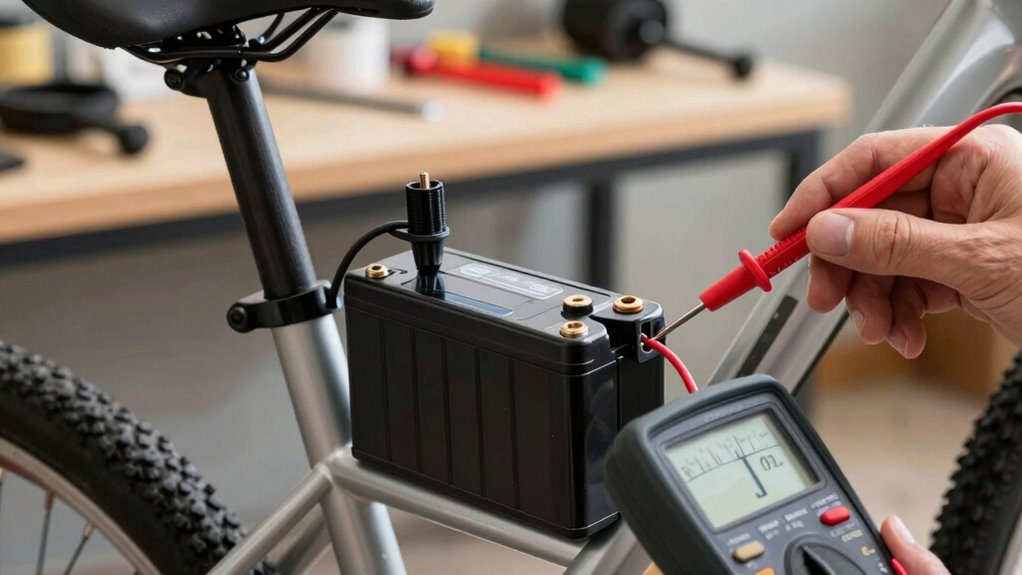
When you detect a parasitic drain on your bike’s battery, the next step is to methodically identify the source to prevent further issues. Start with basic electrical troubleshooting by disconnecting or turning off accessories one at a time, then checking the battery voltage to see if it stabilizes. Inspect for loose or corroded connections, as these can cause abnormal drain. Maintain your battery by ensuring terminals are clean and tight, which helps in accurate troubleshooting. Use a multimeter to trace the circuit and locate the specific component causing the drain. If you find a suspicious device or wiring, isolate it and test further before replacing or repairing. Proper battery maintenance and systematic troubleshooting are key to resolving parasitic drain effectively.
How to Prevent Parasitic Drain and Keep Your Battery Healthy
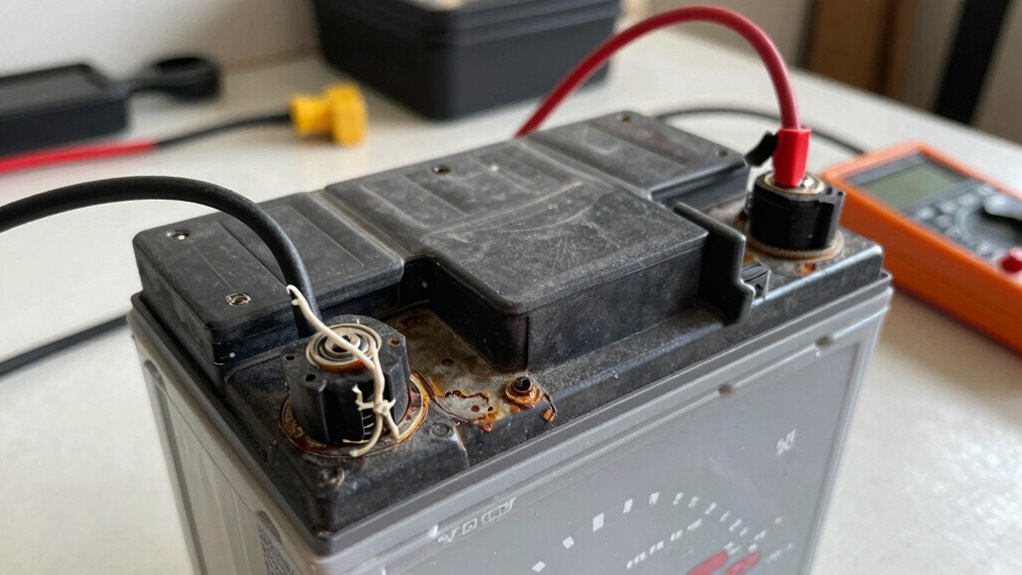
Preventing parasitic drain starts with good maintenance habits. Regular battery maintenance ensures your electrical system stays healthy and reduces the risk of unnecessary drain. Check for loose or corroded connections and keep terminals clean and tight. Implement proper charging tips by avoiding overcharging or completely discharging your battery, which can weaken it over time. Use a quality charger suited for your bike’s battery type, and consider investing in a trickle charger if you store your bike for long periods. Keep an eye on the battery’s voltage and replace it if it shows signs of aging. Routine inspections and attentive charging habits help maintain a strong, reliable battery, preventing parasitic drain from causing unexpected failures and extending your bike’s overall battery life.
When to Call a Mechanic for Battery Drain Problems
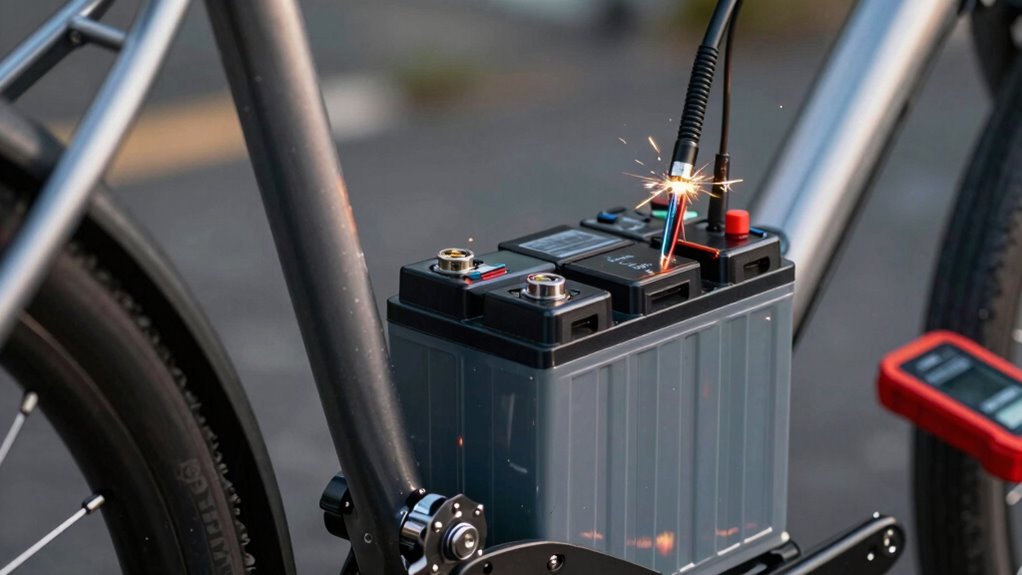
If you notice your battery keeps dying despite charging it, it’s time to seek professional help. Persistent signs like slow starts or electrical issues shouldn’t be overlooked. When these problems continue, calling a mechanic ensures you get to the root of the drain and avoid further damage.
Persistent Battery Drain Signs
Persistent battery drain often becomes noticeable when your bike’s electrical system seems weaker than usual, or if it refuses to start after sitting overnight. You might notice dimmer headlights, slower horn response, or difficulty turning over the engine. These signs indicate your battery health is declining, often caused by unseen electrical issues like parasitic drain. If these symptoms persist despite charging the battery, it’s a clear sign you should have a mechanic diagnose the problem. Ignoring persistent drain can lead to more severe electrical failures or a complete battery failure. Recognizing these signs early helps prevent being stranded and ensures your bike’s electrical system stays in good condition. When in doubt, consulting a professional can save you time and costly repairs down the road.
When to Seek Professional Help
When you notice your bike’s electrical issues persist even after charging the battery, it’s time to call a mechanic. Persistent problems often indicate deeper issues that require professional attention. You should seek help if:
- You’ve performed basic battery maintenance and electrical troubleshooting without improvement.
- The battery repeatedly dies despite proper charging and regular checks.
- You suspect a parasitic drain or faulty wiring that might be beyond your skill level.
A mechanic can accurately diagnose the problem, perform advanced electrical troubleshooting, and guarantee your battery’s health is restored. Trying to fix complex electrical issues yourself can sometimes cause further damage. Recognizing when professional help is needed ensures your bike remains reliable and safe.
Tips to Extend Your Bike Battery’s Lifespan and Maintain It Well

Keeping your bike battery in good shape requires proactive maintenance and smart habits. Regular battery maintenance helps prevent issues and extends its lifespan. Always check for corrosion on terminals and keep them clean. When it’s time to charge, follow proper charging tips: use a compatible charger, avoid overcharging, and charge in a cool, dry place. Don’t let the battery sit unused for long periods; if you won’t ride for a while, disconnect the battery or use a trickle charger to maintain its charge. Store it in a moderate temperature environment, avoiding extreme heat or cold. By staying attentive to these battery maintenance practices and adhering to proper charging tips, you’ll maximize your bike’s battery life and ensure reliable performance every ride.
Frequently Asked Questions
Can Parasitic Drain Damage My Motorcycle’s Electrical System Long-Term?
Yes, parasitic drain can damage your motorcycle’s electrical system long-term if you ignore it. It causes your battery to constantly discharge, leading to potential corrosion and damage to components. To prevent this, you should perform regular battery maintenance and electrical troubleshooting. Addressing parasitic drain early helps keep your system healthy, ensuring reliable starts and avoiding costly repairs down the line.
Are Certain Bike Models More Prone to Parasitic Battery Drain?
Ironically, some bike models seem to invite parasitic drain with their fancy battery design and complex electronics. You’ll find that certain model variations are more prone to this issue, often due to quirky wiring or innovative features that backfire. So, if you have a high-tech bike, stay vigilant. Regular checks and understanding your model’s quirks can save you from unexpected battery dead zones, no matter how advanced your ride claims to be.
How Often Should I Check My Bike Battery for Parasitic Drain?
You should check your bike battery for parasitic drain every few months as part of regular battery maintenance. Regular inspections help identify any unexpected drain early, preventing battery failure. Use a multimeter to measure current draw and verify it stays within manufacturer specifications. Consistent drain prevention not only extends your battery’s lifespan but also ensures reliable rides. Incorporate these checks into your routine to keep your bike’s electrical system healthy and avoid unexpected breakdowns.
Does Using Aftermarket Accessories Increase the Risk of Parasitic Drain?
Using aftermarket accessories can increase the risk of parasitic drain if they’re not properly installed or designed for your bike. These accessories may draw extra power even when the bike’s off, leading to battery drain over time. To prevent this, verify aftermarket parts are compatible, high-quality, and installed correctly. Regularly check for parasitic drain, especially after adding new accessories, to keep your battery healthy and avoid unexpected dead starts.
Can a Weak Battery Cause Parasitic Drain Issues?
Did you know that about 60% of motorcycle battery failures are linked to poor battery condition? A weak battery can indeed cause parasitic drain issues because it struggles to handle the electrical load, making it more susceptible to draining quickly. When your battery isn’t in good shape, it can’t effectively support your bike’s electrical system, which can lead to unexplained draining even when the bike is off.
Conclusion
Understanding parasitic drain can save you from unexpected bike breakdowns. Did you know that up to 40% of motorcycle battery failures are caused by parasitic drain? By staying vigilant and performing regular checks, you can keep your battery healthy and extend its lifespan. Don’t ignore signs of drain—address them early to avoid costly repairs. With proper maintenance, you’ll enjoy reliable rides and fewer surprises on the road.
Fall Picks
fall essentials
As an affiliate, we earn on qualifying purchases.