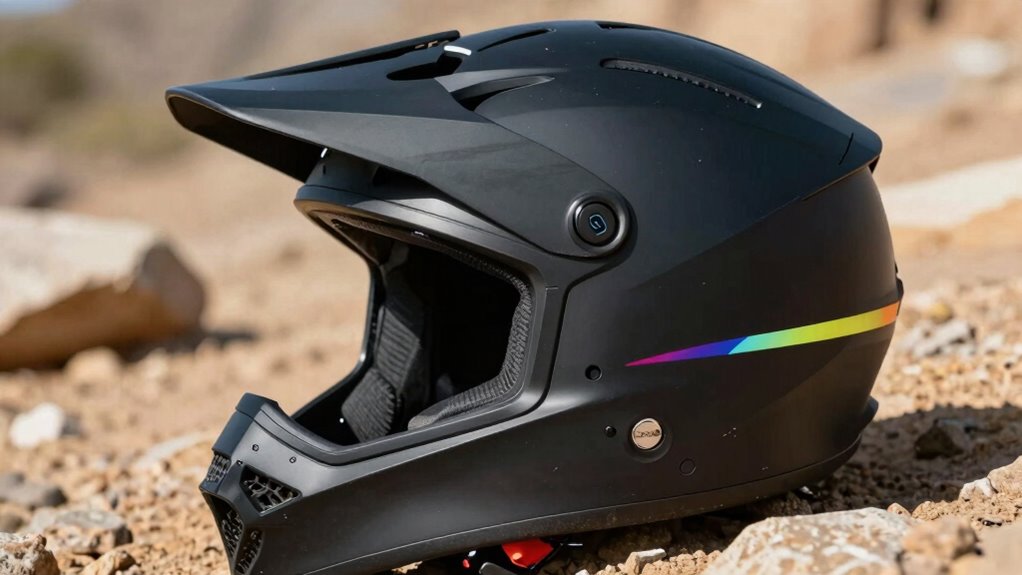

MIPS on off-road helmets isn’t complicated at all. It’s a simple technology that adds a low-friction layer inside the helmet, allowing it to rotate slightly during impact. This movement helps reduce rotational forces that can cause brain injuries, all without affecting comfort or airflow. Basically, it’s an extra safety feature designed to work seamlessly with your helmet’s existing protection. Keep going, and you’ll discover how MIPS can make your rides safer without added hassle.

Get business pricing on garage and car supplies
- Business-only prices and quantity discounts
- Tax-exempt purchasing
- Multiple users, one account, clear invoices
Key Takeaways
- MIPS is a simple, low-friction layer inside helmets that reduces rotational forces during impacts.
- It works alongside traditional foam liners, enhancing safety without adding complexity.
- MIPS helmets maintain good ventilation, ensuring comfort during intense off-road rides.
- The technology actively decreases brain injury risk by allowing slight helmet movement upon impact.
- Overall, MIPS integration is straightforward and improves helmet safety without sacrificing performance.
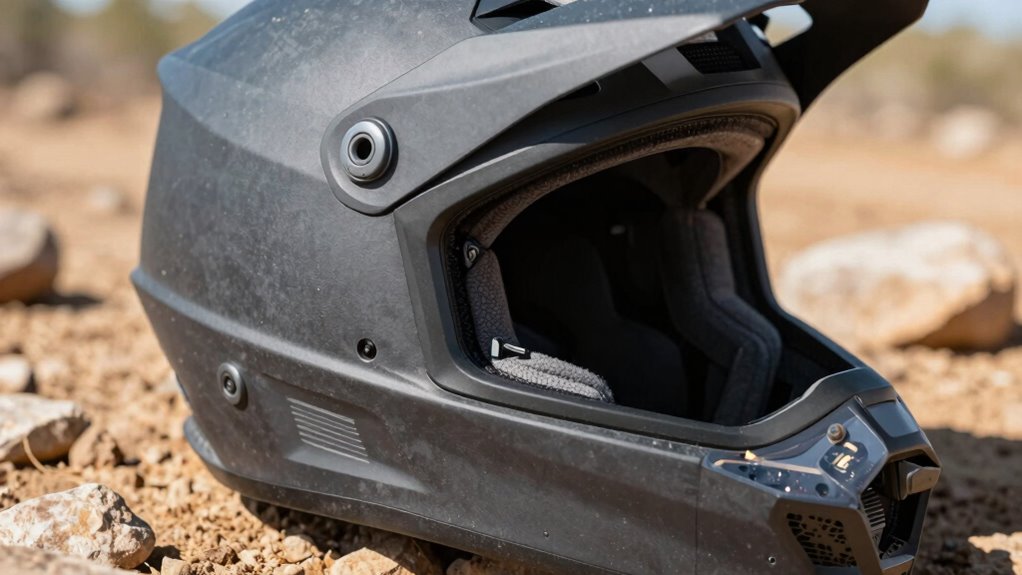
When you’re hitting the trails on your off-road bike, safety should always come first, and that’s where MIPS technology plays a crucial role. You might have heard about MIPS and wondered if it’s complicated or just another gimmick, but it’s actually straightforward and highly effective. MIPS—Multi-directional Impact Protection System—is designed to enhance the helmet’s ability to protect you during crashes by reducing rotational forces that can cause brain injuries. It works in tandem with the helmet’s existing impact absorption features, making your helmet safer without sacrificing comfort or performance.
One of the main concerns with off-road helmets is ensuring proper helmet ventilation. Off-road biking can be intense and sweaty, and a helmet that traps heat can quickly become uncomfortable. MIPS helmets are built with ventilation in mind, so they don’t compromise airflow. Instead, the MIPS liner is integrated in a way that allows air to circulate freely, helping to keep your head cool on long rides. This means you stay comfortable without sacrificing safety, as the helmet remains well-ventilated while providing the impact absorption and rotational force mitigation that MIPS offers. Additionally, helmet safety features are continually evolving to offer riders better protection and comfort. Incorporating advanced safety features like MIPS is part of a broader movement toward helmets with enhanced protection, ensuring riders can enjoy their rides with greater peace of mind.
Understanding impact absorption is key to appreciating how MIPS enhances your helmet’s protective qualities. Traditional helmets absorb impact primarily through foam liners that crush upon impact. MIPS adds a low-friction layer inside the helmet that allows the helmet’s outer shell to rotate slightly relative to your head during a crash. This small movement helps to dissipate rotational forces, which are often responsible for serious brain injuries. Impact forces are a critical aspect of helmet safety, and MIPS specifically targets their reduction during collisions. So, instead of just absorbing the impact, your helmet actively reduces the harmful forces transferred to your brain.
As an affiliate, we earn on qualifying purchases.
Frequently Asked Questions
How Does MIPS Technology Differ From Traditional Helmet Safety Features?
MIPS technology differs from traditional helmet safety features by incorporating a slip plane that reduces rotational forces during impact. While helmet certification focuses on impact absorption, MIPS adds an extra layer of protection by allowing the helmet to slide slightly during a crash, decreasing the risk of brain injury. This innovative design doesn’t compromise impact absorption but offers enhanced safety against rotational injuries, making your helmet more effective overall.
Is MIPS Compatible With All Off-Road Helmet Brands?
You’re in luck—MIPS is compatible with most off-road helmet brands, but it’s not a one-size-fits-all situation. Always check the helmet fit and MIPS compatibility before buying, as some models may not support it. When doing a price comparison, keep in mind that adding MIPS might bump up the cost. Don’t judge a book by its cover; select a helmet that offers the right fit, safety, and value for your riding style.
Does MIPS Add Extra Weight to Off-Road Helmets?
MIPS does add a small amount of extra weight to off-road helmets, but it’s usually minimal and doesn’t considerably impact helmet weight or comfort. This extra weight is designed to enhance safety by reducing rotational forces during impacts, helping you meet safety standards. You might notice a slight difference, but the added protection is worth it. Overall, MIPS-integrated helmets balance safety and weight effectively for off-road riding.
How Long Does MIPS Technology Typically Last in a Helmet?
MIPS technology typically lasts for the entire lifespan of your helmet, which can be up to 5 years or more. Think of it like a guardian angel embedded inside your helmet, offering safety standards and certification that remain effective over time. Over the years, the MIPS layer might wear down slightly, but with proper care and regular helmet replacement, your helmet’s protective qualities stay intact, keeping you safe on every ride.
Can MIPS Be Upgraded or Added to an Existing Helmet?
You can’t upgrade or add MIPS to an existing helmet, as it’s built into the helmet’s design for safety. Instead, focus on helmet fit to guarantee proper protection and comfort. When comparing prices, consider that a helmet with integrated MIPS might cost more initially, but offers added safety features. For the best protection, invest in a helmet with MIPS from the start, rather than trying to retrofit it later.
Conclusion
Don’t let the idea of MIPS on off-road helmets scare you away. It’s a simple, effective safety feature designed to protect your brain during falls. Imagine hitting a jump and landing awkwardly; MIPS helps absorb rotational forces, reducing injury risk. For example, a rider wearing a MIPS helmet might walk away unscathed from a crash that could have otherwise caused a concussion. So, choose safety first—MIPS is a smart upgrade for your off-road adventures.
Halloween Picks
halloween
As an affiliate, we earn on qualifying purchases.