
Kawasaki wobble often stems from worn or loose steering head bearings, causing instability at low speeds. To fix it, you need to inspect the bearings for pitting, corrosion, or play by checking for looseness and noise. Proper replacement and adjustment involve precise torquing of triple clamp bolts and ensuring correct bearing preload. Maintaining alignment and proper lubrication prevents future issues. If you want to restore smooth handling, learn the detailed steps to diagnose, replace, and fine-tune your steering head bearings effectively.
Key Takeaways
- Worn or loose steering head bearings cause Kawasaki wobble; replacing or adjusting them restores stability.
- Regularly inspect for play, noise, or corrosion to diagnose bearing wear early.
- Properly torque and align the bearings during replacement to prevent wobble and ensure smooth handling.
- Use quality tools and follow manufacturer specs for bearing installation and preload adjustment.
- Seek professional help if wobble persists after maintenance to avoid further damage.
What Causes Kawasaki Steering Wobble?

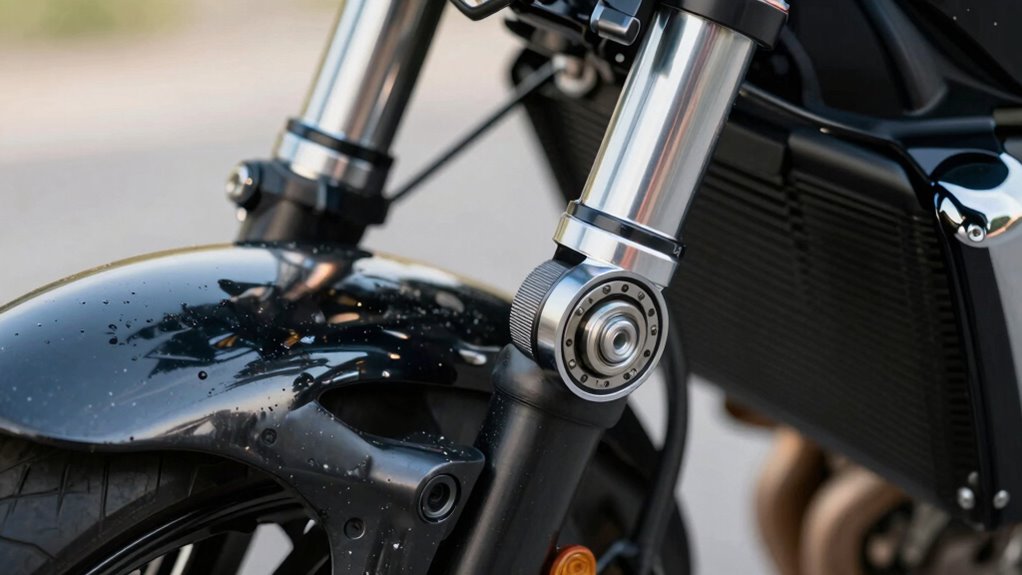
Kawasaki steering wobble typically results from issues within the steering head bearings, which are essential for smooth handling and stability. When these bearings become worn, loose, or misaligned, they fail to support the steering column properly. Worn bearings can develop pitting or flattening on their surfaces, causing irregular contact and uneven load distribution. Over time, the lubrication within the bearings depletes, increasing friction and wear. Misalignment during installation or impact damage from rough terrain can also compromise bearing integrity. As a result, the steering becomes imprecise, and vibrations amplify at higher speeds. This wobble is often characterized by a loose or “floating” feel, especially around the steering head area, directly correlating with the deterioration of bearing condition and the loss of proper preload adjustment. Proper maintenance practices can help prevent or mitigate this issue by ensuring the bearings remain in optimal condition. Regular inspection and timely replacement are crucial for maintaining steering stability, and rider safety. Additionally, using high-quality lubricants can reduce friction and extend the lifespan of the bearings.
How to Check if Your Kawasaki’s Steering Head Bearings Are Worn
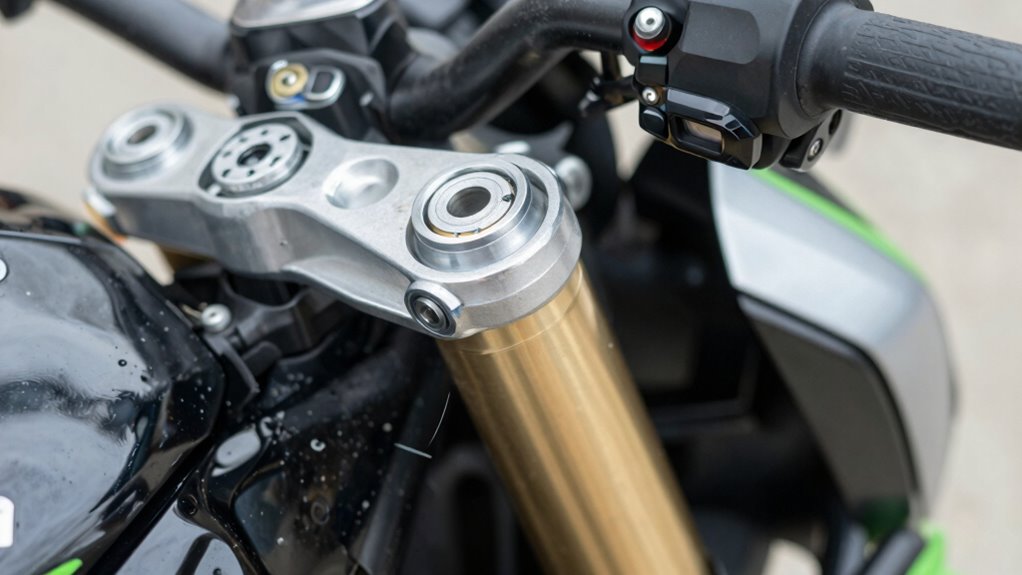
To determine if your Kawasaki’s steering head bearings are worn, start by securely supporting the motorcycle on a stable surface, ensuring the front wheel is free to move. Gently apply pressure to the handlebars, turning them left and right through the full range of motion. Observe the steering response closely: look for any looseness, play, or binding. Feel for any roughness or unevenness in movement, which indicates internal wear. Check for side-to-side movement of the fork tubes at the triple clamps; excessive lateral shift suggests bearing wear. Also, note if the steering feels inconsistent or if there’s a tendency to wobble at certain points. A precise, smooth steering action with minimal play indicates healthy bearings, while noticeable play or roughness signals they may be worn and require further inspection or replacement. Incorporating sound design techniques can also help diagnose issues through auditory cues during movement. Additionally, performing a visual inspection for corrosion or damage around the bearings can provide further clues about their condition. Understanding bearing wear symptoms and their causes ensures you can address issues before they lead to more serious problems or unsafe riding conditions.
Tools and Materials You’ll Need to Replace or Adjust Bearings
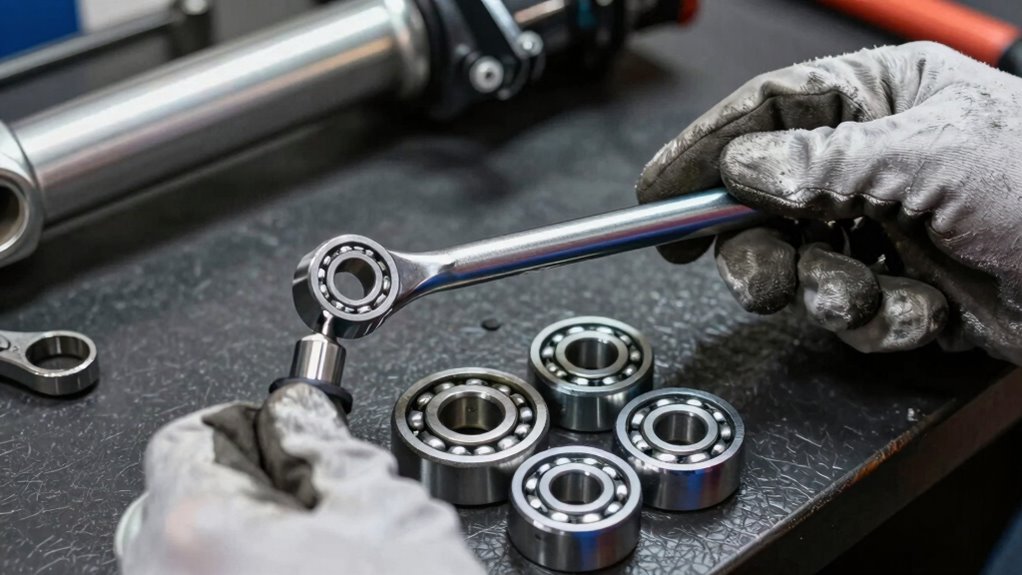
Before beginning the replacement or adjustment of your steering head bearings, gather all necessary tools and materials to guarantee a smooth process. You’ll need precision equipment to ensure accurate work and prevent damage. Essential tools include a socket wrench set, bearing puller, rubber mallet, torque wrench, and Allen keys. Materials include replacement bearings, grease, and bearing separators. Use the following to organize your prep:
| Tool/Material | Purpose |
|---|---|
| Socket wrench set | Remove and reinstall components |
| Bearing puller | Extract old bearings |
| Rubber mallet | Tap parts gently during disassembly |
| Torque wrench | Ensure correct tightening torque |
| Replacement bearings | New parts to restore steering stability |
Having these on hand guarantees precise, efficient bearing replacement or adjustment. Proper tool selection is crucial for avoiding damage and ensuring safety during the process. Additionally, understanding the bearing specifications ensures compatibility and long-lasting performance. Being familiar with Free Floating concepts can also help in maintaining optimal steering performance and preventing wobbling issues. Knowing how to identify bearing wear and damage can further aid in diagnosing issues early, saving time and effort during maintenance.
Step-by-Step Guide to Replacing or Adjusting Kawasaki Steering Head Bearings
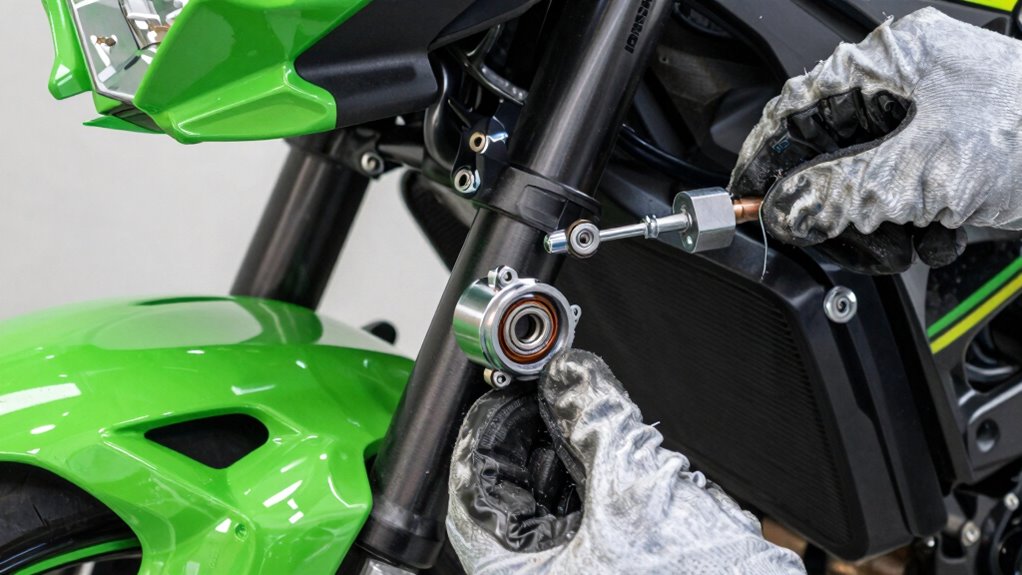
Before beginning the adjustment or replacement process, guarantee you have the correct tools and have properly prepared the motorcycle. Follow a systematic approach to disassemble the necessary components, taking care to document each step. Precise measurement and alignment are critical to achieving ideal steering head performance. Additionally, understanding local automation and how it can assist in diagnosis or maintenance can streamline the process. Familiarity with skincare ingredients like glycolic acid can help in recognizing signs of corrosion or wear on certain parts. Being aware of caregiving principles can also be beneficial if you need assistance or support during mechanical repairs. Recognizing digital safety practices ensures your tools and workspace remain secure throughout the procedure. Incorporating drone insights can sometimes aid in inspecting hard-to-reach areas of your motorcycle for wear or damage.
Tools and Preparation
Having the right tools and proper preparation is essential for a successful Kawasaki steering head bearing replacement or adjustment. You’ll need a set of metric wrenches and sockets, including sizes specific to your model, along with a torque wrench calibrated to manufacturer specs. A rubber mallet is useful for gentle taping, while a bearing puller or slide hammer guarantees safe removal of old bearings without damage. A bearing press or suitable drift tools facilitate precise installation of new bearings. Prepare your workspace by cleaning the steering stem and surrounding area thoroughly to prevent debris ingress. Additionally, gather safety gear such as gloves and eye protection. Double-check your service manual for specific torque values and procedural nuances before proceeding to ensure accuracy and safety throughout the process. Proper bearing removal techniques are crucial to prevent damage and ensure a smooth repair.
Adjusting or Replacing Bearings
To adjust or replace Kawasaki steering head bearings, start by securing the motorcycle on a stable lift or stand to guarantee safe access to the steering assembly. Remove the front fairing or covers to expose the steering stem and top nut. Loosen and remove the lock nut and any adjusting collars. Carefully tap out the lower bearing race using a drift or bearing puller, ensuring minimal damage to the fork tubes. Inspect the bearings for pitting, roughness, or corrosion; replace if necessary. Clean all components thoroughly. If replacing, install new bearings by pressing them into the races, then reassemble in reverse order. Adjust the bearing preload by tightening the lock nut while rotating the steering to ensure smooth, free movement without play. Confirm proper tension before final tightening. Proper document management can help keep track of maintenance records and ensure all components are correctly documented for future reference.
How to Properly Torque and Align Your Kawasaki’s Steering After Service
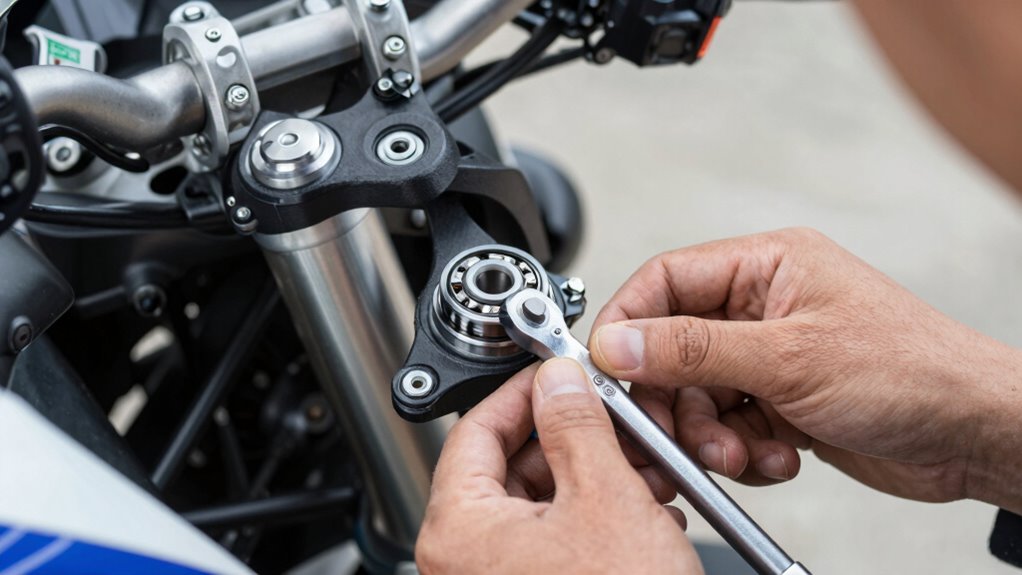
To guarantee ideal handling, you must torque your Kawasaki’s steering head bearings to the manufacturer’s specified values using a calibrated torque wrench. Proper alignment involves precise adjustments to eliminate play while maintaining smooth steering motion, avoiding common mistakes like overtightening or misalignment. Attention to detail during these steps guarantees reliable steering performance and longer bearing life. Additionally, understanding the proper maintenance procedures can help prevent future issues and ensure consistent handling. Regularly inspecting and servicing your steering components according to manufacturer guidelines can further maintain optimal performance over time.
Proper Torque Specifications
Properly torquing your Kawasaki’s steering head bearings is essential to guarantee safe handling and smooth operation. Use a calibrated torque wrench to tighten the top and bottom triple clamp bolts to manufacturer specifications. Over-tightening can cause premature bearing wear; under-tightening leads to wobble. Refer to the torque specifications below:
| Part | Torque (Nm) | Purpose |
|---|---|---|
| Upper triple clamp bolts | 15-20 | Secures steering assembly |
| Lower triple clamp bolts | 20-25 | Maintains alignment |
| Steering stem nut | 30-40 | Ensures bearing preload |
Ensure all components are aligned before final torque. Proper torque prevents any play or stiffness, ensuring precise handling and safety. Maintaining correct bearing preload is crucial to avoid wobbling issues and extend bearing life. Regularly inspecting the steering components can help detect loose bolts early on and prevent potential problems. Additionally, using proper tools such as a torque wrench is vital for achieving accurate tightness and ensuring safe operation.
Alignment Techniques for Steering
Achieving correct steering alignment after servicing your Kawasaki involves verifying that all components are torqued to the manufacturer’s specifications and that the steering head bearings are properly preload-adjusted. Begin by centering the front wheel and ensuring the front forks are aligned with the frame. Use a precise torque wrench to tighten the steering stem nut to the recommended value, then back it off slightly to achieve the correct preload. Check for free movement without play or binding by gently rocking the handlebars. Use alignment marks or a straight edge to confirm that the steering axis is true relative to the frame and wheel. Fine-tune preload adjustments if necessary, ensuring smooth, neutral steering without any wobble or resistance. Proper alignment guarantees precise handling and reduces steering wobble.
Common Adjustment Mistakes
Incorrect torque application and misalignment during steering adjustments can lead to handling issues, increased component wear, and safety hazards. To avoid these problems, ensure you follow the manufacturer’s specified torque values precisely, using a calibrated torque wrench. Over-tightening the steering nut can cause binding and restrict movement, while under-tightening may result in looseness and wobble. When aligning the steering, double-check the bearing preload—too tight causes excessive wear, too loose leads to play. Be meticulous in your measurements, verifying that the steering stem is centered and the handlebars are aligned with the front wheel. Rushing through these steps increases the risk of uneven bearing load and compromised handling. Proper torque and alignment are critical for safe, smooth operation and long-term durability of your Kawasaki’s steering system.
Recognizing When Your Bearings Need Replacing Again

Over time, steering head bearings can develop wear that compromises steering precision and safety. You’ll notice increased play or looseness in the steering feel, especially when turning at low speeds or during quick maneuvers. Unusual noises, such as grinding or squeaking, indicate internal wear or contamination. Check for uneven resistance when turning the handlebars through full lock; inconsistent effort suggests bearing deterioration. Visual inspection may reveal rust, corrosion, or pitting on the bearing races and rollers. If you experience a wobble or vibration that persists despite proper adjustments, it’s a sign the bearings have exceeded their service life. Prioritize replacement if these symptoms appear, as continued riding on compromised bearings risks further damage to the fork or frame components.
Maintenance Tips to Prevent Future Wobbles

Regular maintenance of your steering head bearings is essential to prevent future wobbling and guarantee peak handling. Begin by inspecting the bearings for signs of wear, such as roughness or play, and ensure the triple clamp and fork tubes are properly aligned. Regularly torque the top and bottom bearing nuts to manufacturer specifications, avoiding overtightening which can cause premature wear. Lubricate the bearings with high-quality grease designed for bearing applications, ensuring even coverage without excess. Keep the steering stem clean from dirt, debris, and corrosion, which can accelerate deterioration. Periodically check the bearing preload by applying gentle pressure to the fork tubes; adjust the bearing adjustment nut to eliminate play without introducing tightness. Consistent, precise maintenance prolongs bearing life and maintains stable, responsive steering.
When to Seek Professional Help for Kawasaki Steering Head Issues
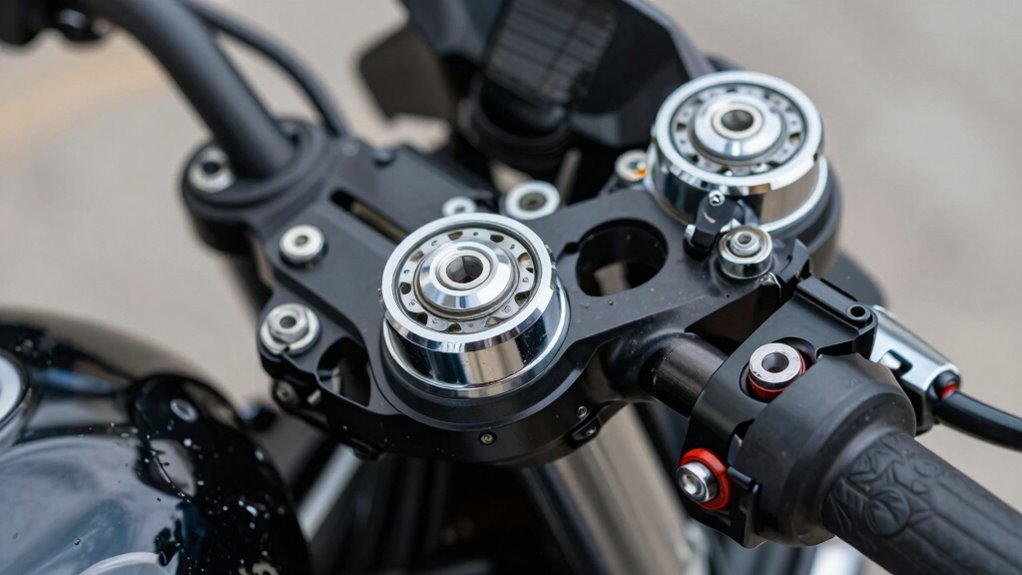
While routine maintenance can address minor steering head issues, certain symptoms indicate that professional intervention is required to guarantee safety and proper functionality. If you notice persistent or worsening wobbling, uneven steering resistance, or unusual noises such as knocking or grinding, it’s time to consult a qualified mechanic. Excessive bearing play, confirmed by lateral movement of the steering stem beyond manufacturer specifications, also signals the need for expert diagnosis. Additionally, if you experience steering that feels loose or imprecise despite proper adjustments, a professional assessment ensures proper bearing preload and alignment. Ignoring these signs risks compromising handling, increasing wear on components, and potential safety hazards. Professional inspection involves precise torque measurements, bearing condition analysis, and possibly, complete bearing replacement, ensuring your Kawasaki remains safe and reliable.
Frequently Asked Questions
Can Steering Head Wobble Cause Long-Term Damage to My Kawasaki?
Yes, steering head wobble can cause long-term damage to your Kawasaki. The instability puts extra stress on the fork components, leading to accelerated wear of bearings and suspension parts. Over time, this can compromise steering precision, increase vibration, and potentially damage the frame or suspension mounts. Addressing wobble promptly prevents costly repairs and guarantees safe, reliable handling, safeguarding your motorcycle’s structural integrity in the long run.
How Often Should I Inspect My Kawasaki’s Steering Head Bearings?
You should inspect your Kawasaki’s steering head bearings every 3,000 to 5,000 miles or at least once a year, whichever comes first. During inspection, check for smooth operation, play, and unusual noises. If you notice looseness or roughness, tighten or replace the bearings promptly. Regular inspections prevent wobble issues, improve handling, and extend your motorcycle’s lifespan by avoiding long-term damage caused by neglected bearings.
Are There Specific Kawasaki Models More Prone to Steering Wobble?
Like a ship caught in choppy waters, certain Kawasaki models are more prone to steering wobble due to design and manufacturing variances. Typically, older models or those with high-mileage or aggressive riding styles experience more issues. Models such as the Kawasaki Ninja ZX-6R and ZX-10R, especially from earlier years, tend to have more frequent wobble concerns. Regular inspections and proper bearing maintenance can prevent this instability from becoming a navigational hazard.
Is It Safe to Ride With a Slight Steering Wobble Temporarily?
Riding with a slight steering wobble isn’t safe long-term because it indicates potential issues with your steering head bearings or alignment. This wobble can worsen unexpectedly, risking loss of control and accidents. You should prioritize inspecting and replacing worn bearings promptly, ensuring proper torque and alignment. Continuing to ride without addressing the wobble increases the risk of damage to suspension components and compromises your safety on the road.
What Are the Signs Indicating My Bearings Need Replacement Immediately?
A stitch in time saves nine. If you notice persistent, uneven steering or a loose, wobbly feeling at higher speeds, your bearings likely need urgent replacement. Feel for grinding or roughness when turning the handlebars, and check for play or looseness in the steering head. Unusual noises or increased resistance also signal imminent bearing failure. Address these issues immediately to prevent more severe damage and guarantee your safety on the road.
Conclusion
Maintaining your Kawasaki’s steering head bearings is essential to guarantee smooth handling and riding confidence. Regular inspections and precise adjustments help prevent subtle deviations that can compromise performance. By adhering to proper torque specifications and vigilant maintenance, you minimize the risk of persistent wobble. When uncertainties arise or the symptoms persist despite efforts, consulting a professional can provide the nuanced care your bike deserves, preserving its integrity and your riding experience’s integrity for miles to come.