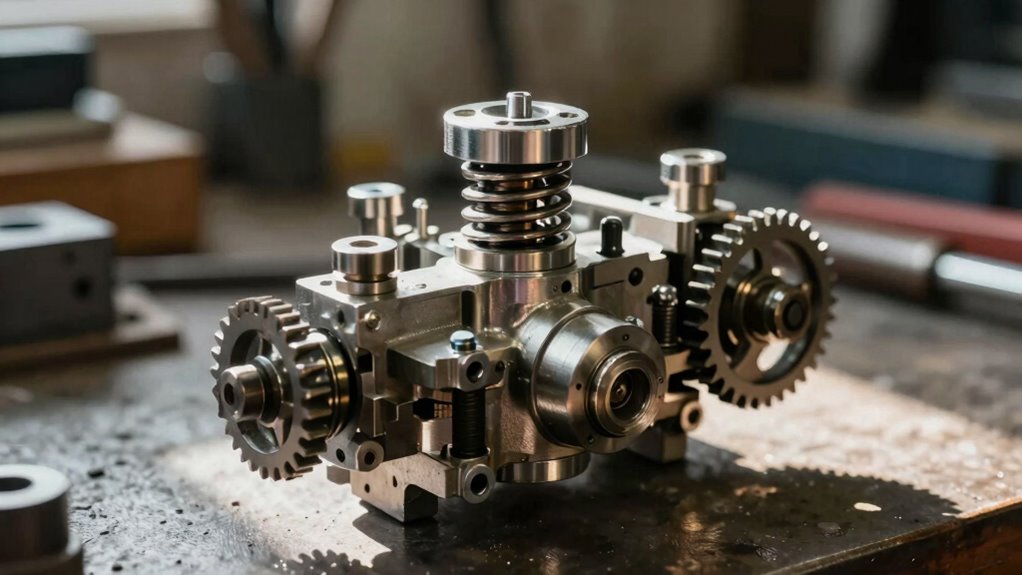

Two-stroke power valves aren’t as complicated as they seem. They optimize engine performance by managing exhaust flow, boosting torque at low speeds and maximizing power at higher RPMs. You can adjust their actuation points and spring tension to match your riding style, improving throttle response and ride quality. Testing your tweaks is key to finding the perfect setup. There’s much more to explore on how to fine-tune these valves for the best ride.

Get garage and car supplies delivered free — and shop member deals
- Fast, free delivery on millions of items
- Access to Prime Big Deal Days deals on October 6–7
- Prime Video, Amazon Music and more included
Key Takeaways
- Power valves optimize engine performance by managing exhaust flow, enhancing torque and power across different RPM ranges.
- They operate by opening at high RPMs and closing at low speeds, improving throttle response and ride quality.
- Tuning the valve actuation point alters engine responsiveness; earlier actuation offers a more aggressive feel.
- Spring tension adjustments dictate when the power valve opens, allowing customization for rider preferences and terrain types.
- Testing adjustments through trial and error is crucial to achieving the best performance and feel from power valves.

When you immerse yourself in the world of two-stroke engines, understanding power valves can seem overwhelming at first. You might hear a lot of jargon and technical terms that can make it feel complicated. But don’t worry; once you grasp the power valve basics, it becomes much simpler. Power valves serve an essential role in optimizing engine performance across various RPM ranges. They help manage the exhaust flow, enhancing torque and power delivery, especially at low and mid-range speeds.
Essentially, the power valve opens and closes based on engine RPM and load. When you’re cruising at low speeds, the valve remains closed, allowing for better scavenging and increasing torque. As you rev up the engine, the valve opens, enabling a freer exhaust flow that maximizes power. This dynamic adjustment helps you get the most out of your engine, ensuring it performs efficiently under different conditions. You’ll notice the difference in throttle response and overall ride quality once you understand how it works.
Now, let’s talk about tuning techniques that can help you get the best performance from your power valves. First, you need to pay attention to the valve actuation point. This is where the power valve begins to open as the RPM increases. Adjusting this can dramatically change how your engine feels. If you want a more aggressive response, you might set the actuation point to open earlier. On the other hand, if you prefer a smoother power delivery, you can delay it slightly.
Next, consider the spring tension. The spring controls how easily the power valve opens. A stiffer spring requires more RPM to activate the valve, which may suit aggressive riders who want peak power at higher speeds. Conversely, a softer spring can make the engine feel more responsive at lower RPMs, which is great for trail riding or technical terrain.
Finally, remember to test your adjustments. Tuning isn’t a one-and-done process; it requires some trial and error. Take your bike out for a spin after making changes and pay attention to how it feels. You may need to tweak the settings a few times to find that sweet spot.
As an affiliate, we earn on qualifying purchases.
Frequently Asked Questions
How Do Power Valves Affect Fuel Efficiency?
Power valves play an essential role in enhancing fuel efficiency by optimizing the fuel mixture at different RPMs. When you open the throttle, these valves adjust, ensuring the engine gets the right amount of fuel for better combustion. This improves throttle response, allowing for a smoother ride and more power without wasting fuel. By fine-tuning the fuel mixture, power valves help you achieve better mileage and performance in your two-stroke engine.
Can I Install a Power Valve on Any Two-Stroke Engine?
You can’t just slap a power valve on any two-stroke engine like a band-aid. Power valve compatibility is essential, as each engine has specific requirements. If you’re eyeing performance upgrades, verify that the valve matches your engine’s design and tuning. Installing an incompatible power valve could lead to poor performance or even damage. Always check your engine’s specs and consult experts to guarantee a successful upgrade that boosts both power and efficiency.
What Maintenance Do Power Valves Require?
Power valve maintenance is essential for ideal performance. Regularly check the valve for wear and tear, and clean it to prevent carbon buildup. Inspect the springs and actuators for any signs of damage or corrosion. If you notice poor acceleration or inconsistent power delivery, use troubleshooting tips like checking the cable tension and ensuring proper alignment. By staying on top of these tasks, you’ll keep your engine running smoothly and efficiently.
Are Power Valves Necessary for All Two-Stroke Bikes?
Power valves aren’t necessary for every two-stroke bike, but skipping them is like riding a rocket without fuel! They offer great benefits, like improved low-end torque and overall performance tuning, making your ride smoother and more powerful. If you crave that extra kick and enhanced throttle response, power valves are worth considering. However, many riders enjoy their bikes just fine without them, so it really depends on your performance goals.
How Do Power Valves Impact Engine Longevity?
Power valves greatly impact engine longevity by optimizing engine performance and power delivery. They adjust the exhaust port based on RPM, ensuring your engine runs efficiently across various speeds. This helps prevent excessive wear and tear, reducing the risk of overheating and improving fuel efficiency. By maintaining a balanced power delivery, power valves can extend your engine’s lifespan, allowing you to enjoy your bike longer without frequent repairs or rebuilds.
Conclusion
In the end, two-stroke power valves don’t have to be a tangled web of complexity. Think of them like a well-tuned orchestra; each part has its role, but the beauty lies in their harmony. Just as a conductor brings out the best in musicians, a straightforward power valve design optimizes performance without the fuss. Simplifying these systems can lead to a smoother ride, making your next ride feel like a perfectly executed symphony on wheels.
Halloween Picks
halloween
As an affiliate, we earn on qualifying purchases.