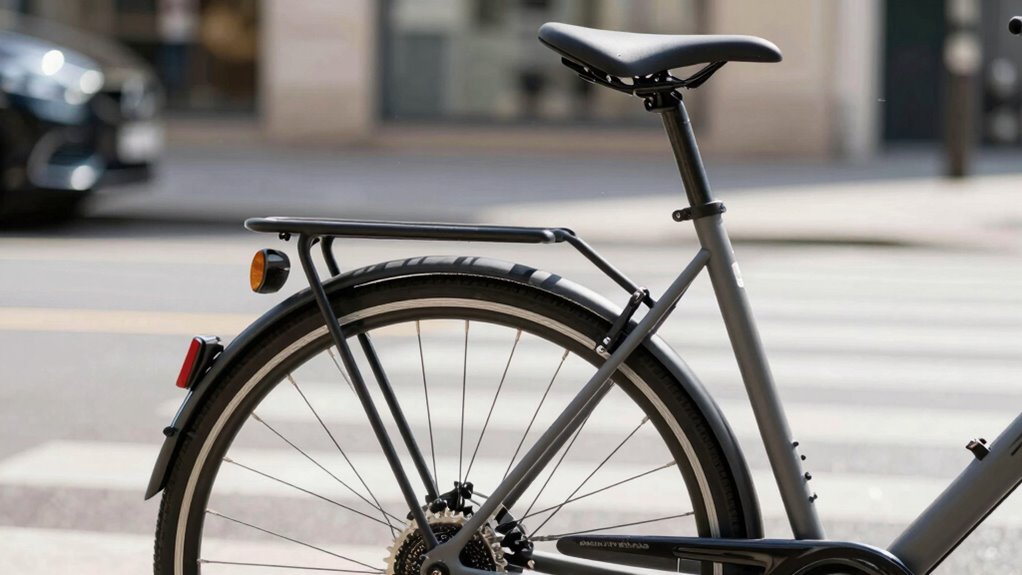

Rackless luggage is designed to be carried without external racks or frames, relying on lightweight and durable materials for support. Proper weight placement is essential because it influences your bag’s stability and maneuverability. If heavier items are unevenly distributed or placed too high, your luggage can wobble or be difficult to handle. Ensuring balanced packing helps prevent handling issues, so you stay in control during your trip. Keep exploring to learn how to optimize your packing approach for smooth travels.

Get business pricing on garage and car supplies
- Business-only prices and quantity discounts
- Tax-exempt purchasing
- Multiple users, one account, clear invoices
Key Takeaways
- Proper weight placement maintains low, centered balance, enhancing stability and control in rackless luggage.
- Heavy items positioned at the bottom prevent wobbling and improve handling during transport.
- Uneven weight distribution shifts the center of gravity, making maneuvering more difficult and unsafe.
- Balanced packing reduces strain on handles and wheels, facilitating easier movement and less damage.
- Innovative lightweight materials allow for better weight management, directly impacting handling and overall luggage performance.
Products Worth Considering

DEWALT 20V MAX 5-Tool Cordless Combo Kit with Drill, Impact Driver, Saws, Oscillating Multi-Tool, Batteries, Charger, and Bag (DCK551D1M1)

Autel MaxiCharger Level 2 EV Charger, 40A, 240V, with 25-Foot Cable and NEMA 14-50 Plug

Autel MaxiCheck MX808S Bidirectional OBD2 Scan Tool
As an affiliate, we earn on qualifying purchases.
What Is Rackless Luggage and How Is It Different?

Rackless luggage is a type of travel bag designed to be carried without the need for a traditional rack or external frame. Unlike standard racks, it relies on its own structure and materials to provide support and durability. Material differences play a key role; some models use lightweight, flexible fabrics like nylon or polyester, while others incorporate sturdy, reinforced materials such as ballistic nylon or carbon fiber for added strength. Design variations are also significant—many rackless bags feature streamlined shapes, padded handles, and ergonomic straps for comfort. These differences allow for versatile use, whether you’re steering through urban streets or rugged terrains. Overall, rackless luggage emphasizes portability and adaptability, setting it apart from traditional luggage with external frames or racks. Additionally, material technology influences the durability and performance of rackless luggage, making it suitable for various travel conditions. A focus on innovative materials enhances lightweight strength and resilience, further improving user experience. Furthermore, material innovation enables manufacturers to develop lighter and more durable options, which benefits travelers in many scenarios. In particular, advanced fabric technologies contribute to the overall lightweight yet robust construction of these bags. Incorporating flexible and lightweight materials also allows for easier packing and handling, especially in tight or constrained spaces.
Why Proper Weight Placement Is Key to Stability

Proper weight placement is crucial for maintaining stability when carrying luggage, especially with rackless designs that lack external support. If your load isn’t properly balanced, your center of gravity shifts, making it harder to control and increasing the risk of tipping or falling. To guarantee good load balancing, keep heavier items low and centered, close to your body. This approach enhances overall stability by keeping your center of gravity low and centered, improving control and safety. Additionally, considering water-based methods like aquatic exercises can improve your core strength, which in turn can help you better manage your luggage handling. Engaging in targeted core exercises can further improve balance and support your posture during transport. Consider these tips:
- Distribute weight evenly across the luggage
- Keep bulky items toward the bottom
- Avoid placing all weight on one side
- Regularly check your load distribution to maintain optimal balance.
How Weight Distribution Affects Your Bag’s Maneuverability
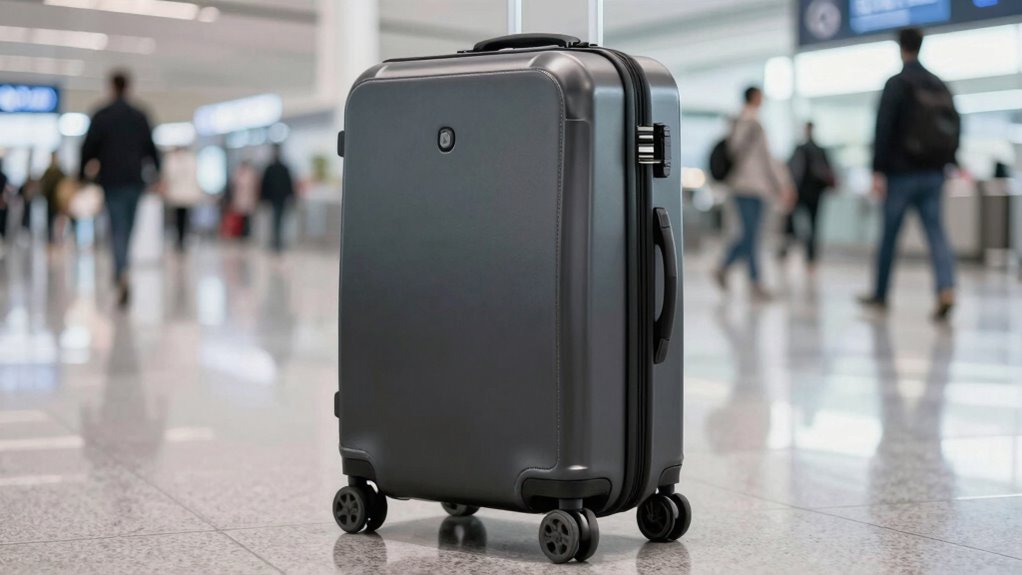
How your weight is distributed inside your bag directly impacts how easily you can maneuver it. When load balancing is off, your bag’s center of gravity shifts, making handling awkward and increasing strain. Proper weight placement keeps the center of gravity low and centered, enhancing stability and control. Here’s how different placements affect maneuverability:
| Position of Items | Effect on Maneuverability | Impact on Handling |
|---|---|---|
| Heavy at the bottom | Improves stability, easier to steer | Less wobbling, more control |
| Heavy at the top | Causes top-heavy wobbling | Difficult to turn smoothly |
| Uneven side load | Causes imbalance, pulls to one side | Hard to steer, increased effort |
| Even load across | Maintains balance, better control | Easier to maneuver, less strain |
Optimizing load balancing guarantees effortless handling and smoother travel. Proper weight distribution reduces fatigue and makes navigating through crowded spaces much easier.
Common Packing Mistakes That Cause Wobbling

One common reason for wobbling in your luggage is poor packing habits that disrupt weight distribution. Overpacking hazards often lead to uneven weight, making your bag unstable and harder to control. Additionally, placing fragile items improperly can shift during transit, causing imbalance. To avoid these issues, keep these mistakes in mind:
- Overpacking beyond your bag’s capacity, which increases wobbling and stress on wheels or handles
- Ignoring proper fragile item placement, leading to shifting weights and instability
- Packing heavy items on top or unevenly distributed, throwing off balance
- Not considering weight placement to ensure stable handling and reduce wobbling during transport. Incorporating professional services for packing consultation can also help optimize your luggage’s weight distribution, leading to a smoother travel experience. Proper packing techniques are essential for maintaining stability and preventing damage to your belongings, and understanding wave and wind effects can aid in better weight management during transit.
Easy Packing Tips for Better Balance and Control
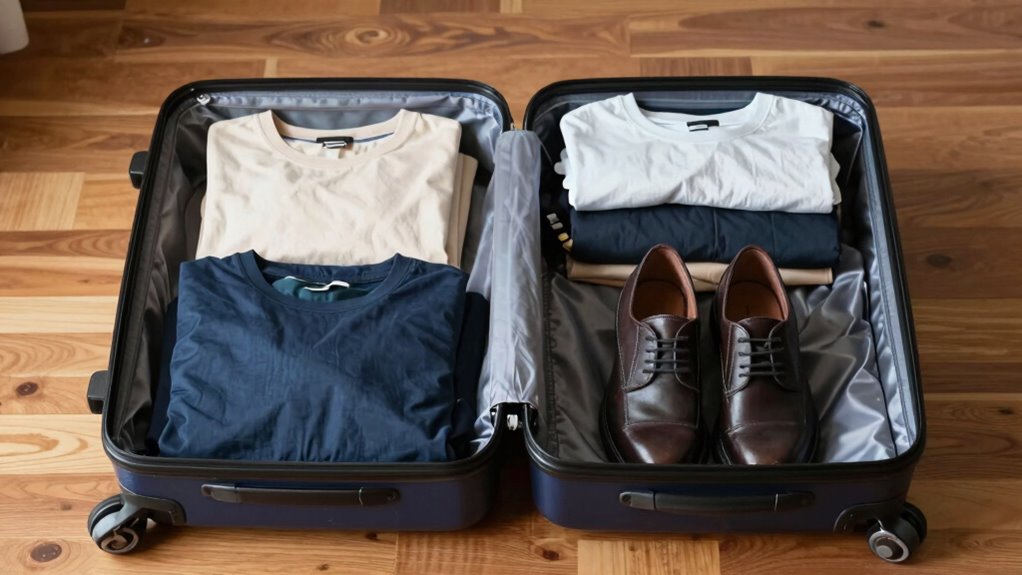
To achieve better balance and control while packing, focus on distributing weight evenly throughout your luggage. Place heavier items at the bottom and close to the center to maintain stability and improve cargo security. Use packing cubes or organizers to keep items tidy and prevent shifting, which can impact handling. Balance lighter items on top and distribute belongings evenly on both sides to avoid wobbling or uneven weight distribution. Efficient packing techniques not only enhance packing efficiency but also help keep your luggage stable during transit. Remember, well-packed luggage with balanced weight improves maneuverability and reduces strain when lifting or rolling. Prioritize cargo security by ensuring nothing is loose, which can destabilize your luggage and compromise handling. Additionally, understanding the weight distribution principles can help you optimize your packing for easier travel. Recognizing how Youngster Choice and other factors influence personal success can guide you in packing smarter for every trip. Properly implementing natural pool design principles can also contribute to overall backyard stability and ease of maintenance. Regularly checking and maintaining your luggage’s airflow can help prevent moisture buildup and extend its lifespan. Incorporating creative storytelling techniques can also make packing tips more engaging and memorable for your audience.
Troubleshooting Handling Problems While Traveling

Handling problems during travel can be frustrating, but many issues stem from preventable causes. Overpacking dilemmas can make your luggage unbalanced, affecting handling and maneuverability. Additionally, uneven weight distribution may raise TSA security concerns, leading to delays or extra inspections. To troubleshoot these issues, consider the following:
- Check your packing weight to avoid overpacking dilemmas that cause handling difficulties.
- Distribute weight evenly to improve stability and reduce strain on your arms or wheels.
- Review TSA guidelines to ensure your luggage complies, preventing security delays or confiscation.
- Ensure proper luggage organization to prevent discomfort or complications that could affect your ability to travel comfortably. Proper weight placement can also help prevent rackless luggage issues that compromise handling and safety, as understanding your luggage’s personality traits can influence how you pack and organize effectively.
Adjust Your Packing Strategy for Different Trips
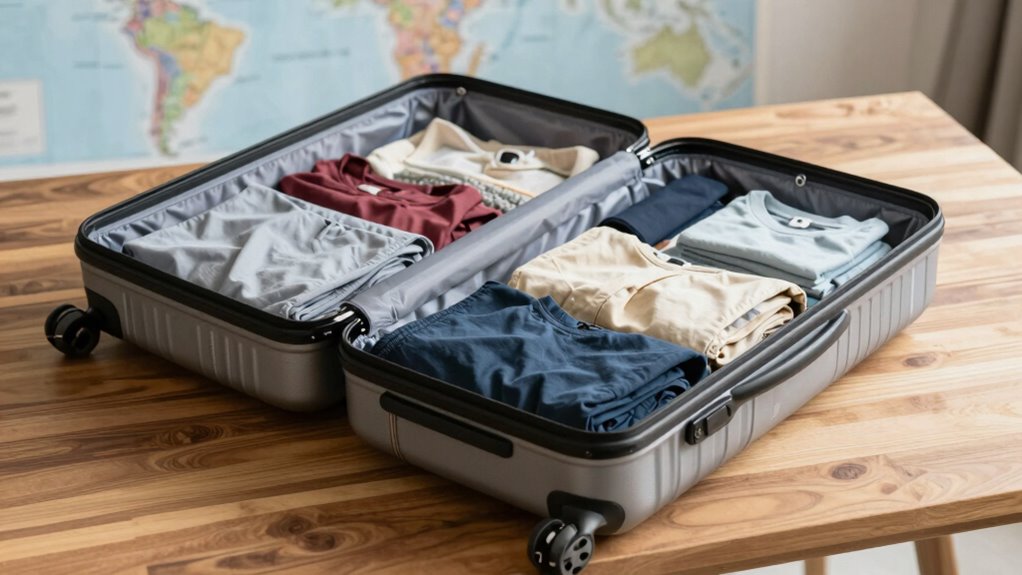
Adjusting your packing strategy based on the type of trip can make a significant difference in how smoothly your journey goes. For short getaways, pack only essential travel accessories and keep items lightweight to prevent imbalance. Use packing cubes to organize clothes efficiently, making it easier to access what you need quickly. On longer trips, distribute heavier items evenly across your luggage to maintain stability, especially if you’re using rackless luggage that relies on proper weight placement. Consider the destinations’ climate and activities when selecting what to pack, adapting your packing cubes accordingly. By customizing your packing approach, you’ll ensure better handling and reduce the risk of shifting weight, making your trip more comfortable and less stressful.
How to Recognize and Fix Handling Issues on the Go
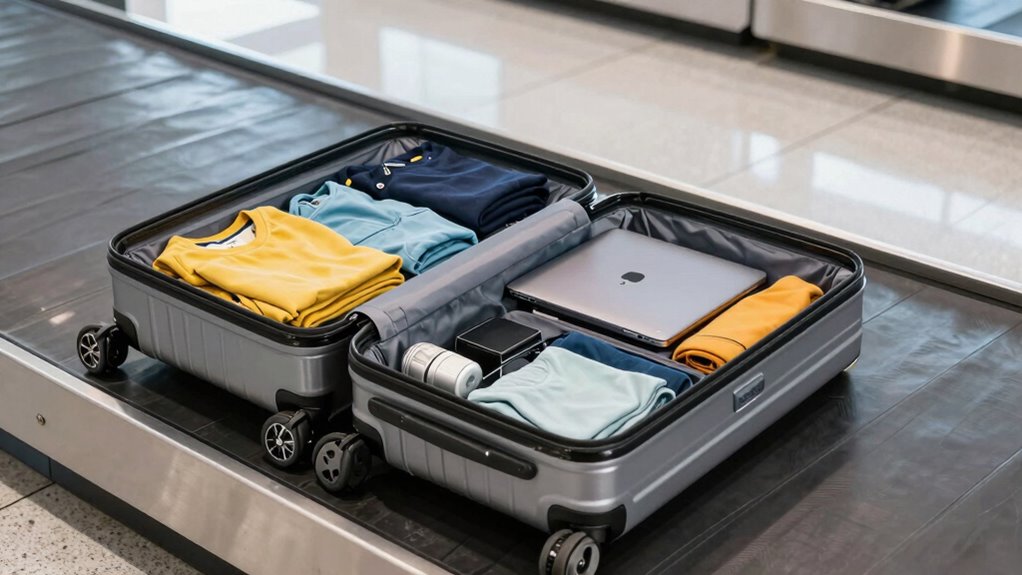
Sometimes, handling issues with your luggage become apparent only after you’ve started moving. If your bag feels unstable or pulls to one side, you can quickly identify the problem. Check the weight sensors if your luggage has them—uneven readings may signal imbalance. Confirm that your luggage tags are securely attached and not causing shifting. To fix handling issues:
- Redistribute weight to balance the load more evenly
- Remove or rearrange heavy items to improve stability
- Adjust the placement of luggage tags to prevent shifting
Final Tips for a Smooth, Comfortable Journey
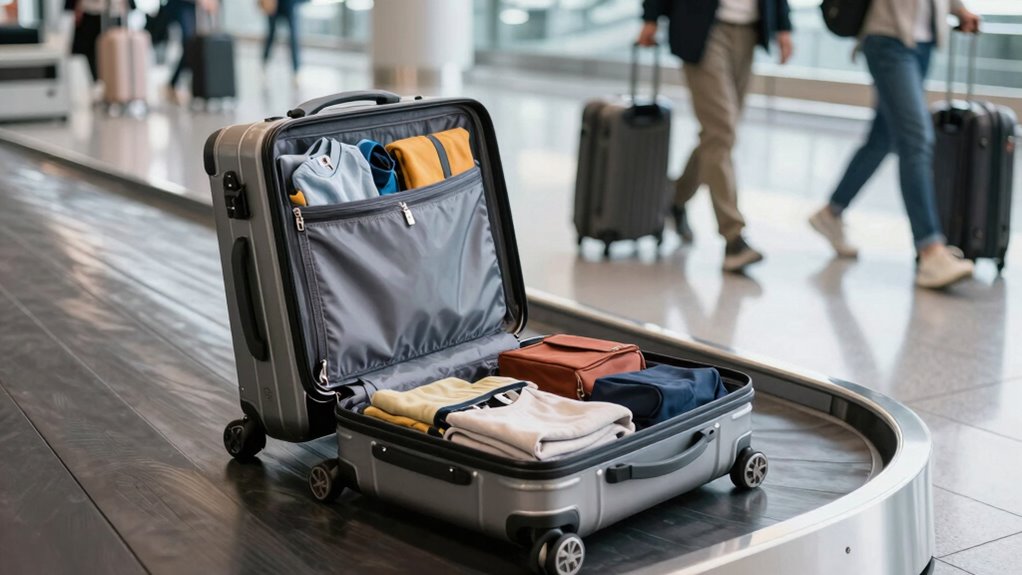
To guarantee your journey is as smooth and comfortable as possible, take a moment to prepare your essentials and plan ahead. Pack your valuables in a secure, easily accessible spot to ensure luggage security. Double-check that your travel insurance covers lost or damaged belongings, giving you peace of mind. To avoid handling issues, balance your load and distribute weight evenly, which improves maneuverability. Use the table below to organize your packing priorities:
| Priority | Tips |
|---|---|
| Luggage Security | Use locks, keep valuables close |
| Comfort & Accessibility | Pack essentials at the top or side |
| Weight Distribution | Balance weight evenly across luggage |
| Insurance & Documentation | Keep copies of important info |
This prep helps your journey stay hassle-free and comfortable.
Frequently Asked Questions
Does Rackless Luggage Work Better on Certain Types of Terrain?
Yes, rackless luggage works better on certain terrains, especially where terrain compatibility and handling dynamics matter. You’ll find it ideal for smooth roads and light off-road trails because it offers more balanced weight distribution, enhancing stability. However, on rough, uneven terrain, it might be less stable due to limited mounting options. So, consider your terrain type to guarantee ideal handling and safety with rackless luggage.
How Does Luggage Weight Affect Fuel Efficiency in Air Travel?
Your luggage weight impacts aircraft fuel economy considerably. Heavier bags require more fuel to keep the plane aloft, reducing efficiency. Proper weight distribution, especially centered and balanced, helps maintain ideal aircraft handling and minimizes fuel consumption. So, when packing, keep your luggage light and evenly distributed to help the plane operate more efficiently, saving fuel and reducing emissions. This simple step can make a noticeable difference in your flight’s overall efficiency.
Are There Specific Brands Known for Optimal Weight Placement?
Think of a trusted friend guiding your luggage journey; some brands, like Away and Samsonite, excel in weight distribution, ensuring your bag handles smoothly. Their reputation for thoughtful design helps you maintain ideal weight placement, reducing stress on your travel experience. While not all brands are equal, choosing those known for balanced weight management can make your packing effortless, keeping your belongings secure and your trip enjoyable.
Can Weight Placement Influence Security Screening Procedures?
Yes, your weight placement can influence security screening procedures. When you approach the security checkpoint, TSA regulations require your luggage to be easily accessible and properly organized. If weight is unevenly distributed, it might cause delays or additional inspections. To prevent this, make certain your rackless luggage follows TSA guidelines, with weight balanced for stability and quick inspection, making the process smoother and faster for everyone involved.
How Often Should I Reassess My Packing Strategy During a Trip?
You should reassess your packing rhythm and redistribute weight whenever your luggage feels unbalanced or becomes heavier on one side. During your trip, check your bag every few days or after significant packing changes to guarantee it remains manageable. Regularly adjusting for weight redistribution helps maintain comfort and stability, preventing strain or damage. Stay attentive, and make small tweaks as needed to keep your luggage easy to handle throughout your journey.
Conclusion
Did you know that improper weight distribution can increase your luggage’s wobbling by up to 40%? By understanding rackless luggage and paying close attention to weight placement, you can greatly improve your handling and enjoy smoother travels. Remember to pack evenly, keep heavy items low and centered, and adjust as needed. With these simple tips, you’ll travel more comfortably and confidently—making every trip a breeze. Safe travels!