TL;DR
Off-road vehicle accessories can help you handle rough terrain, carry equipment, and protect vulnerable parts, but every upgrade adds trade-offs in weight, cost, or complexity. Start with basic safety and recovery gear, check your owner’s manual and local rules, and practice using equipment before you depend on it far from help.
A shiny winch looks reassuring in the driveway. Ten miles down a muddy trail, the gear you can use safely matters more than the gear that looks impressive. The right off-road vehicle accessories help you handle rough ground, carry supplies, and protect your vehicle from rocks, mud, and long days away from pavement.

Get business pricing on garage and car supplies
- Business-only prices and quantity discounts
- Tax-exempt purchasing
- Multiple users, one account, clear invoices
Your best setup depends on where you drive, how long you stay out, your vehicle’s limits, and your experience. A compact compressor may do more for a weekend trail driver than a lift kit, while a remote trip may call for backup navigation and communications. Here’s how to choose useful gear, understand its trade-offs, and avoid paying for accessories that don’t fit your trips.
Think of your vehicle as a pack animal with a strict load limit: every accessory takes weight and space from somewhere else. Check your manual, match equipment to real conditions, and remember that accessories can improve capability without replacing good judgment, maintenance, or training.
Start with your owner’s manual, safety supplies, and the terrain you actually drive.
Carry a pressure gauge and compressor if you need to adjust tire pressure; reinflate before returning to the road.
Choose recovery gear rated for your vehicle and learn to use it before a remote trip.
Count passengers and accessories toward payload, and keep heavy cargo low to help preserve handling.
Check fitment, installation guidance, local laws, insurance terms, and recall information before modifying your vehicle.
Start With the Gear That Gets You Home
For most beginners, the best first off-road accessories are recovery basics, a tire-pressure gauge, an air compressor, and safety supplies. These help with common trail problems without changing your vehicle’s suspension or adding a large permanent load. What you buy should still depend on the vehicle and trips you actually take.
Imagine a day trip on a maintained forest road: a sharp rock causes a slow tire leak, but you have a repair kit and compressor. That small kit can turn a frustrating wait into a manageable stop. Add water, a first-aid kit, weather-appropriate clothing, a headlamp, and a way to signal for help. Those plain items often matter more than cosmetic accessories.
Recovery equipment should fit your vehicle and have an appropriate rating. A beginner might carry traction boards, a shovel, and rated recovery points before buying a winch. A strap, shackles, or winch must be used according to the maker’s instructions; never attach gear to an unrated bumper or tie-down. A recovery tool is like a fire extinguisher: useful only if you know how to handle it before trouble starts.
Use this order as a starting point, not a universal shopping list:
- Check the manual for payload, tires, roof loads, towing, and modification guidance.
- Pack safety basics, including water, first aid, warm layers, and emergency signaling.
- Add tire and recovery tools suited to your terrain, then practice with them in a controlled setting.
- Choose protection or upgrades only after you can name a real problem they will solve.
Products Worth Considering

NOCO Boost X GBX75 2500A 12V Lithium Jump Starter

Chemical Guys Arsenal Builder Car Wash Kit with Foam Cannon and Carry Bag

Milwaukee M12 FUEL 12V 1/4-Inch Hex Impact Driver Kit
As an affiliate, we earn on qualifying purchases.
Pick Tires and Pressure for the Ground You Drive
Off-road vehicle accessories work best when they match the ground beneath your tires; for mixed pavement and trails, all-terrain tires often offer a practical balance. Mud-terrain tires can grip better in deep mud, but they may sound louder on the highway and wear faster on pavement. The right choice depends on the share of each surface and the conditions you face most often.
For example, a driver who commutes during the week and visits rocky, dry trails on weekends may value quiet, predictable road manners alongside trail traction. A driver who regularly crosses deep, sticky mud may accept more road noise for a more aggressive tread. Compare the tire’s fitment, load rating, manufacturer guidance, and local rules before buying; a bigger tire can affect clearance and other vehicle behavior.
An accurate pressure gauge and portable compressor help you adjust pressure for terrain and reinflate before returning to the road. Lower pressure can widen the tire’s contact patch on some surfaces, much like a snowshoe spreads your weight. But too little pressure increases the chance of tire damage or the tire coming off its rim, especially when you turn sharply or hit rocks. There is no safe single pressure for every vehicle and tire.
Use the tire maker’s and vehicle maker’s guidance, account for the load you carry, and learn what works in a controlled setting. After a trail run, check for cuts, embedded stones, sidewall damage, and slow leaks. A few minutes with a flashlight can catch a problem before pavement speed turns it into a roadside stop.
Protect the Underside Without Adding Unneeded Weight
Skid plates, rock sliders, and differential guards help shield vulnerable parts from rocks and other obstacles. They are most useful when the trails you drive regularly put those parts in harm’s way. A plate can be valuable insurance on rocky ground, but it adds weight and may reduce ground clearance, so fit and design matter.
Consider a crossover that spends most of its time on graded gravel roads. A full set of heavy plates may add cost and mass without solving a problem the driver often encounters. By contrast, a driver who crawls across uneven rock may want targeted protection below the engine or around exposed components. The better choice comes from inspecting the vehicle’s vulnerable areas and thinking about the obstacles you meet.
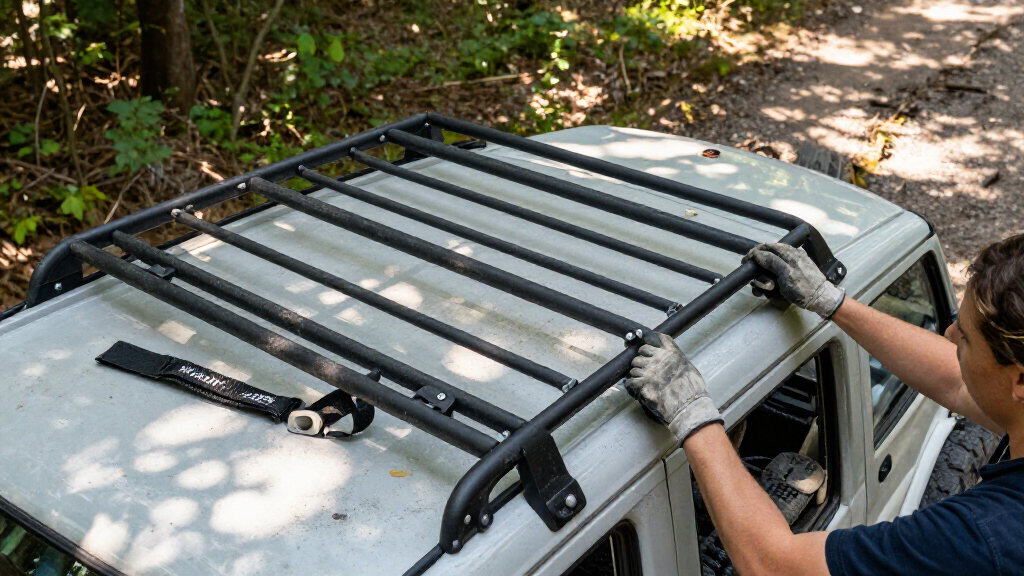
Racks, drawers, bumpers, and winches bring their own trade-offs. Heavy cargo belongs low and close to the vehicle’s center, where it has less effect on balance. Roof loads raise the center of gravity and can make the vehicle feel less settled in corners or on a side slope. Check the manual’s payload and roof-load limits: passengers, accessories, and camping gear all count.
A useful question before buying is, “What does this protect or carry on my next trip?” If you can answer with a specific example, the accessory may earn its place. If the answer is only that it looks rugged, wait and put the money toward essentials or maintenance. Keeping a lighter setup can help preserve handling and reduce the strain of carrying equipment everywhere.
Treat Lift Kits as a Whole-Vehicle Change
A lift kit can increase clearance or make room for certain tires, but it also changes how your vehicle behaves. Springs, shocks, alignment, braking, handling, and driveline angles may all be affected. A taller vehicle does not automatically become safer or more capable; it can trade stability and comfort for clearance that matters only on particular obstacles.
Picture a driver who installs a lift after scraping the underside on a few rocky approaches. The extra height might help on similar terrain, but it won’t improve tire grip on slick ground or teach the driver to choose a better line. The added parts can also change highway handling. A vehicle that felt composed before may lean more in corners or need alignment work after the installation.
First, identify what limits your current setup. Are you hitting a specific component, or would careful tire placement and suitable underbody protection address the problem? If a suspension change makes sense, check the manufacturer’s instructions, legal requirements, insurance implications, and compatibility with your make, model, and year. Added weight from a bumper or winch can also affect suspension choices.
Because suspension and steering changes can affect road safety, use a qualified installer when the work goes beyond your skills, then get any required alignment and checks. Afterward, pay attention to tire wear, unusual vibration, braking feel, and handling. A modification deserves a real-world shakedown on familiar roads before you take it into a remote area.
Build a Backup Plan for Navigation and Communication
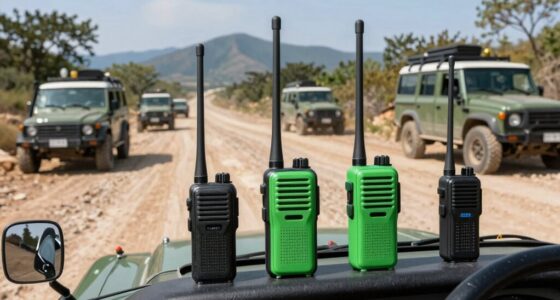
Offline maps, a GPS device, a paper map, and a charged phone give you more than one way to find your route. In remote areas, radios or satellite communicators can help when cellular coverage disappears, though availability and licensing rules differ by location. A navigation screen is helpful, but one dead battery should not end your ability to find the trailhead.
Imagine a group following a phone map until a shaded canyon drops the signal and the battery reaches 8 percent. An offline map saved beforehand and a paper map provide a fallback, while a charged battery pack extends phone life. Before leaving, check the route, share your plan and return time with someone, and learn how your device works without a network connection.
Lighting is another visibility tool, but road legality and safe aiming matter. Auxiliary lights may help on private land or in conditions where their use is legal. Poorly aimed lights can blind oncoming drivers, and local rules may limit where or when you use them. Keep mirrors, cameras, and the windshield clean too; dust streaks at dusk can hide a branch or a person standing near the vehicle.
Newer off-road vehicles often integrate electronics and app-based navigation, while compact LED lights and portable compressors make some equipment easier to carry. Electric off-road vehicles add planning around charging access, power draw, terrain, and how cold or heat affects energy use. Verify current vehicle guidance and accessory compatibility before relying on an app or electrical add-on in the field.
Use Water and Recovery Equipment With Clear Limits
A snorkel does not make a vehicle waterproof, and no recovery accessory removes the risks of a water crossing. Water depth, current, hidden obstacles, and water entering the cabin or engine can cause serious damage. Snorkels, sealed electrical connections, and upgraded breathers may help in specific conditions, but each has limits and must suit the vehicle.
For example, a shallow-looking creek can hide a deeper channel or a slippery rock shelf. If water moves quickly or you cannot judge the crossing, turning around is often the safest choice. Never assume a snorkel makes a crossing safe: it addresses one potential intake route, not the full set of hazards. Manufacturer guidance and local trail advice matter more than a photo of someone else crossing.
When a vehicle does get stuck, use rated gear and follow its instructions. Traction boards can work well in sand or shallow mud; a winch can help in some situations but requires suitable mounting, sound anchors, and practiced technique. Keep people clear of tensioned lines and follow the equipment maker’s safety directions. A strap or shackle is not safe just because it looks sturdy.
Practice recovery techniques with experienced instruction in a controlled area before you need them. If you travel with others, agree on signals and roles before attaching gear. A calm plan and a willingness to stop can protect people, vehicles, and the trail; pushing on can turn a minor problem into a dangerous one.
Make Every Upgrade Fit Your Vehicle and Local Rules
The right accessory must fit your exact vehicle, carry the right load, and meet local requirements. Fitment can vary by make, model, year, trim, and existing modifications. A bumper listed for one version may not fit another, and electrical accessories can draw more power than a vehicle setup comfortably supports. Check specifications and manufacturer guidance before purchase or installation.
Road rules can apply to lights, tires, bumpers, lifts, emissions-related changes, and vehicle dimensions, and they vary by jurisdiction. A light bar that works on private land may be restricted on public roads. Check your local requirements and insurance terms before modifying the vehicle. For a U.S. vehicle, check NHTSA recall information for relevant recalls; in other countries, consult the appropriate national recall authority.
After each trip, inspect tires, recovery points, wiring, underbody protection, and cargo tie-downs. Mud packed around components can hide damage, while a loose bolt can rattle like a pebble in a tin can before the problem becomes obvious. Clean the vehicle enough to see what needs attention, and follow the vehicle and accessory makers’ service guidance.
Some jobs are suitable for a capable owner with the right tools and instructions. Suspension, braking, steering, high-voltage electric systems, and safety-critical repairs deserve a qualified mechanic. For instance, a new suspension component may appear to bolt into place yet still need an alignment check. Proper installation protects the vehicle and the people sharing the road.
Frequently Asked Questions
What off-road accessories should a beginner buy first?
Start with water, first aid, suitable clothing, emergency signaling, a tire-pressure gauge, and a compressor. Add recovery gear that fits your vehicle and trips, and learn to use it in a controlled setting. A lift or winch may not solve the most common problems on your usual trails.
Which tires work best for mixed road and trail driving?
All-terrain tires often suit drivers who split time between pavement and varied trails. Mud-terrain tires can give more grip in deep mud, with trade-offs in road noise and pavement wear. Check fitment and load requirements, and choose for the surfaces you drive most.
Do I need a lift kit to go off-road?
No. A lift can increase clearance for some obstacles, but it can also affect handling, braking, alignment, and driveline angles. First identify what is limiting your vehicle; tire choice, underbody protection, or better line selection may solve the actual problem.
Will a roof rack or winch affect my vehicle?
Yes. Added accessories reduce available payload, and heavy roof loads raise the center of gravity, which can affect handling. Check the owner’s manual for payload and roof-load limits, and count people, equipment, and modifications in the total.
Are snorkels enough to make water crossings safe?
No. A snorkel may help with engine air intake in certain conditions, but it does not waterproof the vehicle or address current, depth, hidden obstacles, or water entering the cabin. Follow vehicle guidance and turn back if you cannot judge the crossing safely.
Conclusion
Build your setup around the problems your trips actually bring: a puncture, a rough patch of rock, a long stretch without phone service. Start with safety supplies, tire tools, and practiced recovery basics, then add protection or upgrades that match your vehicle and terrain.
Check the manual, respect payload and local rules, and practice before you rely on new gear. The best accessory is the one that helps you return from the trail with your vehicle, your passengers, and your judgment intact.