
In Polaris CVT systems, RPM controls clutch engagement more directly than speed because centrifugal force from engine rotation determines when the primary and secondary clutches engage and shift gears. Proper RPM management guarantees smooth shifts, ideal power transfer, and prevents premature wear. Speed alone doesn’t reflect the internal forces necessary for clutch operation. Understanding how RPM influences clutch behavior helps you tune your system for better performance and longevity—more details uncover how to fine-tune this process effectively.
Key Takeaways
- RPM controls centrifugal force in the clutch, dictating when it engages, not just vehicle speed.
- Higher engine RPM causes clutch weights to expand, increasing pulley diameter for gear shifting.
- Clutch engagement is triggered by reaching a specific RPM threshold, ensuring smooth power transfer.
- Speed alone doesn’t reflect the clutch’s engagement state, making RPM the primary factor.
- Proper RPM management prevents clutch slippage, overheating, and prolongs transmission component lifespan.
What Is a Polaris CVT Clutch and How Does It Work?
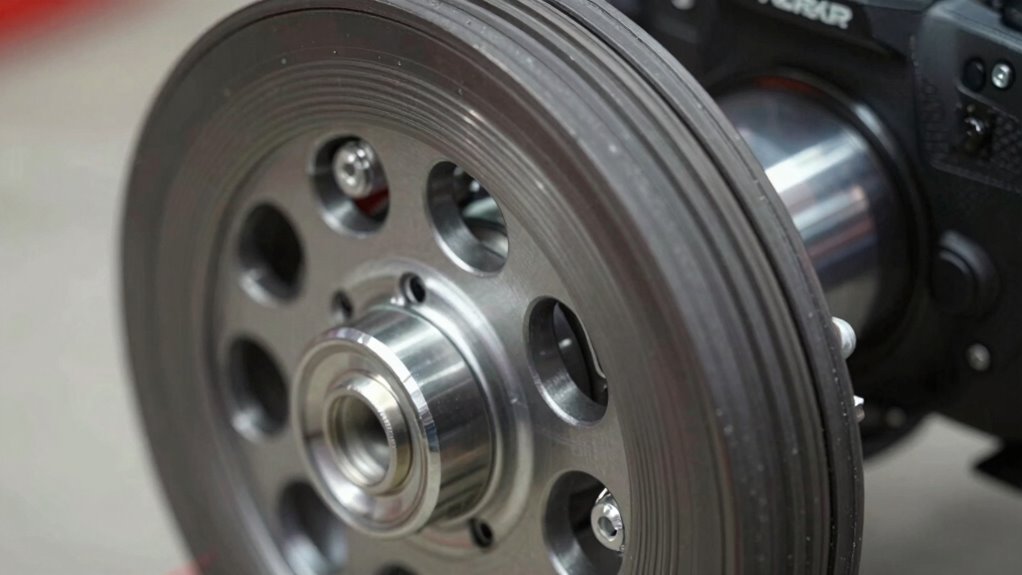
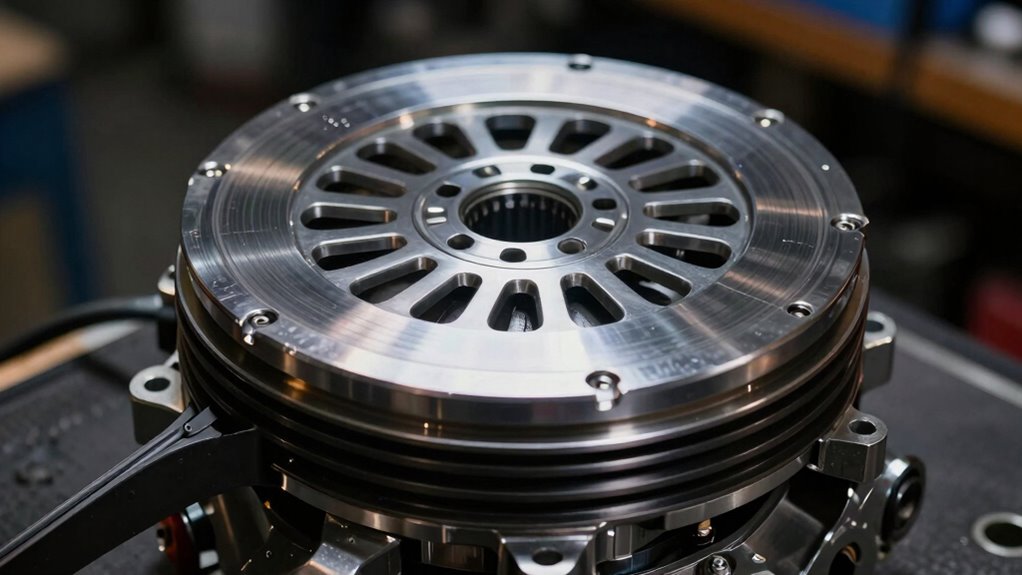
A Polaris CVT clutch is a critical component of the vehicle’s continuously variable transmission system, responsible for smoothly transmitting power from the engine to the drivetrain. It consists of a primary clutch (drive clutch) connected to the engine and a secondary clutch (driven clutch) linked to the drivetrain. These clutches utilize variable-diameter pulleys and a belt to adjust gear ratios seamlessly. When engine RPM increases, the primary clutch’s weights move outward, forcing the pulley halves apart and increasing belt diameter, which transmits more power to the secondary clutch. Conversely, as RPM decreases, the weights move inward, reducing belt diameter and decreasing torque transfer. This design allows for continuous, smooth acceleration without discrete gear shifts, optimizing performance and efficiency across varying speeds and loads. The high RPM capability of the CVT clutch is essential for maintaining consistent power delivery during different driving conditions.
Why RPM Is More Important Than Speed for Clutch Engagement
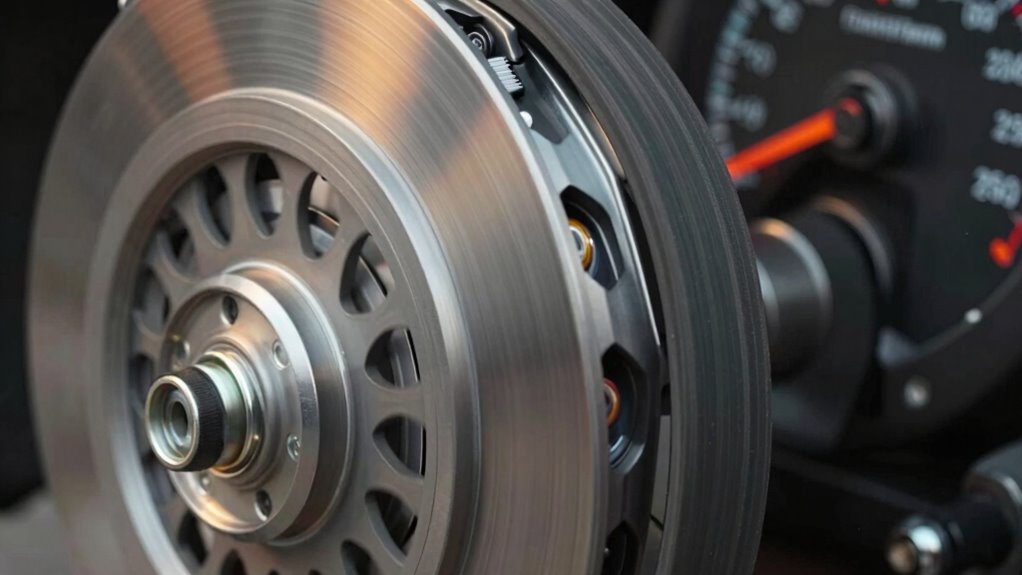
RPM directly influences clutch engagement because it determines the centrifugal force acting on the clutch weights, causing the pulleys to adjust their diameters. Higher RPMs generate greater centrifugal force, forcing the clutch weights outward, which in turn increases the pulley diameter and transmits more power to the drivetrain. This relationship highlights the importance of maintaining the correct RPM levels for optimal performance. Proper clutch calibration ensures that the system responds accurately to RPM changes, preventing slippage or premature engagement. Speed alone doesn’t account for the force necessary to engage the clutch properly; instead, RPM reflects the rotational energy needed for clutch operation. The centrifugal force involved in clutch operation explains why RPM is a critical factor in clutch engagement and overall system performance. Recognizing the significance of rotational energy helps in understanding how the clutch system functions efficiently. The following table illustrates the relationship:
| RPM Range | Clutch Engagement Behavior |
|---|---|
| Low RPM | Clutch remains disengaged |
| Ideal RPM | Clutch fully engages |
| High RPM | Clutch fully engaged, smooth power transfer |
How RPM Controls Gear Shifting in Polaris CVT Systems

In Polaris CVT systems, RPM directly triggers clutch engagement and determines the timing of gear shifts. When RPM reaches a specific threshold, the clutch engages or shifts gears to maintain peak performance. Understanding this relationship is essential for precise control and efficient operation. Additionally, maintaining proper RPM levels ensures the longevity of the clutch system by preventing excessive wear and tear. Properly managing RPM also helps in preventing overheating of components, which can cause premature failure and costly repairs. Recognizing the RPM threshold is crucial for optimizing gear shifts and overall system health, especially considering the importance of Free Floating in many outdoor and recreational applications. Regular monitoring of RPM can also help identify performance issues early, avoiding potential damage and ensuring smooth operation.
RPM Triggers Clutch Engagement
Clutch engagement in Polaris CVT systems is primarily triggered by engine RPM, which acts as a direct control parameter for gear shifting. When RPM reaches a predetermined threshold, the centrifugal clutch engages, transferring power from the engine to the drive system. This threshold is calibrated to guarantee seamless performance and smooth progressions between gears. The centrifugal force generated by increasing RPM causes the clutch shoes to expand outward, pressing against the drum and engaging the drive belt. This process is automatic and relies solely on engine speed rather than vehicle speed. Precise RPM control ensures that clutch engagement occurs at the correct moment, preventing premature or delayed shifting. Proper RPM management is critical for maintaining consistent power delivery and system efficiency. Incorporating sound healing frequencies into the tuning process can optimize engine performance by harmonizing vibrations, which may contribute to smoother clutch operation and longevity. Additionally, maintaining proper engine calibration can enhance the responsiveness and durability of the clutch system. Proper RPM management is essential for preventing excessive wear and ensuring smooth transitions.
Gear Change Timing
As engine speed increases, the Polaris CVT system monitors RPM levels to determine the best timing for gear changes. When RPM reaches a predetermined threshold, the system initiates a shift to maximize power transfer and efficiency. This threshold is calibrated to guarantee smooth transitions, preventing premature or delayed gear changes that could compromise performance. The system employs sensors to continuously track engine RPM and compares the readings against set parameters. Once the target RPM is achieved, the clutching mechanism adjusts, engaging or disengaging the drive belt to shift gears accordingly. Precise timing based on RPM ensures the engine operates within ideal power bands, minimizes belt slip, and maintains consistent acceleration. This RPM-driven approach enables seamless gear transitions tailored to engine load and rider input, leveraging sensor data to optimize performance. Additionally, understanding the importance of gear change timing helps riders better anticipate how their ATV responds during operation. Recognizing how engine load influences RPM thresholds can further refine shifting efficiency and overall ride quality. Moreover, proper maintenance of the clutch system ensures reliable RPM monitoring and smooth gear shifts over time.
Signs Your RPM Isn’t Optimized and What That Means for Performance
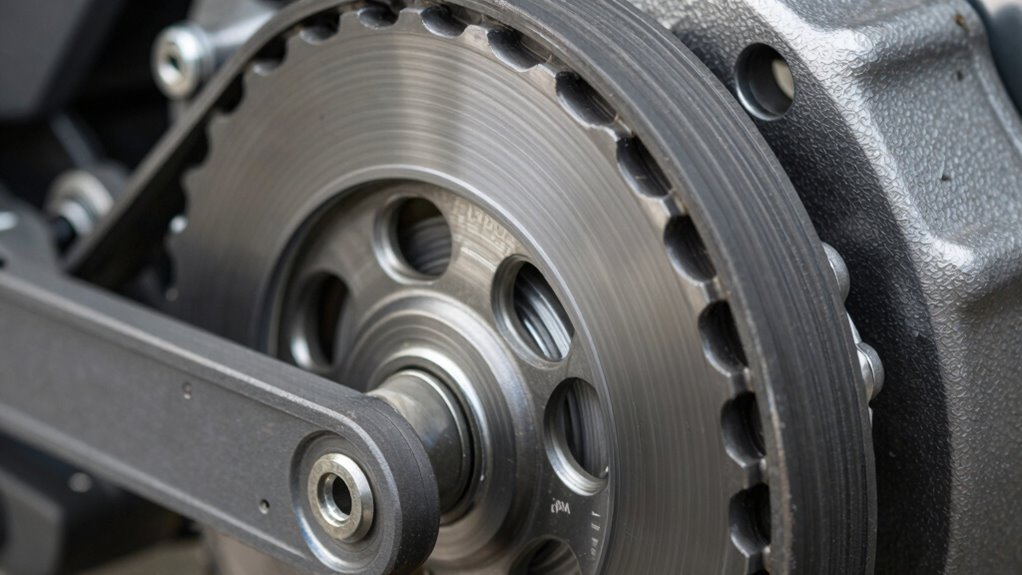
Unsteady RPM readings can indicate your CVT system isn’t properly optimized, affecting overall performance. You may notice a loss of power output during acceleration or under load, signaling potential clutching issues. Increased engine strain often accompanies these symptoms, risking further damage if not addressed promptly. Regularly inspecting the clutch mechanism can help identify wear or damage early, preventing more serious problems. Additionally, understanding the V-belt tension and its proper adjustment can be crucial for maintaining optimal clutch engagement and overall system health. Proper transmission maintenance can also improve clutch efficiency and extend the lifespan of your CVT components. Being aware of clutch wear signs can help you catch issues before they escalate, ensuring smoother operation. Monitoring water quality and ensuring that all components are clean can also prevent buildup that may affect clutch performance.
Unsteady RPM Indicators
When your Polaris CVT system isn’t functioning properly, you may notice your RPM readings fluctuate unpredictably. This unsteady indicator suggests clutching or belt issues that impair performance. You should watch for:
- Sudden spikes or drops in RPM during operation, indicating inconsistent clutch engagement.
- RPM readings that oscillate without corresponding changes in speed, reflecting clutch slippage or misalignment.
- Extended periods of high RPM with no increase in vehicle acceleration, pointing to improper clutch ratio or worn components.
These fluctuations hinder power transfer efficiency and may lead to further system damage if unaddressed. Accurate RPM monitoring is essential for diagnosing clutching issues and maintaining ideal performance. Recognizing these signs allows timely adjustments to prevent potential breakdowns.
Loss of Power Output
Are you experiencing a noticeable loss of power during your Polaris CVT operation? This often indicates that your RPM isn’t maximized, leading to inefficient clutch engagement. When RPMs are too low, the clutch may not fully engage, causing slippage and reduced torque transfer. Conversely, excessively high RPMs can result in premature clutch wear and power loss through unnecessary engine strain. You’ll notice sluggish acceleration, difficulty maintaining speed under load, or uneven throttle response. These symptoms suggest that the system isn’t transmitting power effectively, compromising overall performance. Proper clutch engagement relies on maintaining ideal RPM ranges to ensure maximum torque transfer without excessive wear. Monitoring RPM fluctuations and addressing irregularities promptly is essential to restoring ideal power output and ensuring your Polaris performs as intended.
Increased Engine Strain
If your Polaris CVT system isn’t operating within ideal RPM ranges, you’ll likely notice increased engine strain, which can considerably impair performance. This strain occurs when the engine is forced to work harder due to improper clutch engagement or incorrect RPM targeting. Signs include:
- Excessive engine heat, indicating overexertion and potential component overheating.
- Reduced acceleration, as the engine struggles to maintain optimal power transfer.
- Unusual vibrations or noise, reflecting increased mechanical load and stress on drivetrain components.
These issues can lead to accelerated wear, decreased fuel efficiency, and potential engine damage if unaddressed. Maintaining proper RPM ranges ensures efficient load distribution, minimizes strain, and enhances overall performance and longevity of your Polaris vehicle.
How Clutch Weights and Springs Influence RPM and Shifting
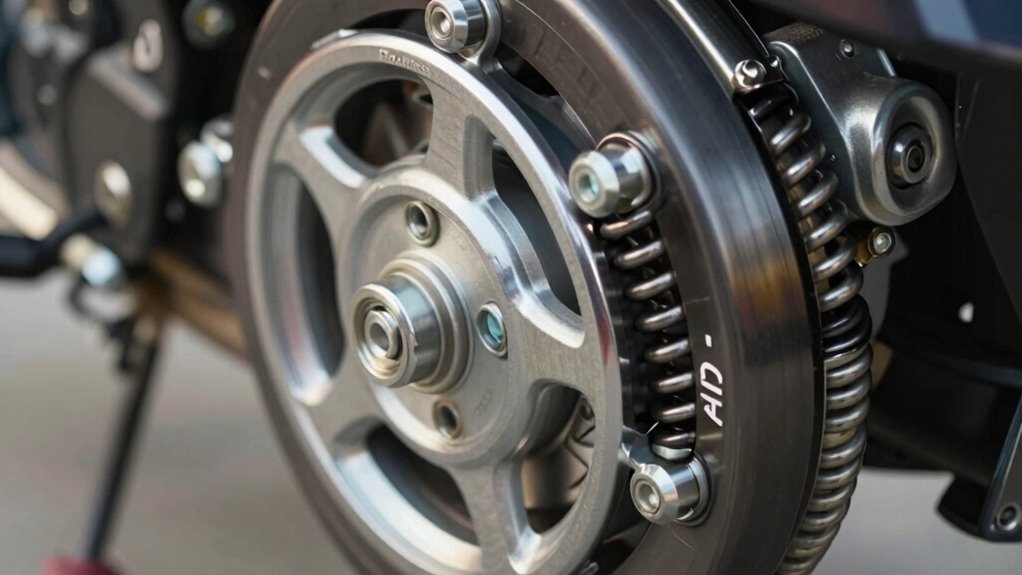
Clutch weights and springs directly determine the engine’s RPM at which the clutch engages and shifts. Heavier weights increase centrifugal force, requiring a higher RPM for the clutch to engage, resulting in later shifting. Conversely, lighter weights engage at lower RPMs, leading to earlier shifts. Springs control the force needed to release or engage the clutch. Tighter springs resist engagement, delaying shifting until higher RPMs are reached, while softer springs facilitate earlier engagement. Adjusting these components allows precise tuning of shifting points to match riding conditions and performance preferences. The balance between weights and spring tension influences the clutch’s responsiveness, affecting how quickly or smoothly shifts occur. Proper selection and tuning of weights and springs optimize engine performance and driveability.
Adjusting RPM Settings to Improve Engagement and Acceleration
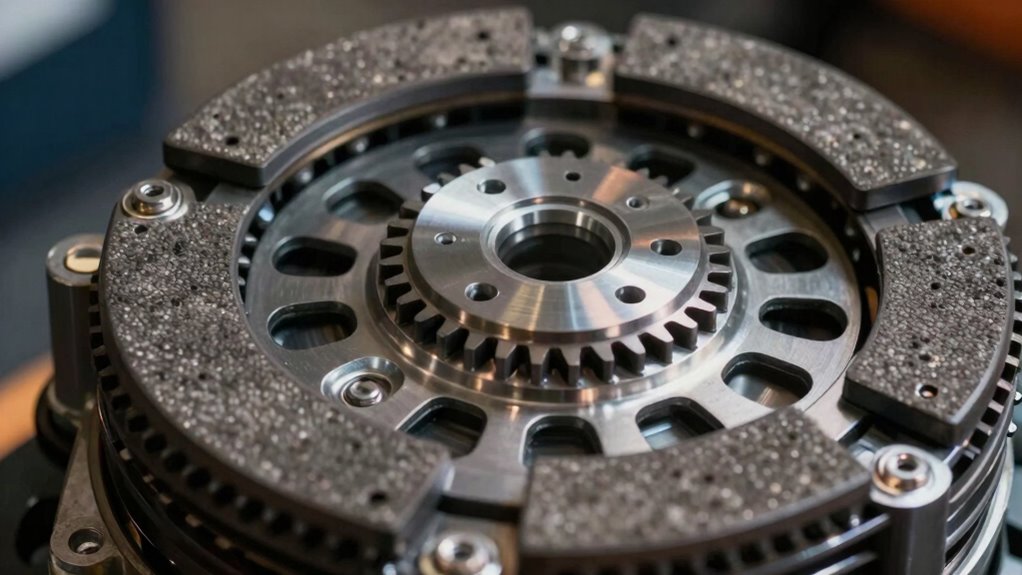
Adjusting your RPM settings directly influences clutch engagement and acceleration performance. Precise tuning guarantees the clutch engages at ideal speeds, reducing slippage and improving overall responsiveness. By fine-tuning these parameters, you can achieve smoother acceleration and more efficient power transfer.
Tuning RPM for Engagement
Tuning the RPM for engagement involves setting the clutch’s activation point to maximize both responsiveness and acceleration. Precise RPM adjustment ensures the clutch engages at the ideal engine speed, reducing lag and improving power transfer. To achieve this, consider these key steps:
- Adjust the spring tension to alter the engagement RPM—higher tension raises engagement speed, lower tension lowers it.
- Select appropriate weights for the clutch weights, which influence when the clutch begins to engage at specific RPMs.
- Test and refine by gradually modifying these settings, then observe the change in clutch engagement and acceleration response.
Consistent fine-tuning allows you to match engine characteristics and riding conditions, ensuring smoother engagement and more effective power delivery without compromising overall system stability.
Optimizing Acceleration Settings
To enhance acceleration, focus on fine-tuning the RPM settings that govern clutch engagement to guarantee rapid and smooth power transfer. Adjust the engagement RPM to ensure the clutch engages at the ideal point, preventing slippage or delayed response. Higher engagement RPMs can improve initial acceleration but may cause clutch wear if set excessively high. Conversely, lower settings promote smoothness but can hinder responsiveness. Use precise calibration tools or adjustable weights to modify clutch spring tension and spring preload, directly influencing engagement RPM. Monitor the engine’s RPM during acceleration for consistency and responsiveness. Fine adjustments should be based on performance observations, ensuring the clutch engages quickly without causing abrupt shifts. This meticulous approach guarantees improved acceleration performance while maintaining clutch longevity and operational stability.
Troubleshooting Common RPM-Related Clutch Problems
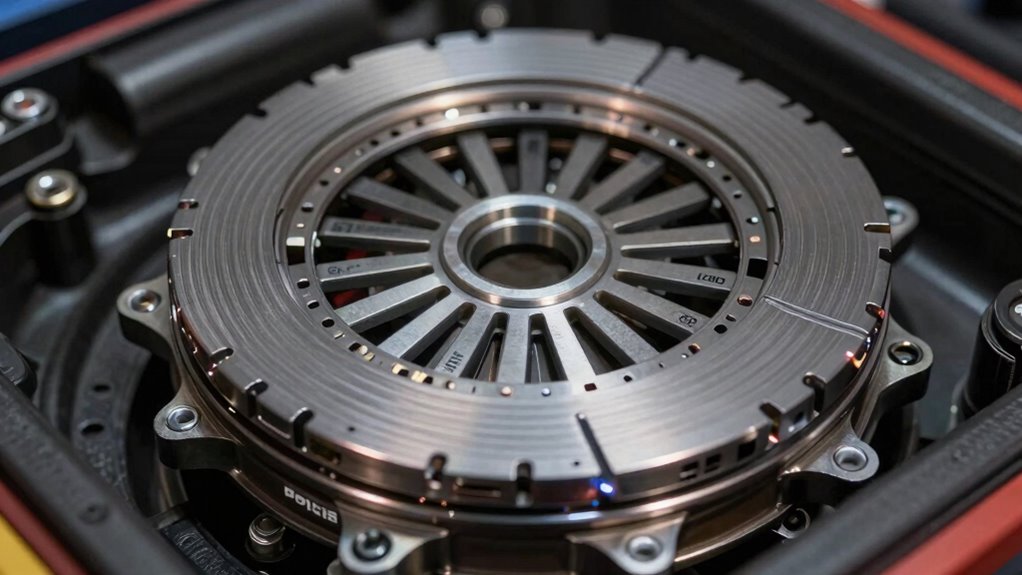
When RPM fluctuations occur in your Polaris CVT clutch, they often indicate underlying issues that can compromise performance if not addressed promptly. These problems typically stem from clutch components or adjustments. To troubleshoot effectively:
- Check clutch belt tension and wear; a loose or worn belt causes inconsistent RPM.
- Inspect clutch weights and springs; improper weights or damaged springs disrupt clutch engagement.
- Evaluate the primary and secondary clutch alignment; misalignment leads to erratic RPM behavior.
Addressing these areas ensures proper clutch operation and consistent RPM control. Use precise measurements and inspection tools to identify issues. Avoid neglecting RPM fluctuations, as they can cause increased wear, overheating, or engine stress. Regular diagnostics help maintain ideal performance and prevent costly repairs.
Best Practices to Maintain Consistent RPM During Your Ride
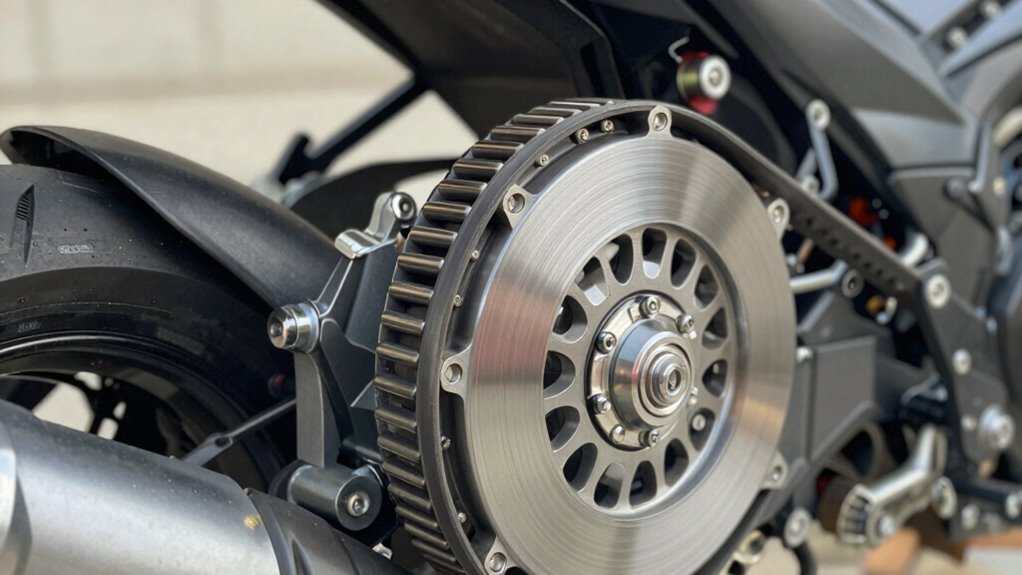
Maintaining consistent RPM during your ride requires proactive techniques and adjustments that keep the clutch system operating smoothly. Focus on steady throttle application to prevent abrupt changes in engine load, which can cause RPM fluctuations. Regularly monitor your tachometer to identify deviations from target RPM ranges, adjusting throttle input accordingly. Guarantee your belt tension is properly calibrated to avoid slipping or excessive resistance, both of which impact RPM stability. Maintain ideal clutch engagement by verifying that all components are clean, aligned, and free of debris. Avoid sudden acceleration or deceleration, as these can cause RPM spikes or drops. Consistent riding speed and smooth throttle modulation are essential for preserving stable RPM, ensuring the clutch system functions efficiently and prolongs component lifespan.
Upgrading Your CVT Clutch for Better RPM Control and Performance
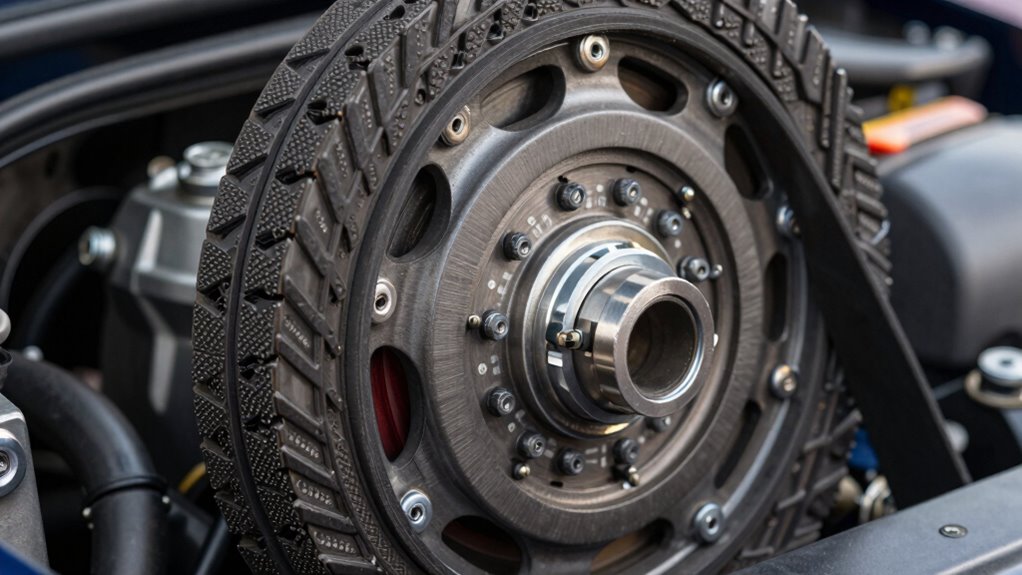
Upgrading your CVT clutch can considerably enhance RPM control and overall performance by optimizing engagement characteristics and responsiveness. Precise clutch upgrades allow for better control over belt engagement points, reducing slip and maintaining optimal RPM ranges. This directly improves acceleration and throttle response, especially in demanding conditions. To maximize benefits, consider these modifications:
- Replace stock weights with high-performance ones to fine-tune engagement RPM and improve responsiveness.
- Install a lightweight, high-traction drive belt to reduce slip and improve power transfer.
- Adjust the helix or spring tension to refine shift points, enabling smoother transitions and more consistent RPM control.
These upgrades provide a targeted approach to customizing your clutch’s behavior, resulting in more precise RPM management and enhanced overall performance.
How Understanding RPM Helps Maximize Your Polaris Vehicle’s Longevity
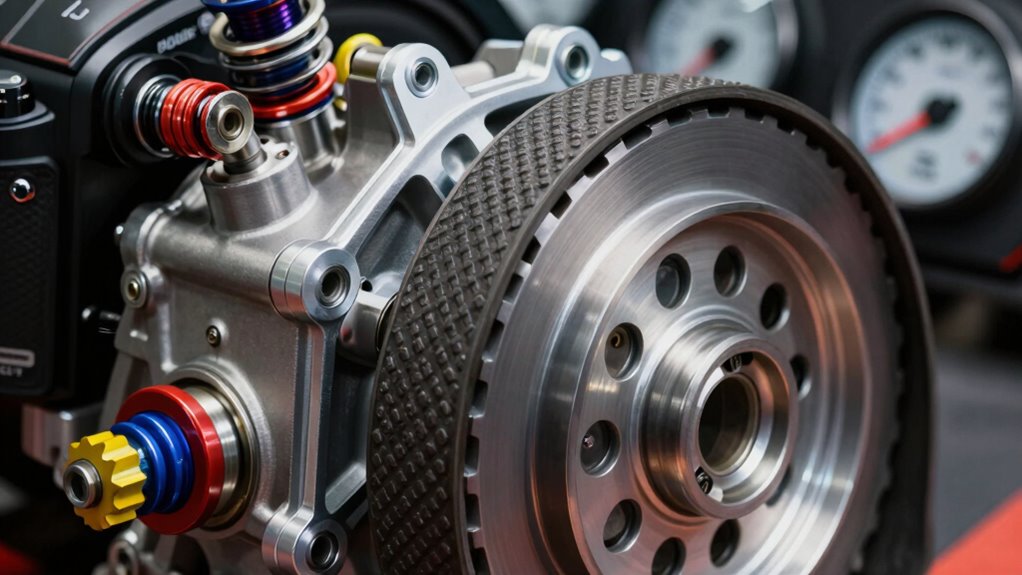
Optimizing your CVT clutch settings directly influences RPM management, which in turn affects your Polaris vehicle’s durability. Maintaining ideal RPM levels prevents excessive engine strain and reduces component wear. Precise RPM control ensures the clutch engages and disengages smoothly, minimizing stress on belts, pulleys, and the transmission system. By understanding how RPM fluctuates during operation, you can adjust clutch weights, spring tension, or belt tension to keep RPM within manufacturer-recommended ranges. This proactive approach minimizes overheating and mechanical fatigue, markedly extending your vehicle’s lifespan. Consistent RPM management also promotes fuel efficiency and reliable power delivery. Ultimately, a clear understanding of RPM behavior allows you to fine-tune your CVT system for maximum longevity, reducing costly repairs and ensuring your Polaris vehicle operates at peak performance over time.
Frequently Asked Questions
How Does Clutch Weight Affect RPM and Overall Performance?
Clutch weight directly influences RPM and overall performance by controlling engagement and slip. Heavier weights increase the centrifugal force needed for clutch engagement, raising RPM before the clutch fully engages, which can improve low-end torque and acceleration. Conversely, lighter weights engage earlier at lower RPMs, enhancing smoothness and fuel efficiency. Adjusting clutch weight allows you to optimize power transfer, ensuring your Polaris performs efficiently across different terrains and load conditions.
What Role Do Temperature Changes Play in Clutch RPM?
Temperature changes directly influence clutch RPM by altering belt flexibility and material properties. As temperatures rise, belts become more pliable, allowing the clutch to engage at lower RPMs and potentially causing slipping. Conversely, cold temperatures stiffen the belt, requiring higher RPMs for engagement. You should monitor temperature fluctuations closely, as they affect clutch performance, ensuring proper engagement and preventing premature wear or operational failures.
Can Aftermarket Clutches Improve RPM Control and Shifting?
Yes, aftermarket clutches can enhance RPM control and shifting performance. They allow you to fine-tune clutch engagement points, enabling smoother progressions and better throttle response. With adjustable weights and spring settings, you can tailor the clutch to your specific riding conditions, optimizing RPM range and reducing slippage. This results in more consistent shifts, improved power delivery, and increased overall efficiency, giving you better control over your vehicle’s performance.
How Do Altitude Variations Influence RPM and Clutch Operation?
Altitude variations decrease air density, leading to reduced engine power and altered clutch engagement. You’ll notice lower RPMs at higher elevations, which can cause the clutch to slip or shift improperly if not tuned correctly. To maintain ideal performance, you should adjust your clutch’s spring tension or pulley weights, ensuring consistent RPM and clutch response despite altitude changes. Proper tuning prevents slipping and maintains smooth power transfer across varying elevations.
What Is the Relationship Between Clutch Slip and RPM Stability?
Clutch slip acts as a delicate dance, maintaining RPM stability by allowing controlled disengagement during power transfer. When slip occurs excessively, it signals your clutch isn’t syncing properly, causing RPM fluctuations that hinder smooth operation. Conversely, minimal slip indicates ideal clutch engagement, preserving consistent RPM and power delivery. Monitoring slip levels helps you fine-tune clutch performance, ensuring your machine runs smoothly and efficiently, just like a well-choreographed routine.
Conclusion
Understanding RPM’s role in Polaris CVT clutching is vital for peak performance. Did you know that maintaining proper RPM can extend your clutch’s lifespan by up to 30%? By monitoring and adjusting RPM effectively, you guarantee smoother shifts, better fuel efficiency, and reduced wear. Mastering this control empowers you to maximize your vehicle’s longevity and reliability, turning every ride into a precise, high-performance experience.