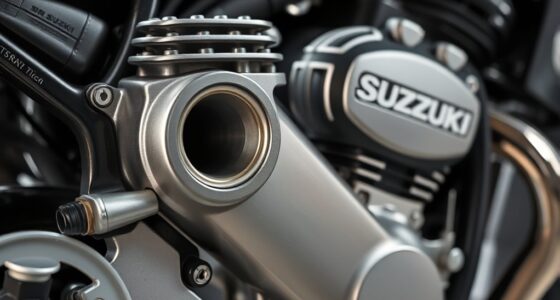

Suzuki clutch slipping mainly results from worn clutch plates, contaminated or degraded oil, or improper riding techniques that cause excess heat and misadjustments. Worn plates lose their grip, while contaminated oil reduces friction and increases wear. Aggressive riding habits or poor adjustments can lead to overheating and glazing of friction surfaces. To properly address the issue, you’ll need to understand how these factors interact — and there’s more to uncover that can help you resolve the problem effectively.

Get business pricing on garage and car supplies
- Business-only prices and quantity discounts
- Tax-exempt purchasing
- Multiple users, one account, clear invoices
Key Takeaways
- Worn or damaged clutch plates reduce friction, causing slipping during acceleration.
- Poor-quality or degraded oil diminishes lubrication and increases heat, leading to clutch slip.
- Improper clutch adjustment or misaligned linkage prevents proper engagement, resulting in slipping.
- Excessive heat from aggressive riding or riding with partially engaged clutch accelerates wear.
- Contaminants like oil or grease on clutch surfaces lower friction and promote slipping.
Suzuki clutch plates replacement kit
As an affiliate, we earn on qualifying purchases.
As an affiliate, we earn on qualifying purchases.
Why Does My Suzuki Clutch Slip? Common Causes Explained

A slipping clutch in your Suzuki often indicates underlying mechanical issues that require attention. The primary cause is usually related to insufficient friction between the clutch plates, which reduces their ability to transmit torque effectively. This can occur when the clutch disc wears down over time, decreasing contact surface area. Additionally, improper clutch adjustment can lead to incomplete engagement, resulting in slipping during acceleration. Contaminants such as oil or grease on clutch surfaces diminish friction, causing slippage. Excessive heat buildup from aggressive driving or riding the clutch can also compromise clutch components, leading to reduced grip. Finally, manufacturing defects or premature wear of hydraulic components, such as the master or slave cylinder, can impair clutch engagement, contributing to slipping issues. Identifying these causes requires precise inspection of clutch components and related systems.
Are Worn Clutch Plates the Main Reason for Slipping?

Worn clutch plates considerably impact slipping performance, as their condition directly affects friction and engagement. Ensuring proper assembly techniques is essential to maintain plate integrity and ideal function. Evaluating both plate wear and assembly accuracy helps determine if worn plates are the primary cause of clutch slip. Additionally, the type and quality of lubrication and oil used can influence clutch performance and wear patterns. Proper clutch adjustment is also critical to prevent premature wear and slipping issues. Regular maintenance and understanding the clutch system are vital for optimal operation and longevity. Proper inspection of wear indicators can help identify early signs of component degradation, preventing unexpected slip issues.
Plate Condition Significance
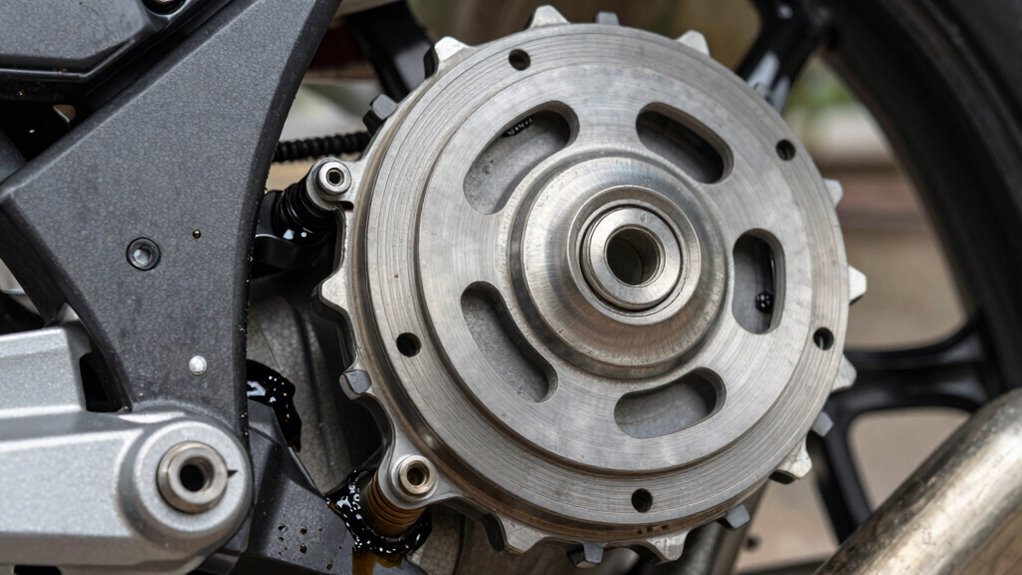
Clutch plates that are excessively worn markedly compromise the friction necessary for proper engagement, often leading to slipping. Worn plates reduce the contact surface area and diminish the grip between the friction material and the pressure plate, impairing torque transfer. Over time, heat and wear cause the friction lining to thin, further decreasing efficiency. This deterioration results in inconsistent clutch engagement, especially under load or high RPM conditions. The severity of plate wear directly correlates with slipping incidents; as the plates thin, slipping becomes more pronounced. Monitoring the thickness and condition of your clutch plates is critical. When signs of wear, such as glazing or scoring, appear, the plates’ ability to generate necessary friction drops appreciably, making replacement essential to restore proper clutch function. Friction Material is essential for maintaining reliable engagement and preventing slipping issues. Regular inspection and proper maintenance can help identify plate wear early, preventing costly repairs and ensuring optimal performance. Additionally, using the correct type of clutch oil can significantly reduce wear and extend the lifespan of the plates. Proper driving technique can also minimize unnecessary stress on the clutch components, prolonging their service life. Recognizing these signs early can save time and money by addressing problems before they worsen.
Proper Assembly Techniques
Proper assembly techniques play a vital role in guaranteeing ideal clutch performance and preventing slipping, even when the plates are in good condition. Precise alignment and correct torque application are essential to avoid uneven wear and assure maximum contact. Use a clean workspace and verify all components are free of debris or damage before installation. Follow manufacturer specifications for torque settings and sequence. Improper assembly can cause misalignment, uneven pressure distribution, and premature failure. Consider the following factors during assembly:
| Step | Key Action | Consequence of Error |
|---|---|---|
| Plate Alignment | Guarantee plates are correctly oriented | Slipping or uneven wear |
| Torque Application | Use proper torque values | Warping or damage to components |
| Clutch Spring Placement | Confirm springs are seated properly | Reduced clutch engagement |
| Lubrication | Use specified oil and apply correctly | Increased wear and overheating |
How Does Clutch Oil Affect Performance and Lead to Slipping?

Clutch oil plays a critical role in ensuring smooth engagement and disengagement of the clutch system by providing the necessary lubrication and hydraulic pressure. If the oil’s viscosity is too high or low, it can impair hydraulic responsiveness, causing delayed clutch disengagement or incomplete plate separation. Contaminated or degraded oil reduces lubrication efficiency, increasing friction and heat buildup, which accelerates clutch wear and promotes slipping. Proper oil specifications are essential; using oil not formulated for clutch systems can lead to inconsistent pressure transmission and uneven clutch plate contact. Regularly checking and maintaining *ideal* clutch oil levels prevents fluid-related issues. Additionally, oil degradation over time can compromise clutch performance, making regular oil changes vital. Ensuring the use of correct viscosity oils helps maintain optimal hydraulic function and reduces the risk of slipping. Proper clutch system maintenance is also crucial, including inspecting for leaks and replacing worn components, which directly impacts clutch performance. Maintaining hydraulic pressure with the right oil is essential for consistent clutch operation, preventing slip caused by hydraulic deficiencies or lubrication failures. A properly maintained clutch system can significantly extend the lifespan of clutch components and improve overall vehicle performance. Ultimately, correct clutch oil selection and maintenance directly influence clutch performance, reducing the likelihood of slipping caused by hydraulic deficiencies or lubrication failures.
Can Rider Technique or Riding Style Cause Clutch Slipping?

Rider technique and riding style can markedly influence clutch performance and potentially cause slipping if not executed properly. Improper clutch engagement or abrupt releases increase frictional stress on clutch plates, leading to slippage. Consider these factors:
Proper riding technique minimizes clutch slipping and extends clutch life.
- Excessive Throttle Input During Engagement: Applying too much throttle while releasing the clutch causes unnecessary strain, risking slip.
- Inconsistent Clutch Release: Rapid or uneven clutch release prevents smooth power transfer, increasing wear.
- Riding with a Partially Engaged Clutch: Riding with the clutch partially engaged for extended periods causes overheating and plate glazing.
- Aggressive Shifting: Forceful gear changes with incomplete clutch disengagement cause uneven load distribution, promoting slip.
Optimizing riding style by smooth, controlled clutch operation reduces the risk of slipping and prolongs clutch lifespan.
How to Diagnose Why Your Suzuki Clutch Is Slipping : A Step-by-Step Guide

Begin by checking your clutch engagement point to determine if it feels abnormal or inconsistent. Next, inspect the transmission oil for contamination or degradation, as oil condition directly impacts clutch performance. Addressing these points accurately helps identify whether the slip results from mechanical or hydraulic issues.
Check Clutch Engagement
To accurately diagnose clutch slipping, start by evaluating how the clutch engages during normal operation. Proper engagement indicates the clutch fully disengages and re-engages without delay or slipping. Follow these steps:
- Accelerate steadily in a low gear and observe the clutch’s responsiveness.
- Release the clutch lever smoothly, noting if the engagement point feels abnormally high or low.
- Maintain throttle after engagement to see if the engine revs increase without corresponding vehicle acceleration.
- Shift through gears, paying attention to hesitation or slipping during gear changes.
A delayed or inconsistent engagement suggests wear or misadjustment. If slipping occurs immediately after engagement, it indicates a potential issue with the clutch plates, hydraulic system, or technique.
Inspect Oil Condition
Inspecting the oil condition is a vital step in diagnosing clutch slipping, as contaminated or degraded oil can impair clutch operation. Begin by checking the oil’s clarity and viscosity; dark, thick, or gritty oil indicates contamination. Use a clean dipstick or sight glass to assess the oil level and consistency. Smell the oil for burnt odors, which suggest excessive heat or oil breakdown. If the oil appears foamy or emulsified, it signals water contamination, which reduces lubrication effectiveness. Additionally, inspect for metal particles or debris, as these indicate excessive wear within the clutch assembly. Confirm the oil meets the manufacturer’s specifications regarding type and viscosity. Proper oil condition ensures reliable clutch engagement; degraded oil can cause slipping by reducing friction and lubrication efficiency. Regular oil checks help maintain optimal clutch performance and prevent slipping issues. Maintaining proper oil quality is essential for the longevity and smooth operation of your Suzuki clutch, especially considering the impact of oil degradation on clutch performance.
Fixes and Prevention Tips to Stop Clutch Slipping on Your Suzuki

Clutch slipping in your Suzuki often results from worn components or improper adjustments, but timely fixes can restore performance and prevent further damage. To address this issue effectively:
Clutch slipping indicates worn parts or misadjustments, but quick fixes can restore your Suzuki’s performance.
- Replace Worn Clutch Plates – Inspect for excessive wear and replace plates to restore friction integrity. Regularly monitoring clutch wear can help catch issues early.
- Adjust Clutch Cable or Hydraulic System – Ensure proper free play and engagement points to prevent slipping caused by misalignment.
- Use Correct Oil Grade – Switch to manufacturer-recommended synthetic oils that reduce plate glazing and maintain proper lubrication.
- Perform Regular Maintenance – Schedule periodic inspections to identify early signs of wear, ensuring timely intervention before severe slipping occurs.
- Verify Proper Registration and Maintenance Records – Keeping detailed records can help in diagnosing issues promptly and avoiding potential scams related to unverified repairs or counterfeit parts.
Implementing these measures maintains clutch integrity, improves engagement, and prolongs component lifespan.
Frequently Asked Questions
Can Aftermarket Clutches Cause More Slipping Than OEM Parts?
Yes, aftermarket clutches can cause more slipping than OEM parts if they aren’t correctly matched to your bike’s specifications. Poor-quality materials, improper installation, or incompatible design can lead to reduced grip, especially under high torque conditions. To prevent slipping, make certain you choose a clutch designed for your Suzuki model, verify installation procedures, and maintain proper clutch adjustment and oil quality. Proper selection and maintenance are key to peak performance.
How Often Should I Replace Clutch Plates to Prevent Slipping?
You should replace clutch plates every 15,000 to 20,000 miles or when you notice slipping, slipping sounds, or difficulty shifting. Regular inspections are crucial, especially if you ride aggressively or in demanding conditions. Use quality oil and avoid aggressive techniques that accelerate wear. If plates show signs of excessive wear, warping, or discoloration, replace them promptly to maintain ideal clutch performance and prevent further slipping issues.
Does Climate Affect Clutch Performance and Slipping?
Climate ideally impacts clutch performance, especially in regions experiencing extreme temperatures. In hot climates, high temperatures can cause oil to thin, reducing its lubricating properties and increasing clutch slippage by up to 15%. Conversely, cold weather thickens oil, impeding clutch engagement and causing sluggish responses. Consequently, you should regularly check and change clutch oil based on climate conditions, and consider using oil formulations suited for your environment to maintain best performance.
Are There Specific Riding Habits That Accelerate Clutch Wear?
You accelerate clutch wear by riding aggressively, such as rapid clutch engagement, slipping the clutch during starts, or frequent high-rev shifts. Riding in heavy traffic with constant clutch use, neglecting proper clutch release techniques, and holding the clutch in partially engaged position also contribute to faster plate wear. Additionally, improper clutch modulation increases friction and heat, leading to accelerated deterioration of clutch components over time.
What Are Signs of Imminent Clutch Failure Besides Slipping?
When your clutch begins to groan or feels oddly resistant, it signals trouble brewing beneath the surface. You might notice a burning smell, uneven gear engagement, or a spongy pedal. These symptoms indicate imminent failure, as the clutch components are wearing out or misaligned. Address these signs promptly. Ignoring them could leave you stranded, with your transmission’s integrity slipping away like grains of sand through your fingers.
Conclusion
Understanding the causes of clutch slipping helps you maintain ideal performance. Regularly inspecting your clutch plates, using the correct oil, and refining your riding technique can considerably reduce slipping incidents. Did you know that improper clutch oil can decrease friction efficiency by up to 30%? By diagnosing issues early and applying proper maintenance, you guarantee your Suzuki’s clutch operates smoothly and prolongs its lifespan, saving you time and costly repairs in the long run.
Halloween Picks
halloween
As an affiliate, we earn on qualifying purchases.