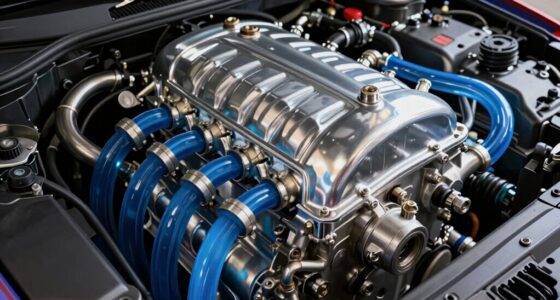
You might not realize how quickly your torque wrench can go out of spec, especially if you ignore regular calibration and proper storage. Environmental factors like temperature swings and impacts during storage cause drift, compromising accuracy. Over time, even frequent use doesn’t prevent calibration issues. This can lead to under- or over-tightening bolts, risking safety and damage. Keep an eye on signs of inaccuracies, and stay tuned—you’ll discover how to keep your tools precise longer.

Get business pricing on garage and car supplies
- Business-only prices and quantity discounts
- Tax-exempt purchasing
- Multiple users, one account, clear invoices
Key Takeaways
- Environmental factors like temperature changes and humidity accelerate calibration drift in torque wrenches.
- Improper storage, such as exposure to impacts or extreme conditions, can cause internal shifts and inaccuracies.
- Inconsistent usage patterns and neglecting regular calibration lead to unnoticed deviations from specifications.
- Heavy or improper handling during storage and use can damage internal components, increasing calibration loss.
- Many mechanics overlook the importance of scheduled calibration, risking tool inaccuracy before they realize.
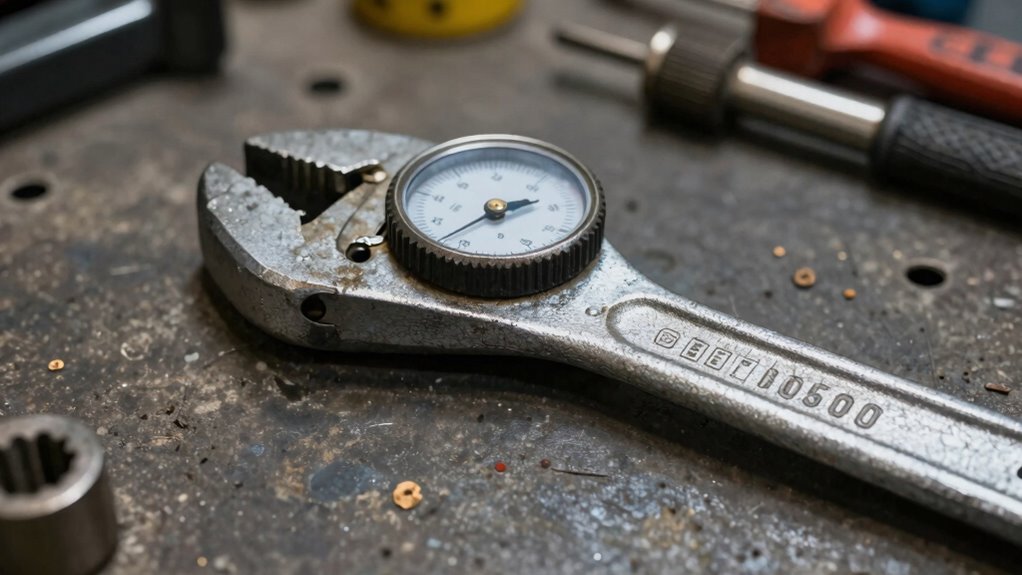
Torque wrenches can fall out of specification over time, which can compromise the accuracy of your torque settings. Many mechanics underestimate how quickly this can happen, often assuming that their tools stay calibrated forever. The truth is, even if you use your torque wrench regularly, it still needs periodic calibration checks to ensure consistent performance. The key is understanding how often you should calibrate your tool and how storage conditions can affect its precision. Additionally, environmental factors like temperature fluctuations can impact the internal components, so being aware of calibration maintenance is essential. Regular calibration helps identify issues before they lead to critical failures, especially in high-stakes environments. The frequency of calibration depends on how often you use the wrench and the type of work you do. If you’re using it daily for critical applications, you might need to calibrate it every few months. Less frequent users or those working on less sensitive projects can extend that interval to six months or even a year. However, if you notice any signs of inaccuracy—like inconsistent torque readings or difficulty reaching specified torque values—you should test it sooner. Regular calibration helps catch any deviations early, preventing costly mistakes on your projects. It’s also important to consider that environmental exposure can accelerate wear and calibration drift, so taking steps to minimize such factors can help maintain your tool’s accuracy longer. Proper storage practices, such as keeping your wrench in a controlled environment and avoiding impacts, can also significantly mitigate calibration issues. Storage conditions play a significant role in maintaining your torque wrench’s accuracy. You should avoid storing it in extreme temperatures, high humidity, or areas exposed to dust and chemicals. These conditions can cause internal components to degrade or shift, leading to inaccurate readings. Ideally, keep your torque wrench in a dedicated case or a clean, dry environment where it’s protected from environmental factors. Also, avoid hanging it by the handle or storing it with heavy objects that could cause misalignment. Proper storage preserves the internal calibration and ensures that your tool remains reliable when you need it. Proper storage practices help extend the lifespan of your torque wrench and maintain its precision over time. Investing in regular calibration and paying attention to storage conditions isn’t just about maintaining accuracy; it’s about safety and quality. A torque wrench that’s out of spec can lead to under-tightened bolts, risking failure, or over-tightened fasteners, which can damage components. By proactively managing calibration frequency and storing your wrench properly, you reduce the risk of errors and extend the lifespan of your tool. In the end, your best approach is to treat your torque wrench as a precision instrument that needs care and attention. Schedule regular calibration, store it in a controlled environment, and stay alert to any signs of misperformance. Doing so ensures that your torque settings remain accurate, your work stays safe, and your tools serve you reliably for years to come.
digital torque wrench calibration kit
As an affiliate, we earn on qualifying purchases.
As an affiliate, we earn on qualifying purchases.
Frequently Asked Questions
How Often Should I Calibrate My Torque Wrench?
You should calibrate your torque wrench at least once a year, or sooner if you notice it’s not performing accurately. Proper storage is key—keep it in a protective case and avoid extreme temperatures or humidity. Regular calibration guarantees your wrench stays within the correct specifications, preventing over-tightening or under-tightening. Don’t overlook calibration frequency; it’s essential for maintaining precision and safety during your work.
Do Digital Torque Wrenches Last Longer Than Manual Ones?
Digital torque wrenches typically last longer than manual ones because they’re often more durable and easier to calibrate. However, calibration frequency and temperature impact their lifespan considerably. You should calibrate digital models regularly to maintain accuracy, especially if exposed to extreme temperatures. Proper care, including avoiding rapid temperature changes, helps extend their lifespan, ensuring consistent performance over time.
Can Temperature Affect Torque Wrench Accuracy?
Yes, temperature can affect torque wrench accuracy. Extreme heat or cold causes material degradation, leading to changes in the wrench’s calibration. You should regularly check and adjust your torque wrench’s calibration, especially if you work in varying temperatures. Maintaining proper calibration frequency helps guarantee accurate measurements. Keep your torque wrench stored in a controlled environment to minimize temperature-related effects and extend its precision lifespan.
What Signs Indicate a Torque Wrench Needs Replacement?
You’ll notice signs like inconsistent torque readings, which indicate your wrench may need replacement. Studies show that manufacturing defects and material fatigue can cause torque wrenches to lose accuracy faster than expected. If your wrench feels loose, clicks prematurely, or doesn’t click at all, it’s time to replace it. Regular calibration helps, but these signs often signal the tool’s internal components are compromised, risking your work’s safety and precision.
Are There Specific Storage Tips to Maintain Accuracy?
To maintain your torque wrench’s accuracy, follow proper storage techniques by keeping it in a protective case or on a designated shelf, avoiding humidity and extreme temperatures. Always set it to the lowest setting after use, and regularly check calibration intervals—typically every 5,000 cycles or as recommended by the manufacturer. Proper storage and timely calibration help guarantee your wrench stays precise and reliable over time.
Conclusion
So, think you’ve got your torque wrench all figured out? Think again. Most mechanics don’t realize how quickly these tools can drift out of spec, risking faulty repairs or even costly failures. One day, it’s precise; the next, it’s not. Are you really confident your torque wrench is still reliable? Keep a close eye on it—because the moment you ignore the signs, you might be heading for trouble you never saw coming.
Fall Picks
fall essentials
As an affiliate, we earn on qualifying purchases.