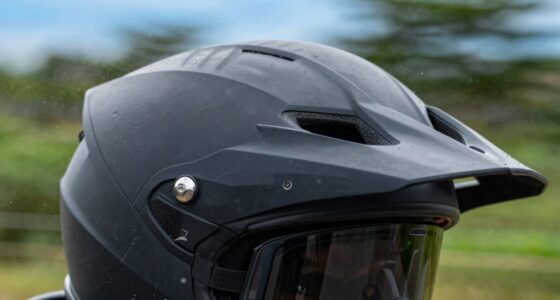

A bulky or poorly designed adventure helmet peak can make highway miles miserable by increasing wind drag, causing loud noise, and adding neck fatigue. These peaks often reflect or amplify wind, reducing your hearing and overall safety. Worse, they may not be adjustable or streamlined for long-distance riding, making your journey uncomfortable and tiring. If you keep going, you’ll discover key tips to choose or modify your helmet peak for a smoother, safer highway experience.

Get business pricing on garage and car supplies
- Business-only prices and quantity discounts
- Tax-exempt purchasing
- Multiple users, one account, clear invoices
Key Takeaways
- Poorly designed or oversized peaks increase wind resistance and turbulence, causing discomfort during long highway rides.
- Non-adjustable or fixed peaks can amplify wind noise, impairing hearing and overall safety.
- Peaks not optimized for aerodynamics may lead to neck fatigue on extended highway journeys.
- Incompatible or poorly fitted aftermarket peaks can create instability and reduce helmet comfort.
- Excessive or poorly shaped peaks reflect or amplify wind noise, impairing communication and situational awareness.

If you’ve ever hit the open road only to be annoyed by the discomfort of your adventure helmet, you’re not alone. Many riders face this issue, especially during long highway miles. The problem often lies in the shape and design of the helmet’s peak, which can turn from a minor annoyance into a significant source of fatigue and discomfort. It’s easy to overlook the importance of motorcycle accessories that enhance helmet safety and comfort, but choosing the right gear can make a world of difference. The peak, while useful for sun protection or shielding rain, can sometimes create an aerodynamic drag that pulls on your head or causes wind noise. Over time, this constant tugging can lead to neck fatigue, making your ride less enjoyable and more exhausting.
Some helmets come with peaks built into the design, but these aren’t always optimized for highway riding. If yours is causing problems, you might consider aftermarket accessories that modify or replace the existing peak. There are plenty of options designed specifically to improve airflow and reduce wind resistance, which directly impacts helmet safety by stabilizing your head at higher speeds. When you’re cruising on the highway, your helmet should stay secure without requiring constant adjustments or causing strain. A poorly designed peak can also reflect or amplify wind noise, impairing your ability to hear important sounds like sirens or horns, which compromises your overall helmet safety.
Investing in the right motorcycle accessories isn’t just about style—it’s about functionality and safety. For highway miles, look for lightweight, aerodynamic peaks that are adjustable or removable. These accessories are often made from durable, impact-resistant materials that don’t add unnecessary weight. Properly fitted and designed peaks can help streamline airflow around your helmet, reducing turbulence and noise, and easing neck strain. Keep in mind that comfort plays a crucial role in helmet safety; if your helmet causes discomfort, you’re more likely to remove it prematurely or not wear it properly, increasing your risk during the ride. Additionally, understanding helmet design and how it impacts aerodynamics can help you choose better accessories for a smoother ride. Enhancing your helmet with the right helmet accessories can also extend its lifespan and improve overall riding experience.
Choosing eco-friendly and sustainable gear options can also contribute to a more environmentally-conscious riding experience, aligning safety with sustainability. Ultimately, the peak on your adventure helmet should serve its purpose without becoming a hindrance. Assess your riding style and the typical conditions you face. Upgrading or customizing your helmet with suitable motorcycle accessories can transform a miserable highway experience into one that’s comfortable, safe, and even enjoyable. Your helmet is your first line of defense, so making sure it’s optimized for long rides isn’t just about comfort—it’s about your safety and peace of mind on every mile. Recognizing the importance of biodiversity and sustainability in manufacturing can also encourage you to choose eco-friendly gear options that support sustainable living practices.
Products Worth Considering
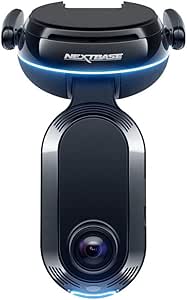
Nextbase iQ 4K Smart HD Dash Cam Pro with 64GB microSD Card – Front and Rear View, 1440p, Smart Sense Parking, Emergency SOS, Roadwatch AI

Innova 5610 OBD2 Bidirectional Scan Tool

Autel MaxiCOM MK900BT Bidirectional Diagnostic Scanner with 40+ Services and CAN-FD & DOIP Protocols
As an affiliate, we earn on qualifying purchases.
Frequently Asked Questions
What Specific Helmet Features Cause Discomfort on Long Highway Rides?
Imagine carrying a heavy backpack on a long hike—that’s what a helmet with excessive weight feels like on your head during highway rides. When a helmet’s weight is too high, it causes fatigue and discomfort. Additionally, poor noise reduction lets wind and engine sounds invade your peace, making the journey exhausting. These features turn a smooth highway trip into a relentless march, draining your energy and enjoyment.
How Can I Modify My Helmet for Better Highway Comfort?
To improve highway comfort, start by reducing helmet weight if possible; choose a lighter model or get padding to lessen pressure. Adjust your visor tint to reduce glare and eye strain during sunny rides. Make sure your helmet fits snugly but isn’t too tight, and consider adding ventilation to keep you cool. These modifications can make long highway miles more comfortable, helping you enjoy your ride without discomfort.
Are There Alternative Helmets Better Suited for Highway Travel?
Yes, alternative helmets with lower weight and enhanced noise reduction can improve your highway comfort. Look for models designed specifically for long-distance riding, featuring lightweight materials like carbon fiber or polycarbonate and integrated noise-canceling features. These helmets reduce fatigue and block out road noise, making your ride more enjoyable. Switching to a helmet with better weight distribution and noise reduction can markedly enhance your highway experience.
Does Helmet Ventilation Impact Comfort During Long Trips?
Ventilation impacts your comfort during long trips by keeping you cool and preventing sweat buildup. When ventilation efficiency is high, airflow flows freely, reducing heat and humidity inside your helmet. A lightweight helmet enhances this comfort, lessening fatigue and pressure. So, if you prioritize pleasant, prolonged rides, look for a helmet with good ventilation and a light, breathable design. These features help keep you comfortable mile after mile.
What Safety Considerations Are Affected by Helmet Modifications?
Modifying your helmet, especially altering its color or weight, impacts safety by affecting visibility and balance. Bright helmet colors enhance your visibility to other drivers, reducing accidents. Increasing helmet weight can cause neck strain, impairing your focus, and potentially compromising safety during long rides. Always confirm modifications don’t weaken the helmet’s integrity or violate safety standards, and test for comfort and balance before hitting the road.
Conclusion
So, next time you’re hitting the highway, don’t let that pesky adventure helmet peak ruin your ride. Sure, some say it keeps you cool or adds style, but if it makes long miles miserable, maybe it’s time to reconsider. After all, comfort should come first, right? Swap it out or adjust it — your ride will be smoother, and those miles will fly by. Trust me, your neck and nerves will thank you.