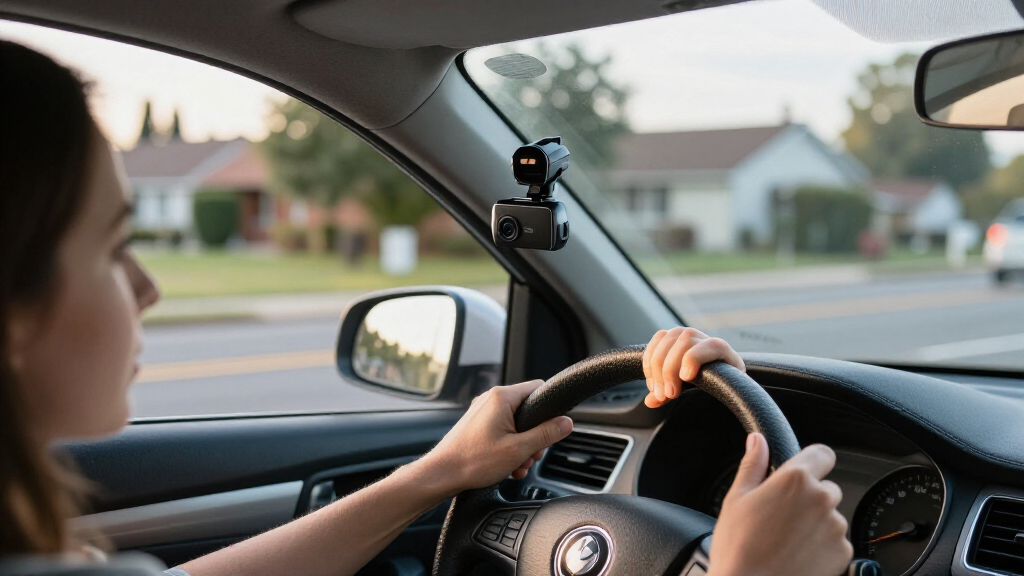
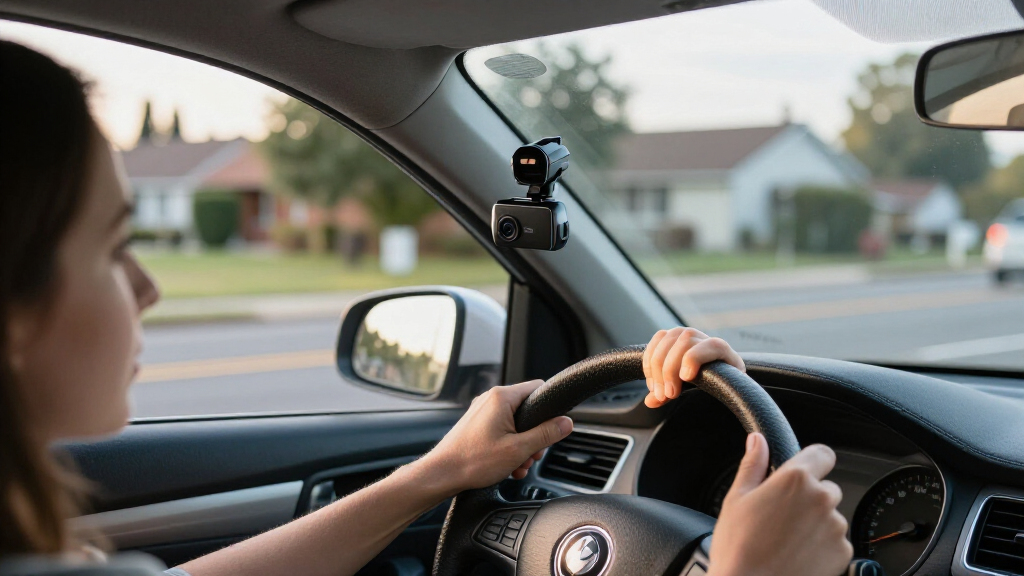
Among these best dash cams, I rank the VIOFO A229 Pro as the best overall for its dual STARVIS 2 sensors and 4K front-and-rear recording. The Vantrue N4 Pro S is a stronger match for drivers who want three-camera coverage, while the Galphi 4K is a simpler front-camera option for buyers who prefer a compact setup. The main tradeoffs are coverage versus installation complexity, and advanced recording features versus ease of use. Included memory cards can help you get started, but capacity and camera count affect how often footage gets overwritten. Read on for the full breakdown and help matching a dash cam to your car, budget priorities, and recording needs.

Get garage and car supplies delivered free — and shop member deals
- Fast, free delivery on millions of items
- Access to Prime Big Deal Days deals on October 6–7
- Prime Video, Amazon Music and more included
Complete the kit


Key Takeaways
- The VIOFO A229 Pro leads this lineup for balanced dual-channel recording: its front-and-rear 4K HDR setup and dual STARVIS 2 sensors put image capture ahead of models that advertise high resolution without the same sensor detail.
- Three- and four-channel cameras solve a different problem than dual cameras: the Vantrue N4 Pro S and multi-view options add cabin or side coverage, but bring more installation work and more footage to manage.
- Resolution labels are not the whole image-quality story: sensor performance, HDR, night recording, and camera placement all affect whether useful details appear in footage.
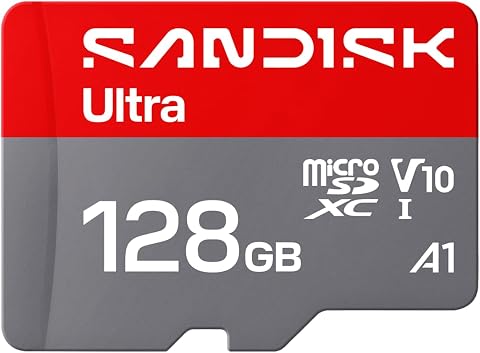
- Included memory cards are convenient, not a complete storage plan: card capacity, number of active cameras, and recording quality determine how much footage remains available before loop recording overwrites it.
- The right pick depends on installation tolerance: compact front-only models such as the Galphi suit straightforward setups, while parking monitoring and multi-camera kits can call for additional wiring and configuration.
| Galphi 4K Dash Cam Front, 5GHz WiFi, 32GB Card Included, Mini Dashcam |  | Best Compact Front-Facing Pick | Resolution: 2160p (4K UHD), 30 fps | Field of view: 160 degrees | Included memory card: 32GB | VIEW LATEST PRICE | See Our Full Breakdown |
| IIWEY N5 4-Channel Dash Cam for Cars, 360° View, 2K Front & 1080P Rear Inside |  | Best for All-Around Coverage | Camera channels: 4: front, rear, sides, and interior | Resolution: 2K front; 1080P rear and interior | Viewing angles: 170 degrees front and rear; 150 degrees side cameras | VIEW LATEST PRICE | See Our Full Breakdown |
| 360 View 4 Channel Dash Cam with GPS, Night Vision, WiFi, and 128GB Card |  | Best 360-Degree Value Feature Set | Camera coverage: 4-channel front, rear, and interior recording | Video resolution: 1080p | Field of view: 160 degrees | VIEW LATEST PRICE | See Our Full Breakdown |
| Vantrue N4 Pro S 4K 3-Channel Dash Cam with Triple STARVIS 2 HDR |  | Best Premium Three-Channel Pick | Video resolution: 4K front, 2.5K interior, 1080p rear at 30 fps | Sensors: Triple STARVIS 2 | Wide-angle coverage: 155 degrees front, 160 degrees interior, 165 degrees rear | VIEW LATEST PRICE | See Our Full Breakdown |
| 4K+4K+1080P 3 Channel Dash Cam with 128GB Card and Night Vision |  | Best for High-Resolution Front and Rear Recording | Camera channels and resolution: 4K front, 4K rear, 1080p cabin | Viewing angles: 170 degrees front, 150 degrees rear, 150 degrees cabin | Screen: 3.18 inches | VIEW LATEST PRICE | See Our Full Breakdown |
| REDTIGER 4K STARVIS 2 Dashcam Front and Rear with 128GB Card |  | Best for Easy On-Screen Controls | Resolution: 4K UHD front, 1080P rear | Sensor: STARVIS 2 CMOS | Field of view: 170° front, 140° rear | VIEW LATEST PRICE | See Our Full Breakdown |
| REDTIGER F7NP 4K Dash Cam Front Rear with STARVIS 2 Sensor and Free Card Included |  | Best for Long-Term Recording Flexibility | Resolution: 4K front, 1080P rear | Sensor: STARVIS 2 CMOS | Lens angle: 170° front, 140° rear | VIEW LATEST PRICE | See Our Full Breakdown |
| 4K+4K Dash Cam with Free 128GB Card, WiFi 6, GPS, Night Vision, and Parking Monitoring |  | Best for 4K Front-and-Rear Coverage | Video resolution: 4K front, 4K rear | Field of view: 170° | Aperture: F1.5 front, F1.8 rear | VIEW LATEST PRICE | See Our Full Breakdown |
| Affver 4K+2.5K Dual Dash Cam with Built-in 5G WiFi, GPS, Night Vision, 3.59-Inch Screen |  | Best Balanced Rear Detail | Video resolution: 4K front at 30fps, 2.5K rear at 25fps | Field of view: 160° front, 155° rear | Screen: 3.59 inches | VIEW LATEST PRICE | See Our Full Breakdown |
| VIOFO A229 Pro 4K HDR Dash Cam Front and Rear, Dual STARVIS 2 Sensors |  | Best for Low-Light Evidence and Parking Modes | Resolution: 4K 2160P front, 2K 1440P rear | Sensors: Dual STARVIS 2: IMX678 front and IMX675 rear | HDR: Yes | VIEW LATEST PRICE | See Our Full Breakdown |
| 4K+4K Dual Dash Cam Front and Rear with 128GB Card and Night Vision |  | Best for Matched Front-and-Rear Detail | Resolution: 3840 × 2160P front and rear | Field of view: 170° front; 150° rear | Aperture: f/1.5 | VIEW LATEST PRICE | See Our Full Breakdown |
| REDTIGER F17 4K 3-Channel Dash Cam with STARVIS 2 Sensor, HDR, 64GB Card, 5.8GHz WiFi |  | Best for Three-Way Coverage | Channels: Three: front, interior, and rear | Video resolution: 2160p front; 1080p interior and rear | Field of view: 150° front; 160° interior; 155° rear | VIEW LATEST PRICE | See Our Full Breakdown |
| ROVE R2-4K Dual Dash Cam Front and Rear with 128GB Card |  | Best for Expandable Storage | Resolution: Upscaled 2160p front; 1080p rear | Sensor: Sony STARVIS 2 IMX675 | Night recording: Super Night Vision low-light capture technology | VIEW LATEST PRICE | See Our Full Breakdown |
| Icesky 4K Dash Cam Front and Rear with GPS, WiFi 6, 128GB SD Card Included |  | Best for Four-Side Coverage | Coverage: 360°; front, rear, left, and right cameras | Listed video resolution: 2160p | Display: 0.3 inches | VIEW LATEST PRICE | See Our Full Breakdown |
| 4 Channel 360° Dash Cam Front and Rear, 4K+1080P*3 FHD Car Camera |  | Best for Adjustable Four-Camera Coverage | Channels: Four | Resolution: 2160p front; three 1080p lenses | Screen: 3-inch IPS | VIEW LATEST PRICE | See Our Full Breakdown |
| dash cam | Resolution | Connectivity |
|---|---|---|
| Galphi 4K Dash Cam Front | 2160p (4K UHD), 30 fps | — |
| IIWEY N5 4-Channel Dash Cam fo | 2K front; 1080P rear and interior | 5GHz WiFi and app control |
| 360 View 4 Channel Dash Cam wi | — | USB and WiFi |
| Vantrue N4 Pro S 4K 3-Channel | — | — |
| 4K+4K+1080P 3 Channel Dash Cam | — | — |
| REDTIGER 4K STARVIS 2 Dashcam | 4K UHD front, 1080P rear | 5GHz WiFi and GPS |
| REDTIGER F7NP 4K Dash Cam Fron | 4K front, 1080P rear | — |
| 4K+4K Dash Cam with Free 128GB | — | WiFi 6 at 5.8GHz and 2.4GHz |
| Affver 4K+2.5K Dual Dash Cam w | — | WiFi 6 |
| VIOFO A229 Pro 4K HDR Dash Cam | 4K 2160P front, 2K 1440P rear | — |
| 4K+4K Dual Dash Cam Front and | 3840 × 2160P front and rear | 5GHz and 2.4GHz Wi-Fi; USB |
| REDTIGER F17 4K 3-Channel Dash | — | 5.8GHz Wi-Fi |
| ROVE R2-4K Dual Dash Cam Front | Upscaled 2160p front; 1080p rear | — |
| Icesky 4K Dash Cam Front and R | — | — |
| 4 Channel 360° Dash Cam Front | 2160p front; three 1080p lenses | Wi-Fi |
More Details on Our Top Picks
Galphi 4K Dash Cam Front, 5GHz WiFi, 32GB Card Included, Mini Dashcam
The Galphi suits drivers who want detailed front-facing footage without adding a screen to the windshield. Its 4K recording and 160-degree view prioritize capturing road detail, while the compact, screen-free design keeps the unit visually unobtrusive. Compared with the IIWEY N5, it is much simpler: you get one forward camera rather than coverage around the cabin and sides, but also avoid routing several camera cables. 5GHz WiFi and app control provide a way to review clips without a built-in display, and the included 32GB card gets basic recording started. The tradeoff is limited included storage, and parking monitoring needs a separate Type-C hardwire kit. Skip it if you need rear or interior footage, or prefer viewing clips directly on the camera.
Pros:- 4K front recording captures more image detail than the IIWEY N5’s 2K front camera.
- Compact, screen-free body minimizes visual clutter on the windshield.
- 5GHz WiFi supports app connectivity and video transfer.
- Includes a 32GB card and supports cards up to 256GB.
Cons:- Records only the front view, unlike the multi-angle IIWEY N5 and four-channel 360 View camera.
- Parking mode requires a separate Type-C hardwire kit.
- No built-in display, so footage must be checked through the app.
Best for: Drivers who want an unobtrusive front-only camera, app-based clip access, and 4K road footage.
Not ideal for: People who need front-and-rear or cabin coverage, an on-device screen, or parking monitoring without buying a hardwire kit.
- Resolution:2160p (4K UHD), 30 fps
- Field of view:160 degrees
- Included memory card:32GB
- Maximum memory card size:256GB
- WiFi:5GHz
- Recording features:Loop recording, G-sensor, night vision
- Parking mode:Supported; Type-C hardwire kit required
- Display and control:No display; app control
Our verdict“Choose the Galphi if you want compact 4K front recording and can do without rear coverage and a built-in screen.”
IIWEY N5 4-Channel Dash Cam for Cars, 360° View, 2K Front & 1080P Rear Inside
The IIWEY N5 is the coverage-first choice here, combining front, rear, side, and interior views in a four-channel setup. That makes it more useful than the Galphi for drivers who want context from several directions, though its front camera records at 2K rather than 4K. A 3-inch screen gives you a local way to check framing, and the included 128GB card offers more starting capacity than the Galphi’s 32GB card. Its supercapacitor is designed to handle temperature extremes, a practical advantage for a camera left in a vehicle. The broad coverage comes with installation demands: the rear camera needs a wired connection to the front, and the unit relies on its original cigarette-lighter charger rather than USB or Type-C. There is also no GPS.
Pros:- Four-channel coverage records front, rear, sides, and interior.
- Included 128GB card is larger than the Galphi’s included 32GB card.
- 3-inch IPS screen helps with setup and quick local checks.
- Supercapacitor is designed for use through extreme heat and cold.
Cons:- Front recording is 2K, below the Galphi’s 4K front resolution.
- Requires the original cigarette-lighter charger and does not support USB or Type-C power.
- Rear camera requires wiring, and GPS is not included.
Best for: Drivers who need front, rear, side, and cabin footage, such as rideshare operators or households sharing a vehicle.
Not ideal for: Buyers seeking a simple plug-in USB setup, built-in GPS, or the highest front-camera resolution.
- Camera channels:4: front, rear, sides, and interior
- Resolution:2K front; 1080P rear and interior
- Viewing angles:170 degrees front and rear; 150 degrees side cameras
- Screen:3-inch IPS
- Included storage:128GB SD card; supports up to 256GB
- Connectivity:5GHz WiFi and app control
- Power:Original cigarette-lighter charger
- Parking mode:Supported; hardwire kit required
Our verdict“Pick the IIWEY N5 if broad vehicle coverage matters more to you than 4K front footage or a simpler installation.”
360 View 4 Channel Dash Cam with GPS, Night Vision, WiFi, and 128GB Card
This 360 View four-channel camera combines front, rear, and interior coverage with night vision, WDR, and incident locking, making it a strong fit for drivers who want broad evidence coverage rather than maximum resolution. Like the IIWEY N5, it records multiple views and has a 3-inch screen, but its listed video resolution is 1080p and GPS requires an additional logger. The included 128GB card and support for up to 256GB give it more storage out of the box than the Galphi, while the 24-month warranty adds a clear ownership detail. Parking mode also needs a separately purchased hardwire kit. Its four-camera setup can make installation more involved than a front-only unit, so it is less suited to drivers who want a quick, minimal install or sharper 4K road footage.
Pros:- Four cameras provide front, rear, and interior coverage.
- Night vision and WDR are included for low-light recording.
- Comes with a 128GB card and supports up to 256GB.
- Includes a 3-inch screen and a 24-month warranty.
Cons:- Listed video resolution is 1080p, below the Galphi’s 4K front recording.
- GPS logger is an optional extra rather than built in.
- Parking mode requires a separately purchased hardwire kit, and installation may be complex.
Best for: Drivers who want four-camera vehicle coverage, low-light features, and a 128GB card included, and are comfortable with a more involved setup.
Not ideal for: Buyers who prioritize 4K footage, built-in GPS, or parking monitoring without extra hardware.
- Camera coverage:4-channel front, rear, and interior recording
- Video resolution:1080p
- Field of view:160 degrees
- Screen:3 inches
- Included memory card:128GB
- Maximum memory card size:256GB
- Connectivity:USB and WiFi
- Recording and safety features:Night vision, WDR, loop recording, incident detection, built-in supercapacitor
- GPS and parking mode:Optional GPS logger; parking mode requires hardwire kit
Our verdict“Choose this model for four-camera coverage and included storage, but not if you need built-in GPS or higher-resolution footage.”
Vantrue N4 Pro S 4K 3-Channel Dash Cam with Triple STARVIS 2 HDR
The Vantrue N4 Pro S is the premium choice for drivers who want high-resolution footage from the front and cabin as well as a rear camera. Its 4K front, 2.5K interior, and 1080p rear configuration offers more front and cabin detail than the 1080p four-channel 360 View, while built-in GPS adds location data without an optional logger. Triple STARVIS 2 sensors, HDR, and license-plate recognition target clearer evidence in difficult lighting; the 360-degree rotating rear camera gives extra flexibility when positioning the view. Those features come with a more demanding setup: no memory card is included, and buffered parking monitoring needs a separate hardwire kit. Compared with the simpler Galphi, this model records more angles and adds GPS, but its three-camera installation and storage requirements make it a bigger commitment.
Pros:- 4K front and 2.5K interior recording provide more detail than the 1080p four-channel 360 View.
- Triple STARVIS 2 sensors, HDR, and night vision support low-light recording.
- Built-in GPS and license-plate recognition add useful evidence features.
- Supports microSD cards up to 1TB and has a 360-degree rotating rear camera.
Cons:- No microSD card is included.
- Parking mode requires a separate hardwire kit.
- Three-camera wiring and setup may be more complex than the Galphi’s front-only installation.
Best for: Drivers who want premium front-and-cabin detail, built-in GPS, and three-channel recording for regular road and parking documentation.
Not ideal for: Buyers who want a low-complexity install, an included memory card, or a front-only camera with fewer components.
- Video resolution:4K front, 2.5K interior, 1080p rear at 30 fps
- Sensors:Triple STARVIS 2
- Wide-angle coverage:155 degrees front, 160 degrees interior, 165 degrees rear
- Rear camera:360-degree rotation
- Night and image features:Night vision, HDR, license-plate recognition
- GPS and WiFi:Built-in GPS; 5GHz WiFi
- Storage support:Up to 1TB microSD; card not included
- Parking mode:Buffered motion and impact detection; hardwire kit required
- Power:Supercapacitor
Our verdict“Choose the Vantrue if you want detailed three-channel footage and built-in GPS and are prepared to supply a card and hardwire kit.”
4K+4K+1080P 3 Channel Dash Cam with 128GB Card and Night Vision
For drivers who want matching high resolution at both ends of the car, this three-channel camera records 4K from the front and rear, plus 1080p inside. That front-and-rear pairing is a key distinction from the Vantrue N4 Pro S, whose rear channel is 1080p, though the Vantrue offers built-in GPS and triple STARVIS 2 sensors. Here, WiFi 6, built-in GPS, a 128GB card, and support for up to 512GB make the feature set ready for longer recording sessions and app-based clip review. IR lights are intended to help record the cabin at night. The compromises are practical: 24-hour parking monitoring needs a hardwire kit, the app setup may take patience, and this unit mounts to the dashboard. Choose it for high-resolution road coverage, not for a minimalist installation.
Pros:- Records 4K from both front and rear, unlike the Vantrue N4 Pro S’s 1080p rear channel.
- Includes a 128GB card and supports storage up to 512GB.
- Built-in GPS and dual-band WiFi 6 support location logging and wireless app access.
- IR lights support night-time cabin recording.
Cons:- 24-hour parking monitoring requires a separate hardwire kit.
- App setup may be complex for some users.
- Dashboard mounting limits placement options.
Best for: Drivers who want 4K front-and-rear footage, cabin recording, GPS data, and a memory card included.
Not ideal for: Drivers who want a simple front-only camera, windshield mounting flexibility, or parking monitoring without a hardwire kit.
- Camera channels and resolution:4K front, 4K rear, 1080p cabin
- Viewing angles:170 degrees front, 150 degrees rear, 150 degrees cabin
- Screen:3.18 inches
- Included memory card:128GB
- Maximum memory card size:512GB
- WiFi:Dual-band WiFi 6: 5.8GHz and 2.4GHz
- GPS:Built-in speed and location tracking
- Night recording:AProX HD night vision with IR lights
- Parking monitoring:24-hour time-lapse; hardwire kit required
Our verdict“Pick this model if 4K front-and-rear recording is your priority and you are comfortable with dashboard mounting and a separate hardwire kit.”
REDTIGER 4K STARVIS 2 Dashcam Front and Rear with 128GB Card
The F7N TOUCH suits drivers who would rather adjust settings on the camera than rely on an app. Its 3.18-inch touch screen and voice control make basic operation more direct, while the included 128GB card means it can record without a separate memory-card purchase. The 4K front camera and STARVIS 2 sensor give it a stronger detail-and-low-light proposition than the Affver’s 4K-front, 2.5K-rear setup, though the F7N TOUCH’s rear footage is 1080P. Built-in GPS and 5GHz WiFi add route data and phone-based file access, but those features do not remove the need to configure the system. Parking monitoring requires a separately purchased hardwire kit, and installation may take patience. I’d choose it for accessible controls, not for the most detailed rear recording.
Pros:- 4K front recording with a STARVIS 2 sensor and night vision
- Touch screen and voice control provide on-device control options
- Built-in GPS and 5GHz WiFi support route data and file transfer
- 128GB microSD card is included
Cons:- Rear camera records at 1080P, below the Affver’s 2.5K rear resolution
- Parking monitoring requires a separately purchased hardwire kit
- Installation can be complex for some drivers
Best for: Drivers who want a dual-camera setup with a touch screen, voice control, GPS, and a memory card included.
Not ideal for: Drivers who need higher-resolution rear footage or want parking monitoring without buying and installing a hardwire kit.
- Resolution:4K UHD front, 1080P rear
- Sensor:STARVIS 2 CMOS
- Field of view:170° front, 140° rear
- Included storage:128GB microSD card
- Connectivity:5GHz WiFi and GPS
- Display:3.18-inch LCD touch screen
- Parking monitoring:Supported; requires hardwire kit
- Warranty:18 months
Our verdict“Choose the F7N TOUCH if easy on-camera control matters more to you than higher-resolution rear footage or out-of-box parking monitoring.”
REDTIGER F7NP 4K Dash Cam Front Rear with STARVIS 2 Sensor and Free Card Included
The REDTIGER F7NP is a practical pick for drivers who want a familiar 4K-front, 1080P-rear format with room to expand storage later. It includes a 128GB card and supports cards up to 512GB, giving it more stated storage headroom than the Affver, which supports up to 256GB. Its STARVIS 2 sensor and WDR/HDR night-vision features target clearer footage in changing light, while built-in WiFi provides app-based video access. Compared with the F7N TOUCH, this model has a standard 3.16-inch LCD rather than a touch screen, so it gives up some direct on-device control. Parking mode also needs a hardwire kit, and app setup adds a step before all functions are convenient. I’d favor it for flexible storage, not for touchscreen operation.
Pros:- 4K front and 1080P rear recording with a STARVIS 2 sensor
- Includes a 128GB memory card and supports up to 512GB
- WDR and HDR are listed for low-light recording
- Supercapacitor design and built-in WiFi
Cons:- Parking mode requires a separately purchased hardwire kit
- App connectivity and setup are needed for some functions
- The 3.16-inch LCD is not a touch screen
Best for: Drivers who record frequent trips and want an included card plus the option to expand storage up to 512GB.
Not ideal for: Buyers who want a touch-screen interface, minimal app setup, or parking monitoring without a separate hardwire kit.
- Resolution:4K front, 1080P rear
- Sensor:STARVIS 2 CMOS
- Lens angle:170° front, 140° rear
- Memory:128GB card included; supports up to 512GB
- WiFi:Built-in 5.8GHz
- Display:3.16-inch LCD
- Night vision:WDR and HDR
- Power component:Supercapacitor
Our verdict“Pick the F7NP if expandable storage is a priority and you are comfortable with app setup and a separate hardwire kit for parking mode.”
4K+4K Dash Cam with Free 128GB Card, WiFi 6, GPS, Night Vision, and Parking Monitoring
Among these five options, this camera makes the clearest case for buyers who want 4K recording from both ends. That rear resolution is a step up from the REDTIGER F7N TOUCH and F7NP, whose rear cameras record at 1080P, and from the VIOFO A229 Pro’s 2K rear channel. Built-in GPS, WiFi 6, and an included 128GB card round out a feature set aimed at regular recording and easy footage access. It also lists 24-hour parking monitoring with time-lapse and collision detection, although a hardwire kit is required and sold separately. The tradeoff is that the 3-inch display is small for live viewing, and installation may be involved. I’d rank it for rear-video detail rather than screen comfort or simplicity.
Pros:- 4K front and 4K rear recording
- Built-in GPS and WiFi 6 support location data and wireless access
- Includes a 128GB memory card and supports up to 512GB
- Parking monitoring lists 24-hour time-lapse and collision detection
Cons:- Hardwire kit for parking monitoring is sold separately
- The 3-inch screen offers limited space for live viewing
- Installation may be complex for some users
Best for: Drivers who want matching 4K resolution from front and rear cameras and are prepared to hardwire the system for parking monitoring.
Not ideal for: Drivers who prefer a larger screen, a straightforward installation, or parking surveillance without buying a separate hardwire kit.
- Video resolution:4K front, 4K rear
- Field of view:170°
- Aperture:F1.5 front, F1.8 rear
- Included storage:128GB card; supports up to 512GB
- Connectivity:WiFi 6 at 5.8GHz and 2.4GHz
- Display:3-inch IPS screen
- GPS:Built-in
- Parking monitoring:24-hour time-lapse and collision detection; hardwire kit required
- Warranty:3 years
Our verdict“Choose this model if 4K rear footage is your main priority and you accept the extra installation work for parking monitoring.”
Affver 4K+2.5K Dual Dash Cam with Built-in 5G WiFi, GPS, Night Vision, 3.59-Inch Screen
The Affver takes a middle path on resolution: its 4K front camera is paired with a 2.5K rear camera, giving drivers more rear detail than the 1080P REDTIGER F7N TOUCH and F7NP without requiring 4K recording from both cameras. The 3.59-inch screen is also larger than the displays on those REDTIGER models and the VIOFO A229 Pro, which may make checking framing or settings more comfortable. WiFi 6 and built-in GPS add wireless access and route information, while WDR and an F1.5 aperture are listed for low-light performance. The limits are meaningful: its 64GB included card is smaller than the 128GB cards bundled with the REDTIGER cameras and the dual-4K model, and expansion stops at 256GB. Full app use also depends on a compatible smartphone.
Pros:- 4K front and 2.5K rear recording
- 3.59-inch display is larger than those on the REDTIGER and VIOFO options here
- WiFi 6 and built-in GPS support file access and route tracking
- F1.5 aperture and WDR are listed for night recording
Cons:- Included 64GB card is smaller than the 128GB cards bundled with several alternatives
- Maximum supported storage is 256GB
- Full app functionality requires a compatible smartphone
Best for: Drivers who want sharper-than-1080P rear footage and a larger built-in screen without moving to a dual-4K camera.
Not ideal for: Drivers who need 4K rear recording, large storage capacity, or full camera operation without a compatible smartphone.
- Video resolution:4K front at 30fps, 2.5K rear at 25fps
- Field of view:160° front, 155° rear
- Screen:3.59 inches
- Connectivity:WiFi 6
- GPS:Built-in
- Memory:64GB included; supports up to 256GB
- Night recording:F1.5 aperture with WDR
- Additional recording features:Loop recording, G-sensor, accident lock, parking monitor
Our verdict“Choose the Affver if you want a larger screen and stronger-than-1080P rear detail but do not need 4K recording from both cameras.”
VIOFO A229 Pro 4K HDR Dash Cam Front and Rear, Dual STARVIS 2 Sensors
The VIOFO A229 Pro is the feature-led choice for drivers who prioritize low-light capture and configurable parking recording over an all-in-one bundle. Its dual STARVIS 2 sensors pair 4K front footage with 2K rear video, sitting between the Affver’s 2.5K rear and the dual-4K model’s higher rear resolution. HDR is specified, and the system adds several parking modes—auto event detection, low bitrate, and time-lapse—so drivers can choose how to record while parked. Quad-mode GPS logs location, speed, and timestamps; the included CPL filter and 6-meter rear cable are useful additions. Unlike the REDTIGER cameras and dual-4K option, however, it does not include a memory card. A compatible high-endurance card and, for parking use, a hardwire kit are separate requirements.
Pros:- Dual STARVIS 2 sensors record 4K front and 2K rear
- HDR supports recording in challenging lighting
- Three listed parking modes offer different recording approaches
- Quad-mode GPS logs vehicle location, speed, and timestamp
Cons:- Memory card is not included and must be a compatible high-endurance microSD card
- Hardwire kit is not included for parking-mode use
- Setup and configuration may be complex
Best for: Drivers who want HDR recording, detailed GPS logs, and several parking-mode choices and are willing to select and install compatible accessories.
Not ideal for: Buyers seeking a ready-to-record bundle with a memory card included or an uncomplicated setup.
- Resolution:4K 2160P front, 2K 1440P rear
- Sensors:Dual STARVIS 2: IMX678 front and IMX675 rear
- HDR:Yes
- Parking modes:Auto event detection, low bitrate, time-lapse
- WiFi:5GHz
- GPS:Quad-mode GPS with location, speed, and timestamp
- Storage compatibility:64GB to 512GB high-endurance microSD cards
- Included accessories:CPL filter and 6-meter rear cable
- Power:Built-in supercapacitor
Our verdict“Pick the A229 Pro for HDR, GPS logging, and flexible parking modes if you are comfortable buying the card and hardwire kit separately.”
4K+4K Dual Dash Cam Front and Rear with 128GB Card and Night Vision
Native 4K recording from both cameras is the defining reason to choose this model: it gives the rear view more resolution than the 1080p rear cameras on the ROVE R2-4K Dual and REDTIGER F17. That can help capture useful detail behind the car, while the 170-degree front and 150-degree rear fields of view cover a broad area. The included 128GB card, GPS, and dual-band Wi-Fi make it a well-equipped choice for drivers who want front-and-rear evidence without buying a separate card immediately. Its tradeoff is the 25fps recording rate, which is lower than many buyers may expect from a 4K camera, and the large files can fill storage quickly. Parking mode also needs a separately purchased hardwire kit, and setup may take more work than a simpler two-camera system.
Pros:- Records 4K video from both front and rear cameras
- Wide 170-degree front and 150-degree rear fields of view
- Includes a 128GB memory card and supports cards up to 512GB
- GPS, dual-band Wi-Fi, and starlight night vision add useful monitoring features
Cons:- 25fps recording is lower than some buyers may expect for 4K footage
- Parking mode requires a separately purchased hardwire kit
- Large video files and involved setup can add ongoing effort
Best for: Drivers who want high-resolution footage from both ends of the car and are comfortable managing storage and installation.
Not ideal for: Drivers seeking a simple plug-in setup, high frame rates, or parking surveillance without buying a hardwire kit.
- Resolution:3840 × 2160P front and rear
- Field of view:170° front; 150° rear
- Aperture:f/1.5
- Display:3-inch IPS
- Video frame rate:25fps
- Included storage:128GB microSD card
- Maximum supported storage:512GB microSD
- Connectivity:5GHz and 2.4GHz Wi-Fi; USB
- Other features:GPS, collision sensor, parking mode, voice guidance
Our verdict“Choose this if matched 4K front-and-rear footage matters more to you than a simpler setup or higher recording frame rates.”
REDTIGER F17 4K 3-Channel Dash Cam with STARVIS 2 Sensor, HDR, 64GB Card, 5.8GHz WiFi
The REDTIGER F17 is the lineup’s clearest fit for drivers who need to record inside the cabin as well as the road ahead and behind. Its 4K front and 1080p interior and rear cameras cover more incident angles than the two-camera ROVE R2-4K Dual, making it more useful for rideshare drivers or anyone who wants cabin footage. The STARVIS 2 sensor and HDR are aimed at improving low-light recording, while GPS and a 5.8GHz Wi-Fi connection round out the feature set. The added coverage brings real compromises: three cameras mean more installation and setup work, and the 64GB included card offers less starting capacity than the 128GB cards supplied with the ROVE and the 4K+4K dual camera. Its larger body may also be awkward in vehicles with limited windshield space.
Pros:- Three-channel recording captures front, cabin, and rear views
- 4K front video paired with STARVIS 2 and HDR features
- GPS and 5.8GHz Wi-Fi support location tracking and file transfer
- Includes a 64GB card and an 18-month warranty
Cons:- Interior and rear cameras record at 1080p rather than 4K
- Three-camera installation and feature setup can be complicated
- The included 64GB card has less capacity than the 128GB cards in some alternatives
Best for: Rideshare drivers and families who want simultaneous road-ahead, cabin, and rear recording.
Not ideal for: Drivers who only need front-and-rear coverage, want a compact windshield setup, or prefer a minimal installation.
- Channels:Three: front, interior, and rear
- Video resolution:2160p front; 1080p interior and rear
- Field of view:150° front; 160° interior; 155° rear
- Sensor:STARVIS 2 IMX675
- Display:3-inch LCD
- Connectivity:5.8GHz Wi-Fi
- Included storage:64GB SD card
- Monitoring:GPS, G-sensor, parking monitor
- Warranty:18 months
Our verdict“Pick the F17 if cabin recording is as important as front-and-rear coverage and you can accommodate a more involved setup.”
ROVE R2-4K Dual Dash Cam Front and Rear with 128GB Card
The ROVE R2-4K Dual makes a practical case for drivers who want two-camera coverage and room to expand their archive. Its front camera is described as upscaled 4K, while the rear records at 1080p; that distinction matters because this is not native 4K front capture or matched-resolution recording like the 4K+4K Dual Dash Cam. The Sony STARVIS 2 sensor, low-light mode, and built-in GPS add useful tools for night driving and documenting routes. A 128GB card is included, and support for up to 1TB gives it substantially more expansion headroom than the 512GB ceiling on the 4K+4K model. The compromise is that rear detail remains 1080p, and parking mode needs a separately purchased hardwire kit. App setup or firmware updates may also take extra time.
Pros:- Includes a 128GB card and supports storage up to 1TB
- STARVIS 2 sensor and low-light technology support night recording
- Built-in GPS records speed and compass information
- Dual-band Wi-Fi supports app-based video access
Cons:- Front 4K is upscaled rather than native 4K
- Rear camera records at 1080p, below the 4K+4K model’s rear resolution
- Parking mode requires a separate hardwire kit, and some features may need app or firmware setup
Best for: Drivers who want front-and-rear recording, GPS, and the option to expand storage for longer footage retention.
Not ideal for: Buyers who require native 4K front video or 4K rear footage, or who want parking mode without additional wiring.
- Resolution:Upscaled 2160p front; 1080p rear
- Sensor:Sony STARVIS 2 IMX675
- Night recording:Super Night Vision low-light capture technology
- Display:3-inch IPS
- Included storage:128GB microSD card
- Maximum supported storage:1TB
- Wi-Fi:Dual-band 5.8GHz and 2.4GHz
- GPS:Built-in; live speed and compass
- Other features:G-sensor, motion detection, loop recording, emergency lock, voice guidance, thermal protection
Our verdict“Choose the ROVE if expandable storage and GPS matter more than native 4K capture from both cameras.”
Icesky 4K Dash Cam Front and Rear with GPS, WiFi 6, 128GB SD Card Included
The Icesky stands out for its stated 360° coverage: front, rear, left, and right cameras aim to capture activity around the whole vehicle, a broader approach than the front-and-rear ROVE R2-4K Dual. That layout may suit drivers who worry about side impacts or incidents near a parked car. Wi-Fi 6, GPS, an included 128GB card, and eight IR lights add connectivity and low-light features. But the supplied data gives a 0.3-inch display, so this is a poor choice for anyone who expects to review footage comfortably on the device; app use becomes more important. The product description claims 4K, while the listed resolution is 2160p without specifying per-camera resolution. I would not assume every angle records at 4K. Parking mode also requires a separate hardwire kit.
Pros:- Four-direction coverage is broader than the two-camera ROVE R2-4K Dual
- Wi-Fi 6 at 5.8GHz supports wireless video transfer
- Includes GPS and a 128GB SD card
- Eight IR lights provide a dedicated low-light feature
Cons:- Listed 0.3-inch display is very small for direct clip review
- Per-camera resolution is not specified, so 4K performance across all views is unclear
- Parking mode requires a separately purchased hardwire kit
Best for: Drivers who want recorded views of the sides as well as the front and rear, and are comfortable relying on an app.
Not ideal for: Buyers who need a clearly specified resolution for every camera or a usable on-device screen for reviewing clips.
- Coverage:360°; front, rear, left, and right cameras
- Listed video resolution:2160p
- Display:0.3 inches
- Included storage:128GB SD card
- Maximum supported storage:512GB SD card
- Wi-Fi:Wi-Fi 6, 5.8GHz
- Night vision:Eight IR lights
- Other features:GPS, G-sensor, parking mode
- Controls:App and push button
Our verdict“Consider the Icesky if coverage around the sides of your vehicle is the priority and you are comfortable managing footage through an app.”
4 Channel 360° Dash Cam Front and Rear, 4K+1080P*3 FHD Car Camera
This four-channel system combines a 4K front camera with three adjustable 1080p lenses, giving it a more configurable approach to around-car coverage than the Icesky’s stated 360° setup. The adjustable lenses can be aimed to suit a vehicle’s layout, while the 3-inch IPS screen provides a more practical way to check framing than the Icesky’s listed 0.3-inch display. Wi-Fi, GPS, night vision, loop recording, and G-sensor protection add the core monitoring functions buyers expect from a multi-camera dash cam. The price of that coverage is complexity: positioning several lenses and setting up the app may take patience. Its included 64GB card is smaller than the 128GB cards in the Icesky and ROVE, and its 256GB maximum is the lowest storage ceiling among these options.
Pros:- Four-channel layout pairs 4K front recording with three 1080p lenses
- Adjustable lenses help tailor views to the vehicle
- 3-inch IPS screen allows on-device framing checks
- Includes Wi-Fi, GPS, night vision, loop recording, and G-sensor protection
Cons:- Four cameras make installation and angle adjustment more involved
- Included 64GB card is smaller than the 128GB cards supplied with the Icesky and ROVE
- Maximum supported storage is 256GB
Best for: Drivers who want adjustable recording angles around the vehicle and a built-in screen for checking camera views.
Not ideal for: Buyers who want a simple two-camera installation or need more storage capacity than 256GB supports.
- Channels:Four
- Resolution:2160p front; three 1080p lenses
- Screen:3-inch IPS
- Included memory card:64GB
- Maximum supported memory card:256GB
- Connectivity:Wi-Fi
- Other features:GPS, night vision, loop recording, G-sensor, parking mode
- Warranty:18 months
Our verdict“Pick this four-channel model if adjustable camera angles and a usable display outweigh the need for a simple setup or large storage capacity.”
How We Picked
I compared these 15 dash cams by how well their stated camera layouts fit common driving needs: front-only evidence, front-and-rear coverage, or added cabin and multi-angle recording. I weighed video specifications alongside the details that shape day-to-day ownership, including sensor and HDR claims, night-recording features, GPS, wireless connectivity, included storage, screen design, and parking-monitoring functions. A higher resolution alone did not earn a higher place; usable coverage and a setup that matches the buyer’s situation mattered more.
The ranking favors models with a clear, useful balance of capture capability and practical fit. That is why the VIOFO A229 Pro leads for dual-camera image quality, while the Vantrue N4 Pro S ranks as a more specialized choice for three-channel recording. Multi-view cameras can suit drivers who need cabin or broader coverage, but their extra cameras and installation demands make them less universal. Simpler front-camera choices rank well for buyers who value an uncomplicated setup, not for drivers who need rear or interior footage.
Factors to Consider When Choosing Best Dash Cams
Before choosing a model, I’d match the camera system to the footage you might need and the effort you are willing to put into installation and upkeep. These broader tradeoffs matter more than selecting the longest feature list.
Choose Coverage Around the Evidence You Need
A front camera records the road ahead, but it cannot show what happened behind you or inside the vehicle. A dual-channel setup adds rear footage and suits drivers who want coverage of both directions without cabin recording. Three-channel systems add an interior view, which can be useful for rideshare, family, or fleet use; four-channel systems may expand the angles further. More cameras also mean more lenses to position, more wiring, and more recordings to review. Decide which blind spots matter before paying for coverage you may never use.
Treat Resolution as One Part of Image Quality
Resolution describes the amount of image detail a camera can capture, but it does not guarantee readable plates or clear low-light footage. Sensor design, HDR processing, exposure, windshield reflections, and the angle of the lens can all change what the video shows. A well-positioned 4K camera may be more useful than a higher-resolution claim paired with poor placement or weak night capture. When comparing listings, check which resolution applies to each camera rather than assuming every channel records at the headline figure. Keep expectations realistic: glare, weather, speed, and distance can limit detail on any dash cam.
Plan for the Installation Before Buying
A front camera usually needs less routing than a dual or multi-channel system, where cables must reach rear or cabin cameras without obstructing the driver. Parking monitoring can add another requirement: many setups need a hardwire connection or a compatible power accessory to record while the engine is off. Confirm how the camera is powered and whether the needed wiring is included before you commit. A tidy installation helps keep cables away from airbags and moving parts, so placement should follow the vehicle and camera instructions. If you do not want to route wires through the cabin, prioritize a simpler setup or plan for professional installation.
Match Storage to Camera Count and Recording Habits
An included card makes initial setup easier, but it does not tell you how long recordings will remain available. Higher-resolution video and multiple active channels use storage faster, and loop recording typically overwrites older footage when the card fills. Think about how often you drive, how many cameras will record, and whether you need to preserve clips for longer periods. Save important footage promptly rather than relying on it remaining on the card indefinitely. Check the device’s supported card capacity and type before buying a replacement, since compatibility can vary.
Separate Everyday Convenience from Must-Have Features
GPS can add location and speed information to recordings, while Wi-Fi can make it easier to view or transfer clips without removing the card. Neither feature improves the recorded image by itself, and app quality or phone compatibility can affect how convenient wireless access feels. A screen is handy for adjusting framing and settings in the car, but it can add bulk behind the windshield. Parking monitoring, GPS, and faster wireless features make the most sense when you will use them regularly. List the functions you would actually rely on, then avoid letting a long feature list outweigh camera coverage and installation fit.
Frequently Asked Questions
Is a front-and-rear dash cam a better choice than a three-channel model?
It depends on whether footage inside the cabin would help you. A front-and-rear system records the road ahead and behind with fewer cameras and generally simpler placement. A three-channel model adds an interior view, which may matter for rideshare driving, passenger transport, or monitoring activity inside the vehicle. That extra view adds wiring and storage demands, so it is not automatically an upgrade for everyday commuting. If cabin footage is not part of your needs, a strong dual-channel model is usually the more focused choice.
Will a dash cam record while my car is parked?
Some models offer parking-monitoring features, but recording with the engine off depends on how the camera receives power and how the feature is configured. Many installations need a hardwire kit or another compatible power solution; an included camera or memory card alone may not provide parked recording. Check whether the product supports the parking mode you want and what accessories it requires. Also consider your vehicle’s battery and follow the camera maker’s wiring guidance. If parking coverage is a priority, treat power setup as part of the purchase rather than an afterthought.
Does a 4K label guarantee that a dash cam will capture license plates clearly?
No. Resolution can add image detail, but plate visibility also depends on distance, motion, lighting, glare, weather, camera focus, and windshield placement. HDR and sensor performance can help with challenging light, yet they cannot remove every limitation of a moving scene. A camera’s front resolution also may differ from its rear or interior channels. Position the lens carefully and review sample footage for the conditions you drive in when possible. Treat 4K as one useful specification, not a promise that every plate will be readable.
Is the memory card included with a dash cam enough for regular use?
An included card is a convenient starting point, but its capacity may not suit every recording setup. Multiple cameras and high-resolution recording use storage more quickly, while loop recording replaces older footage as space runs out. Check the dash cam’s supported card specifications and capacity before buying a larger card. If an incident matters, export or save the clip promptly rather than assuming it will remain available. Drivers who want longer retention should think about how often they drive and how many channels record each trip.
Should I choose a camera with Wi-Fi or GPS if I mainly want reliable evidence?
Wi-Fi and GPS support convenience and context, but they are not substitutes for clear footage. Wi-Fi can simplify clip transfers, while GPS can attach location or speed information if the camera records those details. If you rarely need to retrieve clips on your phone or review route information, those features may matter less than camera placement, channel coverage, and dependable storage. Check how the device handles file access and whether its app works with your phone. Put the recording needs you cannot compromise on ahead of connectivity extras.
Conclusion
For most drivers seeking clear front-and-rear coverage, I’d choose the VIOFO A229 Pro as the best overall in this group, particularly for its dual STARVIS 2 sensors and 4K HDR recording. The REDTIGER ROVE and other included-card dual-camera options are worth comparing for value-minded buyers who want front-and-rear coverage without prioritizing the most advanced image specification. For a premium multi-camera setup, the Vantrue N4 Pro S fits drivers who need cabin footage as well as road views. Beginners who want a simpler installation should start with a front-only camera such as the Galphi 4K, while accepting that it will not record behind or inside the car. If you need broader angles, focus on a four-channel model and plan for its extra wiring, storage, and setup before choosing one.
Halloween Picks
halloween
As an affiliate, we earn on qualifying purchases.