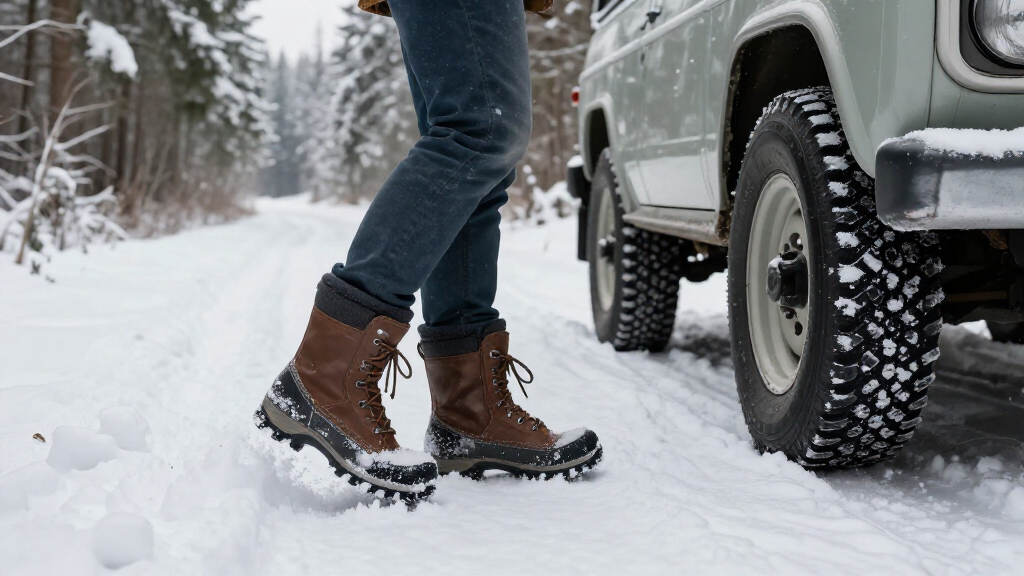
The best winter hiking boots balance warmth, waterproof protection, grip, and hiking comfort without making every step feel bulky. I’d put the Merrell Coldpack 3 Thermo Mid first for its winter-focused design, while the Oboz Bridger 10-Inch Insulated suits hikers who want more coverage and the KEEN Revel III Mid offers a versatile insulated option. The main tradeoff is warmth versus weight and flexibility: heavily insulated boots can feel cumbersome on milder or faster hikes, while lighter models may not be warm enough for long stops in snow. Waterproof membranes help with slush and wet trails, but they cannot replace a fit that leaves room for warm socks and moving toes. Read on for the full comparison, buying advice, and picks for different winter hiking needs.

Get business pricing on garage and car supplies
- Business-only prices and quantity discounts
- Tax-exempt purchasing
- Multiple users, one account, clear invoices
Complete the kit


Key Takeaways
- Merrell Coldpack 3 Thermo Mid is the roundup’s best overall fit for hikers seeking a dedicated balance of insulation, waterproofing, and trail-ready comfort.
- Oboz Bridger 10-Inch Insulated stands apart with taller coverage, which can help in deeper snow but adds bulk compared with mid-height boots.
- KEEN Revel III Mid and KEEN Revel IV High Polar serve different cold-weather needs: a mid-height hiking boot for versatility versus a taller, more winter-specific boot.
- The lineup includes several lighter or less insulated hiking designs, such as the adidas Terrex Skychaser AX5 Mid and Columbia Newton Ridge models; these make more sense for brisk, maintained trails than prolonged exposure to deep cold.
- Multiple NORTIV 8 and XPETI options give buyers varied lightweight and insulated builds, but model names alone do not establish warmth or grip; compare insulation details, fit, and outsole design before choosing.
| Merrell Speed Strike 2 Thermo Mid Waterproof Hiking Boot |  | Best Lightweight Winter Hiker | Shaft height: Ankle | Insulation: 206 g synthetic | Sole material: Rubber | VIEW LATEST PRICE | See Our Full Breakdown |
| Columbia Men’s Firecamp Waterproof Multi-Sport Boots |  | Best for Trail-to-Town Winter Wear | Shaft height: Ankle | Insulation: 200 g | Waterproofing: Omni-Tech seam-sealed construction | VIEW LATEST PRICE | See Our Full Breakdown |
| XPETI Men’s Crest Thermo High-Top Winter Hiking Boots – Waterproof Insulated |  | Best for Snowy, Slippery Trails | Shaft height: 10 inches | Insulation: 200 g polar fleece | Waterproofing: XPETI-Dry membrane | VIEW LATEST PRICE | See Our Full Breakdown |
| Oboz Men’s Bridger 10-Inch Insulated Waterproof Boots |  | Best for Deep-Winter Warmth | Shaft height: 10 inches | Insulation: 400 g Freeze Guard recycled polyester | Upper: Waterproof nubuck leather | VIEW LATEST PRICE | See Our Full Breakdown |
| adidas Men’s Terrex Skychaser AX5 Mid GORE-TEX Hiking Shoes |  | Best for Light Winter Hikes | Fit: Regular | Closure: Lace-up | Upper: Synthetic and textile ripstop with overlays | VIEW LATEST PRICE | See Our Full Breakdown |
| NORTIV 8 Men’s Waterproof Ankle-High Hiking Boots |  | Best for Cushioning on Wet Trails | Sole material: EVA and rubber | Shaft height: Ankle | Shaft circumference: 29.4 cm | VIEW LATEST PRICE | See Our Full Breakdown |
| NORTIV 8 Men’s Waterproof Winter Hiking Boots | 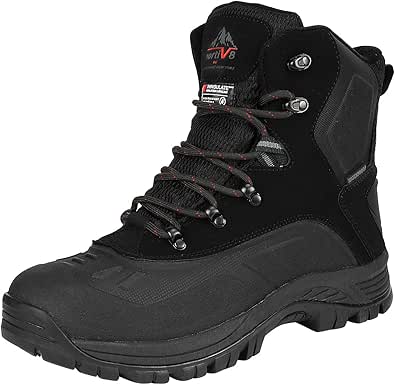 | Best Value for Cold-Weather Basics | Shaft height: Ankle | Shaft circumference: 16 inches | Outer material: Faux leather and mesh | VIEW LATEST PRICE | See Our Full Breakdown |
| KEEN Men’s Revel III Mid Waterproof Insulated Hiking Boots |  | Best for Very Cold Trail Days | Fabric: 100% leather | Sole material: Rubber | Shaft height: 6 inches | VIEW LATEST PRICE | See Our Full Breakdown |
| Merrell Men’s Coldpack 3 Thermo Mid Waterproof Boots |  | Best for Cushioned Winter Walking | Sole material: Rubber | Shaft height: Ankle | Upper: Waterproof full-grain leather and mesh | VIEW LATEST PRICE | See Our Full Breakdown |
| Columbia Men’s Newton Ridge Plus II Waterproof Hiking Boot |  | Best for Mild Winter Trails | Sole material: Rubber | Shaft height: Ankle | Shaft circumference: 1 inch | VIEW LATEST PRICE | See Our Full Breakdown |
| NORTIV 8 Men’s Waterproof Lightweight Hiking Boots |  | Best for Mild Winter Day Hikes | Shaft height: Ankle | Upper: Suede and faux leather | Waterproofing: Waterproof construction | VIEW LATEST PRICE | See Our Full Breakdown |
| KEEN Revel IV High Polar Waterproof Men’s Winter Boot |  | Best for Deep Snow and Severe Cold | Shaft height: Calf high | Waterproofing: KEEN.DRY waterproof breathable membrane | Insulation: KEEN.WARM, rated to -25°F/-32°C | VIEW LATEST PRICE | See Our Full Breakdown |
| Columbia Men’s Transverse Waterproof Hiking Boots |  | Best for Wet, Milder Winter Trails | Shaft height: Ankle | Upper: Leather and mesh | Waterproofing: Omni-Tech waterproof, breathable, seam-sealed construction | VIEW LATEST PRICE | See Our Full Breakdown |
| XPETI Men’s Thermator Mid-Rise Lightweight Insulated Hiking Boots |  | Best for Aggressive Trail Grip | Boot height: Mid-rise | Waterproofing: XPETI-DRY membrane | Outsole lug depth: 7mm | VIEW LATEST PRICE | See Our Full Breakdown |
| Columbia Men’s Newton Ridge Plus II Suede Waterproof Hiking Boot |  | Best for Adjustable Fit on Mixed Terrain | Upper materials: Waterproof suede and leather | Construction: Seam-sealed | Closure: Lace-up | VIEW LATEST PRICE | See Our Full Breakdown |
| winter hiking boot | Shaft height | Sole material | Waterproofing | Insulation |
|---|---|---|---|---|
| Merrell Speed Strike 2 Thermo | Ankle | Rubber | Waterproof membrane | 206 g synthetic |
| Columbia Men’s Firecamp Waterp | Ankle | Rubber | Omni-Tech seam-sealed construction | 200 g |
| XPETI Men’s Crest Thermo High- | 10 inches | — | XPETI-Dry membrane | 200 g polar fleece |
| Oboz Men’s Bridger 10-Inch Ins | 10 inches | Rubber | B-DRY membrane with DWR-treated upper | 400 g Freeze Guard recycled polyester |
| adidas Men’s Terrex Skychaser | — | — | — | PrimaLoft |
| NORTIV 8 Men’s Waterproof Ankl | Ankle | EVA and rubber | — | — |
| NORTIV 8 Men’s Waterproof Wint | Ankle | — | — | 200 g |
| KEEN Men’s Revel III Mid Water | 6 inches | Rubber | KEEN.DRY waterproof, breathable membrane | KEEN.WARM, rated to -25°F/-32°C |
| Merrell Men’s Coldpack 3 Therm | Ankle | Rubber | Waterproof membrane | 200 g synthetic insulation |
| Columbia Men’s Newton Ridge Pl | Ankle | Rubber | — | — |
| NORTIV 8 Men’s Waterproof Ligh | Ankle | EVA and rubber | Waterproof construction | — |
| KEEN Revel IV High Polar Water | Calf high | — | KEEN.DRY waterproof breathable membrane | KEEN.WARM, rated to -25°F/-32°C |
| Columbia Men’s Transverse Wate | Ankle | Rubber | Omni-Tech waterproof, breathable, seam-sealed construction | — |
| XPETI Men’s Thermator Mid-Rise | — | Rubber | XPETI-DRY membrane | — |
| Columbia Men’s Newton Ridge Pl | — | Rubber | — | — |
More Details on Our Top Picks
Merrell Speed Strike 2 Thermo Mid Waterproof Hiking Boot
The Speed Strike 2 Thermo Mid suits hikers who want insulation and waterproof protection without a tall, heavy winter boot. Its 206 g synthetic insulation and ankle-height cut make it a more mobile choice than the high-cuff Oboz Bridger 10-Inch, which is built for deeper cold and snow. The waterproof membrane is designed to let moisture escape, while coated leather, ripstop, and reinforced heel and toe areas help protect against wet trail contact and abrasion. That mix makes this Merrell a practical pick for maintained winter paths and everyday cold-weather walks. The tradeoff is limited snow coverage: its short shaft offers less protection when snow is deep, and the supplied details do not specify a temperature rating or winter-specific lug design.
Pros:- Waterproof membrane is designed to let internal moisture escape
- 206 g synthetic insulation adds warmth without a tall, bulky build
- Coated leather and ripstop upper with protective heel and toe caps
- Rubber outsole provides trail traction
Cons:- Ankle-height shaft leaves less protection in deep snow
- No temperature rating or winter-specific outsole details are provided
Best for: Hikers on maintained, mostly shallow-snow trails who want a lighter insulated boot for winter walks and day hikes.
Not ideal for: People hiking through deep snow or facing severe cold who need a tall cuff, a stated cold rating, or heavier insulation.
- Shaft height:Ankle
- Insulation:206 g synthetic
- Sole material:Rubber
- Upper:Coated leather and ripstop
- Waterproofing:Waterproof membrane
- Protection:Protective heel and toe caps
- Origin:Imported
Our verdict“Choose the Speed Strike 2 Thermo Mid for lighter winter hikes on shallow-snow trails; pick the taller Oboz Bridger for deeper snow and colder conditions.”
Columbia Men’s Firecamp Waterproof Multi-Sport Boots
The Firecamp Waterproof Multi-Sport Boot is geared toward people who split time between winter trails and everyday errands. Its 200 g insulation, seam-sealed Omni-Tech construction, and lightweight Techlite cushioning make it a more casual, multi-use choice than the rugged, deep-lugged XPETI Crest Thermo. The Omni-Grip rubber outsole is described for traction across wet and dry surfaces, which fits mixed daily use, while the Cordura textile and leather upper keeps the build lighter than a heavy insulated boot. That versatility has limits for hiking: the ankle-height shaft gives less snow protection than the XPETI or the 10-inch Oboz, and the supplied details do not call out a cold rating or winter-specific outsole compound. I would choose it for moderate winter conditions, not prolonged travel through deep snow.
Pros:- Seam-sealed Omni-Tech construction is waterproof and breathable
- 200 g insulation adds warmth in cold-weather use
- Omni-Grip rubber outsole is designed for wet and dry multi-terrain traction
- Techlite cushioning and textile-leather upper support a lighter feel
Cons:- Ankle-height shaft offers limited coverage in deep snow
- No temperature rating or winter-specific traction details are provided
Best for: Commuters and casual hikers who want one insulated waterproof boot for town walks and occasional maintained winter trails.
Not ideal for: Hikers regularly crossing deep snow or icy, rugged terrain who need a tall shaft, aggressive winter lugs, or a stated cold rating.
- Shaft height:Ankle
- Insulation:200 g
- Waterproofing:Omni-Tech seam-sealed construction
- Outer material:Leather and Cordura textile
- Sole material:Rubber
- Cushioning:Techlite
- Outsole:Omni-Grip
- Origin:Imported
Our verdict“Pick the Firecamp for moderate winter walks and everyday wear, while the XPETI Crest Thermo is better suited to deeper snow and more demanding traction needs.”
XPETI Men’s Crest Thermo High-Top Winter Hiking Boots – Waterproof Insulated
For hikers who put snow coverage and grip ahead of a low-profile feel, the XPETI Crest Thermo makes a strong case. Its 10-inch shaft and stated rating to -13°F/-25°C target harsher conditions than the ankle-height Columbia Firecamp. Underfoot, the 7 mm multi-directional lugs are designed to bite into slippery terrain, while the molded TPU side stabilizer and nylon shank add structure for uneven ground. A waterproof membrane and 200 g polar fleece insulation round out its cold-weather focus. The tradeoff is a more specialized, higher-cut boot: the fast toggle closure may not suit hikers who prefer traditional laces, and the rubber upper may breathe less than the textile and leather builds used by alternatives such as the Firecamp. Its tall construction can also feel excessive for mild-weather walks.
Pros:- Rated to -13°F/-25°C for cold-weather use
- 10-inch shaft offers more snow coverage than ankle-height alternatives
- 7 mm multi-directional lugs are designed for slippery terrain
- Waterproof membrane, polar fleece insulation, and stabilizing shank support winter hiking
Cons:- Fast toggle lacing may not provide the familiar adjustment of traditional laces
- Rubber upper may be less breathable than textile or leather alternatives
- Tall high-top build can be cumbersome for mild-weather use
Best for: Winter hikers tackling cold, snowy routes who want a tall shaft, a stated low-temperature rating, and aggressive lugs.
Not ideal for: Walkers seeking a breathable, low-cut boot for mild conditions or those who prefer conventional lace adjustment.
- Shaft height:10 inches
- Insulation:200 g polar fleece
- Waterproofing:XPETI-Dry membrane
- Outsole:XPETI-GRIP rubber
- Lug depth:7 mm multi-directional lugs
- Stability:Molded TPU side stabilizer and nylon shank
- Closure:Fast toggle lacing
Our verdict“Choose the Crest Thermo for cold hikes in deep or slippery snow; the Columbia Firecamp is a more versatile, lower-cut option for town and milder trails.”
Oboz Men’s Bridger 10-Inch Insulated Waterproof Boots
The Oboz Bridger 10-Inch is the most warmth-focused option in this batch, with 400 g recycled polyester insulation, a thermal footbed with a reflective Mylar layer, and a tall cuff for snowy conditions. Those choices give it a clear role beside the lighter Merrell Speed Strike 2 Thermo Mid, which has less insulation and an ankle-height cut better suited to shallower snow. Waterproof nubuck leather and a breathable B-DRY membrane help manage wet conditions, while the supportive Trail Chassis and winter-specific rubber compound with deep lugs target longer outings on cold terrain. The main compromise is its narrow seasonal window: this much insulation can feel too warm in mild weather, and the supplied details do not include a temperature rating or boot weight. It is a cold-weather specialist rather than an all-season hiker.
Pros:- 400 g recycled polyester insulation targets colder conditions
- 10-inch height offers more coverage in snow than mid or ankle-height boots
- B-DRY membrane and waterproof nubuck leather protect against wet conditions
- Thermal footbed, supportive Trail Chassis, and deep-lug winter outsole support cold hikes
Cons:- High insulation can be excessive for mild weather or high-output hikes
- No temperature rating or boot weight is provided
Best for: Hikers who spend long outings in deep winter conditions and prioritize warmth, support, and a tall protective cuff.
Not ideal for: People who mostly hike in mild temperatures or want a lightweight boot for year-round trail use.
- Shaft height:10 inches
- Insulation:400 g Freeze Guard recycled polyester
- Upper:Waterproof nubuck leather
- Waterproofing:B-DRY membrane with DWR-treated upper
- Footbed:Triple-density EVA with reflective Mylar layer
- Midsole:KINERTIA cushioning with supportive Trail Chassis
- Traction:Winter-specific rubber compound with deep lugs
- Sole material:Rubber
Our verdict“Choose the Bridger for extended hikes in deep winter conditions; the Merrell Speed Strike 2 Thermo Mid is a lighter match for shallow snow and milder days.”
adidas Men’s Terrex Skychaser AX5 Mid GORE-TEX Hiking Shoes
The Terrex Skychaser AX5 Mid is aimed at hikers who want warmth in a lighter package for easier snowy trails. Its PrimaLoft insulation, CLIMAWARM+ technology, and LIGHTMOTION cushioning favor comfortable movement over the heavier protection of the Oboz Bridger 10-Inch, which has 400 g insulation and a tall cuff for deeper winter conditions. A ripstop upper with overlays and a rugged rubber outsole provide a practical mix for varied terrain, but the product details describe it primarily for light hiking in snow. That makes this adidas a better fit for short outings and maintained paths than demanding routes or prolonged exposure to severe cold. The listed specs do not include an insulation weight, temperature rating, or explicit waterproof construction details, so buyers seeking those assurances may prefer a more fully specified winter boot.
Pros:- PrimaLoft insulation and CLIMAWARM+ technology are designed for warmth
- LIGHTMOTION cushioning supports a lightweight feel
- Ripstop upper with overlays adds durable trail coverage
- Rubber outsole is designed for traction across varied terrain
Cons:- Positioned primarily for light hiking in snowy conditions
- No insulation weight or temperature rating is provided
- Supplied specs do not detail an explicit waterproof membrane
Best for: Hikers on maintained snowy paths who want a mid-height, insulated shoe with lightweight cushioning for shorter outings.
Not ideal for: People planning long hikes in deep snow or severe cold who need a stated temperature rating, heavy insulation, or a tall cuff.
- Fit:Regular
- Closure:Lace-up
- Upper:Synthetic and textile ripstop with overlays
- Lining:Textile
- Insulation:PrimaLoft
- Warmth technology:CLIMAWARM+
- Cushioning:LIGHTMOTION
- Sole:Rubber
Our verdict“Choose the Skychaser AX5 Mid for lighter snowy walks and maintained trails; the Oboz Bridger is better equipped for colder, deeper winter hikes.”
NORTIV 8 Men’s Waterproof Ankle-High Hiking Boots
Removable shock-absorbing insoles and a flexible EVA midsole make this NORTIV 8 a sensible choice for hikers who want comfort on damp, mixed terrain. Its waterproof build and rubber outsole address wet ground, but the product details do not specify insulation, so I would rank it below the NORTIV 8 Men’s Waterproof Winter Hiking Boots for cold-weather warmth. Compared with that insulated model, this pair is better suited to milder winter walks where cushioning and versatility matter more than heat retention. The ankle-height shaft also leaves more of the lower leg exposed than taller options such as the KEEN Men’s Revel III Mid. Choose it for flexible support and removable insoles; skip it for prolonged outings in deep snow or severe cold.
Pros:- Removable shock-absorbing insoles allow the footbed to be taken out
- Flexible EVA midsole cushions steps
- Rubber outsole is intended to grip wet and muddy surfaces
- Waterproof construction suits damp trails
Cons:- No insulation is specified for cold-weather hikes
- Ankle-height shaft offers less snow protection than mid-height boots
- The product details do not specify a temperature rating
Best for: Hikers on maintained, wet trails in milder winter conditions who value cushioned, removable insoles.
Not ideal for: Hikers tackling deep snow or sustained subfreezing conditions who need specified insulation and more leg coverage.
- Sole material:EVA and rubber
- Shaft height:Ankle
- Shaft circumference:29.4 cm
- Outer material:Nylon and faux leather
- Waterproof:Yes
- Insole:Removable, shock-absorbing
Our verdict“Pick this NORTIV 8 for cushioned walks on wet, relatively mild winter trails; choose an insulated boot for colder outings.”
NORTIV 8 Men’s Waterproof Winter Hiking Boots
200 g insulation, waterproof construction and windproof toe caps give this ankle boot a clear cold-weather focus. Its stated warmth down to -25°F makes it a more winter-ready choice than the uninsulated NORTIV 8 Men’s Waterproof Ankle-High Hiking Boots. The removable, washable insole is a practical plus for hikers who expect damp socks or frequent use. Compared with the taller KEEN Men’s Revel III Mid, this model offers less shaft coverage, which can leave snow and cold more of a concern around the ankle. Its slip- and abrasion-resistant rubber outsole is designed for varied outdoor ground, but the provided details do not describe a dedicated ice traction system. I would choose it for cold, everyday trail outings where warmth and easy-clean care matter more than extra height.
Pros:- 200 g insulation is specified for cold-weather use
- Waterproof construction and windproof toe caps help shield feet
- Removable insole is washable
- Rubber outsole is slip- and abrasion-resistant
Cons:- Ankle-height shaft provides less snow coverage than mid-height options
- No dedicated ice traction system is specified
- The product details do not specify a breathable waterproof membrane
Best for: Hikers seeking an insulated, waterproof ankle boot for cold walks and variable outdoor terrain.
Not ideal for: Snowshoe hikers or people crossing deep snow who need a taller shaft and more lower-leg coverage.
- Shaft height:Ankle
- Shaft circumference:16 inches
- Outer material:Faux leather and mesh
- Insulation:200 g
- Insole:Removable and washable
- Outsole:Slip- and abrasion-resistant rubber
Our verdict“Choose this pair for insulated, waterproof comfort on cold hikes when ankle-height coverage is enough.”
KEEN Men’s Revel III Mid Waterproof Insulated Hiking Boots
The KEEN.WARM insulation rating of -25°F/-32°C gives this boot a stronger cold-weather case than the NORTIV 8 Men’s Waterproof Ankle-High Hiking Boots, which list no insulation. A six-inch shaft, KEEN.DRY waterproof breathable membrane and ALL-TERRAIN rubber outsole make it a more trail-focused winter option than an ankle boot with basic wet-weather protection. The stability shank and cushioned collar are aimed at uneven ground, where a steadier underfoot feel can matter over longer walks. Compared with the insulated NORTIV 8 Men’s Waterproof Winter Hiking Boots, the Revel III specifies a breathable membrane and greater shaft height, though those details alone do not establish better warmth or grip. Its leather upper calls for care, and this is a more structured choice than a casual winter boot.
Pros:- KEEN.WARM insulation is rated to -25°F/-32°C
- KEEN.DRY membrane is waterproof and breathable
- Six-inch shaft gives more coverage than ankle-height options
- Stability shank and ALL-TERRAIN rubber outsole suit uneven ground
Cons:- Leather upper may need care to stay clean
- No insulation weight is specified
- No dedicated ice traction feature is listed
Best for: Cold-weather hikers who want a mid-height waterproof boot with specified insulation and support for uneven trails.
Not ideal for: Walkers who prefer a low-maintenance synthetic upper or need a boot described with an ice-specific traction system.
- Fabric:100% leather
- Sole material:Rubber
- Shaft height:6 inches
- Insulation:KEEN.WARM, rated to -25°F/-32°C
- Waterproofing:KEEN.DRY waterproof, breathable membrane
- Lining:Breathable mesh
- Outsole:KEEN ALL-TERRAIN rubber
- Origin:Made in the USA and imported
Our verdict“Choose the Revel III for cold, uneven trails where mid-height coverage and a stated insulation rating are priorities.”
Merrell Men’s Coldpack 3 Thermo Mid Waterproof Boots
SOLARCORE Aerogel insulation underfoot sets the Coldpack 3 apart from the KEEN Men’s Revel III Mid, whose listed strengths center on a cold-rated insulation system and trail stability. Merrell pairs its Aerogel insole with 200 g synthetic insulation and a fleece lining, targeting warmth around the foot as well as on top. The waterproof leather-and-mesh upper and membrane add wet-weather protection, while Merrell Air Cushion in the heel is intended to absorb impact and add stability. Compared with the NORTIV 8 Men’s Waterproof Winter Hiking Boots, the Coldpack offers a specified Aerogel insole and heel cushioning, but its details give no temperature rating. I would favor it for cold walks where underfoot comfort is a priority; hikers choosing by a stated extreme-cold rating may prefer the KEEN.
Pros:- 200 g synthetic insulation and fleece lining add warmth
- SOLARCORE Aerogel insole provides flexible underfoot insulation
- Waterproof leather-and-mesh upper includes a waterproof membrane
- Air Cushion heel is designed to absorb shock and add stability
Cons:- No temperature rating is specified
- Shaft height is listed only as ankle
- No ice-specific outsole feature is described
Best for: Winter walkers who want insulated, waterproof footwear with added underfoot cushioning for everyday trails.
Not ideal for: Hikers who need a stated temperature rating or a specified taller shaft for deep snow.
- Sole material:Rubber
- Shaft height:Ankle
- Upper:Waterproof full-grain leather and mesh
- Insulation:200 g synthetic insulation
- Lining:Fleece
- Insole:SOLARCORE Aerogel
- Heel cushioning:Merrell Air Cushion
- Waterproofing:Waterproof membrane
Our verdict“Pick the Coldpack 3 for cushioned, insulated wet-weather walks when a stated temperature rating is not a requirement.”
Columbia Men’s Newton Ridge Plus II Waterproof Hiking Boot
Waterproof leather-and-mesh construction and Columbia’s Omni-Grip outsole make the Newton Ridge Plus II a reasonable pick for wet, rough trails in milder winter weather. Its lightweight midsole is designed for cushioning and energy return, while the lace-up closure lets the wearer adjust the fit. But the product details list no insulation, so this boot is less suited to cold, snowy hikes than the Merrell Men’s Coldpack 3 Thermo Mid, which specifies 200 g insulation and a fleece lining. The ankle-height shaft also provides less coverage than the six-inch KEEN Men’s Revel III Mid. I would place the Columbia here for hikers who prioritize waterproofing, traction and an adjustable fit over warmth. For winter conditions with prolonged snow or low temperatures, I would choose an insulated model instead.
Pros:- Waterproof full-grain leather and mesh upper
- Omni-Grip rubber outsole is designed for traction on varied terrain
- Lightweight midsole provides cushioning and energy return
- Lace-up closure allows fit adjustment
Cons:- No insulation is specified
- Ankle-height shaft offers less coverage than mid-height boots
- No temperature rating is provided
Best for: Hikers on wet, rocky or muddy trails in milder winter conditions who want a lightweight, adjustable boot.
Not ideal for: Cold-weather hikers who need built-in insulation or added shaft coverage for snow.
- Sole material:Rubber
- Shaft height:Ankle
- Shaft circumference:1 inch
- Waterproof:Yes
- Closure:Lace-up
- Outer material:Full-grain leather and mesh
- Traction system:Omni-Grip
- Origin:Imported
Our verdict“Choose the Newton Ridge Plus II for waterproof traction on milder winter trails, and select an insulated boot for cold or snowy routes.”
NORTIV 8 Men’s Waterproof Lightweight Hiking Boots
Lightweight ankle-height coverage makes this NORTIV 8 a practical choice for maintained trails, damp paths, and everyday outdoor wear. Its waterproof construction, protective toe cap, and reinforced heel help with wet ground and trail knocks, while the removable cushioned insole lets buyers adjust the fit. Compared with the KEEN Revel IV High Polar, it is less suited to deep snow or severe cold: the supplied details list no insulation and its ankle shaft offers less snow coverage. The rubber outsole has multidirectional traction, but no lug depth or ice-specific design is given, so I would reserve it for moderate conditions rather than slick winter routes. It trades dedicated cold-weather protection for a lighter, more versatile boot.
Pros:- Waterproof construction helps protect against wet trail conditions.
- Ankle-height design suits everyday wear and moderate hikes.
- Protective toe cap and reinforced heel add coverage against trail knocks.
- Removable cushioned insole and shock-absorbing midsole support comfort.
Cons:- No insulation is specified for cold-weather hikes.
- Ankle shaft offers less snow protection than the KEEN Revel IV High Polar.
- No lug depth or ice-specific outsole feature is provided.
Best for: Hikers on maintained, mostly snow-free winter trails who want waterproof ankle boots for outdoor chores and everyday wear.
Not ideal for: Hikers crossing deep snow or spending long periods in severe cold, since no insulation or high shaft is specified.
- Shaft height:Ankle
- Upper:Suede and faux leather
- Waterproofing:Waterproof construction
- Sole material:EVA and rubber
- Outsole:Rubber with multidirectional traction
- Insole:Flexible and removable
Our verdict“Choose this for damp, moderate winter walks and everyday use, but look to an insulated high-shaft boot for deep snow or sustained cold.”
KEEN Revel IV High Polar Waterproof Men’s Winter Boot
For winter hikes where snow depth and cold matter more than a light feel, the KEEN Revel IV High Polar is the most purpose-built option in this batch. Its calf-high shaft, KEEN.WARM insulation rated to -25°F/-32°C, and waterproof breathable membrane offer more cold and snow coverage than the ankle-height Columbia Men’s Transverse. The KEEN.FREEZE outsole’s 5mm multidirectional lugs are also specified for snow and ice, giving buyers a clearer traction case than boots whose outsole details are less specific. That protection comes with tradeoffs: the traditional wider KEEN fit may leave narrow feet feeling less secure, and leather needs spot cleaning and care. I’d favor it for cold, snowy outings, while choosing a lower, lighter boot for milder trails.
Pros:- Calf-high shaft offers more snow coverage than ankle-height hiking boots.
- KEEN.WARM insulation is rated to -25°F/-32°C.
- KEEN.FREEZE rubber outsole has 5mm multidirectional lugs for snow and ice.
- KEEN.DRY membrane combines waterproofing with breathability.
Cons:- Traditional wider KEEN fit may not suit narrow feet.
- Leather needs careful maintenance and spot cleaning.
- More insulation and shaft coverage may feel excessive on mild hikes.
Best for: Winter hikers with wider feet who regularly encounter deep snow, icy trails, and sustained subfreezing temperatures.
Not ideal for: Hikers with narrow feet or those who mostly walk in mild conditions and prefer a lower, less insulated boot.
- Shaft height:Calf high
- Waterproofing:KEEN.DRY waterproof breathable membrane
- Insulation:KEEN.WARM, rated to -25°F/-32°C
- Outsole:KEEN.FREEZE rubber with 5mm multidirectional lugs
- Upper:Waterproof leather and performance mesh
- Fit:Traditional wider KEEN fit
- Support:External stability shank and cushioned collar
Our verdict“Pick this for cold, snowy hikes where shaft coverage, insulation, and specified ice traction outweigh a wide fit and leather upkeep.”
Columbia Men’s Transverse Waterproof Hiking Boots
The Columbia Men’s Transverse suits hikers who value a waterproof, breathable build and lightweight cushioning on moderate trails. Its seam-sealed Omni-Tech construction addresses wet conditions, while TechLite cushioning absorbs impact without the specified insulation and high shaft of the KEEN Revel IV High Polar. That makes the Transverse a more natural fit for damp, changeable walks than for extended exposure to deep snow or severe cold; its product details describe suitability for moderate rain and snow. Omni-Grip traction is listed for multiple surfaces, though no lug depth or ice-specific design is supplied. I’d choose it for a lighter-feeling trail boot in wet weather, and skip it when warmth and snow coverage are the main requirements.
Pros:- Seam-sealed Omni-Tech construction is waterproof and breathable.
- TechLite cushioning absorbs impact and offers energy return.
- Omni-Grip outsole is designed for multi-terrain traction.
- Leather and mesh upper balances durable materials with a mesh panel.
Cons:- Specified for moderate rain and snow, limiting its case for harsher winter conditions.
- No insulation is listed for sustained cold.
- Ankle shaft provides less snow coverage than the KEEN Revel IV High Polar.
Best for: Hikers who walk maintained trails in moderate rain, slush, or light snow and prioritize breathable waterproofing with lightweight cushioning.
Not ideal for: People hiking in deep snow or severe cold who need insulation, a higher shaft, or specified ice-focused traction.
- Shaft height:Ankle
- Upper:Leather and mesh
- Waterproofing:Omni-Tech waterproof, breathable, seam-sealed construction
- Cushioning:TechLite lightweight impact absorption with energy return
- Traction:Omni-Grip multi-terrain outsole
- Sole material:Rubber
Our verdict“Choose the Transverse for wet, moderate winter trails and lightweight cushioning, but choose an insulated high-shaft boot for deep snow or severe cold.”
XPETI Men’s Thermator Mid-Rise Lightweight Insulated Hiking Boots
When winter routes turn muddy or uneven, the XPETI Thermator puts the emphasis on grip and underfoot support. Its 7mm multidirectional lugs give buyers a specific traction detail, and the XPETI-DRY membrane and rubber toe cap add wet-weather and impact protection. The integrated EVA midsole is described as remaining sturdy under load, a useful contrast with the lightweight cushioning focus of the Columbia Men’s Transverse. The Thermator is mid-rise and described as insulated, but the supplied specs give no temperature rating; its mesh lining may also provide less warmth than a fully insulated boot such as the KEEN Revel IV High Polar in severe cold. I’d pick it for demanding mixed-terrain outings where grip matters, while treating deep-freeze warmth as uncertain.
Pros:- 7mm multidirectional lugs provide a specified aggressive tread depth.
- XPETI-DRY membrane helps keep feet dry in mud and snow.
- Integrated EVA midsole is described as sturdy under load.
- Rubber toe cap protects against impacts.
Cons:- No insulation temperature rating is provided.
- Mesh lining may be less warm than a fully insulated boot in extreme cold.
- Mid-rise shaft offers less snow coverage than the KEEN Revel IV High Polar.
Best for: Hikers and campers on muddy, uneven winter trails who want deep-lug traction, a protective toe cap, and support under a pack.
Not ideal for: People spending hours in severe cold who need a clearly stated insulation rating or the higher snow coverage of a calf-high boot.
- Boot height:Mid-rise
- Waterproofing:XPETI-DRY membrane
- Outsole lug depth:7mm
- Midsole:Integrated EVA
- Inner material:Mesh
- Closure:Lace-up
- Sole material:Rubber
Our verdict“Choose the Thermator for mixed, muddy winter trails where deep lugs and support under load matter more than a proven severe-cold rating.”
Columbia Men’s Newton Ridge Plus II Suede Waterproof Hiking Boot
The Columbia Men’s Newton Ridge Plus II Suede Waterproof Hiking Boot is the fit-adjustable choice here: its lace-up closure lets hikers tune the hold, while seam-sealed suede and leather help keep out rain and puddle splash. Columbia’s dual-zone winter tread gives it a more winter-focused traction description than the standard multi-terrain grip listed for the Columbia Men’s Transverse. Still, the supplied information lists no insulation or temperature rating, and its shaft height is not specified, so I would not treat it as a deep-snow or severe-cold specialist. The lightweight cushioned midsole favors comfort across varied terrain, but buyers seeking warmth should compare it with the insulated KEEN Revel IV High Polar. This pick makes the most sense when adjustable fit and wet-weather protection lead the decision.
Pros:- Seam-sealed waterproof suede and leather help guard against rain and puddles.
- Lace-up closure allows fit adjustment.
- Dual-zone winter tread is specified for snow and varied terrain.
- Lightweight cushioned midsole supports comfort on the trail.
Cons:- No insulation or temperature rating is specified.
- Shaft height is not provided in the supplied details.
- Less clearly suited to severe cold than the insulated KEEN Revel IV High Polar.
Best for: Hikers who want a lace-adjustable waterproof boot for varied, wet trails with some snow and value a cushioned, lightweight feel.
Not ideal for: Winter hikers facing deep snow or prolonged severe cold who need a stated shaft height, insulation rating, and greater coverage.
- Upper materials:Waterproof suede and leather
- Construction:Seam-sealed
- Closure:Lace-up
- Traction:Omni-Grip multi-terrain outsole with dual-zone winter tread
- Sole material:Rubber
- Cushioning:Lightweight cushioned midsole
- Origin:Imported
Our verdict“Choose this for adjustable fit and wet-weather hiking with some snow, but look to an insulated high-shaft boot for deep winter conditions.”
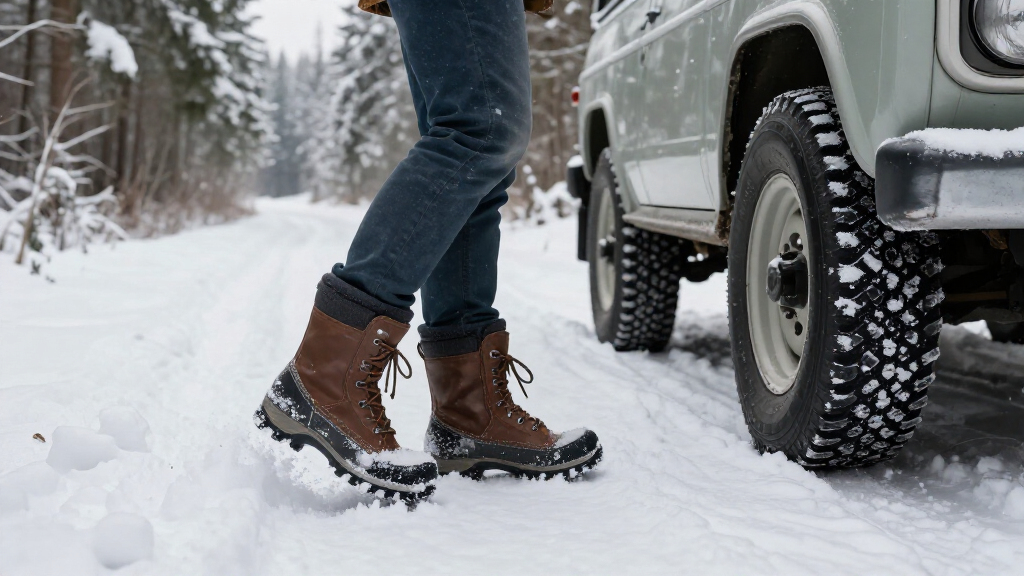
How We Picked
I ranked these boots around the demands of winter hiking: keeping feet warm and dry, maintaining stable footing, and remaining comfortable over a full outing. I gave more weight to models explicitly built with insulation and waterproof protection than to general waterproof hikers, since wet-weather protection alone does not provide warmth during cold stops. Height, likely bulk, and flexibility also shaped the order because they affect snow coverage, stride comfort, and how well a boot suits changing trail conditions.
Within that framework, the Merrell Coldpack 3 Thermo Mid leads as a balanced winter-oriented choice, while the taller Oboz Bridger 10-Inch and KEEN Revel IV High Polar better serve deeper-snow needs. The KEEN Revel III Mid offers a more versatile insulated middle ground. Waterproof hiking models without a clearly winter-focused build rank lower for cold, snowy outings, though they can suit mild winter walks. I also considered fit implications, maintenance, and versatility; listed features do not substitute for trying boots on with the socks you plan to wear.
| winter hiking boot | Sole material |
|---|---|
| Merrell Speed Strike 2 Thermo | Rubber |
| Columbia Men’s Firecamp Waterp | Rubber |
| XPETI Men’s Crest Thermo High- | — |
| Oboz Men’s Bridger 10-Inch Ins | Rubber |
| adidas Men’s Terrex Skychaser | — |
| NORTIV 8 Men’s Waterproof Ankl | EVA and rubber |
| NORTIV 8 Men’s Waterproof Wint | — |
| KEEN Men’s Revel III Mid Water | Rubber |
| Merrell Men’s Coldpack 3 Therm | Rubber |
| Columbia Men’s Newton Ridge Pl | Rubber |
| NORTIV 8 Men’s Waterproof Ligh | EVA and rubber |
| KEEN Revel IV High Polar Water | — |
| Columbia Men’s Transverse Wate | Rubber |
| XPETI Men’s Thermator Mid-Rise | Rubber |
| Columbia Men’s Newton Ridge Pl | Rubber |
Factors to Consider When Choosing Best Winter Hiking Boots
Choosing winter boots starts with matching the boot to your actual outings, rather than assuming the warmest or tallest option is best. These factors can help you judge whether you need a dedicated insulated boot, a lighter waterproof hiker, or something between the two.
Match insulation to how long you’ll be outside
Think about both moving time and the pauses in your hike. A brisk walk on a maintained trail generates heat, while navigation breaks, lunch stops, and slow travel can leave feet cold even when the air temperature seems manageable. Insulation is useful for those colder, slower outings, but a heavily insulated boot can feel too warm on mild days or steep climbs. Check the manufacturer’s insulation information instead of relying on words like “winter” in a product name. If your plans span a wide range of temperatures, a moderately insulated boot paired with suitable socks may offer more flexibility. For very cold conditions, plan for the full system, including socks and room to move your toes.
Treat fit as part of your warmth plan
Winter socks take up space, and feet can swell over a long hike, so a boot that fits perfectly with thin everyday socks may become restrictive. Tightness around the toes can reduce comfort and make it harder to keep feet warm. Try boots on later in the day with the socks you expect to wear, and check toe room while standing and walking downhill. A heel that lifts excessively can cause rubbing, but over-tightening laces to control it may create pressure elsewhere. Do not assume you need to size up by a fixed amount; last shape and sock thickness vary. Fit should support your foot without compressing it.
Choose height for snow depth and gaiter use
A taller boot can help keep snow from entering over the collar when trails are untracked or drifts are deep. That extra coverage can also mean more material around the ankle and a less nimble feel than a mid-height hiker. On packed trails with shallow snow, gaiters can add protection while letting you use a more flexible boot. Check whether your gaiters attach securely to the boot and whether the collar works comfortably with them. Boot height does not make a model waterproof above its membrane line; deep water or snow can still enter from the top. Base this choice on typical snow depth and trail exposure, not height alone.
Look for traction suited to your route
Winter trails can shift from packed dirt to wet rock, slush, and hard ice within one outing. An outsole designed for hiking may grip well on varied ground but still struggle on smooth ice, so tread appearance alone cannot promise secure footing. Consider the terrain you encounter most, and check whether the boot is compatible with traction aids if icy sections are common. Those aids can improve grip on ice, though they add weight and require practice to fit and use safely. Deep, widely spaced lugs may shed mud and loose snow, while rubber compound and contact with the ground also matter. No boot removes the need to slow down and choose your steps on slick surfaces.
Decide how much waterproofing you need
A waterproof membrane helps with slush, wet snow, and shallow puddles, but it can also limit ventilation compared with a non-waterproof shoe. That tradeoff matters on aerobic hikes, where sweat can make feet damp from the inside. For consistently wet winter trails, waterproof construction is useful; for dry, cold conditions, warmth and moisture management may deserve equal attention. Check the boot’s care instructions and refresh its water-repellent finish when needed, since exterior materials can wet out even when the membrane still works. Also consider where the waterproof barrier ends around the collar. Water entering over the top bypasses the membrane.
Balance weight against support and versatility
Extra insulation, taller uppers, and sturdy construction can add warmth and protection, but they also ask more of your legs over a long route. Lighter boots feel easier to move in and may suit short hikes or milder winter days, yet they can offer less warmth or coverage in severe conditions. If you already own a supportive summer hiking boot, a winter-specific pair can fill a clear seasonal gap. If you want one pair for cool weather across several seasons, a less insulated waterproof model may be more versatile, provided you accept its limits in deep cold. Consider hike length, pack weight, and how often you will use the boots before prioritizing maximum protection.
Frequently Asked Questions
Are waterproof hiking boots warm enough for winter?
Waterproofing blocks outside moisture but does not automatically insulate your feet. A waterproof hiking boot may work for mild winter walks when paired with appropriate socks, but it may feel cold during long pauses or in low temperatures. Look for a clearly stated insulation build if your hikes involve snow, slow travel, or extended stops. Roomy fit matters too, since a tight boot can compress socks and restrict toe movement. Match the boot to the coldest conditions you regularly expect rather than occasional mild days.
Should I choose a mid-height boot or a tall winter boot?
Mid-height boots are often easier to walk in and may be more comfortable for packed trails or mixed conditions. Taller boots can provide more coverage when snow is deep or when you expect to travel off trail, though they may feel heavier and less flexible. Gaiters can bridge some of the difference by covering the gap above a lower boot. They do not make the boot itself waterproof higher up, so avoid wading through snow or water that rises above its collar. Let typical snow depth and your preferred stride guide the choice.
Can I use regular hiking socks with insulated boots?
You can, but the right sock depends on the boot fit and the conditions. A thick sock inside a snug boot may leave too little room for your toes, while a thin sock may not provide enough comfort or warmth for a long cold outing. Try the boot with the socks you plan to wear and check that you can wiggle your toes freely. Avoid assuming that adding more sock layers will solve a boot that fits poorly. For longer hikes, a spare dry pair can be useful if sweat or snow dampens your socks.
Do winter hiking boots provide enough grip on ice?
Some winter hiking outsoles handle snow and mixed trail surfaces better than ordinary hiking soles, but no tread should be assumed to grip reliably on hard, smooth ice. If icy stretches are common on your routes, check whether traction devices can be used with the boot and learn how to fit them before heading out. Traction aids add grip on suitable surfaces, but they do not replace careful foot placement. Be ready to change pace or route when conditions exceed your equipment. Judge grip needs by your actual trails, especially shaded or exposed sections that stay icy.
Is a lighter waterproof hiker a sensible choice for winter?
It can be a good choice for short, active outings on maintained trails in relatively mild conditions. A lighter boot may feel more flexible and less tiring than a bulky insulated model, but waterproof construction alone may not keep feet warm during slow travel or long breaks. Think about how often you stop, the depth of snow, and whether you can add gaiters or suitable socks without making the fit tight. For colder or more exposed routes, a purpose-built insulated option gives you a larger margin for warmth. Choose based on your usual conditions, not the lightest day you might hike.
Conclusion
For a balanced choice, I’d start with the Merrell Coldpack 3 Thermo Mid as the best overall pick for winter-focused hiking. The NORTIV 8 winter hiking models are the value-minded options to compare, though buyers should verify the specific insulation and fit details of each model. For a premium-oriented choice, consider the Oboz Bridger 10-Inch Insulated if you want more coverage and accept added bulk. Beginners who mainly hike maintained, moderately cold trails may prefer a less imposing waterproof option such as the Columbia Newton Ridge Plus II, while recognizing it is not the most winter-specific boot here. For deeper snow, look at the KEEN Revel IV High Polar; for a versatile insulated mid-height boot, compare the KEEN Revel III Mid. Whichever you choose, fit it with your winter socks and match its warmth and height to the conditions you actually hike in.
Fall Picks
fall essentials
As an affiliate, we earn on qualifying purchases.