
The best adventure van book overall is Van Life for Beginners because its broad, entry-level focus makes it the clearest starting point for planning life on four wheels. How to Live in a Van and Travel is better suited to readers focused on campervan or motorhome living, while How to Live in a Car, Van, or RV stands apart for budget-conscious travelers. The other choices serve narrower purposes, including recording Sprinter trips and introducing younger readers to road-based exploration. The main tradeoff is between practical instruction, financial guidance, and inspirational storytelling; none of these books fills every role equally well. Continue reading for the full breakdown and a buyer-focused guide to choosing the right format.

Get business pricing on garage and car supplies
- Business-only prices and quantity discounts
- Tax-exempt purchasing
- Multiple users, one account, clear invoices
Complete the kit


Key Takeaways
- Van Life for Beginners earns the top position because its beginner-friendly scope offers the broadest entry point rather than focusing on one vehicle, region, or travel style.
- How to Live in a Van and Travel is the stronger choice for readers already committed to campervan or motorhome travel, but its narrower lifestyle focus makes it less universal than the overall pick.
- How to Live in a Car, Van, or RV has the clearest money-saving angle and the widest vehicle coverage, making it the roundup’s best value-oriented resource.
- The two TR’s Big Adventure Van titles are story-led choices for families and younger readers, not substitutes for adult trip-planning or vehicle-living manuals.
- Our Super Awesome VanLife Adventure is the only journal-centered option, giving Sprinter owners a place to preserve trips rather than teaching them how to begin van life.
| Van Life for Beginners: The Complete Guide to Freedom on Four Wheels |  | Best Overall Beginner’s Guide | Product type: Van-life guidebook | Primary audience: Beginners | Core topic: Living and traveling on four wheels | VIEW LATEST PRICE | See Our Full Breakdown |
| How to Live in a Van and Travel: Live Everywhere, Be Free, and Have Adventures in a Campervan or Motorhome |  | Best for Long-Term Van Living | Product type: Van-life travel guide | Primary audience: Beginner and experienced travelers | Vehicle coverage: Campervans and motorhomes | VIEW LATEST PRICE | See Our Full Breakdown |
| Our Super Awesome VanLife Adventure (Mercedes Sprinter) | Camper Journal |  | Best Trip-Planning Journal | Product type: Camper travel journal | Vehicle theme: Mercedes Sprinter | Campground logging: Included | VIEW LATEST PRICE | See Our Full Breakdown |
| TR’s Big Adventure Van: Wild Places and Big Discoveries Up Around the Bend |  | Best for Young Explorers | Product type: Illustrated children’s adventure book | Primary audience: Young readers | Story focus: Wild places and discoveries | VIEW LATEST PRICE | See Our Full Breakdown |
| TR’s Big Adventure Van: Exploring North America’s Wild Wonders | 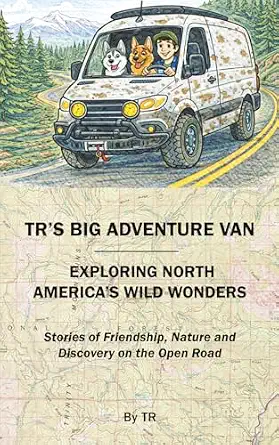 | Best Nature-Themed Adventure | Product type: Adventure-themed book | Geographic focus: North America | Primary theme: Wild natural landscapes | VIEW LATEST PRICE | See Our Full Breakdown |
| How to Live in a Car, Van, or RV: Get Out of Debt, Travel, and Find True Freedom |  | Best for Budget-Focused Van-Life Planning | Product type: Vehicle-living advice book | ASIN: 1479215899 | Primary topic: Living in a car, van, or RV | VIEW LATEST PRICE | See Our Full Breakdown |
| adventure van | Product type | Primary audience |
|---|---|---|
| Van Life for Beginners: The Co | Van-life guidebook | Beginners |
| How to Live in a Van and Trave | Van-life travel guide | Beginner and experienced travelers |
| Our Super Awesome VanLife Adve | Camper travel journal | — |
| TR’s Big Adventure Van: Wild P | Illustrated children’s adventure book | Young readers |
| TR’s Big Adventure Van: Explor | Adventure-themed book | — |
| How to Live in a Car | Vehicle-living advice book | — |
More Details on Our Top Picks
Van Life for Beginners: The Complete Guide to Freedom on Four Wheels
I rank Van Life for Beginners first because it addresses the widest set of decisions facing a new van-life buyer, from budget travel and off-grid living to the realities of leaving a conventional work routine. Compared with How to Live in a Van and Travel, its beginner-first framing makes it easier to approach when the reader has not yet chosen a van, planned a conversion, or estimated ongoing costs. The breadth is also its main limitation: experienced travelers may find some sections too introductory, while readers seeking vehicle dimensions, conversion diagrams, or model-specific advice will need another source. This is a planning guide rather than an adventure van itself, but it earns the lead position by helping newcomers decide whether mobile living fits their finances and expectations before making an expensive commitment.
Pros:- Covers budgeting, off-grid living, and RV adventure planning in one guide
- Beginner-focused structure makes the lifestyle easier to evaluate
- Connects travel freedom with practical financial choices
- Useful before committing money to a van or conversion
Cons:- May lack depth for experienced van-life travelers
- Provides no vehicle-specific specifications or conversion details
- Broad lifestyle coverage may leave specialized questions unanswered
Best for: First-time van-life planners who need broad guidance on budgeting, off-grid living, RV travel, and leaving a fixed-location routine
Not ideal for: Experienced van dwellers seeking advanced conversion plans, vehicle comparisons, or model-specific mechanical guidance
- Product type:Van-life guidebook
- Primary audience:Beginners
- Core topic:Living and traveling on four wheels
- Travel focus:Budget travel and RV adventures
- Lifestyle coverage:Off-grid and mobile living
- Vehicle specifications:Not provided
Our verdict“This is my first choice for newcomers who want to evaluate the costs and realities of van life before choosing an adventure van.”
How to Live in a Van and Travel: Live Everywhere, Be Free, and Have Adventures in a Campervan or Motorhome
How to Live in a Van and Travel takes second place because its emphasis on making a home on wheels better suits readers interested in ongoing nomadic living, not merely occasional road trips. I would choose it over Van Life for Beginners when the decision to travel is already made and the remaining question is how to live comfortably in a campervan or motorhome. It also welcomes readers with some road experience, giving it a broader audience than the beginner-only lead pick. On the other hand, the supplied information gives no edition, format, vehicle specifications, or indication of how deeply individual topics are covered. Buyers seeking a tightly structured first-step roadmap may prefer Van Life for Beginners, while debt reduction is addressed more directly by How to Live in a Car, Van, or RV.
Pros:- Focuses on turning a campervan or motorhome into a livable home
- Applies to both newcomers and travelers with prior experience
- Balances practical travel advice with lifestyle motivation
- Covers exploration as part of sustained mobile living
Cons:- Edition and format information are not supplied
- Offers no model-by-model vehicle or equipment comparisons
- The stated scope does not reveal the depth of its practical guidance
Best for: Aspiring full-time nomads who have committed to mobile living and want practical guidance applicable to campervans and motorhomes
Not ideal for: Vehicle shoppers who need current van specifications, conversion layouts, pricing, or a clearly identified edition and format
- Product type:Van-life travel guide
- Primary audience:Beginner and experienced travelers
- Vehicle coverage:Campervans and motorhomes
- Core topic:Living and traveling in a mobile home
- Edition:Not provided
- Format:Not provided
Our verdict“I recommend this to committed nomads who want lifestyle guidance spanning both campervans and motorhomes rather than a vehicle buyer’s manual.”
Our Super Awesome VanLife Adventure (Mercedes Sprinter) | Camper Journal
I place Our Super Awesome VanLife Adventure third because it serves a narrower but practical role: organizing a trip after the van and route have been chosen. Its pages are intended to capture campgrounds, destinations, costs, activities, and memories, making it more useful for recordkeeping than Van Life for Beginners or How to Live in a Van and Travel. The Mercedes Sprinter theme also gives it a clearer vehicle identity than either guide, although the supplied details do not indicate Sprinter-specific maintenance logs, dimensions, or conversion worksheets. That means owners of other vans may find the branding less relevant, and buyers still comparing adventure vans will gain little decision support. Compared with TR’s Big Adventure Van titles, this journal favors active trip organization over illustrated entertainment, so it belongs with travelers rather than young readers.
Pros:- Combines practical trip records with personal memory keeping
- Tracks campground information, destinations, activities, and costs
- Mercedes Sprinter theme suits owners enthusiastic about that platform
- Compact journal format is suited to travel
Cons:- Does not provide guidance for choosing or converting a van
- Sprinter branding may feel mismatched for owners of other vehicles
- No dedicated maintenance or technical-log features are specified
Best for: Mercedes Sprinter travelers who want one portable place to track campgrounds, spending, activities, destinations, and trip memories
Not ideal for: Shoppers comparing vans or travelers who need Sprinter maintenance schedules, conversion diagrams, or digital trip-planning tools
- Product type:Camper travel journal
- Vehicle theme:Mercedes Sprinter
- Campground logging:Included
- Cost tracking:Included
- Activity and destination records:Included
- Portability:Compact and portable
Our verdict“This is my pick for Sprinter travelers who need an analog trip organizer, not buyers deciding which adventure van to purchase.”
TR’s Big Adventure Van: Wild Places and Big Discoveries Up Around the Bend
TR’s Big Adventure Van: Wild Places and Big Discoveries Up Around the Bend earns fourth place as the lineup’s clearest choice for children. I see its value in encouraging curiosity about wild places through stories and colorful illustrations, rather than teaching adults how to select, equip, or live in an adventure van. Compared with Exploring North America’s Wild Wonders, this title appears more focused on discovery around each bend than on a continent-wide tour, which may make it the friendlier choice for young readers drawn to story-led exploration. Its drawbacks are substantial within a buying guide: no recommended age, reading level, page count, or detailed content outline is supplied. Parents seeking practical family road-trip advice should choose Van Life for Beginners instead, while children who prefer geography-centered journeys may favor the other TR title.
Pros:- Uses adventure storytelling to encourage curiosity about nature
- Vibrant illustrations can engage visually oriented young readers
- Wild-place theme connects van travel with outdoor discovery
- Offers a child-focused role absent from the practical guides
Cons:- No recommended age or reading level is provided
- Contains no practical guidance for selecting or operating a van
- Page count and detailed story coverage are not supplied
Best for: Parents, grandparents, and educators seeking an illustrated adventure-van story that encourages younger readers to explore nature
Not ideal for: Adults who need vehicle-buying advice, family road-trip logistics, or a book with a confirmed age and reading-level recommendation
- Product type:Illustrated children’s adventure book
- Primary audience:Young readers
- Story focus:Wild places and discoveries
- Illustrations:Vibrant illustrations
- Recommended age:Not provided
- Page count:Not provided
Our verdict“I would choose this for a young reader who wants an illustrated discovery story rather than factual advice about buying an adventure van.”
TR’s Big Adventure Van: Exploring North America’s Wild Wonders
I rank TR’s Big Adventure Van: Exploring North America’s Wild Wonders fifth because its appeal rests on a specific theme—North American landscapes and outdoor exploration—rather than practical van-life instruction. Compared with Wild Places and Big Discoveries Up Around the Bend, it offers the clearer geographic hook and makes more sense for readers who want a nature-centered journey across the continent. The supplied description mentions comfort and convenience for long trips, yet it provides no vehicle amenities, dimensions, mechanical data, or other evidence that this is an actual van listing; I treat it as a book, consistent with its title and place in this batch. That ambiguity lowers its ranking. It may inspire destinations, but How to Live in a Van and Travel is much better suited to planning life on the road, while the other TR title appears more directly shaped for story-driven young readers.
Pros:- Uses North America’s natural landscapes as a distinct travel theme
- Connects road travel with outdoor exploration
- May inspire destination ideas for nature-oriented families
- Has a clearer geographic focus than the other TR adventure title
Cons:- The supplied description is ambiguous about the product’s exact format
- No vehicle amenities or technical specifications are listed
- Offers less practical planning guidance than the van-life guidebooks
Best for: Nature-focused readers and families who want a North America-themed adventure story built around wild landscapes and road travel
Not ideal for: Adventure-van buyers who need confirmed vehicle amenities, dimensions, pricing, capacity, or mechanical specifications
- Product type:Adventure-themed book
- Geographic focus:North America
- Primary theme:Wild natural landscapes
- Travel style:Outdoor exploration and long trips
- Vehicle amenities:Not provided
- Vehicle dimensions:Not provided
Our verdict“I would reserve this pick for readers seeking North American nature inspiration, since the available data cannot support treating it as an actual adventure van.”
How to Live in a Car, Van, or RV: Get Out of Debt, Travel, and Find True Freedom
I rank How to Live in a Car, Van, or RV as the best choice for readers whose adventure-van plans begin with reducing debt and living for less. Its broader coverage of cars, vans, and RVs makes it more flexible than Van Life for Beginners, while its financial focus gives it a clearer purpose than the travel-centered How to Live in a Van and Travel. The advice connects vehicle living with lower expenses, mobility, and lifestyle change, which can help readers decide whether van life suits their priorities before buying or converting a vehicle. The compromise is a lack of detailed build guidance, equipment specifications, and sequential instructions. It is also a planning book rather than an adventure van, so buyers seeking a vehicle recommendation or conversion manual should skip it.
Pros:- Connects mobile living with debt reduction and lower ongoing expenses
- Covers cars, vans, and RVs rather than assuming one vehicle type
- Helps readers evaluate the lifestyle before making a costly commitment
- Balances travel goals with practical financial priorities
Cons:- Provides limited technical guidance for selecting or converting an adventure van
- Lacks detailed, sequential instructions for vehicle-living systems
- Broad vehicle coverage may feel less focused to dedicated campervan buyers
Best for: Debt-conscious aspiring van dwellers who want financial and lifestyle guidance before committing money to a vehicle or conversion
Not ideal for: DIY builders and vehicle shoppers who need model comparisons, wiring diagrams, floor plans, or detailed conversion instructions
- Product type:Vehicle-living advice book
- ASIN:1479215899
- Primary topic:Living in a car, van, or RV
- Vehicle coverage:Cars, vans, and recreational vehicles
- Financial focus:Debt reduction and lower-cost living
- Travel focus:Mobile living and personal freedom
- Instruction level:Practical lifestyle advice rather than detailed technical steps
Our verdict“I recommend this to budget-focused beginners who need a financial roadmap for mobile living, not a technical van-build manual.”
How We Picked
I ranked these books by how well each one helps a reader pursue an adventure-van goal, whether that means learning the basics, managing costs, planning extended travel, engaging children, or documenting a trip. My main criteria were clarity of audience, practical scope, vehicle relevance, and long-term usefulness. Books addressing a wider set of beginner decisions ranked above specialized journals and storybooks because they can resolve more early-stage questions.
I also looked for clear separation between roles. A broad guide received more weight for the overall position, while a debt-focused title gained ground on value and a dedicated camper journal led its format category. The children’s books were compared by thematic fit: one emphasizes wild places and discovery, while the other has a more specific North American nature focus. This ranking reflects usefulness for different buyers rather than suggesting that an instructional manual and a children’s story serve the same purpose.
| adventure van | Product type | Primary audience |
|---|---|---|
| Van Life for Beginners: The Co | Van-life guidebook | Beginners |
| How to Live in a Van and Trave | Van-life travel guide | Beginner and experienced travelers |
| Our Super Awesome VanLife Adve | Camper travel journal | — |
| TR’s Big Adventure Van: Wild P | Illustrated children’s adventure book | Young readers |
| TR’s Big Adventure Van: Explor | Adventure-themed book | — |
| How to Live in a Car | Vehicle-living advice book | — |
Factors to Consider When Choosing Best Adventure Vans
Choosing among the best adventure van books starts with identifying the decision the book must help you make. I would separate planning resources, financial guides, travel journals, and storybooks before comparing price or presentation. That simple filter prevents an appealing title from becoming the wrong tool for the trip.
Match the Format to Your Goal
A common mistake is treating every van-themed book as a practical manual. I would choose an instructional guide when the goal is learning how mobile living works, a journal when the trip is already planned, and a storybook when the aim is family inspiration. A beginner guide can help organize early decisions, but it may offer less depth for someone who already owns a converted van. A journal creates lasting value through personal entries, yet blank prompts cannot answer setup or budgeting questions. Children’s stories can build enthusiasm around outdoor travel without carrying the responsibility of adult planning. Defining the desired outcome before buying makes the differences among these six titles much clearer.
Choose the Right Level of Practical Detail
Broad van-life books usually cover more topics but devote less space to each one. I would favor wide introductory coverage for a first purchase, especially when vehicle choice, daily routines, and travel style are still undecided. Readers with a firm plan may gain more from a narrower lifestyle guide aligned with campervans or motorhomes. The key is to distinguish useful breadth from shallow inspiration. Check whether the book promises actionable guidance or mainly explores the idea of freedom on the road. Paying more only makes sense when the added specificity matches a decision you are actively trying to make.
Account for Vehicle Type and Space
Advice written for a full RV does not always transfer neatly to a compact car or van. I would pay attention to whether a title covers one vehicle class or several, since available storage, sleeping arrangements, and daily routines change with interior space. Multi-vehicle guidance can help readers who have not bought a vehicle, but it may be less detailed about Sprinter-specific ownership. A model-themed journal makes more sense after the vehicle decision has been made. Buyers should also separate conversion advice from general travel-lifestyle guidance, since the two answer different questions. The best match is the book whose assumed living space resembles the setup you expect to use.
Decide How Much the Budget Angle Matters
Van travel is often presented as inexpensive, but vehicle purchase, repairs, fuel, campsites, and insurance can reshape the plan. I would prioritize a finance-centered guide if reducing debt or lowering housing costs is the main motivation. A general beginner book may give money a place in the discussion without making it the central framework. Readers with a settled budget may prefer deeper attention to travel routines and lifestyle design instead. Avoid choosing solely by cover price because a cheaper book that misses the financial question offers little value. The strongest budget pick is the one that helps connect vehicle flexibility with realistic spending goals.
Separate Adult Planning From Family Inspiration
Families may need two different resources: one for the adult managing logistics and another for the child joining the trip. I would use story-led adventure books to introduce themes such as wildlife, geography, and curiosity before departure. They can create shared excitement, but they should not be treated as safety or route-planning resources. A region-specific story may feel more relevant when the itinerary follows the same area, while a broader discovery theme travels well anywhere. Age fit, reading length, and the child’s interest in nature matter more here than technical detail. Pairing a children’s title with an adult practical guide gives a family more value than expecting one book to cover both audiences.
Frequently Asked Questions
Which Adventure Van Book Should a Complete Beginner Buy First?
I would start with Van Life for Beginners because its title and scope are aimed directly at readers entering the category. It makes more sense as a first purchase than a Sprinter journal, which assumes there is already a trip to record. Readers focused heavily on debt reduction may prefer the broader vehicle and finance angle of How to Live in a Car, Van, or RV. A beginner should choose based on the first unresolved question: how van life works or how to make mobile living fit a tight budget. Neither children’s title is designed to replace an adult starter guide.
Is a Van-Life Guide Useful Before I Choose a Vehicle?
Yes, a broad guide can help clarify whether a car, van, campervan, motorhome, or RV fits the intended travel style. I would read before buying when space needs, trip length, and budget are still open questions. Vehicle-specific material becomes more useful after the shortlist has narrowed. A general resource can also reveal whether the appeal comes from frequent travel or from full-time mobile living, which may lead to different purchases. The book should guide the vehicle decision rather than be used to justify a model chosen too early.
Should I Choose a Practical Guide or a Camper Journal?
Choose a practical guide when you still need help shaping the trip, budget, or daily routine. Choose Our Super Awesome VanLife Adventure when the main goal is recording routes, memories, and experiences connected with a Sprinter journey. A journal works best as a companion rather than a planning reference. I would buy the guide first if only one book fits the budget. The journal becomes the better gift or keepsake once the traveler already has the vehicle and core plans in place.
Which Book Fits a Family Planning a North American Road Trip?
TR’s Big Adventure Van: Exploring North America’s Wild Wonders is the most specifically aligned storybook for that itinerary. Its regional framing gives children a thematic connection to the places they may see. I would pair it with an adult planning guide, since a children’s adventure cannot handle costs, vehicle selection, or overnight logistics. The other TR title is a better fit when the family wants a broader story about wild places and discovery. The right choice depends on whether geographic relevance or a more open-ended adventure theme matters more.
Is the Budget-Focused Book Only for Full-Time Van Living?
No, the combination of car, van, and RV coverage suggests value for readers comparing several forms of mobile travel, not only committed full-timers. Its debt and freedom framing is especially relevant when financial change is the main reason for exploring life on the road. Weekend travelers may still benefit from its broader cost perspective, though they may not need every lifestyle topic. I would choose How to Live in a Car, Van, or RV over the overall pick when vehicle flexibility and money carry more weight than a van-specific beginner pathway. Readers seeking a keepsake or child-friendly story should choose another format.
Conclusion
For most readers, I recommend Van Life for Beginners as the best overall and best beginner choice because it offers the clearest broad starting point. How to Live in a Car, Van, or RV is my best-value recommendation for budget-led buyers and anyone comparing multiple vehicle types, while How to Live in a Van and Travel suits readers committed to campervan or motorhome living. The premium-format pick is Our Super Awesome VanLife Adventure, a specialized Sprinter journal for travelers who value a personal keepsake more than instruction. For families, TR’s Big Adventure Van: Wild Places and Big Discoveries Up Around the Bend is the broader young-reader choice, while Exploring North America’s Wild Wonders fits region-specific road trips. I would make the final choice by deciding whether the immediate need is learning, saving, recording, or inspiring, since each winner serves a different stage of the adventure.
Fall Picks
fall essentials
As an affiliate, we earn on qualifying purchases.