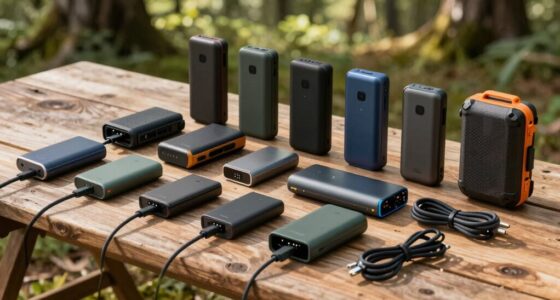

If your sockets, bolts, and trim clips are scattered across coffee cans and junk drawers, the right automotive tool storage organizer pays for itself the first time you find a 10mm socket in under five seconds. After comparing the most popular options side by side, I’ve ranked the Craftsman Large 15-Compartment Storage Organizer as the best overall pick — its removable dividers and tight-sealing latches handle the widest mix of hardware and hand tools. The Ernst MFG 10 Compartment Drawer Organizer stands out for anyone working out of a roll cabinet, while the DEWALT Medium Tool Box makes the most sense if your tools travel between the garage and the driveway. The core tradeoff in this category is simple: latching portable cases sacrifice capacity, drawer trays demand a toolbox you may not own yet, and cheap bulk sets trade durability for coverage. Keep reading for the full breakdown of all six organizers, including who should skip each one.

Get business pricing on garage and car supplies
- Business-only prices and quantity discounts
- Tax-exempt purchasing
- Multiple users, one account, clear invoices
Complete the kit


Key Takeaways
- The Craftsman Large 15-Compartment Organizer takes the top spot because its removable dividers and trunk-friendly latches cover shelf, drawer, and mobile duty in a single box — no other pick here does all three.
- Drawer trays from Ernst and A-LUGEI beat latching cases for daily-use hand tools, but only for buyers who already own a roll cabinet — without one, they’re just open bins collecting dust.
- The Craftsman Small Parts 3-Pack posts the lowest cost per compartment in the lineup, making it the clear value play for sorting a fastener collection in one pass.
- Portability is a tax on capacity: the DEWALT Medium Tool Box’s handle and latching lid hold less than same-footprint trays, a trade worth paying only if your tools actually leave the garage.
- Across all six picks, adjustable dividers outperformed fixed grids for mixed automotive gear — fixed compartments only won on uniform small hardware like fuses, clips, and electrical connectors.
| Craftsman Large Storage Organizer, 15 Compartments |  | Best Overall | Brand: Craftsman | Compartments: 15 | Removable dividers: Yes | VIEW LATEST PRICE | See Our Full Breakdown |
| CRAFTSMAN Plastic Storage Organizer Bin System, 9 Compartment, Modular, Home Office |  | Best for Fixed Workshop Storage | Brand: CRAFTSMAN | Compartments: 9 transparent drawers | Material: Impact-resistant plastic | VIEW LATEST PRICE | See Our Full Breakdown |
| Craftsman Small Parts Storage Organizer (3-Pack, 10 Compartments) |  | Best Value Pick | Brand: Craftsman | Pack count: 3 organizers | Compartments: 10 per case | VIEW LATEST PRICE | See Our Full Breakdown |
| Ernst MFG 10 Compartment Drawer Organizer |  | Best for Tool Chest Drawers | Brand: Ernst MFG | Compartments: 10 | Material: High-impact plastic | VIEW LATEST PRICE | See Our Full Breakdown |
| DEWALT Medium Tool Box with 8 Compartments and Customizable Dividers |  | Best for Mobile Mechanics | Brand: DEWALT | Model number: DWAN2190 | Compartments: 8, with customizable dividers | VIEW LATEST PRICE | See Our Full Breakdown |
| A-LUGEI Tool Box Organizer Set, 6 Sizes, 80 Pieces |  | Best Drawer Organizer Set | Piece count: 80 bins | Number of sizes: 6 | Largest bin: 15 x 6 x 1.8 inches | VIEW LATEST PRICE | See Our Full Breakdown |
| automotive tool storage organizer | Brand | Compartments | Design | Material |
|---|---|---|---|---|
| Craftsman Large Storage Organi | Craftsman | 15 | 90-degree angle; sits flat or upright | — |
| CRAFTSMAN Plastic Storage Orga | CRAFTSMAN | 9 transparent drawers | — | Impact-resistant plastic |
| Craftsman Small Parts Storage | Craftsman | 10 per case | — | — |
| Ernst MFG 10 Compartment Drawe | Ernst MFG | 10 | Stackable, low-profile | High-impact plastic |
| DEWALT Medium Tool Box with 8 | DEWALT | 8, with customizable dividers | — | — |
| A-LUGEI Tool Box Organizer Set | — | — | Interlocking, customizable layout | Heavy-duty plastic |
More Details on Our Top Picks
Craftsman Large Storage Organizer, 15 Compartments
I’m putting the Craftsman Large Storage Organizer first because it covers the most ground for the most buyers. The 15 compartments with removable dividers mean sockets, fuses, and fasteners each get a right-sized slot instead of rattling around together, and the two side latches keep the lid shut when the case rides in a trunk. Its 90-degree angle design lets it sit flat or stand upright on a shelf, which the Ernst MFG drawer organizer can’t do — that one only works inside a drawer. Against the DEWALT Medium Tool Box, this Craftsman offers nearly double the compartment count, though the DEWALT’s clear lid makes contents easier to spot at a glance. The honest tradeoff: there’s no weather sealing, so I wouldn’t leave it in a truck bed, and it’s sized for small parts and hand tools only, not power tools.
Pros:- 15 compartments with removable dividers adapt as a tool kit changes
- Twin side latches keep the lid locked during transport
- Stackable with other organizers, so storage grows vertically
- 90-degree design works flat in a trunk or upright on a shelf
Cons:- No weather sealing, so it’s a poor choice for exposed truck-bed storage
- Opaque lid means opening the case to confirm what’s inside
- Sized for small parts and hand tools only — larger tools won’t fit
Best for: DIY mechanics who want one customizable case that handles fasteners, fuses, and small hand tools in the trunk or garage
Not ideal for: Owners who store tools in an open truck bed — there’s no waterproofing — or anyone needing to haul full-size power tools
- Brand:Craftsman
- Compartments:15
- Removable dividers:Yes
- Locking latches:Yes — two side latches
- Stackable:Yes
- Design:90-degree angle; sits flat or upright
- Intended contents:Small parts and hand tools
- Weather resistance:Not specified
Our verdict“The safest single purchase for most garages: high compartment count, flexible layout, and secure latching at a fair price.”
CRAFTSMAN Plastic Storage Organizer Bin System, 9 Compartment, Modular, Home Office
Where the portable cases in this roundup ask a buyer to carry organization to the job, the CRAFTSMAN 9-Compartment Bin System does the opposite: it anchors storage to one spot. The transparent drawers show exactly what’s inside before anything gets opened, saving real time when hunting for a specific clip or fuse — a genuine advantage over the opaque lid on the Craftsman 15-Compartment organizer. Because it wall-mounts or stacks, it suits a garage bench or van bulkhead where floor space is scarce. The tradeoffs are structural: drawer size and weight limits aren’t published, so heavy fasteners are a gamble, and pulling a drawer mid-repair is slower than flipping a latched case open beside the car. Compared with the Craftsman Small Parts 3-Pack, this is the better permanent fixture but the worse travel companion.
Pros:- Transparent drawers identify contents at a glance
- Wall-mounts or stacks, freeing up bench and floor space
- Impact-resistant plastic holds up to daily shop use
- Modular format expands as a parts collection grows
Cons:- No published drawer size or weight capacity, so heavy hardware is a risk
- Slower access mid-repair than a latched case opened next to the car
- Not designed for transport — drawers can slide open in a vehicle
Best for: Home mechanics with a dedicated workbench or garage wall who want see-through, always-in-place small parts storage
Not ideal for: Mobile mechanics or anyone who works curbside — drawers without latching lids don’t travel well
- Brand:CRAFTSMAN
- Compartments:9 transparent drawers
- Material:Impact-resistant plastic
- Mounting options:Stackable or wall-mounted
- Content visibility:Full — see-through drawers
- Intended use:Small parts and accessories; home, office, or garage
- Drawer size / weight capacity:Not specified
Our verdict“The right pick for a permanent garage setup where visibility matters more than portability.”
Craftsman Small Parts Storage Organizer (3-Pack, 10 Compartments)
Getting three organizers in one box is what puts the Craftsman Small Parts 3-Pack on this list. Each case carries 10 compartments with removable dividers, so a buyer can dedicate one to electrical connectors, one to fasteners, and one to trim clips for about what a single mid-range case often costs. The interlocking, stacking lids keep the trio tidy on a shelf, and the divider layout stops small hardware from migrating between sections — a real annoyance with cheaper cases. Next to the DEWALT Medium Tool Box, the per-case cost here is friendlier, though the DEWALT’s clear lid shows contents without popping a latch. The compromise is scale: 10 compartments per case is fewer than the Craftsman Large’s 15, and with no stated weather resistance, these belong in the garage or trunk, not exposed in a pickup bed.
Pros:- Three cases in one purchase stretches the budget further
- Removable dividers customize each case independently
- Interlocking lids stack securely without sliding
- Divider design prevents small parts from mixing between sections
Cons:- Only 10 compartments per case — less granular than 15-slot rivals
- No weather resistance mentioned, so indoor or trunk use only
- Three separate cases is bulkier to carry than one large organizer
Best for: Budget-conscious buyers building a sorted system from scratch — one case per category of small part
Not ideal for: Buyers who want a single high-capacity case; three 10-compartment boxes mean more lids to open
- Brand:Craftsman
- Pack count:3 organizers
- Compartments:10 per case
- Dividers:Removable
- Lid:Secure latch with interlocking, stacking-compatible design
- Stackable:Yes
- Anti-mixing design:Yes
- Weather resistance:Not specified
Our verdict“The most organization per dollar here, ideal for sorting an entire small-parts collection in one purchase.”
Ernst MFG 10 Compartment Drawer Organizer
The Ernst MFG 10-Compartment Drawer Organizer plays a different game from everything else here: it lives inside a tool chest drawer rather than replacing one. The low-profile, high-impact plastic tray drops into shallow drawers that would reject a latched case, turning a jumbled drawer into 10 sorted sections for sockets, bolts, and trim hardware. It’s also the only pick in this lineup made in the USA, which some buyers weigh heavily. Stacked against the Craftsman Large organizer, the Ernst is more limited — no lid, no latches, no carrying handle — so parts stay put only as long as the drawer does. And while the plastic shrugs off shop abuse, it’s not built for heavy impact sockets or oversized wrenches. I see it as a complement to a portable case like the DEWALT ToughCase+, not a substitute for one.
Pros:- Low-profile build fits shallow drawers most cases can’t
- High-impact plastic tolerates daily shop abuse
- Stackable trays double up storage in deeper drawers
- Made in the USA
Cons:- No lid or latches — contents spill if the tray leaves the drawer
- Not suited to heavy impact sockets or large wrenches
- Useless as portable storage; it’s drawer-bound by design
Best for: Owners of a rolling tool chest who want to tame shallow drawers full of loose sockets and hardware
Not ideal for: Anyone without a tool chest — with no lid or handle, it can’t function as a standalone carrier
- Brand:Ernst MFG
- Compartments:10
- Material:High-impact plastic
- Design:Stackable, low-profile
- Color:Black
- Made in:USA
- Best placement:Shallow tool chest drawers
Our verdict“A drawer upgrade, not a toolbox — buy it to organize a chest you already own.”
DEWALT Medium Tool Box with 8 Compartments and Customizable Dividers
For work that happens away from the bench, the DEWALT Medium ToughCase+ is the one I’d grab first. The clear lid shows every compartment’s contents before the case opens — faster than the opaque lids on the Craftsman Small Parts 3-Pack — and the connectable ToughCase+ system clips multiple cases together, so a growing kit travels as one stack instead of loose boxes. At under 12 ounces empty, it adds almost nothing to a service bag. The limits are honest ones: 8 compartments is the leanest count here, half of what the Craftsman Large offers, and the medium footprint won’t swallow larger hand tools. This listing is also the case only, so anyone expecting included bit sets or accessories should treat it as a foundation piece to build on rather than a complete kit.
Pros:- Clear lid identifies contents without opening the case
- ToughCase+ system connects multiple cases into one stack
- Just 11.84 ounces empty — barely registers in a bag
- Customizable dividers adapt the 8 sections to the job
Cons:- Only 8 compartments — the fewest in this roundup
- Case only; no tools, bits, or accessories included
- Medium size excludes larger hand tools
Best for: Mobile mechanics and roadside-kit builders who need a light, connectable case with instant content visibility
Not ideal for: Buyers who want maximum compartment count in one box, or anyone expecting tools and accessories to come included
- Brand:DEWALT
- Model number:DWAN2190
- Compartments:8, with customizable dividers
- Lid:Clear for content visibility
- System:ToughCase+ connectable
- Item weight:11.84 ounces
- Included components:Medium ToughCase+ case only
- Category rank:#7 in Tool Boxes (Amazon)
Our verdict“The smartest choice for tools that travel, as long as a lean compartment count fits the kit.”
A-LUGEI Tool Box Organizer Set, 6 Sizes, 80 Pieces
Most picks in this roundup — the Craftsman Small Parts Storage Organizer, the DEWALT Medium Tool Box — ask you to carry a lidded case to the work. The A-LUGEI set flips that logic: it turns the drawers you already own into a custom-fitted storage grid. With 80 interlocking bins across six sizes, I can map sockets, fasteners, and trim clips across an entire tool chest instead of cramming them into one portable case. Compared with the Ernst MFG 10 Compartment Drawer Organizer, it offers far more layout freedom for the same job, though the Ernst tray feels more unified as a single molded piece. The tradeoffs are real: these are open trays, so nothing here is portable or spill-proof, and even the smallest 3-inch bin can swallow tiny clips. Buy it to organize a chest, not to haul parts.
Pros:- 80 bins in six sizes cover a full tool chest in one purchase
- Interlocking walls keep the layout from sliding apart when drawers open and close
- Thick plastic construction resists cracking under heavy hardware
- Uniform 1.8-inch depth fits most standard tool chest drawers
Cons:- Open-top design means no spill protection or portability
- Smallest bin (3 x 3 inches) is still too big for very small clips and fasteners
- Only available in black, so color-coding by category isn’t possible
Best for: Tool chest and workbench owners who want to divide several drawers at once and keep frequently used hardware visible and sorted
Not ideal for: Mobile mechanics or DIYers who need sealed, portable storage — open trays spill in transit, unlike the lidded Craftsman and DEWALT cases
- Piece count:80 bins
- Number of sizes:6
- Largest bin:15 x 6 x 1.8 inches
- Smallest bin:3 x 3 x 1.8 inches
- Material:Heavy-duty plastic
- Weight capacity:220 lbs (set)
- Design:Interlocking, customizable layout
- Color:Black
Our verdict“If your goal is to bring order to a whole tool chest rather than carry parts to the car, this 80-piece set is the most flexible way to do it.”

How We Picked
I judged every organizer in this roundup against five buyer-focused criteria: compartment flexibility (can dividers move, or are you locked into fixed slots?), build quality (latch strength, hinge design, plastic thickness), capacity relative to footprint, portability, and cost per usable compartment. Products that lock you into one layout scored lower than options that adapt as your tool collection changes, because no garage stays static for long. I also weighed each pick against a specific buyer scenario — daily drawer access, mobile work, small-parts sorting — rather than scoring features in a vacuum.
The ranking order reflects versatility first. The Craftsman 15-compartment model leads because it works equally well on a shelf, in a deep drawer, or tossed in a trunk, and no other pick covers all three. The Ernst tray beats the DEWALT box for stationary setups since its layout wastes less drawer space, but it sits lower overall because it does nothing for someone without a tool chest. Value picks like the Craftsman 3-pack and the A-LUGEI set rank below the leaders not because they’re bad buys, but because their thinner materials and narrower use cases serve fewer buyers. Every product here earns its slot by being the right answer for someone — the order tells you who gets the most utility per dollar.
| automotive tool storage organizer | Brand | Material |
|---|---|---|
| Craftsman Large Storage Organi | Craftsman | — |
| CRAFTSMAN Plastic Storage Orga | CRAFTSMAN | Impact-resistant plastic |
| Craftsman Small Parts Storage | Craftsman | — |
| Ernst MFG 10 Compartment Drawe | Ernst MFG | High-impact plastic |
| DEWALT Medium Tool Box with 8 | DEWALT | — |
| A-LUGEI Tool Box Organizer Set | — | Heavy-duty plastic |
Factors to Consider When Choosing Automotive Tool Storage Organizers
Before comparing specific models, it pays to understand the decisions that separate a useful organizer from one that becomes clutter itself. These six factors cover where buyers in this category most often go wrong — and where a higher price genuinely earns its keep.
Match the Organizer to Where Your Tools Actually Live
The single biggest mistake buyers make in this category is shopping by compartment count before deciding where the organizer will sit. A latching portable case, a drawer tray, and a shelf bin solve three different problems, and buying the wrong format means the organizer itself becomes clutter. Drawer trays only make sense if you already own a tool chest with drawers deep and wide enough to accept them, so measure your drawer’s interior dimensions before spending a dollar. Shelf bins and multi-packs suit fastener collections and overflow hardware you grab a few times a month. Portable cases earn their handles and latches only if your tools regularly leave the garage for driveway repairs, track days, or a friend’s project car. Map your three most common repair scenarios first, then buy the format that serves them.
Compartment Flexibility Beats Compartment Count
A box with 15 fixed slots can hold less useful variety than one with 8 adjustable sections, because automotive parts refuse to come in uniform sizes. Extensions, swivel sockets, O2 sensors, and coil packs all demand odd-shaped space that a fixed grid can’t provide. Removable or repositionable dividers let the organizer evolve as your collection changes, which matters more than the number printed on the box. Fixed compartments do hold one advantage: they keep tiny hardware like fuses and clips from migrating under loose dividers, so they still make sense for dedicated small-parts duty. The practical move is matching compartment style to contents — fixed grids for uniform hardware, adjustable bays for mixed tools. Shoppers who skip this step end up with organizers half full of wasted space. Capacity on paper is rarely capacity in practice.
Portability Costs Capacity — Decide Which One You Need
Every portable organizer in this category makes the same quiet trade: the handle, latches, and structural lid eat into the space available for actual storage. A medium latching box typically holds less than a same-footprint tray precisely because it’s built to survive being carried, dropped, and stacked. If your tools never leave the garage, you’re paying a portability tax on features that return nothing. On the other hand, a box that rides in your trunk needs latches that stay shut over bumps and a lid that won’t pop open when the case tips — one spilled box of mixed bolts teaches that lesson permanently. Be honest about how often you carry tools versus how often you walk to them. Buyers who overestimate their mobility end up with less storage than they needed; buyers who underestimate it end up repacking loose tools into a grocery bag.
The Mistakes That Waste the Most Money
Three errors account for most regret in this category. The first is buying a drawer system before measuring the drawer — interior height is the dimension people forget, and a tray that’s half an inch too tall turns a smooth-gliding drawer into a daily fight. The second is overbuying small-parts bins in a burst of organizational ambition, then leaving half the compartments empty because the collection never grows into them; empty organizers are just expensive air. The third is assuming all plastic is equal, when wall thickness, hinge design, and latch quality vary enough that one bin survives a dropped socket set and another cracks at the corner. A cheaper organizer replaced twice costs more than a sturdy one bought once. Ten minutes with a tape measure and an honest inventory of your tools prevents all three.
Where It Pays to Spend More — and Where It Doesn’t
Not every organizer in your garage deserves the same budget. The tray or case you open every single work session justifies thicker walls, better latches, and tighter tolerances, because friction compounds — a sticky lid or warped divider taxes you hundreds of times a year. Bulk storage for overflow hardware lives the opposite life: it sits on a shelf for weeks, so a budget multi-pack does the job identically to a premium one. USA-made trays and branded modular systems command higher prices partly on durability and partly on ecosystem compatibility, which only matters if you plan to expand within that system. A sensible split is premium for daily-access storage, value-tier for everything else. Buyers who apply one budget tier to the whole garage either overspend on shelf bins or underspend on the box they touch every day.
Plan for a Mixed System, Not a Single Solution
Walk through any working garage and you’ll find a hybrid: drawer trays for the hand tools used daily, a latching case for the tools that travel, and a row of small-parts bins for hardware. That pattern isn’t indecision — it’s what happens when storage formats are matched to actual use. Expecting one product to organize an entire automotive setup is the most expensive assumption a buyer can make, because a compromise format does every job poorly. A better approach is assigning a format per category first, then shopping for the best example of each. Even a modest budget stretches further this way, since the categories that tolerate cheap storage absorb the savings. The roundups worth trusting are the ones that rank products across formats rather than pretending one box wins at everything.
Frequently Asked Questions
How many compartments do I actually need for automotive small parts?
For a typical home garage, 10 to 15 compartments per organizer covers the usual suspects: bolts, nuts, washers, clips, fuses, and electrical connectors. The number matters less than the mix — you want a few large sections for bulky items like hose clamps and many small ones for hardware that would otherwise mingle. Removable dividers effectively multiply your options, since one box can shift from 8 large bays to 15 small ones as projects change. If your fastener collection already overflows a single unit, a multi-pack is the smarter buy than one oversized case, because separate boxes let you sort by system — engine hardware in one, interior clips in another. Whatever count you land on, leave a compartment or two empty on day one; collections grow into them faster than expected.
Are drawer organizers better than portable tool boxes for a home garage?
For tools you reach for constantly, yes — a drawer tray keeps everything visible and one motion away, with no latches to pop or lids to lift. The catch is that drawer trays are furniture-dependent: without a roll cabinet or chest, they’re just open bins that collect dust. Portable boxes make more sense for small parts, specialty tools, and anything that migrates between the garage, driveway, and trunk. Most home mechanics land on a hybrid within a year or two, pairing drawer trays for daily hand tools with one or two latching cases for hardware and overflow. If you’re starting from zero, buy the format that matches your most frequent task rather than the one that looks most organized on a shelf.
Will these organizers fit inside a standard tool chest drawer?
Most drawer trays are sized around common cabinet dimensions, but ‘standard’ covers a wide range — drawer widths from 11 to 26 inches and depths from 16 to 22 inches are all common across brands. Measure your drawer’s interior width, depth, and height before ordering, and check the organizer’s listed dimensions against all three, leaving a little clearance so trays slide in without force. Height is the silent killer: a tray that fits flat can still block the drawer if its rim sits above the drawer’s top edge. Modular tray sets with multiple sizes are the safest route for odd-sized or older cabinets, since you can mix pieces to fill the footprint. When your measurements fall between sizes, go smaller and fill the gap with a spare bin rather than forcing a tight fit.
Is a multi-pack organizer set a better deal than buying single units?
On pure cost per compartment, multi-packs almost always win — bundled sets regularly undercut the price of buying the same capacity piece by piece. The math only holds if you use every piece, though; a three-pack where one box lives empty in a closet quietly erases the savings. Multi-packs shine for sorting an existing hardware collection in one pass, since everything gets a category at the same time and the layout stays consistent across boxes. Single premium units make more sense when your need is focused — one drawer to tame or one case to carry — because the money goes into build quality you’ll actually feel. A practical rule: buy the bundle for a big initial sort-out, then add single units as specific needs appear.
Can plastic organizers handle heavy tools like socket sets and wrenches?
It depends on the construction, and the differences are easy to spot once you know where to look. Thin divider trays and budget bin sets are built for small parts and light hand tools; load them with a full socket set and the floor flexes, dividers bow, and latches strain. Latching tool boxes with structural lids and reinforced handles carry weight far better, since they’re designed to be picked up when full. For drawer storage, weight matters less because the drawer itself bears the load, so even modest trays handle wrenches and ratchets laid flat. Heavy impact socket collections are the exception everywhere — they’re dense enough to deserve a dedicated hard case or rail rather than a general-purpose organizer.
Conclusion
Every pick on this list is the right answer for a different buyer, so the fastest way to choose is to match yourself to a profile. For the best overall organizer, buy the Craftsman Large 15-Compartment Organizer — it’s the only option here that works on a shelf, in a drawer, and in a trunk without compromise. The best value goes to the Craftsman Small Parts 3-Pack, which delivers the lowest cost per compartment and suits anyone sorting a fastener collection for the first time. Roll cabinet owners after the best premium pick should choose the Ernst MFG 10 Compartment Drawer Organizer, whose USA-made build justifies its price in the drawer you open every day. The best for beginners is the A-LUGEI 80-Piece Organizer Set, a low-cost way to fix one chaotic drawer in a single afternoon. And for specific needs: mobile mechanics get the DEWALT Medium Tool Box, while growing collections get the modular CRAFTSMAN 9-Compartment Bin System that expands right alongside them.
Fall Picks
fall essentials
As an affiliate, we earn on qualifying purchases.