Choosing the right deep cycle battery for overlanding can significantly impact your off-grid adventures. The best options combine durability, capacity, and reliable performance for rugged environments. The Renogy 12 Volt 100Ah Deep Cycle AGM Battery stands out for its solid balance of price and lifespan, making it ideal for most overlanders. For those prioritizing longevity and lightweight design, the 12V 150Ah LiFePO4 Battery offers impressive capacity and durability. Meanwhile, the Interstate Batteries Marine/RV Battery 12V 70Ah excels for smaller setups or backup power. Keep reading to see how these and other batteries compare, along with key factors to consider for your overlanding needs.

Get business pricing on garage and car supplies
- Business-only prices and quantity discounts
- Tax-exempt purchasing
- Multiple users, one account, clear invoices
Complete the kit


Key Takeaways
- LiFePO4 batteries generally offer longer lifespan and lighter weight, but come at a higher upfront cost.
- AGM batteries are more affordable and maintenance-free, making them a popular choice for many overlanders.
- Capacity varies widely; larger Ah ratings provide more power but also increase weight and size.
- Waterproof and rugged construction features are critical for off-road environments and harsh conditions.
- Balancing price and performance is key; premium options deliver durability but may be overkill for casual overlanders.




| deep cycle battery for overlanding | Voltage | Capacity |
|---|---|---|
| 12V 20Ah LiFePO4 Battery | 12V | 20Ah |
| Interstate Batteries Marine/RV | 12V | 70Ah |
| Renogy 12 Volt 100Ah Deep Cycl | 12V | 100Ah |
| 12V 150Ah LiFePO4 Battery | 12V | 150Ah |
| 12V 100Ah LiFePO4 Lithium Batt | 12V | 100Ah |
| Interstate Batteries 12V 110AH | 12V | 110AH |
| VEVOR 12V 140Ah LiFePO4 Dual P | 12V | 140Ah |
| Renogy 12 Volt 100Ah Deep Cycl | 12V | 100Ah |
| Interstate Batteries Marine/RV | 12V | 100Ah |
| Weize 12V 100Ah Deep Cycle AGM | 12V | 100Ah |
| 12V 100Ah Bluetooth LiFePO4 Ba | 12.8 volts | 100Ah |
| VEVOR 12V 100Ah Deep Cycle AGM | 12V | 100Ah |
| 12V 100Ah Deep Cycle AGM Batte | 12V | 100Ah |
More Details on Our Top Picks
12V 20Ah LiFePO4 Battery, 256Wh Lithium Deep Cycle Rechargeable Battery with 20A BMS
This LiFePO4 option excels in longevity, with over 6,000 charge cycles at 80% DOD, meaning it will serve overlanders for years without significant capacity loss. Unlike larger batteries such as the Renogy 12V 100Ah AGM, it’s remarkably lightweight at just 5 lbs, making installation easier in tight spaces. Its built-in BMS offers reliable protection, and the expandable design provides flexibility for increased capacity. However, it’s not suitable for high-current starting tasks like engine cranking, which makes it less ideal for powering starter motors. This battery shines in solar or auxiliary power roles, where deep cycling and longevity are paramount.
Pros:- Over 6,000 charge cycles ensure long-term durability
- Lightweight and compact for easy installation
- Built-in BMS provides comprehensive protection
- Expandable design for increased capacity
Cons:- Not designed for engine starting or high current applications
- Requires proper charging to avoid damage
- Limited to deep cycle energy storage only
Best for: Overlanders needing a lightweight, long-lasting energy storage for auxiliary systems or solar setups
Not ideal for: Those seeking a primary starter battery for engine cranking or high-current loads
- Voltage:12V
- Capacity:20Ah
- Energy:256Wh
- Cycle Life:6000+ cycles at 80% DOD
- Weight:5 lbs
- Max Discharge Current:75A
- BMS:20A
- IP Rating:IP65
- Temperature Range:-4°F to 140°F
Our verdict“This battery makes the most sense for overlanders prioritizing long-lasting auxiliary power in a compact, lightweight package.”
Interstate Batteries Marine/RV Battery 12V 70Ah 750CCA Group 24 AGM
This AGM battery offers a versatile mix of cranking power and deep-cycle capacity, standing out for overlanders who need reliable starting and auxiliary power in rugged conditions. Compared with the lightweight LiFePO4 options like the 12V 20Ah LiFePO4, it’s significantly heavier but provides the durability and high CCA needed for engine starts in cold weather. Its 70Ah capacity and fast recharge make it suitable for continuous use on longer trips. However, the weight and higher cost can be drawbacks for those prioritizing overall weight savings or budget. This model is well-suited for those who require a tough, dual-purpose battery that handles both starting and deep cycling reliably.
Pros:- Dual-purpose design for cranking and deep-cycle use
- Longer lifespan with 2-3 times the durability of typical flooded batteries
- High deep-cycle capacity for extended use
- Reliable performance in rugged conditions
Cons:- Heavy weight makes handling and installation more difficult
- Higher cost compared to flooded lead-acid batteries
- Requires proper recycling at end of life
Best for: Overlanders with boats or RVs who need a dual-purpose battery for starting and deep cycling
Not ideal for: Lightweight, space-constrained setups where weight savings are critical or for purely deep cycle applications
- Voltage:12V
- Capacity:70Ah
- Cold Cranking Amps:750CCA
- Group Size:24
- Type:AGM
Our verdict“This battery suits overlanders who need a robust, dual-function power source capable of handling demanding conditions and starting needs.”
Renogy 12 Volt 100Ah Deep Cycle AGM Battery
The Renogy 100Ah AGM battery offers a solid, maintenance-free choice for overlanding setups that demand dependable deep cycle power. It excels in extreme temperatures and has a low self-discharge rate, making it suitable for long-term off-grid storage, unlike smaller or more fragile batteries. Compared with the lightweight LiFePO4 options like the 12V 20Ah LiFePO4, it’s bulkier and heavier but generally provides a longer warranty period of two years. Customer feedback points to some concerns about longevity, so it’s better suited for users who prioritize stability and safety over maximum cycle count. This battery is ideal for those with ample space seeking a reliable, low-maintenance deep cycle solution.
Pros:- Safe, maintenance-free AGM chemistry
- Performs reliably in extreme temperatures
- Low self-discharge rate extends shelf life
- Powerful enough for various appliances
Cons:- Relatively heavy and bulky compared to LiFePO4 options
- Limited 2-year warranty might be short for some users
- Some users report concerns about longevity
Best for: Overlanders with ample space seeking a stable, maintenance-free deep cycle power source for extended trips
Not ideal for: Those needing a lightweight or compact battery for limited space or weight-sensitive rigs
- Voltage:12V
- Capacity:100Ah
- Self-Discharge Rate:3% at 77℉
- Max Discharge Current:1100A
- Warranty:2 years
Our verdict“This battery makes sense for overlanders prioritizing safety, stability, and longevity over weight savings and maximum cycle count.”
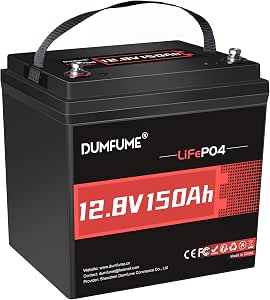
12V 150Ah LiFePO4 Battery, IP65 Waterproof, 100A BMS
This 150Ah LiFePO4 battery stands out for its impressive capacity and long cycle life of over 4,000 cycles, making it ideal for extended overlanding adventures with high power demands. Its IP65 waterproof rating and built-in 100A BMS enhance safety and durability in harsh environments. Compared with smaller batteries like the 12V 20Ah LiFePO4, it provides significantly more energy but at a weight of over 41 lbs, which may be a concern for weight-sensitive rigs. The need for periodic maintenance during extended storage and temperature considerations mean it’s better suited for stable setups rather than frequent, rapid cycling. This pick works best for those with space and weight capacity seeking a high-capacity, reliable energy source.
Pros:- Over 4,000 cycles ensures long-term durability
- IP65 waterproof rating for harsh environments
- Built-in 100A BMS for safety
- Supports expansion for versatile applications
Cons:- Heavy weight makes handling and installation more challenging
- Requires maintenance cycles during long-term storage
- Performance depends on temperatures above 5°C
Best for: Overlanders with large systems requiring high capacity and long-term reliability in challenging conditions
Not ideal for: Lightweight or compact setups where weight and space are limited or for users seeking plug-and-play simplicity
- Voltage:12V
- Capacity:150Ah
- Energy:1920Wh
- BMS:100A
- Waterproof:IP65
- Weight:41.03 lbs
Our verdict“This battery suits overlanders who need a high-capacity, durable energy storage for long-term use and can accommodate its size and weight.”
12V 100Ah LiFePO4 Lithium Battery Group 31 Deep Cycle for RV Trolling Motor
This 100Ah LiFePO4 battery offers an outstanding cycle life of over 15,000 cycles at 60% DOD, making it perfect for overlanders who prioritize longevity and lightweight design. It’s significantly lighter at 24 lbs compared to lead-acid or larger lithium options like the Interstate 70Ah AGM, simplifying installation and reducing overall rig weight. Its fast charging capability and scalability support larger systems, and its performance in extreme temperatures enhances reliability. The higher initial cost and need for compatible chargers are potential hurdles, but for those planning long-term off-grid power with minimal weight penalties, this battery excels.
Pros:- Over 15,000 cycles at 60% DOD for exceptional longevity
- Lightweight and compact for easy handling
- Fast charging supports quick turnaround
- Highly scalable for large systems
Cons:- Higher upfront cost compared to lead-acid batteries
- Requires compatible charger for optimal performance
- Designed primarily for energy storage, not engine starting
Best for: Overlanders with large, modular systems seeking a lightweight, high-cycle battery for critical applications
Not ideal for: Budget-conscious users or those with simple, small power needs who prefer lower upfront costs
- Voltage:12V
- Capacity:100Ah
- Chemistry:LiFePO4
- Weight:24 lbs
- Cycle Life:15,000+ cycles at 60% DOD
- Temperature Range:-4°F to 140°F
Our verdict“This battery makes the most sense for overlanders seeking a durable, lightweight power source with an extremely long cycle life for critical loads.”
Interstate Batteries 12V 110AH AGM Deep Cycle Battery for Solar, Wind, and RV Applications
This battery stands out for its maintenance-free, spill-proof AGM design that makes it a reliable choice for heavy discharge tasks, especially in renewable energy setups and mobility devices. Compared with the Renogy 100Ah AGM, it offers a higher capacity at 110Ah, making it better suited for extended power needs, but its larger size demands more space and specific mounting options. Its universal fit for various applications makes it an attractive option for those seeking a durable, heavy-duty deep cycle solution. However, it’s not ideal for smaller projects like golf carts, due to its size and weight. The long-lasting performance in demanding environments makes this a solid choice for overlanders who prioritize reliability in renewable and mobility systems, but less so for those seeking a compact or lightweight setup.
Pros:- Maintenance-free and spill-proof design
- High capacity of 110AH for extended use
- Suitable for heavy discharge applications
Cons:- Large size may require custom mounting
- Not designed for high-current starting applications
Best for: Overlanders needing a durable, high-capacity battery for renewable energy or mobility devices
Not ideal for: Users with tight space constraints or seeking a lightweight, compact battery for small systems
- Voltage:12V
- Capacity:110AH
- Dimensions:12.99 x 6.81 x 8.35 inches
- Terminal Type:Insert with bolt
Our verdict“This is ideal for overlanders who need a heavy-duty, maintenance-free power source for renewable setups or mobility devices.”
VEVOR 12V 140Ah LiFePO4 Dual Purpose Battery with Smart BMS, 1000CCA, Group 31 Deep Cycle & Starter Lithium Battery for RV, Marine, Trolling Motor, Car
This lithium battery offers a dual-purpose design that combines deep cycle capacity with high starting power, making it versatile for both powering appliances and starting engines. Its smart BMS and Bluetooth monitoring provide real-time data and enhanced safety, which is a step above the basic features of the Weize 100Ah AGM. While its size at nearly 13 inches long may require careful measurement, the ability to handle 1000CCA makes it suitable for starting heavy engines, a feature not offered by the AGM options. However, the complex setup and higher cost may be daunting for newcomers or those on a tight budget. For overlanders seeking a flexible, high-tech solution that can start engines and run appliances, this lithium model makes a compelling choice, but less so for those unfamiliar with lithium systems or with limited space.
Pros:- Dual purpose for starting and deep cycle use
- Smart BMS with Bluetooth and OTA updates
- High 1000CCA for reliable engine starts
Cons:- Size may not fit all compartments
- Complex setup for inexperienced users
Best for: Overlanders who want a dual-purpose battery with smart monitoring features and high starting power
Not ideal for: Beginners or those with limited space who prefer simple, traditional lead-acid batteries
- Voltage:12V
- Capacity:140Ah
- CCA:1000
- Dimensions:12.99 x 6.77 x 8.66 inches
Our verdict“This lithium dual-purpose battery is best suited for overlanders who need both high starting power and advanced monitoring features, despite its higher complexity and cost.”
Renogy 12 Volt 100Ah Deep Cycle AGM Battery
The Renogy 100Ah AGM is a well-rounded, dependable choice for those prioritizing safety and stability. Its sealed, maintenance-free design is familiar compared to the more complex lithium options like the VEVOR 140Ah LiFePO4. Built to operate reliably across a wide temperature range from -4°F to 140°F, this battery is ideal for off-grid and solar setups where extreme conditions are common. The high discharge current of 1100A supports powering multiple appliances simultaneously. However, its weight and bulkiness make it less suitable for overlanders seeking lightweight solutions. For users who value proven, stable chemistry and want a straightforward, long-lasting deep cycle battery, this model makes sense, but it’s less ideal for those prioritizing weight savings or quick recharge cycles.
Pros:- Safe, sealed AGM chemistry
- Reliable performance across temperature extremes
- High discharge current supports multiple appliances
Cons:- Heavy and bulky compared to lithium batteries
- Limited to lead-acid chemistry with disposal considerations
Best for: Overlanders looking for a stable, reliable AGM battery that performs well in extreme temperatures
Not ideal for: Those wanting a lightweight or space-efficient lithium option for compact setups
- Voltage:12V
- Capacity:100Ah
- Discharge Current:1100A (5 seconds)
- Temperature Range:-4 to 140°F
Our verdict“This AGM battery suits overlanders needing dependable, stable power in challenging environments, despite its weight and size.”
Interstate Batteries Marine/RV Battery 12V 100Ah 925CCA 1155CA Group 31 AGM
This AGM battery excels in providing high cranking power and long cycle life, making it a reliable choice for marine and RV applications. Its lifespan is three times longer than traditional flooded batteries, which is a significant advantage for overlanders who need durable power sources. Its strong cold-weather performance with 925CCA ensures reliable starts in freezing conditions, outperforming many standard deep cycle batteries like the Weize 100Ah AGM. The tradeoff lies in its weight and cost; it’s heavier and pricier, which might be a drawback for those seeking lightweight setups. This battery makes the most sense for overlanders facing cold climates and needing robust, long-lasting power, but less so for minimalistic or budget-conscious users.
Pros:- Long service life, three times that of conventional batteries
- High cranking and deep cycling capacity
- Excellent cold-weather start performance
Cons:- Heavy and bulky for some vehicle setups
- Higher initial cost compared to basic deep cycle batteries
Best for: Overlanders operating in cold environments who need reliable starting and deep cycling capabilities
Not ideal for: Lightweight or budget-focused users who prefer smaller or less expensive options
- Voltage:12V
- Capacity:100Ah
- Cold Cranking Amps:925CCA
- Cycle Life:400 deep cycles
Our verdict“This battery is ideal for cold-weather overlanders needing a durable, high-performance power source with excellent starting ability.”
Weize 12V 100Ah Deep Cycle AGM Battery, Maintenance-Free, Suitable for RV, Solar, Marine, Off-Grid
The Weize 100Ah AGM offers a practical, budget-friendly deep cycle option with a maintenance-free sealed design. Its low self-discharge rate of 1-3% per month makes it suitable for long-term storage, unlike some lithium options that require more careful management. While it doesn’t have the advanced features of the VEVOR 140Ah LiFePO4, it provides reliable power at a lower cost, making it an excellent choice for overlanders on a budget or those who prefer simple, proven lead-acid chemistry. Its limited one-year warranty and heavier weight are tradeoffs to consider, especially for long-term off-grid use. This model works well for those seeking dependable, straightforward deep cycle power without extra complexity or expense, but it may not satisfy those wanting the lightest or most high-tech setup.
Pros:- Maintenance-free and sealed for safety
- Low self-discharge rate for extended storage
- Suitable for RV, solar, and marine applications
Cons:- Limited to a 1-year warranty
- Heavier compared to lithium alternatives
Best for: Overlanders seeking a reliable, maintenance-free battery at a budget-friendly price
Not ideal for: Users wanting the latest lithium tech or longer warranty coverage
- Voltage:12V
- Capacity:100Ah
- Discharge Current:1150A (max)
- Self-Discharge Rate:1-3% per month
Our verdict“This battery provides reliable, affordable deep cycle power for overlanders who prioritize simplicity and cost savings over advanced features.”
12V 100Ah Bluetooth LiFePO4 Battery for RV, Trolling Motors, Boat
This LiFePO4 battery stands out for its combination of deep cycle reliability and advanced features like Bluetooth monitoring, making it a top choice for overlanding enthusiasts who want cutting-edge technology. Compared with traditional lead-acid options like the VEVOR AGM, this lithium model offers significantly lighter weight—only 21.5 pounds versus heavier lead-acid alternatives—while providing superior cycle life and safety through its intelligent BMS. The ability to expand capacity via series or parallel connections adds versatility for larger power needs. However, its compatibility issues with older charging systems and the need for professional installation may be hurdles for some DIY overlanders. Overall, this pick is ideal for those seeking a high-performance, lightweight, and expandable deep cycle solution, willing to invest in modern tech and proper setup.
Pros:- Lightweight and compact design eases installation in limited space
- Advanced Bluetooth-enabled BMS for real-time monitoring and safety
- Supports series and parallel expansion for increased capacity
- Deep cycle design ensures reliable power for extended off-grid use
Cons:- Requires professional installation for capacity expansion
- Not compatible with older or basic charging systems without upgrades
- Limited to specific sizes and configurations, reducing flexibility
Best for: Overlanders who prioritize lightweight, compact power, and want smart monitoring features.
Not ideal for: Backcountry travelers on a tight budget or those with simple charging setups, since it requires compatible equipment and installation expertise.
- Voltage:12.8 volts
- Capacity:100Ah
- Size:12V 100Ah Group24
- Weight:21.5 pounds
- Dimensions:6.61″D x 10.24″W x 8.3″H
- Battery Type:Lithium Ion
- Warranty:5 years
Our verdict“This lithium battery is perfect for overlanders seeking lightweight, expandable power with smart features, provided they can handle installation requirements.”
VEVOR 12V 100Ah Deep Cycle AGM Marine Battery
This VEVOR AGM battery offers a reliable, maintenance-free energy source suited for overlanding, especially when budget-conscious buyers seek solid performance. Its high discharge current of up to 800A makes it capable of handling demanding loads, outperforming smaller AGM options like the Weize 100Ah in peak power. The long lifespan and durability stem from its AGM technology, which requires no maintenance and withstands rough conditions. However, the weight and bulkiness—measuring over 13 inches long—make it less ideal for those prioritizing portability or limited space in their rigs. It also demands compatible charging equipment, which could add to setup costs. Overall, this model makes the most sense for users who need dependable, high-current power in a rugged package but don’t mind the weight.
Pros:- Maintenance-free AGM technology reduces upkeep
- High discharge capacity up to 800A suits demanding appliances
- Durable and designed for long-term use in tough environments
- Long cycle life enhances value over time
Cons:- Heavy and bulky, complicating portability
- Requires specialized, professional charging equipment
- Cannot serve as a starter battery, limiting use cases
Best for: Overlanders needing a high-discharge, durable AGM battery for stable power in larger or permanent setups.
Not ideal for: Lightweight or space-constrained travelers who prioritize portability, since it’s heavy and bulky.
- Voltage:12V
- Capacity:100Ah
- Discharge Rate:800A within 5 seconds
- Dimensions:13.0 x 6.7 x 8.4 inches
- Technology:AGM (Absorbent Glass Mat)
- Warranty:Not specified
Our verdict“This AGM battery offers high current and durability for larger overlanding setups, though it’s less suited for limited space or lightweight builds.”
12V 100Ah Deep Cycle AGM Battery – Rechargeable, Maintenance-Free for Camping, Marine, RV, Off-Grid Systems
This AGM battery excels in harsh conditions, making it a solid choice for overlanding scenarios where ruggedness and reliability are paramount. Its vibration-resistant ABS casing and leak-proof design provide durability that surpasses more delicate batteries like the VEVOR AGM. It offers high output power—up to 1150A—suitable for demanding electrical loads, including high-current appliances. However, the relatively short one-year warranty indicates less confidence in long-term durability compared to lithium or premium AGM options. Its weight and size are also considerations for those with space constraints or seeking lightweight solutions. This battery makes sense for overlanders needing a rugged, versatile power source that can endure rough terrain and variable conditions, despite the shorter warranty period.
Pros:- Rugged, vibration-resistant construction withstands rough terrain
- High output current for demanding appliances
- Leak-proof, durable design suitable for harsh conditions
- Versatile for RV, marine, solar, and off-grid use
Cons:- Heavy and bulky, less portable
- Limited to a 1-year warranty, less reassurance over lifespan
- Lower capacity compared to lithium options for extended use
Best for: Overlanders needing a rugged, versatile 12V power source capable of handling demanding loads in tough environments.
Not ideal for: Travelers seeking the lightest possible setup or long-term warranties, as this model is heavier and has a shorter warranty period.
- Voltage:12V
- Capacity:100Ah
- Max Discharge Current:1150A
- Design:AGM, vibration-resistant ABS casing
- Warranty:1 year
Our verdict“This rugged AGM battery offers reliable, high-current power for tough overlanding conditions, though it sacrifices some longevity and portability.”

How We Picked
I evaluated these batteries based on performance, build quality, longevity, maintenance needs, and value for overlanding use. Durability in rough conditions, resistance to vibration, and waterproof features were prioritized. Capacity and weight were also key factors, as they influence how well the battery supports off-grid systems without adding unnecessary bulk. The selection emphasizes versatility, reliability, and cost-effectiveness, ensuring each option serves different overlanding styles and budgets. Products are ranked to highlight those that best combine these qualities for sustained off-road adventures.Factors to Consider When Choosing Deep Cycle Battery For Overlanding
Selecting a deep cycle battery for overlanding involves understanding several critical factors. Beyond capacity, you need to consider durability against vibrations, resistance to elements, and how the battery’s chemistry impacts lifespan and maintenance. Overlanding batteries are often subjected to rough terrains, so ruggedness and waterproofing are essential. Additionally, balancing upfront cost against long-term durability helps avoid frequent replacements. Considering your power needs, vehicle compatibility, and budget ensures you pick a battery suited for your specific adventure style.Capacity and Power Needs
Understanding your energy requirements is vital. Larger capacity batteries (measured in Ah) provide more run time but also add weight, which can impact vehicle handling. For most overlanders, a 100Ah to 150Ah capacity strikes a good balance between power and portability. Consider what appliances or devices you’ll run and plan for future expansion—overestimating slightly can prevent power shortages on longer trips. However, buying a capacity far exceeding your actual needs can lead to unnecessary weight and cost.
Battery Chemistry and Longevity
Deep cycle batteries mainly come in AGM, Gel, and LiFePO4 chemistries. AGM batteries are affordable, maintenance-free, and offer good vibration resistance, but they typically have shorter lifespans than LiFePO4 options. LiFePO4 batteries excel in longevity, weight, and cycle life, often lasting 4-5 times longer than AGM counterparts. The tradeoff is a higher upfront cost, which can be offset by fewer replacements over time. Carefully assess your budget and how long you want your battery to last before replacing.
Build Quality and Rugged Features
Overlanding demands batteries that can withstand vibrations, shocks, and exposure to the elements. Look for ruggedized cases, waterproof ratings (IP65 or higher), and vibration resistance. These features mitigate the risk of internal damage during rough rides. Cheaper batteries may lack these protections, leading to premature failure. Investing in a well-built, waterproof battery pays off in reliability and peace of mind on remote trails.
Size, Weight, and Compatibility
Size and weight are often overlooked but are crucial for fitting the battery into your vehicle or camper setup. Lithium batteries tend to be lighter and more compact than lead-acid options, freeing up space and reducing strain on mounts. Always verify dimensions and terminal configurations to ensure compatibility. A battery that’s too large or heavy can be cumbersome, while one that’s too small might not meet your power needs or withstand vibrations.
Cost and Long-Term Value
While cheaper batteries may seem attractive initially, they often require more frequent replacements and maintenance. Investing in a higher-quality battery, especially LiFePO4, can offer substantial savings over time, thanks to longer cycle life and lower maintenance. Consider your budget carefully, but also weigh the cost against expected lifespan and reliability. For serious overlanders, paying more upfront for a durable, long-lasting battery often makes better financial sense.
Frequently Asked Questions
How do I choose between AGM and LiFePO4 batteries for overlanding?
AGM batteries are a popular choice due to their lower initial cost, maintenance-free design, and good vibration resistance, making them suitable for most casual overlanding setups. LiFePO4 batteries, however, provide longer lifespan, lighter weight, and better cycle durability, which benefits those venturing on frequent or extended trips. The main tradeoff is the higher upfront price of LiFePO4, but over time, they can be more cost-effective through reduced replacements. Think about your trip frequency, budget, and long-term plans when deciding.
What capacity should I look for in an overlanding deep cycle battery?
The ideal capacity depends on your power consumption, but most overlanders find that 100Ah to 150Ah batteries provide a good balance. If you run multiple appliances or plan long off-grid periods, larger capacities deliver more runtime. Conversely, smaller setups or minimal power needs can be met with 70Ah to 100Ah batteries. Consider your daily energy use, and always add a buffer for unexpected needs to avoid running out of power in remote locations.
Are waterproof and vibration-resistant features necessary?
Absolutely. Overlanding exposes batteries to vibrations, shocks, and weather elements. Waterproofing (IP65 or higher) helps prevent moisture ingress, which can cause internal damage. Vibration resistance ensures the internal components stay intact during rough terrain. Investing in these features reduces the risk of early failure and maintenance issues, making your power setup more reliable in challenging conditions.
Can I replace my lead-acid battery with a LiFePO4 for overlanding?
Yes, but with some considerations. LiFePO4 batteries are compatible with most systems designed for lead-acid, often requiring a compatible BMS (Battery Management System) and sometimes a different charger. They are more expensive upfront but offer longer cycle life and faster charging. Before replacing, verify your vehicle’s charging system and ensure it supports lithium technology to avoid damage or performance issues.
How long will a typical deep cycle battery last in overlanding use?
The lifespan varies based on chemistry, usage, and maintenance. AGM batteries typically last 3-5 years with proper care, while LiFePO4 batteries can last 10+ years and over 2,000 cycles. Proper charging, avoiding deep discharges, and protecting against extreme temperatures extend their service life. Regular maintenance and choosing a quality brand are key to maximizing your battery’s lifespan in demanding overlanding conditions.
Conclusion
For most overlanders, the Renogy 12 Volt 100Ah Deep Cycle AGM Battery offers a reliable, budget-friendly choice that balances performance and affordability. If longevity and weight savings are priorities, the 12V 150Ah LiFePO4 Battery makes an excellent premium pick. Beginners or casual adventurers might prefer the simplicity of AGM options, while seasoned overlanders needing maximum durability should consider high-end LiFePO4 models. Ultimately, your decision should align with your power needs, budget, and the conditions you expect to face. Carefully evaluate the tradeoffs to ensure your system supports your adventures without unexpected failures.
As an affiliate, we earn on qualifying purchases.Halloween Picks
halloween