For those venturing into remote regions where cellular service is unavailable, a satellite phone becomes essential. The Garmin inReach Mini 2 stands out as the best overall choice, offering reliable global coverage and a compact design. The Iridium GO! Exec provides versatile WiFi hotspots for data-heavy needs, while the Globalstar GSP-1700 offers an affordable, dependable option for basic communications. Each device balances features, ease of use, and coverage differently, making the decision more nuanced than just choosing the latest model. Continue reading for a detailed breakdown to find the best fit for your remote travel adventures.

Get business pricing on garage and car supplies
- Business-only prices and quantity discounts
- Tax-exempt purchasing
- Multiple users, one account, clear invoices
Complete the kit


Key Takeaways
- Top picks are distinguished by their coverage, battery life, and ease of use in remote settings.
- The best overall satellite phone balances reliability, size, and comprehensive features, as exemplified by the Garmin inReach Mini 2.
- Tradeoffs often involve choosing between advanced features like WiFi hotspots versus simple, dependable voice-only devices.
- Coverage quality varies significantly; some devices excel in global coverage, while others are more regional.
- Price-to-value ratio is a key factor, with some premium options offering more features but at a higher cost.
| Garmin inReach® Mini 2 Satellite Communicator |  | Best Overall for Compact Outdoor Adventure | Battery life: up to 14 days in 10-minute tracking mode | Connectivity: Satellite (requires subscription) | Navigation features: TracBack routing, digital compass | VIEW ON AMAZON | See Our Full Breakdown |
| ZOLEO Satellite Communicator (Slate Grey) |  | Best Value for Versatile Global Connectivity | Compatible Devices: Smartphone | Connectivity Technology: Cellular, Iridium Satellite, Wi-Fi | Battery Average Life: 200+ hours | VIEW ON AMAZON | See Our Full Breakdown |
| Globalstar GSP-1700 Satellite Phone |  | Best for Reliable Voice Communication in Remote Areas | Dimensions: 5.3″H x 2.2″W x 1.5″D | Weight: 7.05 oz | Battery Life: 4 hours talk time | VIEW ON AMAZON | See Our Full Breakdown |
| Garmin inReach Mini 3 Satellite Communicator with Global Two-Way Messaging, Touchscreen, SOS, Weather Updates, LiveTrack, and 350 Hours Battery |  | Best for Extended Remote Travel and Detailed Navigation | Connectivity: Global Iridium satellite network | Display: Color touchscreen, scratch-resistant | Water Resistance: IP67-rated | VIEW ON AMAZON | See Our Full Breakdown |
| Garmin inReach Messenger Plus, SOS Satellite Communicator |  | Best for Seamless Messaging and Smartphone Integration | Connectivity: Wi-Fi, Cellular, Satellite | Messaging: Text, Photos, 30-second Voice Messages | Battery Life: Up to 25 days | VIEW ON AMAZON | See Our Full Breakdown |
| Iridium GO! Exec Satellite WiFi Hotspot – Voice, Messaging, Data, Portable, Secure Global Connectivity, Carry Case Included |  | Best Overall for Versatile Remote Connectivity | Compatible with Vehicle Type: Bicycle | Screen Size: 3.5 inches | Connectivity Technology: USB, Wi-Fi | VIEW ON AMAZON | See Our Full Breakdown |
| Globalstar GSP-1600 Satellite Phone |  | Best for Durability and Long-Range Use | Number of Batteries: 1 Lithium Ion battery required | Power Source: Battery Powered | Dialer Type: Single Keypad | VIEW ON AMAZON | See Our Full Breakdown |
| Garmin inReach® Mini 3 Satellite Communicator |  | Best for Safety and Navigation in Remote Areas | Connectivity: Iridium satellite network | Display: High-resolution, scratch-resistant color touchscreen | Water Resistance: IP67 | VIEW ON AMAZON | See Our Full Breakdown |
| Spot X with Bluetooth 2-Way Satellite Messenger | 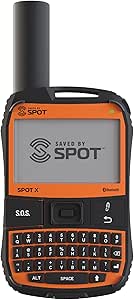 | Best for Two-Way Messaging and Emergency Communication | Connectivity: Bluetooth, Satellite | Features: Two-way messaging, GPS, S.O.S. | Included Accessories: Device, strap, carabiner, USB cable | VIEW ON AMAZON | See Our Full Breakdown |
| Inmarsat IsatPhone 2 Handheld Satellite Phone |  | Best for Reliable Global Coverage and Long Battery Life | Battery Life: 8 hours talk / 160 hours standby | Weight: 3 lbs | Dimensions: 4″H x 9″W x 10″L | VIEW ON AMAZON | See Our Full Breakdown |
| BlueCosmo Inmarsat IsatPhone 2.1 Satellite Phone Kit (SIM Included), Unlocked, Global Coverage |  | Best Overall Satellite Phone for Remote Travel | Operating System: Proprietary Satellite OS | Memory Storage Capacity: 8 GB | Color: Black | VIEW ON AMAZON | See Our Full Breakdown |
| Motorola Defy Satellite Link – Rugged Handheld GPS Communicator with Two-Way Satellite Messaging and Emergency SOS |  | Best Rugged Device for Off-Grid Communication | Service plan cost: $19.99/month | Compatibility: iOS 14 and Android 10+ | Features: Satellite messaging, Emergency SOS, GPS | VIEW ON AMAZON | See Our Full Breakdown |
| Garmin inReach Mini 2 Satellite Communicator (Flame Red) Bundle |  | Best Compact Satellite Communicator for Remote Outdoor Adventures | Compatible Devices: Smartphone, Tablet | Screen Size: 0.9 inches | Display Resolution: 176 x 176 pixels | VIEW ON AMAZON | See Our Full Breakdown |
| satellite phone for remote travel | Battery life |
|---|---|
| Garmin inReach® Mini 2 Satelli | up to 14 days in 10-minute tracking mode |
| ZOLEO Satellite Communicator | — |
| Globalstar GSP-1700 Satellite | 4 hours talk time |
| Garmin inReach Mini 3 Satellit | Up to 350 hours |
| Garmin inReach Messenger Plus | Up to 25 days |
| Iridium GO! Exec Satellite WiF | — |
| Globalstar GSP-1600 Satellite | — |
| Garmin inReach® Mini 3 Satelli | Up to 350 hours with 10-minute tracking |
| Spot X with Bluetooth 2-Way Sa | — |
| Inmarsat IsatPhone 2 Handheld | 8 hours talk / 160 hours standby |
| BlueCosmo Inmarsat IsatPhone 2 | 160 hours standby, 8 hours talk time |
| Motorola Defy Satellite Link | — |
| Garmin inReach Mini 2 Satellit | Up to 14 days |
More Details on Our Top Picks
Garmin inReach® Mini 2 Satellite Communicator
The Garmin inReach® Mini 2 stands out for its combination of portability and comprehensive features, making it ideal for outdoor enthusiasts who need reliable communication in remote areas. Compared to the Garmin inReach Mini 3, it offers slightly less advanced weather updates and a shorter battery life, but its smaller size makes it easier to carry. Its long-lasting battery and global messaging capabilities provide peace of mind during extended trips, though it requires an active subscription for full use, which could add ongoing costs. Its navigation features, like TracBack routing and digital compass, further support outdoor navigation, but it’s limited primarily to adventure use, not everyday communication. If portability and long battery life are priorities, this model excels.
Pros:- Compact and lightweight design for easy portability
- Long battery life suitable for multi-day trips
- Global two-way messaging and SOS features
- Seamless integration with Garmin Explore app for trip planning
Cons:- Requires active satellite subscription, adding ongoing expenses
- Limited to outdoor and adventure contexts, not everyday use
Best for: Backcountry hikers and climbers needing lightweight, dependable satellite communication.
Not ideal for: Urban travelers or casual users who rarely venture into remote areas, due to its outdoor focus and subscription costs.
- Battery life:up to 14 days in 10-minute tracking mode
- Connectivity:Satellite (requires subscription)
- Navigation features:TracBack routing, digital compass
- Compatibility:Garmin Explore app and smartphones
- Color:Black
Our verdict“This is an excellent choice for outdoor adventurers who prioritize portability and long battery life in remote travel.”
ZOLEO Satellite Communicator (Slate Grey)
The ZOLEO Satellite Communicator offers broad connectivity options, connecting via cellular, Wi-Fi, and Iridium satellite networks, making it a versatile choice for travelers who want seamless communication in varied environments. While the Garmin inReach Mini 2 excels in navigation and adventure-specific features, ZOLEO’s strength lies in its multi-network approach, providing more consistent coverage, especially in areas with weak satellite signals. Its impressive battery life of over 200 hours supports extended outings, and its rugged IP68 design withstands tough conditions. The tradeoff is that full satellite functionality depends on a service plan and a smartphone app, which may involve additional costs and complexity. This pick suits those seeking flexible, multi-platform communication for remote travel.
Pros:- Global satellite messaging with multiple connectivity options
- Long-lasting battery over 200 hours
- Rugged IP68-rated design for durability
- Supports emergency SOS and GPS sharing
Cons:- Service plan required for satellite connectivity
- Dependent on a smartphone app for full functionality
Best for: Remote travelers needing reliable messaging across different networks and environments.
Not ideal for: Users seeking dedicated navigation features or extensive outdoor adventure tools, which ZOLEO lacks compared to other units like the inReach Mini 3.
- Compatible Devices:Smartphone
- Connectivity Technology:Cellular, Iridium Satellite, Wi-Fi
- Battery Average Life:200+ hours
- Water Resistance:IP68
- Supported Satellite Navigation System:GPS, Galileo
Our verdict“Ideal for travelers wanting flexible, multi-network communication with rugged durability at a reasonable price.”
Globalstar GSP-1700 Satellite Phone
The Globalstar GSP-1700 is a straightforward, ergonomic satellite phone focusing solely on voice calls, making it suitable for users who need dependable voice communication rather than data or messaging. Its well-designed backlit display and 4-hour talk time are advantageous compared with more feature-rich devices like the Garmin inReach Mini 3, which offers messaging and weather updates but at a higher price and complexity. The tradeoff is that it’s bulkier and lacks modern navigation or messaging capabilities, making it less versatile for multi-purpose needs. This device is best suited for those who prioritize simple, reliable voice services over additional functions.
Pros:- Ergonomic, easy-to-hold design
- Backlit display suitable for outdoor conditions
- Reliable 4-hour talk time
Cons:- Price exceeds $150, which may be high for some budgets
- Limited to voice communication only, lacking messaging or data features
Best for: Field workers or emergency responders relying on dependable voice communication in remote locations.
Not ideal for: Travelers seeking multi-functionality like messaging, navigation, or weather updates, since the GSP-1700 is voice-only.
- Dimensions:5.3″H x 2.2″W x 1.5″D
- Weight:7.05 oz
- Battery Life:4 hours talk time
- Standby:36 hours
Our verdict“Best for users needing straightforward, dependable voice service in remote areas, without extra features.”
Garmin inReach Mini 3 Satellite Communicator with Global Two-Way Messaging, Touchscreen, SOS, Weather Updates, LiveTrack, and 350 Hours Battery
The Garmin inReach Mini 3 elevates the satellite communicator with a bright, scratch-resistant touchscreen, making it easier to operate in the field compared to the Mini 2. Its impressive 350-hour battery life supports long expeditions, and its comprehensive features—interactive SOS, weather updates, and LiveTrack—make it suitable for explorers and remote workers who need detailed navigation and communication. While the Mini 2 offers similar core functions, the Mini 3’s larger display and extended battery make it better suited for multi-day trips where ease of use and reliability matter most. The main drawback is the higher cost and the need for an active satellite subscription, which may be prohibitive for casual users.
Pros:- Reliable global Iridium satellite connectivity
- Large, scratch-resistant color touchscreen
- Exceptional battery life of up to 350 hours
- Includes weather updates and LiveTrack
Cons:- Higher price point, more expensive than Mini 2
- Requires active satellite subscription for full features
Best for: Extended outdoor expeditions or remote work requiring detailed navigation and longer battery support.
Not ideal for: Casual travelers or those on a tight budget who don’t need extensive trip features or a touchscreen interface.
- Connectivity:Global Iridium satellite network
- Display:Color touchscreen, scratch-resistant
- Water Resistance:IP67-rated
- Battery Life:Up to 350 hours
- Includes:Microfiber cloth, charging cable
Our verdict“Perfect for serious explorers needing extended, detailed communication and navigation support during long remote trips.”
Garmin inReach Messenger Plus, SOS Satellite Communicator
The Garmin inReach Messenger Plus emphasizes two-way text, photo, and voice messaging in remote areas, pairing easily with smartphones and Garmin watches. Compared to the ZOLEO, it offers more integrated Garmin ecosystem support, appealing to users already invested in Garmin devices. Its long 25-day battery life in tracking mode supports extended outdoor activities, and the interactive SOS ensures safety. However, it requires a subscription, and some jurisdictions restrict satellite communication devices, which could limit usability. Its primary strength is seamless pairing and messaging, but it lacks advanced navigation features or weather updates found in other models like the inReach Mini 3.
Pros:- Supports two-way text, photos, and voice messages
- Long battery life up to 25 days in tracking mode
- Interactive SOS for emergency assistance
- Pairs seamlessly with Garmin devices and smartphones
Cons:- Active subscription required, adding ongoing costs
- Limited to Garmin ecosystem for full functionality
Best for: Outdoor enthusiasts who prioritize messaging, photos, and voice communication with device pairing.
Not ideal for: Users needing detailed navigation, weather updates, or standalone voice calls, as it focuses on messaging and pairing.
- Connectivity:Wi-Fi, Cellular, Satellite
- Messaging:Text, Photos, 30-second Voice Messages
- Battery Life:Up to 25 days
- SOS:Interactive with Garmin Response
- Subscription Required:Yes
Our verdict“Ideal for Garmin users seeking reliable messaging and SOS features in remote areas with seamless device integration.”
Iridium GO! Exec Satellite WiFi Hotspot – Voice, Messaging, Data, Portable, Secure Global Connectivity, Carry Case Included
The Iridium GO! Exec stands out for its ability to combine voice, messaging, and data services into a single portable device, making it ideal for those who need reliable communication across diverse remote environments. Unlike the Garmin inReach Mini 3, which emphasizes navigation and safety features, the GO! excels in providing Wi-Fi connectivity for multiple devices, enabling groups to stay connected. However, this flexibility comes with the need to purchase airtime plans, which can lead to ongoing costs, unlike some devices with flat-rate options. Its support for up to 10 devices via Wi-Fi makes it perfect for team leaders or expedition organizers, but less suitable for solo travelers focused solely on voice calls. The device’s ease of use, supported by a mobile app, enhances its appeal for non-technical users, though the reliance on external plans can be a drawback for budget-conscious users.
Pros:- Supports multiple devices via Wi-Fi, ideal for groups
- Global satellite connectivity for remote locations
- Includes free SIM card with flexible plans
- Easy to operate with mobile app integration
Cons:- Requires purchase of airtime plans for activation
- Potentially high ongoing costs depending on usage
- Limited device specifications details in description
Best for: Remote travelers or expedition teams needing flexible, multi-device satellite connectivity with Wi-Fi support
Not ideal for: Solo adventurers seeking a simple, budget-friendly voice-only satellite phone without ongoing plan costs
- Compatible with Vehicle Type:Bicycle
- Screen Size:3.5 inches
- Connectivity Technology:USB, Wi-Fi
- Supported Satellite Navigation System:GPS
- Operating System:Windows
- Display Type:LCD
Our verdict“This device suits remote groups or professionals needing versatile, Wi-Fi-enabled satellite connectivity, despite ongoing costs.”
Globalstar GSP-1600 Satellite Phone
The Globalstar GSP-1600 is a robust, unlocked satellite phone designed for reliable communication in the toughest conditions. Compared with the Inmarsat IsatPhone 2, which offers longer battery life and a more compact form, the GSP-1600’s advantage is its rugged build, making it suitable for extreme outdoor environments. However, it’s significantly heavier at 11.2 pounds and lacks an included battery, which increases the initial setup effort. Its long standby and talk times are appealing for extended missions, but the absence of integrated features like GPS or advanced messaging limits its functionality. This model works well for users who prioritize durability and compatibility with multiple satellite networks over sleek design or additional features.
Pros:- Unlocked for use with multiple satellite networks
- Long standby and talk times for extended use
- Rugged plastic enclosure for durability
Cons:- No battery included, requiring additional purchase
- Heavy weight makes it less portable
- Limited features beyond basic calling
Best for: Outdoor professionals or emergency responders needing a durable, unlocked satellite phone for harsh environments
Not ideal for: Solo travelers or casual users seeking lightweight, feature-rich devices with integrated navigation
- Number of Batteries:1 Lithium Ion battery required
- Power Source:Battery Powered
- Dialer Type:Single Keypad
- Answering System Type:Digital
- Phone Standby Time:19 hours
- Item Weight:11.2 pounds
Our verdict“This phone is ideal for users who need a tough, reliable satellite device for rugged outdoor applications, accepting its weight and simplicity.”
Garmin inReach® Mini 3 Satellite Communicator
The Garmin inReach® Mini 3 is a compact, rugged device designed for adventurers who prioritize safety, with features like SOS alerts, live location sharing, and weather updates. It surpasses the Spot X in portability, offering a lightweight profile that fits easily into gear. Its long battery life supports extended trips, but it depends heavily on an active satellite subscription, which can increase operational costs. Unlike larger, more feature-heavy devices, the Mini 3 emphasizes emergency and navigation functions, making it perfect for solo explorers or small groups focused on safety rather than constant connectivity. While its GPS integration is a plus, the device’s reliance on the Iridium satellite network means coverage gaps could limit use in certain remote regions.
Pros:- Lightweight, rugged, and portable design
- Long battery life supports extended adventures
- Interactive SOS with Garmin Response and live tracking
Cons:- Requires active satellite subscription for full features
- Limited to satellite communication, no voice calls
- High dependence on satellite network availability
Best for: Solo travelers or outdoor enthusiasts needing reliable safety features and navigation in remote locations
Not ideal for: Teams needing continuous multi-user internet or voice connectivity, as it is primarily a safety tool
- Connectivity:Iridium satellite network
- Display:High-resolution, scratch-resistant color touchscreen
- Water Resistance:IP67
- Battery Life:Up to 350 hours with 10-minute tracking
- Emergency SOS:Yes, interactive SOS
- Compatibility:Garmin Explore app
Our verdict“This device excels for safety-conscious individuals who need a durable, GPS-enabled satellite communicator for solo trips, despite subscription costs.”
Spot X with Bluetooth 2-Way Satellite Messenger
The Spot X combines satellite messaging with Bluetooth connectivity, making it suitable for users who want to communicate with their smartphone or operate independently. Compared to the Inmarsat IsatPhone 2, which offers longer talk time and more traditional handset design, the Spot X’s advantage is its seamless pairing with cell devices and two-way messaging capabilities. Its support for GPS location sharing and emergency SOS functions enhances safety, but it requires active service plans and satellite coverage to function fully. This device is best suited for outdoor adventurers who prefer the convenience of smartphone integration combined with reliable satellite messaging for peace of mind in remote areas.
Pros:- Enables two-way messaging via satellite and Bluetooth
- Supports GPS location sharing and SOS alerts
- Includes accessories like strap, carabiner, and kickstand
Cons:- Requires activation and ongoing service plans
- Dependent on satellite coverage for full functionality
- Limited to messaging and GPS, no voice calls
Best for: Outdoor enthusiasts and professionals who need two-way satellite messaging with smartphone integration
Not ideal for: Users seeking a standalone, voice-only satellite phone or on a very tight budget
- Connectivity:Bluetooth, Satellite
- Features:Two-way messaging, GPS, S.O.S.
- Included Accessories:Device, strap, carabiner, USB cable
Our verdict“This device suits outdoor users who value two-way messaging and smartphone pairing, accepting the need for service plans and coverage limitations.”
Inmarsat IsatPhone 2 Handheld Satellite Phone
The Inmarsat IsatPhone 2 offers a proven solution for reliable, global satellite communication with a focus on long battery life and straightforward operation. Its bulkier size compared to the Garmin inReach® Mini 3 makes it less portable, but it compensates with extended talk time and comprehensive accessories, including a holster and headset. Designed for remote workers or rescue teams, it provides flat-rate calling, which simplifies billing for long-term use. However, its larger size means it’s less convenient for lightweight travel, and activation requires specific procedures. This model is best for users prioritizing dependable coverage and extended standby time over compactness or advanced features.
Pros:- Global coverage with flat-rate calling
- Extended battery life for long outdoor use
- Includes comprehensive accessories kit
Cons:- Bulkier size reduces portability
- Requires activation with specific seller
- Limited to non-polar regions
Best for: Remote workers or rescue teams needing a dependable, rugged satellite phone with extensive accessories
Not ideal for: Solo hikers or travelers seeking a lightweight, small satellite device for casual use
- Battery Life:8 hours talk / 160 hours standby
- Weight:3 lbs
- Dimensions:4″H x 9″W x 10″L
- Color:Black
- Connectivity:Micro USB
- Water Resistance:IP65
Our verdict“This satellite phone is a solid choice for those needing reliable global coverage with long-lasting battery performance, despite its size and activation process.”
BlueCosmo Inmarsat IsatPhone 2.1 Satellite Phone Kit (SIM Included), Unlocked, Global Coverage
This option stands out for its comprehensive global coverage without roaming fees, making it ideal for travelers heading to very remote regions. Compared to the Garmin inReach Mini 2, the IsatPhone 2.1 offers longer battery life and a more rugged design suitable for harsh conditions. However, it is heavier and bulkier, which could be a drawback for those prioritizing portability. The device’s proprietary satellite OS and 8 GB of storage support reliable voice calls and SMS, but it’s limited to satellite communication alone—requiring an ongoing service plan. Its IP65 water resistance and 160 hours standby make it suitable for extreme environments, yet the device’s size and weight may be inconvenient for frequent backpackers. Overall, this kit makes the most sense for serious expeditions where durability and coverage trump size and weight.Pros:- Global coverage with no roaming charges
- Water and shock resistant (IP65)
- Long battery life with 8 hours of talk time
Cons:- Heavy and bulky compared to smaller satellite devices
- Requires satellite service plan, adding ongoing costs
Best for: Adventurers and professionals traveling to extreme or isolated environments where reliable, long-lasting satellite communication is essential.
Not ideal for: Casual travelers or backpackers seeking lightweight, compact devices since it’s heavy and bulkier than alternatives like the Garmin inReach Mini 2.
- Operating System:Proprietary Satellite OS
- Memory Storage Capacity:8 GB
- Color:Black
- Water Resistance Level:Water Resistant (IP65)
- Battery Capacity:3180 mAh
- Battery Life:160 hours standby, 8 hours talk time
Our verdict“Best suited for dedicated remote travelers who prioritize durability, battery life, and global coverage over portability.”
Motorola Defy Satellite Link – Rugged Handheld GPS Communicator with Two-Way Satellite Messaging and Emergency SOS
The Motorola Defy Satellite Link excels in reliability for those who need a durable, straightforward communication tool off the grid. Unlike the Garmin inReach Mini 2, it offers two-way satellite messaging with an emphasis on ruggedness, making it perfect for rough outdoor conditions. However, its dependency on a $19.99/month service plan can become costly over time, and it’s limited solely to satellite messaging and SOS functions, lacking features like weather updates or detailed mapping. Its rugged design and compatibility with both iOS and Android make it accessible for a range of users, but the monthly fee and basic messaging interface might deter casual users. This device is best for users who need dependable, off-grid communication without the fuss of extra features.Pros:- Reliable satellite connectivity for off-grid use
- Rugged, water-resistant design
- Unlimited SOS alerts included
Cons:- Requires a monthly subscription fee
- Limited to satellite messaging and SOS, no weather or mapping features
Best for: Outdoor professionals and serious adventurers who need a reliable, rugged satellite communicator with simple messaging and emergency features.
Not ideal for: Casual travelers or those seeking advanced navigation or weather capabilities, since it focuses mainly on messaging and SOS functions.
- Service plan cost:$19.99/month
- Compatibility:iOS 14 and Android 10+
- Features:Satellite messaging, Emergency SOS, GPS
Our verdict“Ideal for rugged outdoor users who prioritize durability and dependable satellite messaging over additional features.”
Garmin inReach Mini 2 Satellite Communicator (Flame Red) Bundle
The Garmin inReach Mini 2 makes a compelling case for those needing a lightweight, portable device for outdoor excursions. Compared with the BlueCosmo IsatPhone 2.1, it offers a smaller, more backpack-friendly size and a longer battery life of up to 14 days, but sacrifices some of the ruggedness and call capabilities of the larger device. Its reliance on subscription plans for satellite service can add up, and its basic display isn’t suited for detailed maps, emphasizing simplicity over advanced navigation. The ability to control it via a smartphone app with Bluetooth makes it easy to operate, yet the small screen limits detailed interface options. Overall, it’s a smart choice for ultralight travelers who value portability and long battery life in remote conditions.Pros:- Global satellite coverage in a compact form
- Exceptional battery life for extended trips
- Rugged, water-resistant (IPX7) and MIL-STD-810 compliant
Cons:- Requires ongoing subscription plans for satellite service
- Limited display resolution, not suitable for detailed maps
Best for: Backpackers and outdoor enthusiasts seeking a lightweight, easy-to-carry satellite communicator with basic messaging and safety features.
Not ideal for: Users needing detailed maps or extensive navigation features, as the device’s display is minimal and not designed for detailed mapping.
- Compatible Devices:Smartphone, Tablet
- Screen Size:0.9 inches
- Display Resolution:176 x 176 pixels
- Battery Life:Up to 14 days
- Water Resistance:IPX7
- Additional Features:Global Satellite Coverage, Portable, Lightweight
Our verdict“Best suited for ultralight outdoor travelers who need reliable, long-lasting satellite communication in a compact package.”

How We Picked
The products in this roundup were evaluated based on essential criteria for remote travel: coverage reliability, battery life, ease of use, durability, and additional features like messaging or SOS capabilities. We prioritized devices with proven global or widespread coverage, especially in the most remote regions. Usability factors such as interface simplicity and size were also considered, since these devices need to be practical for outdoor and rugged environments. Cost-effectiveness was analyzed by weighing features against price, ensuring the selections serve different budgets and user needs. Devices were ranked to balance these factors, aiming to help travelers find a device suited to their specific adventure profile.Factors to Consider When Choosing Satellite Phone For Remote Travel
Choosing the right satellite phone for remote travel requires understanding several key factors that impact performance, usability, and value. Not all devices are created equal, and different trip types or environments demand different features. Considering these factors carefully can prevent costly mistakes and ensure your device supports your safety and communication needs in the most challenging situations.Coverage and Network Compatibility
Coverage is the foundation of a satellite phone’s usefulness. Some devices operate exclusively on certain satellite networks, affecting where they work best. For example, Iridium offers near-global coverage, making it ideal for truly remote regions, while Globalstar is more regional. Consider your travel destinations and check whether the device supports those areas. Overlooking this can mean arriving at your destination with a device that doesn’t work where you need it most.
Battery Life and Power Management
Remote trips often mean limited access to charging sources, so battery life becomes a critical factor. Devices with longer battery life or those that support quick charging can extend usability during extended outings. Some models offer 100+ hours in standby mode, which is advantageous in long-term expeditions. A device with poor battery performance can leave you stranded, so balancing power capacity with size is a key consideration.
Ease of Use and Durability
Since remote travel involves rugged environments, durability and user interface matter greatly. Look for devices with sturdy cases, water and dust resistance, and simple controls. A complex interface can slow you down during emergencies, so intuitive operation is vital. Investing in a rugged device that can withstand harsh conditions ensures your communication system remains reliable throughout your trip.
Additional Features and Data Capabilities
Beyond voice calls, features like two-way messaging, GPS tracking, weather updates, and SOS functions enhance safety and convenience. Devices with integrated GPS or emergency alerts are particularly valuable in remote settings. However, more features generally mean higher costs and increased complexity. Decide which extras genuinely add value for your specific needs to avoid overpaying for unnecessary capabilities.
Cost and Service Plans
Prices for satellite phones vary widely, from budget-friendly options to premium models with extensive features. Service plans also differ, with some providers charging per usage, while others offer monthly packages. Carefully evaluate your expected usage and trip duration to select a plan that offers flexibility without excessive costs. Misjudging this can lead to unexpectedly high bills or insufficient service during critical moments.
Frequently Asked Questions
Can I use a satellite phone anywhere in the world?
While many satellite phones offer global coverage, actual usability depends on the satellite network they connect to and the region you’re in. Devices operating on Iridium, for example, provide near-global coverage, including polar regions, whereas others like Globalstar are more regional. Always verify the coverage map for your specific destination before purchasing to ensure the device will work where you plan to travel.
How long does a typical satellite phone battery last during extended trips?
Battery life varies widely depending on the device and usage. Many models offer between 50 to over 200 hours of standby time, with active calls and data use reducing this significantly. For extended trips, choosing a device with high standby endurance and the option to carry spare batteries or portable chargers can make a significant difference. Always consider your expected communication intensity when evaluating battery performance.
Are satellite phones difficult to operate for first-time users?
Most modern satellite phones are designed with user-friendliness in mind, featuring straightforward interfaces and clear instructions. However, some models with advanced features or complex menu systems may require a learning curve. For beginners, opting for devices with simple controls, good customer support, and comprehensive manuals can ease the initial setup and use, reducing frustration during critical moments.
Is it necessary to subscribe to a service plan or can I buy a device outright?
While many satellite phones are sold as standalone devices, they typically require a service plan to operate. Plans vary from pay-as-you-go to monthly subscriptions, depending on your expected usage. Some devices are unlocked and compatible with multiple providers, offering flexibility to choose the most cost-effective plan. Always consider your travel frequency and data needs to select a plan that minimizes costs while ensuring reliable service.
What features should I prioritize for emergency situations?
In emergencies, reliable voice communication, SOS alerts, and GPS tracking are vital features. Devices with dedicated emergency buttons or automatic distress signals can save crucial seconds. Durability and battery life also play a role, ensuring the device remains operational when you need it most. Choosing a device with these safety features, along with easy operation, enhances your chances of effective communication during crises.
Conclusion
For most remote travelers, the Garmin inReach Mini 2 offers an excellent balance of global coverage, compact size, and reliable features, making it the ideal overall choice. Budget-conscious adventurers may prefer the Globalstar GSP-1700 for basic voice needs without extra frills. Those seeking premium connectivity and data options should consider the Iridium GO! Exec or similar models. Beginners or infrequent travelers benefit from simple, rugged devices with straightforward interfaces. Ultimately, your choice depends on your destination, budget, and specific safety priorities—matching the right device to your adventure ensures peace of mind in the most remote corners of the world.