To stop your knee brace from slipping, follow the proper strap order: start by fastening the bottom strap below your knee, then secure the side straps to prevent lateral movement, and finally lock the top strap above your knee. Tighten each strap gradually for a snug, comfortable fit. Maintaining this sequence helps lock the brace in place securely. Keep going to discover more tips for achieving maximum stability during activity.

Get business pricing on garage and car supplies
- Business-only prices and quantity discounts
- Tax-exempt purchasing
- Multiple users, one account, clear invoices
Key Takeaways
- Start with the bottom strap below the knee to anchor the brace securely.
- Secure the main support strap over the knee to lock the brace in place.
- Tighten the side straps first, crossing them over the front or sides for stability.
- Finish with the top strap above the knee to prevent upward slipping.
- Ensure all straps are snug, evenly tightened, and properly positioned for optimal lock-in.
Products Worth Considering

VIOFO A229 Plus 2K Front and Rear Dash Cam

Autel MaxiCharger 80A Level 2 EV Charger, Hardwired, J1772

Chemical Guys Carbon Force Ceramic Paint Coating Kit, 1 fl oz, with 3 Applicators
As an affiliate, we earn on qualifying purchases.
Why Does Your Knee Brace Slip and How It Affects Support
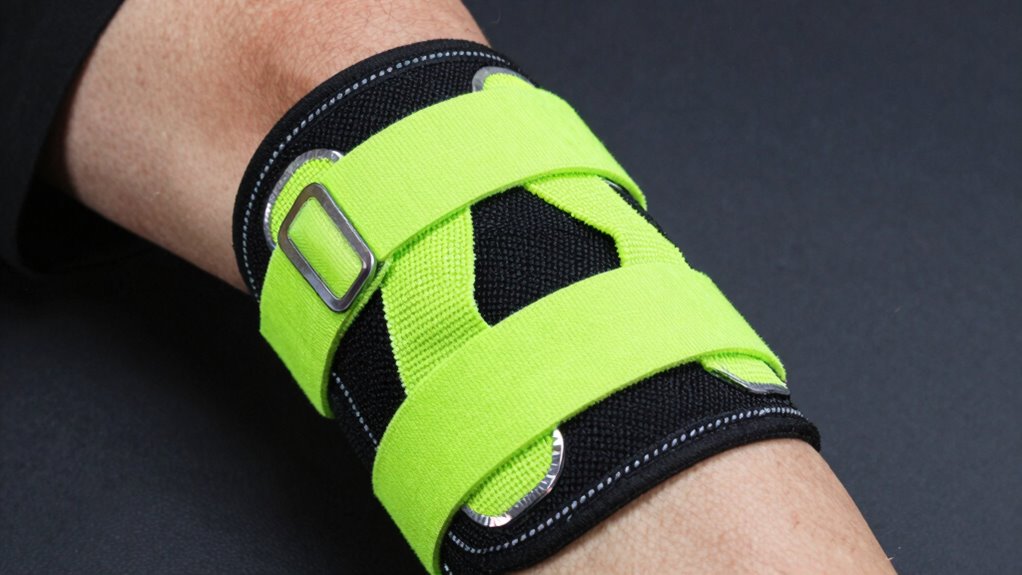
If your knee brace keeps slipping, it can compromise the support and stability you’re counting on. Knee brace slippage often happens when strap tension isn’t properly adjusted or when straps are too loose. When straps are too slack, they fail to hold the brace securely in place, allowing it to shift during movement. This movement reduces the brace’s effectiveness, putting your knee at risk of injury or discomfort. Poor strap tension can also cause uneven pressure, leading to discomfort or skin irritation. Ensuring the straps are tight enough without cutting off circulation is key. Proper strap tension stabilizes the brace, preventing slippage and maintaining consistent support. Using innovative cloud solutions can help in designing smarter, more adjustable braces that adapt to your activity level. When your brace stays in place, you can move confidently, knowing your knee is protected.
Find Out the Best Strap Order to Keep Your Knee Brace in Place
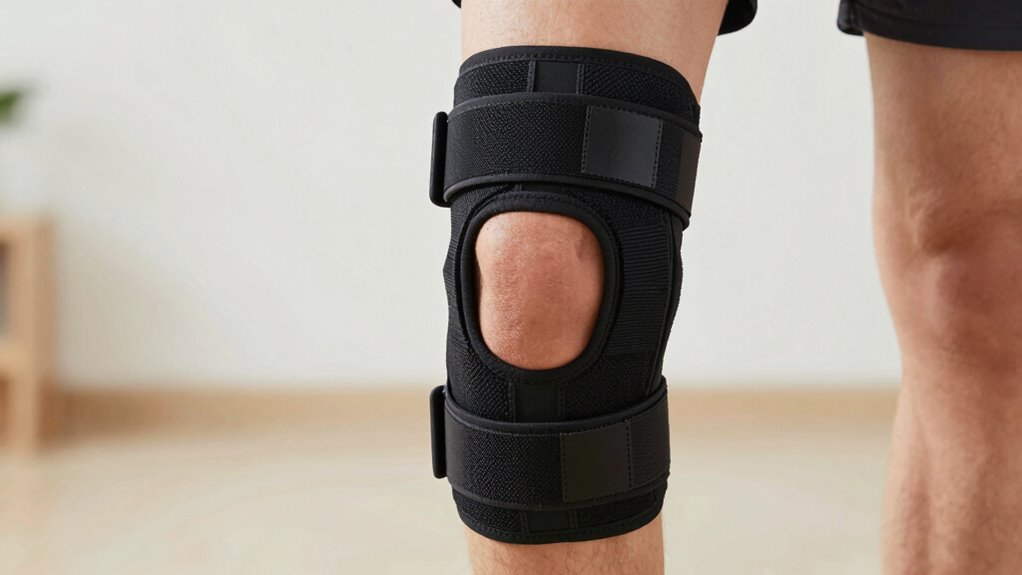
To keep your knee brace from slipping, it’s important to follow the correct strap order when securing it. Start with the main support strap, then move to the side straps, and finally, the top and bottom straps. This order guarantees even pressure distribution, enhancing stability. The knee brace design influences the strap placement, so adapt based on your model. Also, consider strap material—elastic straps are flexible, while neoprene offers more grip. Use the table below to visualize the ideal strap sequence:
| Step | Strap Type | Purpose |
|---|---|---|
| 1 | Main support strap | Locks the brace in position |
| 2 | Side straps | Prevents lateral slipping |
| 3 | Top strap | Secures above the knee |
| 4 | Bottom strap | Locks below the knee |
| 5 | Final adjustment | Ensures comfort and fit |
Following this order keeps your knee brace firmly in place. Proper strap placement is especially important for stability, so ensure each strap is snug but comfortable. Paying attention to strap tension helps prevent discomfort and ensures the brace functions effectively. Additionally, regularly checking the straps during use can maintain optimal compression and support. Ensuring the correct strap order can significantly improve your overall comfort and the effectiveness of the knee brace.
How to Properly Apply Your Knee Brace for a Secure Fit

To make certain your knee brace stays in place, start by positioning it correctly over your knee. Then, adjust the strap tension so it’s snug but not too tight, and lock the straps securely. Proper application makes all the difference in preventing slipping and providing support. Ensuring your brace is the best knee stabilization can help you maintain consistent support without unnecessary adjustments. Additionally, understanding how wave and wind energy sources work can help you choose the most effective methods for renewable power, just as proper strap application ensures the best support. When applying your brace, consider the influence of Free Floating movement patterns that can affect stability and comfort during activity.
Position the Knee Properly
Ensuring your knee is positioned correctly is essential for a secure and effective fit. Proper placement aligns with your knee anatomy, allowing the brace to provide ideal support. Start by sitting or standing comfortably, then gently straighten your knee. Make sure the brace’s hinge or patella opening lines up with your kneecap for stability. Using a properly calibrated fit ensures the brace functions as intended and stays securely in place during activity. Consider these steps:
- Position the brace so it’s snug but not tight, covering the joint evenly.
- Check that the edges aren’t pinching or causing discomfort on your skin.
- Ensure the brace materials are secure, with straps aligned properly to avoid gaps.
- Pay attention to proper brace placement to maximize support and prevent slipping. Proper placement respects your knee anatomy, ensuring the brace stays in place and maintains stability during activity. Good fit adjustment can also help prevent chafing and improve overall comfort during movement.
Additionally, understanding sauna build and maintenance can help optimize recovery environments that complement your knee care routine.
Adjust the Strap Tension
Adjusting the strap tension is crucial for a secure and comfortable fit. Too tight, and it can restrict circulation; too loose, and it won’t provide proper knee stability. Start by tightening the straps gradually, ensuring even pressure across the brace. The strap material plays a key role—sturdy, adjustable straps made from durable material help maintain consistent tension. Focus on the area around your kneecap, making sure the strap is snug but not cutting into your skin. Proper tension ensures your knee remains stable during movement without causing discomfort. Check that the straps are evenly tightened, avoiding any slack or uneven pressure. This balance maximizes knee stability and keeps the brace firmly in place, preventing slips and slides during activity. Understanding proper fit techniques can help you optimize your brace’s effectiveness and comfort during use. Paying attention to fit adjustment ensures the brace stays securely in place throughout your activities. Additionally, regularly inspecting the straps for wear can help maintain strap integrity and prevent unexpected loosening. Remember that correct strap placement is essential for achieving the best support and avoiding unnecessary discomfort. Incorporating proper tensioning methods can further enhance the overall fit and security of your knee brace.
Lock the Straps Correctly
When applying your knee brace, locking the straps correctly is essential for a secure fit. Proper strap locking ensures the brace stays in place during activity. First, choose the right material selection; straps made from durable, non-slip materials help maintain tension. Second, ensure your brace sizing is accurate—an ill-fitting brace requires tighter straps, which can cause discomfort. Third, follow a specific strap order: start with the bottom straps, then the middle, and finally the top, locking each securely before moving on. This sequence distributes tension evenly, preventing sliding. Remember, proper lock-in techniques maximize support and comfort, reducing movement and risk of injury. Additionally, understanding the comparative advantage of proper application techniques can lead to better outcomes and longer-lasting support. Taking the time to lock the straps correctly guarantees your knee brace functions as intended.
Troubleshooting Common Fit Issues and How to Fix Them

If your knee brace feels loose or too tight, it’s likely due to fit issues that can be quickly resolved with some simple adjustments. Start by checking your knee brace sizing—ensure it’s the correct size for your leg. If it’s too large, it won’t stay in place; if it’s too small, it’ll feel constrictive. Adjust the strap material tension to improve fit. Tighten straps gradually, focusing on even pressure across the knee. Ensure straps are snug but not cutting off circulation. Sometimes, uneven or loose straps cause slipping. Reposition the brace if necessary, making sure it sits properly over your knee. Proper fit and strap tension are essential for stability and comfort, so take the time to fine-tune your knee brace for the best results. Additionally, ensuring the proper strap order can help lock the braces in place more securely. Using fit adjustment techniques can further optimize your brace’s stability and prevent slipping, especially when combined with correct strap tension.
Tips to Maintain a Comfortable, Secure Fit Over Time
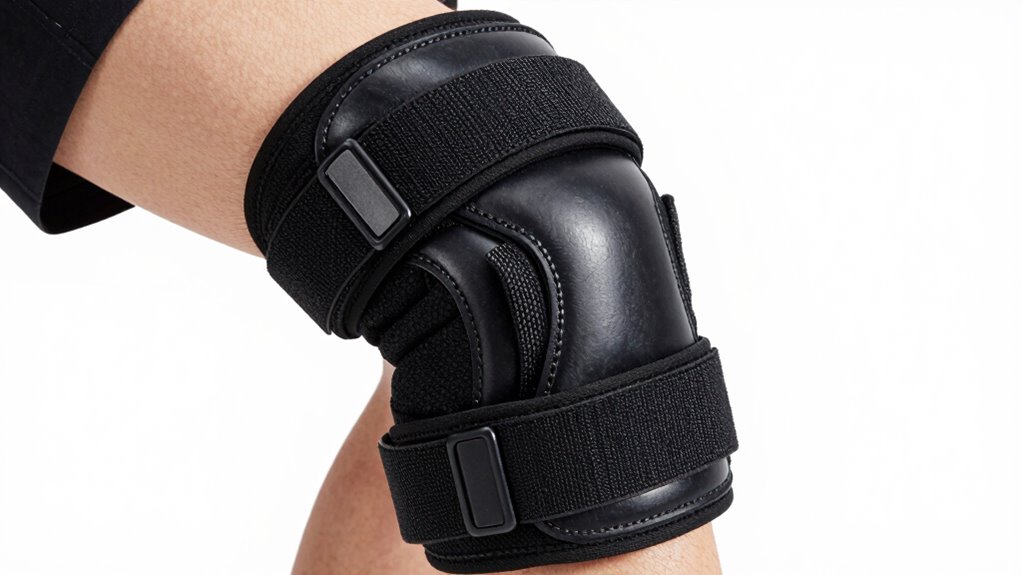
To keep your knee brace fitting comfortably and securely, you need to pay attention to strap tension, fit checks, and placement. Regularly adjust the straps to avoid slipping or discomfort, and make sure they’re positioned correctly each time you wear it. Staying proactive with these tips helps your brace stay effective and comfortable over time.
Proper Strap Tensioning
Maintaining the right strap tension is essential for ensuring your knee brace stays comfortable and secure during activity. Proper tension prevents slipping without cutting off circulation or causing discomfort. To achieve this, consider these tips:
- Adjust straps gradually, ensuring they’re snug but not tight, respecting your knee anatomy’s contours and the strap material’s flexibility.
- Use even pressure across all straps, especially around the brace’s perimeter, to distribute tension evenly.
- Recheck tension regularly, especially after activity or movement, to accommodate any stretching of strap material or changes in your knee’s position.
Regular Fit Checks
Regularly checking the fit of your knee brace helps guarantee it stays comfortable and secure as your body changes or as materials stretch over time. An ill-fitting brace can compromise knee stability and reduce support. Ensure straps are snug but not too tight, and that they remain aligned properly for peak performance. Use the following table to guide your fit checks:
| Fit Check Point | What to Look For |
|---|---|
| Strap Alignment | Straps should be straight, not twisted or uneven |
| Knee Stability | The brace feels secure without slipping |
| Comfort Level | No pinching or excessive tightness |
| Material Tension | Fabric remains snug but not restrictive |
Regular adjustments keep your knee brace functioning effectively, maintaining proper strap alignment and knee stability over time.
Correct Strap Placement
Ensuring your knee brace stays properly positioned requires paying close attention to strap placement, especially as your body moves and materials stretch over time. Proper strap placement supports your knee anatomy and prevents slipping. To achieve this:
- Position straps evenly, ensuring they follow the natural contours of your knee and don’t cause pinching or discomfort.
- Adjust strap tension so they’re snug but not tight, considering the strap material’s elasticity for a secure fit.
- Check that straps cross over the front or sides of your knee in a way that maximizes stability without restricting movement.
Regularly inspecting and readjusting strap placement helps maintain a comfortable, secure fit, even as materials stretch or your knee moves throughout the day.
Extra Techniques to Prevent Sliding During Activities
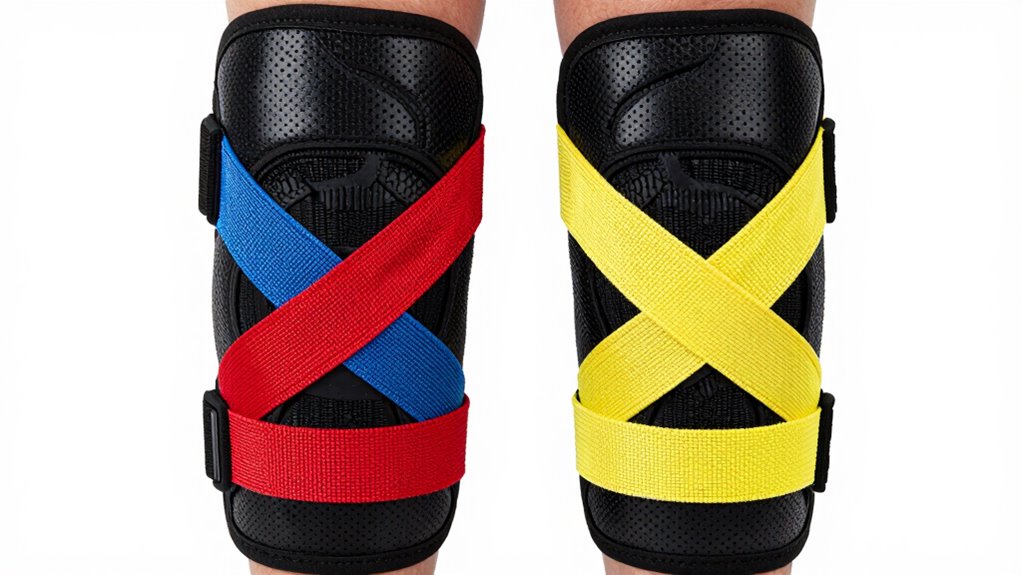
To keep sliding knee braces in place during activities, try applying additional grips or adhesives designed for sports equipment. These can enhance grip and reduce movement caused by limited knee mobility. You might also consider using non-slip pads or sleeves that fit over the brace to improve stability. Pay attention to the strap material; some materials offer better friction and grip, helping prevent slipping. Tightening straps appropriately helps secure the brace without restricting knee mobility excessively. Wearing a compression sleeve underneath can also provide added friction and support. Combining these techniques with proper strap placement and lock-in methods ensures your brace stays put during movement, reducing discomfort and risk of injury. These extra steps give you better control and confidence while staying active.
Frequently Asked Questions
Can Different Types of Knee Braces Require Different Strap Orders?
Yes, different types of knee braces can require different strap orders because their brace material and design influence how they stabilize your knee. You should follow the specific instructions for each brace to guarantee proper strap tension and fit. Adjusting the strap order helps prevent slipping and maximizes support, keeping the brace secure. Always refer to the manufacturer’s guidelines to achieve the best fit and ideal knee protection.
How Often Should I Readjust My Knee Brace During Activity?
You should readjust your knee brace regularly during activity—typically every 30 minutes or so. This keeps the brace snug, guaranteeing effective brace maintenance and comfort optimization. If you notice slipping, pinching, or decreased support, it’s time to tighten or reposition the straps. Frequent adjustments help prevent discomfort, ensure proper fit, and maintain the brace’s effectiveness, allowing you to stay active with confidence and comfort throughout your activity.
Are There Specific Materials That Reduce Slipping Better?
You should look for knee brace materials like silicone or neoprene, which naturally grip your skin better. Anti-slip textiles, such as textured neoprene or silicone-lined straps, also help prevent sliding during activity. These materials provide extra grip and stability, ensuring your brace stays in place. When choosing a knee brace, prioritize models with these features to enhance comfort and support, especially if you’re active or prone to slipping.
Does Leg Shape or Size Affect Brace Fit and Strap Effectiveness?
Your leg shape and size do influence brace fit and strap effectiveness. If you have a unique knee shape or larger legs, you might need to adjust strap tension to guarantee a snug fit without cutting off circulation. Properly fitting braces contour to your knee shape, providing stability. Regularly check strap tension, making sure they’re tight enough to prevent slipping but not too tight to cause discomfort or restrict movement.
Can Wearing Additional Support Accessories Improve Brace Stability?
Sure, adding support accessories can seem like overkill, but they actually enhance brace stability. You’ll love how brace customization and accessory compatibility work together to keep your knee secure. It’s ironic how a simple strap or pad can make a huge difference, preventing slipping or discomfort. So, don’t hesitate to try compatible accessories—they can turn a good brace into a great one, giving you the confidence to move freely.
Conclusion
By following the right strap order and applying your knee brace correctly, you’ll keep it in place like a well-tailored suit. Regular adjustments and troubleshooting can prevent slipping, ensuring your support stays firm through every movement. Think of your knee brace as a loyal partner—if you tighten it properly, it’ll stay with you, no matter how active you get. Keep these tips in mind, and enjoy secure, comfortable support every step of the way.