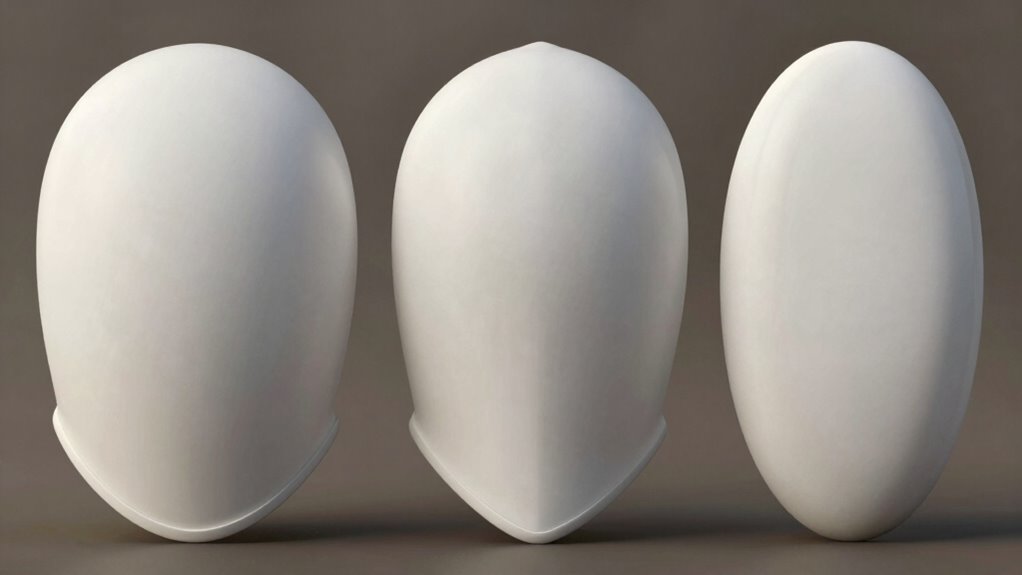

To stop buying the wrong helmet shape, first measure your head accurately and identify whether it’s round, intermediate oval, or long oval. Picking a helmet that matches your head’s unique contours guarantees a snug fit, better comfort, and improved safety. Avoid helmets that don’t conform to your shape, as they can shift or cause discomfort during rides. Keep exploring; understanding these shapes will help you make smarter choices and ride more confidently.

Get business pricing on garage and car supplies
- Business-only prices and quantity discounts
- Tax-exempt purchasing
- Multiple users, one account, clear invoices
Key Takeaways
- Measure your head accurately to determine if it’s round, intermediate, or long oval for proper helmet fit.
- Understand your head shape to select a helmet that offers optimal comfort, safety, and minimal pressure points.
- Recognize that wrong helmet shapes can cause discomfort, slippage, and reduce impact protection during rides.
- Match helmet shape to your head for better ventilation, stability, and to prevent fatigue or injuries.
- Try on different helmets to ensure a snug fit that aligns with your head shape, enhancing safety and riding experience.
Products Worth Considering

DEWALT 20V MAX 1/4-Inch Impact Driver Kit with Battery and Charger (DCF787D1)

Autel MaxiCheck MX808S Bidirectional OBD2 Diagnostic Scanner

NOCO Boost X GBX155 4250A UltraSafe Jump Starter
As an affiliate, we earn on qualifying purchases.
How to Measure Your Head for a Perfect Helmet Fit
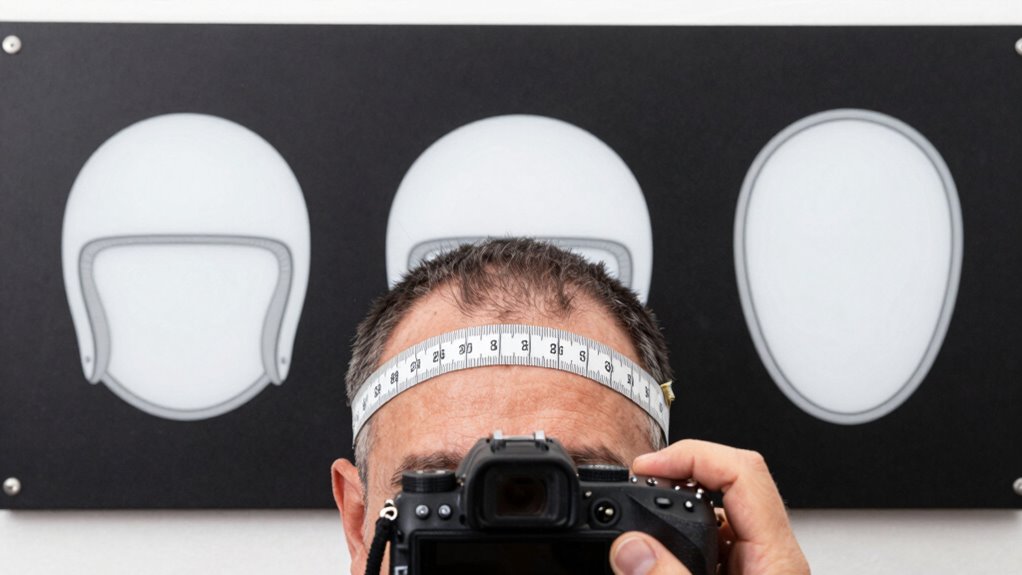
To guarantee your helmet fits perfectly, start by measuring your head accurately. Use a flexible measuring tape and wrap it around your head at the widest part, which is usually just above your eyebrows and ears. This measurement is called your head circumference. Keep the tape snug but not tight, ensuring it’s level all around. Don’t pull it too tight or leave it too loose, as either can lead to an incorrect size. Record the measurement in centimeters or inches. This number helps you choose a helmet that matches your head size, providing better comfort and protection. Remember, every brand may have slight sizing differences, so always check their sizing chart using your head circumference measurement. Accurate measurements are essential for selecting the right helmet shape and ensuring optimal safety. Additionally, understanding the helmet shape options, such as round, intermediate, and long oval, can help you find a more comfortable and secure fit. Knowing your head shape helps you choose a helmet that stays comfortably in place during activity. Moreover, choosing a helmet with the correct helmet shape reduces pressure points and increases overall comfort during extended use. Being aware of the projector technology used in helmets, like impact absorption materials, can further enhance safety and comfort.
Understanding Helmet Shapes and Why They Matter

Choosing the right helmet shape is essential because it guarantees a comfortable fit and ideal protection. The shape affects how well the helmet sits on your head and how evenly it distributes impact forces. Different helmet shapes, like round or oval, also influence factors like helmet color options and ventilation. A helmet that fits snugly prevents unwanted movement, reducing injury risk, while proper ventilation keeps you cool during rides. Understanding your head’s shape helps you select a helmet that aligns with your unique profile, ensuring comfort and safety. The right fit improves helmet stability, enhances airflow, and allows you to choose from a variety of helmet colors that suit your style. Additionally, knowing helmet fit and safety factors can help you make informed choices for better protection. Properly fitting helmets also contribute to helmet comfort, making your rides more enjoyable and less fatiguing. Recognizing the specific helmet shape that matches your head is crucial for optimal fit and safety, as it directly impacts how the helmet absorbs and distributes impact forces. An accurate assessment of your head shape analysis can further enhance your selection process and ensure maximum protection. Ultimately, the correct shape makes a significant difference in your riding experience and safety. Being aware of helmet shape compatibility can further optimize your helmet selection process and ensure maximum protection.
What Are Round Oval Helmets and Who Should Wear Them?
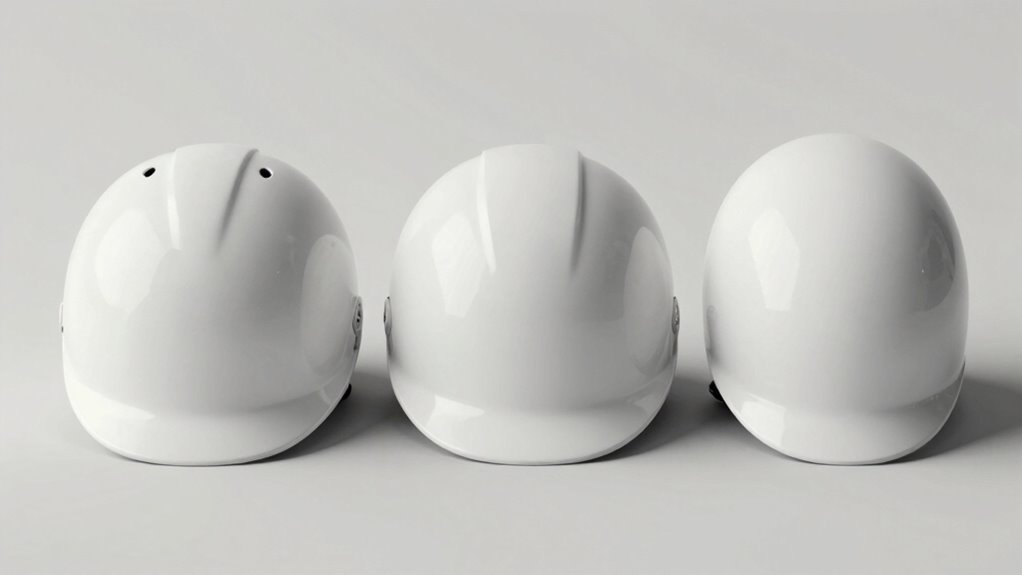
Round oval helmets feature a shape that closely follows the natural contours of many heads, offering a balanced fit for a wide range of users. This helmet design suits those with a slightly rounded head shape, providing comfort without sacrificing safety. If your head isn’t particularly long or narrow, a round oval helmet can help you stay secure and comfortable during rides. These helmets meet strict safety standards, ensuring reliable protection in case of impact. They distribute impact forces evenly across the head, reducing injury risk. Because of their versatile fit, round oval helmets are a popular choice for many riders, especially those who find other shapes too tight or loose. Choosing the right helmet shape based on your head profile helps maximize safety and comfort. Understanding helmet fit and safety standards is essential to selecting the most suitable helmet for your needs. Additionally, proper helmet fit is crucial for ensuring maximum safety and comfort during your rides. When selecting a helmet, considering head shape and helmet design can make a significant difference in overall safety and comfort. Being aware of helmet sizing and adjustment options can further enhance fit and protection, making your riding experience safer and more comfortable.
What Are Intermediate Oval Helmets and Are They Right for You?
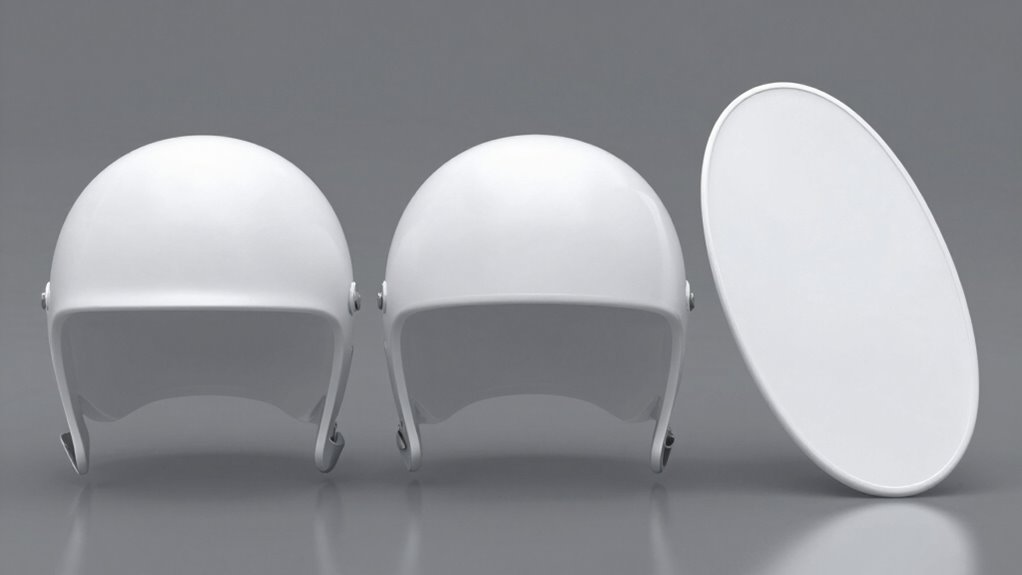
Have you ever wondered if an intermediate oval helmet might be the perfect fit for your head? These helmets blend features of round and long oval shapes, offering a balanced fit for many riders. They typically provide good helmet ventilation, helping keep you cool during long rides. If you’ve found round helmets too tight or long oval helmets too loose, intermediate ovals could be just right. Plus, they come in a variety of helmet color options, allowing you to express your style while staying safe. This shape is ideal if your head isn’t perfectly round or elongated, offering comfort without sacrificing safety. Trying an intermediate oval helmet might be the solution if you want a snug fit that feels natural and secure. Understanding helmet shapes can help you choose the most comfortable and safe helmet for your head, especially when selecting the right helmet fit. Recognizing the helmet shape that suits your head can significantly improve your riding experience and safety. Selecting the right helmet shape can also impact your helmet’s fit and comfort, ensuring you stay protected without discomfort. Additionally, considering helmet shape compatibility with your head can lead to better overall safety and comfort on the road.
Long Oval Helmets: Features and Who Benefits Most

Ever wonder if a long oval helmet is the right choice for your head shape? If your head is elongated from front to back, a long oval helmet offers the perfect fit, providing better comfort and stability. These helmets often come with diverse helmet color options, so you can match your style or visibility needs. Long oval shapes naturally reduce pressure points, making them ideal for riders with narrow or elongated heads. Proper helmet fitting and shape recognition can significantly improve safety and comfort during rides. Maintenance is straightforward with proper helmet cleaning tips—use gentle wipes and avoid harsh chemicals to preserve the helmet’s integrity. If you prioritize a snug fit that minimizes movement and maximizes safety, a long oval helmet may be your best choice. It’s especially beneficial for serious riders seeking comfort without compromising protection. For optimal safety, selecting a helmet with an appropriate shape and fit is essential, especially since helmet fit accuracy significantly impacts safety and comfort during rides. Additionally, understanding the different helmet shapes can help you make a more informed decision tailored to your head profile. Being aware of the support options available can further enhance the overall helmet experience and ensure long-term satisfaction.
Signs Your Helmet Isn’t Properly Fitting or the Right Shape

If your helmet doesn’t fit properly, you’ll notice discomfort or pressure points that can distract you while riding. These signs indicate it’s not the right shape or size.
A poorly fitting helmet causes discomfort, pressure points, and shifts, compromising safety and style during your ride.
- You feel tight spots or pinching, especially around the temples or forehead, affecting helmet ventilation and comfort.
- The helmet shifts or moves during riding, compromising safety and causing constant readjustments.
- The helmet looks awkward or mismatched, negatively impacting helmet aesthetics and your confidence.
A poorly fitting helmet can hinder ventilation, making you sweat more and reducing airflow. It also affects how sleek or stylish it appears, undermining your overall look. Recognizing these signs helps you find a helmet that fits perfectly, feels comfortable, and enhances your riding experience.
How to Test Helmet Fit at Home

To test your helmet fit at home, start by measuring your head circumference with a soft tape measure. Make sure the helmet feels snug but not tight, and check if it sits comfortably without shifting. If it passes these checks, you’re closer to ensuring a proper fit.
Measuring Head Circumference
Measuring your head circumference is the first step to guaranteeing a proper helmet fit at home. To do this accurately:
- Wrap a flexible measuring tape around your head, just above your eyebrows and ears, where your helmet will sit.
- Keep the tape snug but not tight, ensuring it rests comfortably against your skin.
- Record the measurement in centimeters or inches for comparison with helmet sizing charts.
Knowing your head size helps you choose a helmet with ideal helmet ventilation and appropriate helmet weight for comfort. A well-fitting helmet shouldn’t be too tight or too loose, preventing pressure points or shifting during rides. Proper measurement ensures you select a shape—round, intermediate, or long oval—that matches your head’s unique contours for maximum safety and comfort.
Checking Helmet Comfort
Ensuring your helmet fits comfortably is essential for both safety and enjoyment. To check comfort at home, try on the helmet and move your head gently. It should feel snug but not tight, with no pressure points or pinching. Pay attention to helmet ventilation; good airflow prevents overheating during rides. Additionally, consider helmet aesthetics—your helmet should look good and feel right. Use the following table to assess fit:
| Aspect | What to Check | Why It Matters |
|---|---|---|
| Fit around forehead | No gaps or pinching | Ensures stability |
| Cheek pads | Slightly snug, no excessive pressure | Comfort and security |
| Helmet movement | No side-to-side or up-down shift | Safety during impact |
| Ventilation | Airflow feels adequate | Prevents overheating |
| Overall comfort | Feels secure but not restrictive | Enjoyment and safety |
Expert Tips for Choosing the Best Helmet Shape for Your Head
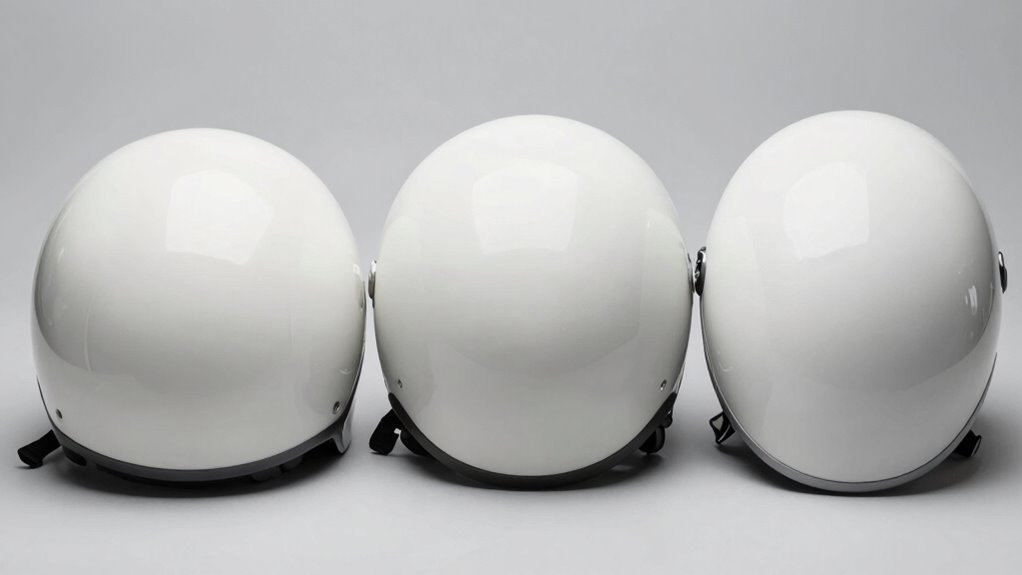
Choosing the right helmet shape starts with understanding your head’s unique contours. To find the best fit, consider these expert tips:
Understanding your head’s unique shape is key to finding a helmet that fits comfortably and offers optimal safety.
- Measure your head accurately around the widest part to identify your shape—round, intermediate, or long oval.
- Try on different helmets to feel how each shape conforms to your skull, ensuring snugness without pressure points.
- Prioritize helmet safety by choosing a helmet that matches your head shape perfectly, reducing movement during impact.
Risks of Wearing the Wrong Helmet Shape During Rides
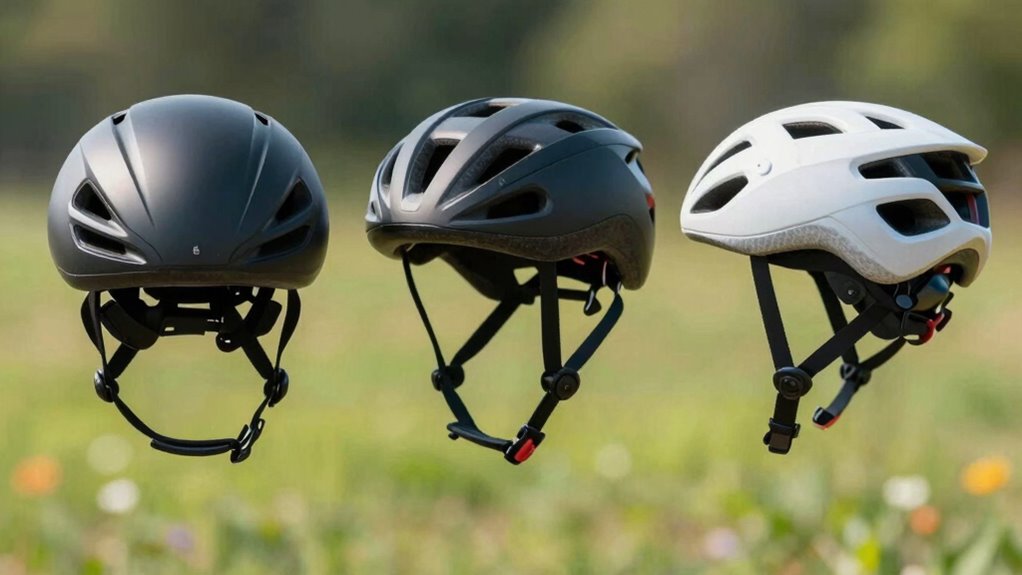
Wearing a helmet that doesn’t fit your head properly can increase your risk of injury if you fall. It may also slip or feel uncomfortable during your ride, distracting you from the road. Additionally, a poorly shaped helmet reduces its ability to absorb impact, putting you at greater danger.
Increased Risk of Injury
Have you ever considered how wearing the wrong helmet shape can increase your risk of injury during a ride? An ill-fitting helmet can fail to absorb impact properly, leading to more severe injuries. Imagine:
- Your helmet shifting during a crash, exposing your head to dangerous forces.
- The helmet’s shape causing pressure points that can crack or break under stress.
- Distracting helmet accessories, like loose visor attachments, impairing your focus or causing imbalance.
Choosing the wrong helmet color or accessories can also reduce visibility or distract you, increasing accident risk. An improperly fitted helmet compromises protection, making injuries more likely. Ensuring your helmet matches your head shape minimizes these risks, keeping you safer on every ride. Proper fit and thoughtful accessory choices are essential for ideal protection.
Helmet Slippage and Discomfort
When a helmet doesn’t match your head shape, it can easily slip out of place during your ride, causing discomfort and distracting you from your focus. Poor fit leads to constant readjustments, which break your concentration and can compromise safety. An ill-fitting helmet often lacks proper helmet ventilation, trapping heat and sweat, making you uncomfortable over time. Additionally, if the helmet is too heavy or unevenly balanced because of the wrong shape, it can cause neck strain and fatigue. This discomfort discourages proper wear and can even lead to removing the helmet prematurely, exposing you to injury. To avoid these issues, choose a helmet that fits snugly, offers adequate ventilation, and minimizes weight, ensuring comfort and safety throughout your ride.
Reduced Impact Absorption
Did you know that wearing a helmet with the wrong shape can substantially reduce its ability to absorb impacts? When your helmet doesn’t fit properly, its protective features become less effective during a crash. Imagine:
- Impact energy passing through gaps, increasing injury risk.
- Uneven force distribution, stressing vulnerable areas of your head.
- Reduced helmet aesthetics, making it less appealing and decreasing motivation to wear it consistently.
Choosing the right shape ensures your helmet absorbs shocks effectively. Plus, helmet color options and aesthetics matter—more appealing designs encourage regular use, which is vital for safety. An ill-fitting helmet might look good, but it won’t protect you properly. Prioritize proper fit over style to keep your head safe during every ride.
Frequently Asked Questions About Helmet Shapes
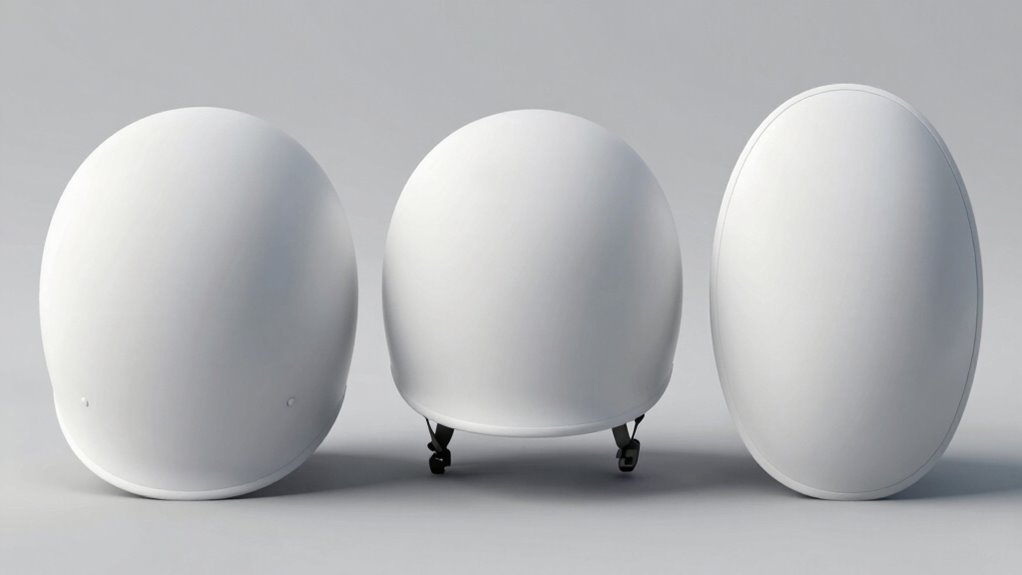
Are you curious about how different helmet shapes affect safety and comfort? Many questions come up, like which shape offers better protection or how to choose based on head fit. When selecting your helmet, consider helmet color options to match your style, but don’t overlook helmet ventilation features that keep you cool during activity. The shape influences how well the helmet fits your head’s contours, affecting comfort and safety. Round helmets tend to fit most head shapes comfortably, while long oval helmets suit elongated heads better. Intermediate shapes serve as a versatile option. Remember, the right helmet shape improves comfort and ensures effective impact absorption. So, ask questions, try different styles, and prioritize fit and features to make an informed choice.
Frequently Asked Questions
Can Helmet Shape Change Over Time or With Weight Fluctuations?
Helmet shape can change over time due to head size fluctuations or shape evolution. If your head size fluctuates with weight changes or age, your helmet fit may feel different, and you might need a new one. While the actual shape of your skull remains mostly stable, temporary changes in head size can impact how well your helmet fits, so it’s wise to reassess your helmet periodically for ideal safety and comfort.
Are Certain Helmet Shapes Better for Specific Sports or Activities?
Imagine you’re a cyclist choosing a helmet for long rides; sport-specific helmets with an intermediate shape provide a snug fit, reducing fatigue. Certain helmet shapes are better suited for activities like skiing or mountain biking, where impact angles differ. Selecting the right helmet shape enhances safety and comfort, so always consider sport-specific helmets tailored to your activity. Your choice can improve performance and reduce injury risks effectively.
How Often Should I Reassess My Helmet Fit and Shape Suitability?
You should reassess your helmet fit and shape suitability at least once a year or whenever you notice discomfort or changes in helmet comfort. Regular fit adjustments ensure your helmet stays snug and effective, especially after impacts or weight changes. Check for signs of wear or looseness, and try on different shapes if needed. Staying vigilant guarantees your helmet provides paramount protection and comfort during every activity.
Do Different Helmet Brands Have Unique Shape Fits or Standards?
Yes, different helmet brands often have unique shape fits and standards. You’ll find brand-specific sizing and regional fit standards that influence how helmets fit your head. Some brands cater to rounder shapes, while others are designed for intermediate or long oval heads. To find the best fit, try on multiple brands and check their sizing charts, ensuring the helmet suits your head shape for maximum safety and comfort.
Can Wearing the Wrong Helmet Shape Cause Long-Term Head Discomfort?
Wearing the wrong helmet shape can definitely cause long-term head discomfort. For example, imagine someone with a long oval head shape consistently using a round helmet; over time, this misfit can lead to pressure points and headaches. An improper helmet fit affects your head comfort, potentially causing pain or even nerve issues. Always choose a helmet that matches your head shape for ideal fit and long-lasting comfort.
Conclusion
Choosing the right helmet shape isn’t just about comfort—it’s about safety. If you wear the wrong shape, you risk compromised protection in a crash. Think of your helmet as a custom fit armor; when it matches your head’s unique shape, it shields you better and boosts confidence. Don’t settle for a one-size-fits-all approach. Invest time in finding the perfect fit—because your head deserves the best protection on every ride.