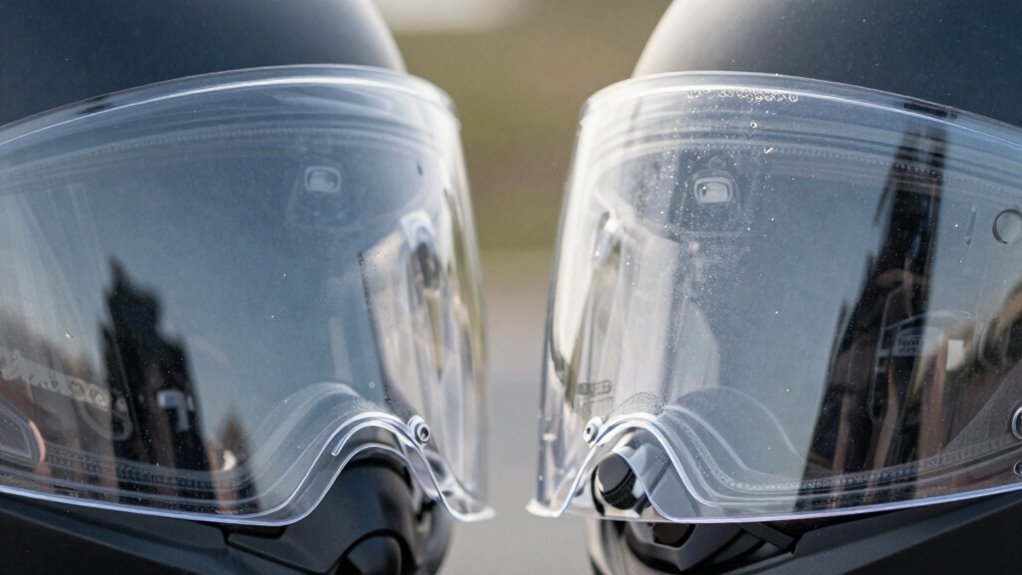

If you want fog prevention to last longer, Pinlock is your best choice. It creates a durable, sealed barrier inside your visor that stays effective for many rides, even in challenging weather. Anti-fog sprays work temporarily and require frequent reapplications, which can be messy and inconvenient. For long-term clarity and less hassle, Pinlock outperforms sprays. To learn more about how each method stacks up and how to get the most out of them, keep exploring.

Get business pricing on garage and car supplies
- Business-only prices and quantity discounts
- Tax-exempt purchasing
- Multiple users, one account, clear invoices
Key Takeaways
- Pinlock creates a long-lasting, sealed dual-layer barrier that consistently prevents fog for weeks or months without reapplication.
- Anti-fog sprays require frequent reapplication, with effectiveness diminishing over time, making them less reliable for prolonged fog prevention.
- Pinlock maintains clarity better during rapid movements and in cold, humid conditions due to its airtight seal.
- Anti-fog sprays are quick and inexpensive but need regular reapplication, reducing their long-term fog prevention capability.
- Overall, Pinlock provides longer-lasting fog prevention with less maintenance compared to spray coatings.
Which Fog Prevention Method Lasts Longer : Pinlock or Anti-Fog Spray?

When it comes to lasting fog prevention, Pinlock typically outperforms anti-fog spray. It offers superior visor clarity over extended periods, making your ride safer and more comfortable. Pinlock inserts are designed to stay in place once installed, providing a consistent fog-free experience without the need for frequent reapplication. Unlike anti-fog sprays, which require regular reapplication and can wear off quickly, Pinlock maintains its effectiveness over days or even weeks. Also, application ease is a major advantage; installing a Pinlock insert is straightforward and hassle-free, ensuring you spend less time prepping and more time riding. Additionally, the technological design of Pinlock lenses helps reduce fog formation by creating a sealed air space that minimizes moisture buildup. This durability makes Pinlock a preferred choice for many riders seeking long-lasting fog prevention. Overall, if you want long-lasting fog prevention with clear vision, Pinlock is the better choice.
How Do Pinlock Inserts Keep Your Visor Fog-Free Longer?

Pinlock inserts keep your visor fog-free longer by creating a sealed, dual-layer barrier that actively prevents moisture buildup. They work by embedding within your visor, forming an airtight seal that traps a thin air layer between the insert and the visor material. This barrier reduces the contact of warm, moist air with the cooler surface, which is vital because fogging happens when moisture condenses on the visor at its fogging temperature. Since different visor materials have varying thermal properties, the Pinlock’s design ensures consistent fog prevention across diverse visors. The sealed environment maintains a stable temperature, preventing condensation even in cold or humid conditions. Understanding visor materials helps explain why Pinlock inserts are effective across various helmets and environments. Additionally, the thermal properties of the visor material influence how well a Pinlock can perform, making it a versatile solution for many riders. Proper installation techniques also play a crucial role in maximizing the fog-resistant benefits of Pinlock inserts. Ensuring the correct fit and seal can significantly improve the longevity of fog prevention, especially when combined with regular maintenance to keep the seal intact.
What Makes Anti-Fog Sprays Effective and How Do They Work?

Anti-fog sprays work by reducing surface tension on your visor, helping moisture spread out instead of forming fog. Their effectiveness depends on the durability of the coating and how well it resists wear over time. When you choose a spray with a strong, long-lasting coating, you get clearer vision longer during your ride.
Surface Tension Reduction
Surface tension plays an essential role in how anti-fog sprays prevent fogging on visors and goggles. When you apply an anti-fog spray, it reduces the surface tension of water droplets that form from condensation. This causes droplets to spread out evenly, creating a thin, transparent film instead of fog. Many anti-fog sprays contain hydrophobic coatings that repel moisture, further lowering surface tension and preventing droplets from sticking. Additionally, these coatings promote a more Free Floating distribution of water, enhancing visibility. The ability of these coatings to maintain clear surfaces over time is critical for their effectiveness, especially in demanding conditions. By lowering surface tension, these sprays help moisture spread smoothly, maintaining clear visibility.
Coating Durability and Resistance
The effectiveness of anti-fog sprays largely depends on their coating durability and resistance to environmental factors. A strong, long-lasting coating ensures your visor stays fog-free longer, even with exposure to moisture, temperature changes, or scratches. Coating longevity is essential because it determines how often you need to reapply the spray. Surface resistance also plays a key role, preventing water droplets from forming and maintaining a clear view. High-quality anti-fog sprays create a resilient barrier that adheres well to the surface, resisting wear and tear. When choosing an anti-fog spray, look for products that emphasize durability and surface resistance, so you can rely on their fog prevention for extended periods without reapplication or loss of effectiveness. Additionally, understanding the chemical composition of the spray can help you select a product with better coating stability and environmental resilience. Formulation quality significantly impacts how well the coating withstands environmental challenges and maintains its anti-fog properties over time. A testing process that evaluates coating performance can also help you identify sprays that truly deliver long-lasting results.
How Well Do Pinlock and Anti-Fog Sprays Work in Cold, Humid, and Fast Rides?

When riding in cold and humid conditions, you’ll notice fog resistance becomes essential. Pinlocks generally hold up better during rapid movement, maintaining clear vision longer. Anti-fog sprays may need frequent reapplication to stay effective in these challenging environments.
Fog Resistance in Cold
In cold and humid conditions, preventing fogging becomes more challenging, especially during fast rides where temperature fluctuations and airflow can quickly compromise visibility. Pinlocks excel here by maintaining consistent visor clarity, as their sealed air pocket prevents moisture buildup even in low temperatures. Anti-fog sprays can also help, but their effectiveness depends on proper application and reapplication during long rides. Breath control becomes vital in cold weather; exhaling steadily downward helps reduce internal moisture that causes fogging. While Pinlocks generally perform better in maintaining clear vision during cold, humid conditions, combining them with good breath control practices ensures ideal visibility. Ultimately, your ability to stay focused relies on how well your gear resists fogging in these challenging environments.
Effectiveness During Rapid Movement
During rapid rides in cold, humid conditions, maintaining clear vision becomes even more demanding. When you’re moving fast, visor clarity can quickly diminish if your anti-fog solution isn’t up to the task. Pinlock inserts excel in these situations by forming a reliable barrier that resists fogging even during quick temperature changes. They offer consistent visibility, reducing the need for frequent adjustments and enhancing user convenience. Anti-fog sprays, while convenient to apply, may struggle to keep up under high-speed conditions, especially if not reapplied regularly. They can wear off faster during rapid movement, leading to fog buildup. For fast-paced rides in challenging weather, Pinlock’s durability provides a distinct advantage, ensuring your visor stays clear longer and your focus remains on the road.
Which Is Easier to Apply and Maintain on Your Helmet?

Pinlock visors are generally easier to apply and maintain because they simply snap into place and require minimal upkeep. You don’t need to worry about complicated installation or frequent reapplication. Once installed, they keep your visor clarity high with little effort, making them a convenient option. Anti-fog sprays, on the other hand, demand regular reapplication and careful cleaning to stay effective. Applying spray can be messy and time-consuming, especially if you want an even coating. Maintenance involves reapplying every few rides or days, depending on conditions. Overall, Pinlock’s application ease and low maintenance make it more user-friendly, saving you time and effort. If you prefer a hassle-free solution, Pinlock offers a straightforward, reliable way to keep your visor clear with minimal fuss. Additionally, simple systems are designed to be easy to set up and maintain, which adds to their appeal for everyday use. Ease of application is a key factor that makes Pinlock a popular choice among riders who want reliable fog prevention without extra hassle. Furthermore, the low maintenance requirements of Pinlock visors ensure that riders can enjoy clear vision without frequent interruptions for cleaning or replacement. Also, many riders appreciate that the cost-effectiveness of Pinlock solutions makes them a practical long-term investment.
How Durable Are Pinlock Inserts Compared to Anti-Fog Sprays Over Time?

Pinlock inserts are designed to last through many rides, but their durability depends on factors like material quality and usage conditions. Over time, you may notice a decline in visor clarity if the insert gets scratched or develops fogging spots. Proper care can extend the product longevity, ensuring consistent fog resistance. You should consider:
- Regular cleaning with appropriate products
- Avoiding harsh scrubbing that can damage the surface
- Storing helmet properly when not in use
- Replacing inserts when they show signs of wear or reduced visibility
Compared to anti-fog sprays, which require frequent reapplication, Pinlock inserts generally offer longer-lasting fog prevention. Their durability makes them a reliable choice for those seeking sustained product longevity and clear vision over multiple rides.
Which Solution Offers Better Value for Your Money?

When comparing the overall value of Pinlock inserts and anti-fog sprays, consider their costs, lifespan, and the convenience they offer. The cost comparison shows that Pinlock inserts have a higher upfront price but last for years, making them more cost-effective over time. Anti-fog sprays are cheaper initially but require frequent reapplication, which adds up quickly. Ease of application also plays a role: Pinlock inserts are installed once and require no daily effort, while sprays need regular reapplication, which can be messy or time-consuming. Durability of materials and long-term performance are key factors to consider when making your decision. If you want a long-term, hassle-free solution, Pinlock offers better value. Additionally, maintenance requirements differ significantly between the two options, influencing their overall convenience. Proper application techniques can also enhance the effectiveness and longevity of anti-fog sprays, making them more suitable for some users. Furthermore, considering the availability of replacements can help you evaluate which product fits better into your routine. However, if you prefer something quick and inexpensive for occasional use, anti-fog sprays might suit your budget better. Ultimately, your choice depends on your riding habits and budget priorities.
Pros and Cons of Pinlock Inserts Versus Anti-Fog Sprays

Choosing between Pinlock inserts and anti-fog sprays involves weighing their respective advantages and disadvantages. Pinlock inserts excel at maintaining visor clarity during long rides, providing a reliable, fog-free experience. They’re easy to install, though they require proper fitting and occasional cleaning. Anti-fog sprays are simple to apply and work quickly, making them convenient for quick fixes. However, their effectiveness may diminish over time, and frequent reapplication can be necessary. Consider these pros and cons:
- Pinlock offers consistent visor clarity but needs correct installation.
- Anti-fog sprays are easy to apply but may require frequent reapplication.
- Pinlock’s durability makes it ideal for long rides.
- Spray application is quick but less reliable over extended periods.
Your choice depends on how you prioritize visor clarity and application ease.
Which Fog Prevention Method Is Better for Your Riding Style?
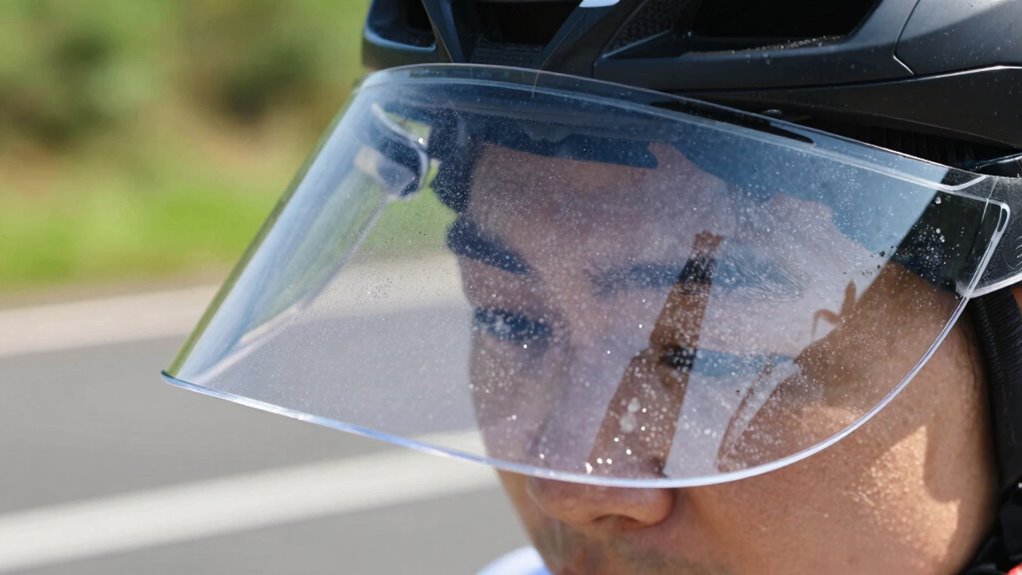
Selecting the best fog prevention method depends heavily on your riding style and how you use your helmet. If you prefer quick, hassle-free rides with minimal adjustments, anti-fog sprays offer user convenience and maintain visor clarity without added equipment. They’re easy to apply and work well for short trips or casual riding. However, if you ride frequently in varying weather conditions or need consistent fog prevention, Pinlock inserts might be better. They provide long-lasting visor clarity and reduce the need for constant reapplication, making them ideal for serious or daily riders. Consider how often you ride, your comfort with helmet modifications, and your preference for convenience versus durability. Choosing the right method guarantees clear vision and a safer, more enjoyable ride tailored to your riding style. Additionally, outdoor kitchen planning can inspire innovative ways to enhance your riding experience with custom gear storage or cleaning stations. Proper visibility enhancement techniques can significantly improve safety and comfort during your rides. For example, understanding the anti-fog technology behind these solutions can help you select the most effective option for your needs.
Frequently Asked Questions
Can Pinlock or Anti-Fog Spray Be Used Together Effectively?
Yes, you can use Pinlock and anti-fog spray together, but watch out for compatibility issues. Make sure your helmet’s visor and Pinlock lens are compatible with anti-fog spray to avoid damage or reduced effectiveness. Also, maintain a proper cleaning routine, as residue from sprays can interfere with Pinlock’s seal. Regular cleaning keeps both anti-fog measures working effectively, preventing fogging longer and ensuring clear vision during your ride.
Are There Any Safety Concerns With Using Anti-Fog Sprays?
Imagine this: you’re cruising down the highway in your vintage motorcycle, but anti-fog sprays can pose safety hazards if misused. These products contain chemical risks that might irritate your skin or eyes or cause allergic reactions. Always read labels carefully, use in well-ventilated areas, and avoid over-application. Proper use minimizes safety hazards and ensures you stay focused on the road, not fogged-up visors.
How Do Weather Conditions Affect the Performance of Each Method?
Weather conditions considerably impact how well each method works. High humidity effects can cause fogging despite using anti-fog spray or Pinlock, especially if the spray isn’t reapplied regularly. Temperature variability also plays a role; rapid changes can cause fog to form faster. Pinlock tends to perform better in fluctuating temperatures because it creates a sealed barrier, while anti-fog spray may need frequent reapplication during extreme weather shifts.
What Maintenance Is Required to Keep Pinlock Inserts Clear?
You’ll want to treat your Pinlock insert like a precious gemstone—clean it regularly with lens cleaning solutions and a soft cloth to prevent fog buildup. Avoid touching the inner surface directly, or you might need an insert replacement sooner than you’d like. Keep it dry, store your helmet properly, and inspect for scratches or damage. A little maintenance keeps your vision crystal clear and your rides fog-free!
Do Different Helmet Types Impact the Effectiveness of These Solutions?
Different helmet types can impact how well fog prevention solutions work. Helmet compatibility plays a role because some visors, especially those made from certain materials, may not work effectively with anti-fog sprays or Pinlock inserts. Visor material influences fogging since some plastics are more prone to condensation. Always check your helmet’s compatibility and visor material to guarantee ideal performance of your chosen anti-fog solution.
Conclusion
When choosing between Pinlock and anti-fog spray, consider your riding style and environment. Pinlock inserts last longer, often up to 12 months, and perform well in cold and humid conditions. Anti-fog sprays are cheaper and easier to apply but need frequent reapplication. If you ride frequently in challenging weather, investing in Pinlock offers better long-term value. Did you know that 70% of riders find Pinlock more reliable for extended fog prevention?
Halloween Picks
halloween
As an affiliate, we earn on qualifying purchases.